

Is our health system really meeting the unique needs of women? Bright Health Coverage shows that Medicaid is a key resource for millions. In 2023, nearly 18.5 million women used Medicaid for care like checkups and prenatal visits. Real stories highlight how this support helps change lives. In this post, we explore how Medicaid keeps women's health secure and accessible.
Medicaid Coverage Overview for Women’s Health
In 2023, nearly 18.5 million U.S. women aged 19 to 64 had Medicaid. That figure represents about 19% of women, compared to 14% of men. Around 9.3 million women lacked insurance, while 58.6 million received care through employer plans. This shows Medicaid is a key resource for many women who might otherwise struggle to get essential care.
The Affordable Care Act (ACA) expanded Medicaid eligibility up to 138% of the federal poverty level. This change helped more pregnant women, parents, people with disabilities, and low-income adults access health care. It opened the door to broader protections, including regular checkups and preventive care. One patient noted, "Before joining Medicaid, I faced costly bills until I discovered the support available for preventive screenings and prenatal visits."
Today, Medicaid covers many services. It pays for preventive care like breast and cervical cancer screenings, well-woman exams, and prenatal care without extra fees. It also covers access to contraceptives and supplies for breastfeeding. These services ensure care is affordable and meets women’s specific needs at every stage of their lives.
Medicaid continues to be a vital part of U.S. public health benefits. It offers accessible, comprehensive coverage that supports women's health while addressing challenges like high uninsured rates and rising health care costs.
Eligibility Criteria for Women’s Health Medicaid Programs
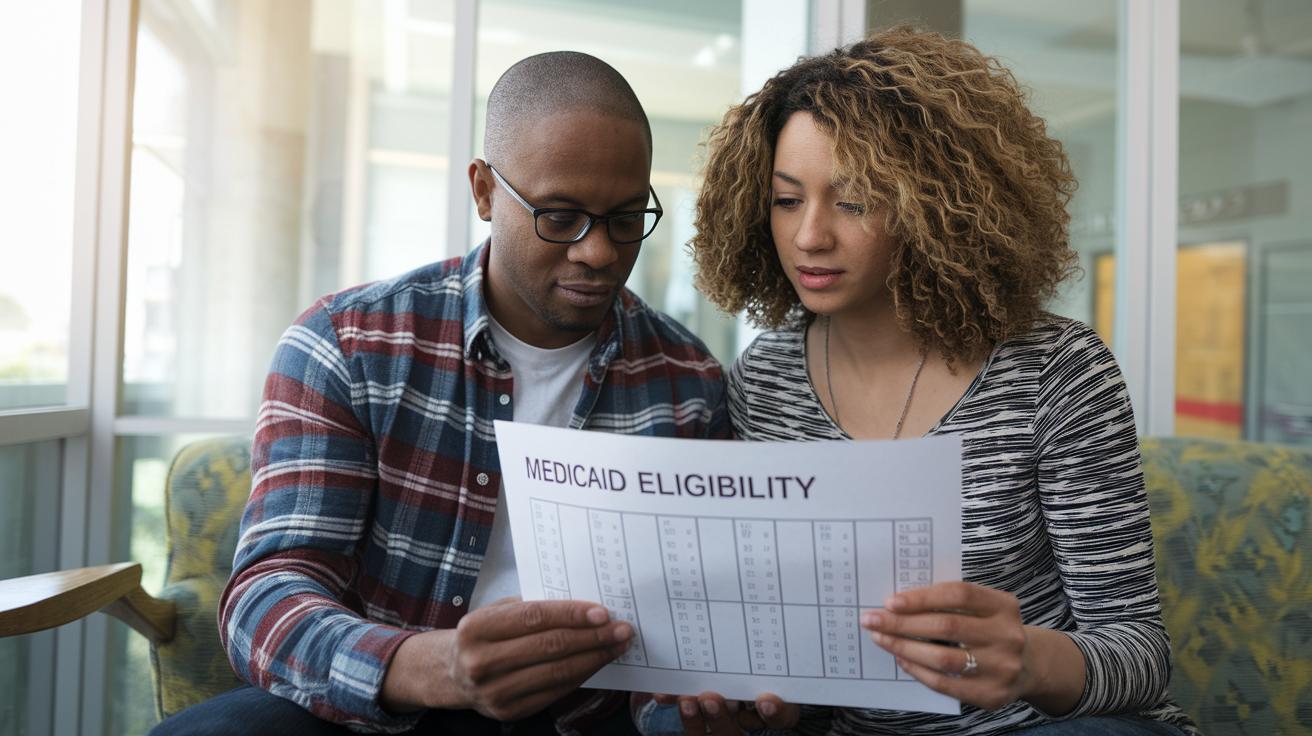
Medicaid follows federal rules that let adults qualify if they earn up to 138% of the federal poverty level (FPL). This percentage, set by the Affordable Care Act, is used by most states. Before you apply, compare your income to this 138% FPL mark to check if you qualify.
Pregnant women can use more flexible income limits. Many states allow higher income levels for prenatal coverage because early care is essential for both the mother and the baby. For example, in Georgia, regular coverage has strict low-income rules, but the Right from the Start Medicaid program uses higher income limits for expecting mothers.
Some states also offer programs like Pathways to Coverage. These programs help adults aged 19 to 64 who meet income requirements and complete specific community activity hours. This option is designed for women who may not meet standard Medicaid rules but still need government-supported care.
Since eligibility rules can differ by region, it is important to know your local income guidelines and any special programs. This approach makes sure that women receive the help they need through government insurance at every stage of life.
Women’s Health Medicaid Application Process
Applying for women’s health Medicaid is simple if you meet the requirements. States usually let you apply online through health insurance Marketplaces or directly on Medicaid websites. You will need to have your documents ready, such as proof of income, proof of citizenship, and proof of pregnancy if needed. Many women find that using these online sites makes the process faster and helps them keep track of their application.
Free help is available from local health insurance navigators. They work with you in person and make sure all your documents are complete. Some women choose to send their application by mail or in person at county social services offices when they do not have good online access. After you submit your application, it usually takes 30 to 45 days to process. You will get clear messages about the next steps and a confirmation once you are enrolled. One patient said, "I gathered all my documents and got my confirmation notice after a month of waiting." The system is built to be both easy to use and efficient, so every woman gets the care she needs.
Key Services and Benefits in Women’s Health Medicaid

Medicaid covers many services for women's health at every life stage. It pays for annual exams like cervical and breast cancer screenings so problems can be spotted early. It also offers counseling on birth control and provides supplies such as pills, intrauterine devices (IUDs), and implants to meet personal needs.
For pregnancy care, Medicaid funds prenatal visits, ultrasounds, and lab tests along with care after delivery. It also covers in-office mammograms and breastfeeding support. This scheduled care during pregnancy and after childbirth helps women transition smoothly.
Medicaid also includes prescription drug benefits that cover key birth control medicines and prenatal vitamins for a healthy pregnancy. In addition, telehealth visits are covered to help with issues like menopause, menstrual disorders, and long-lasting pelvic pain. With telehealth, women can speak with skilled providers from home about sensitive health topics.
Many patients say that telehealth makes it easier to discuss personal health issues without traveling. These comprehensive medical, preventive, and prescription benefits show Medicaid's commitment to keeping women healthy and supported.
State Variations in Women’s Health Medicaid Plans
Different states run Medicaid programs for women in various ways to meet local needs. In Georgia, for example, the Right from the Start Medicaid program offers many services. It covers prenatal care, help during delivery, 60-day postpartum support, and essential cancer treatments (for breast or cervical cancer) for uninsured women. One patient said, "Before I enrolled, I was worried about postnatal care, but the program reassured me I wasn’t alone."
In Connecticut and Massachusetts, the Women’s Health Network brings care both in person and online. With 90 clinic locations, it helps about 330,000 women every year. Services include well-woman exams, birth control, and on-site mammograms. While most programs use 138% of the federal poverty level as a guide, some offer extra benefits for pregnant women.
| State/Region | Program Name | Key Benefits | Eligibility Criteria |
|---|---|---|---|
| Georgia | Right from the Start Medicaid | Comprehensive prenatal, delivery, 60-day postpartum; cancer treatment | Income ≤138% FPL; cancer diagnosis for uninsured |
| Connecticut/MA | Women’s Health Network | Well-woman exams, birth control, telehealth, mammography | Medicaid-eligible women across CT and MA |
Maternal and Prenatal Benefits Under Women’s Health Medicaid
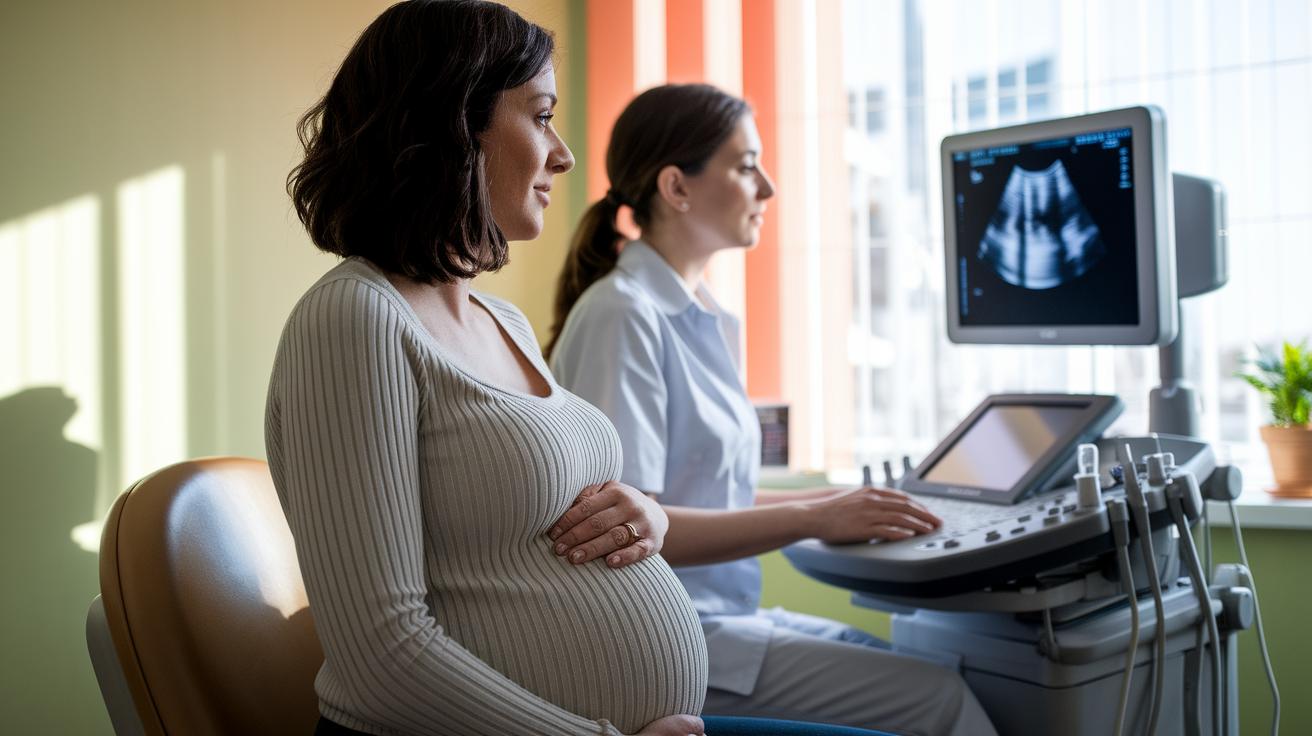
Medicaid offers many services to help keep pregnancies and recovery after birth healthy. Women who qualify get prenatal checkups, ultrasounds, lab tests, and nutrition advice. They also receive prescription coverage for essential items like prenatal vitamins and specific therapies. One patient said she was able to start prenatal care early and schedule her ultrasounds without worrying about the cost.
After birth, new mothers can get support that includes a six-week checkup, help with breastfeeding (lactation consulting), and mental health checks to catch signs of postpartum depression. Most states provide these services for at least 60 days after childbirth, and some even extend the support up to one year with special waivers.
Preventive and Specialist Care in Women’s Health Medicaid
Medicaid helps pay for important preventive care for women. It offers strong family planning services and specialist care. Women can get counseling that meets their personal needs, choose sterilization if they want a long-term option, and receive emergency birth control when needed. One example is a woman who booked a counseling session and felt relieved that her options, from birth control advice to discussions about sterilization, were covered.
Medicaid also covers key cancer screenings. Women can get a Pap smear every three years and a yearly mammogram once they turn 40. Cervical screening programs help catch cancer early. In addition, Medicaid pays for mental health therapy sessions to help with issues like anxiety, depression, and chronic pain. This ensures that care also covers emotional well-being.
Telehealth makes it easy to connect with doctors. Women can have virtual visits with obstetricians, gynecologists, and mental health experts without needing to travel. These online appointments help cut wait times and ease the pressures of busy schedules.
Together, these services show how Medicaid supports women with both preventive care and specialist services, helping them stay healthy in many ways.
FAQs and Recent Updates for Women’s Health Medicaid

• How long until coverage begins?
Your coverage usually starts about 30 to 45 days after your application is received and processed.
• What documents prove eligibility?
To qualify, you need to provide income statements, documents that show your citizenship, and, if you are pregnant, proof of pregnancy.
• Are telehealth visits covered?
Yes, telehealth appointments are covered. This lets you speak with specialists from home without traveling.
• How has postpartum coverage changed?
Recent updates have extended postpartum coverage. Many programs now offer services for 60 days after birth, and some special waivers extend coverage up to one year.
• Where can I find a participating OB-GYN?
Once you enroll, you will receive a list of local providers and OB-GYNs. You can also check your state’s health portal for the most current network of providers.
Recent 2024 policy changes aim to ease enrollment. Updated federal poverty level (FPL) guidelines and improved language access are making it simpler to apply. Expanded postpartum coverage and telehealth services also work to reduce wait times and provide quicker access to specialized care.
Final Words
In the action, this article unraveled Medicaid's role in women's care. It explored eligibility details, application steps, and key benefits like preventive services and prenatal care. We highlighted state variations and addressed common queries to give you a clear view of today's protective frameworks. The discussion shows just how the structure of coverage supports health checking and maternal care. Armed with this insight, stakeholders can confidently interpret the framework of women's health medicaid and stay ahead of policy shifts.
FAQ
What is Georgia’s women’s health Medicaid program?
Georgia’s program provides prenatal, delivery, and postpartum care along with cancer services. It serves uninsured women who meet state income guidelines and offers key preventive care for women’s health.
What does women’s health Medicaid cover, including in Texas?
Women’s health Medicaid covers preventive exams, cancer screenings, prenatal and postpartum care, contraceptives, and prescription services. Texas Medicaid programs offer similar benefits with services tailored for expectant mothers.
What benefits do Healthy Texas Women programs provide and what are the pregnancy Medicaid requirements in Texas?
Healthy Texas Women offers well-woman visits, prenatal care, and family planning services. Texas pregnancy Medicaid requires income verification and adherence to state-specific guidelines for expectant mothers.
How do I apply for women’s Medicaid coverage?
Begin the process by gathering proof of income, citizenship, and pregnancy documents if needed. You can apply online or visit your local county social services office for assistance.
Who qualifies for women’s Medicaid and Medicaid in Alabama?
Eligibility depends on income and specific criteria like pregnancy or disability. In Alabama, qualifying factors include meeting state income limits and other categorical requirements for health coverage.