

Do you believe our community's health is well protected? Public health services do more than treat illness, they monitor well-being, plan essential actions, and keep care running smoothly. In this post, we outline 10 key services designed to tackle today’s challenges. We explain how data is collected, partnerships are formed, and policies are set to keep everyone safe. Read on to see how these services make a real difference in our lives.
Framework Overview of the 10 Essential Public Health Services

This framework was first set up in 1994 by a group working for the federal government. It explains three main areas: checking the health of communities, making plans, and keeping services running well. On Sept. 9, 2020, partners like the de Beaumont Foundation and PHAB updated the framework. They added a strong focus on fairness and modern methods. Today, it helps communities face today’s health challenges and works to give everyone a fair chance at good health.
| Service Number | Service Name | Brief Description |
|---|---|---|
| 1 | Assess and Monitor Population Health | Collect and study health facts to spot trends. |
| 2 | Investigate and Diagnose | Look into health risks with a careful approach. |
| 3 | Communicate Effectively | Share clear health information with the public. |
| 4 | Strengthen Community Partnerships | Bring people together to work on health issues. |
| 5 | Create and Implement Policies | Make plans and rules to boost community health. |
| 6 | Utilize Legal and Regulatory Actions | Use laws to protect public health. |
| 7 | Ensure Access to Health Services | Help people find the clinical and preventive care they need. |
| 8 | Build a Skilled Public Health Workforce | Hire and train experts to serve community needs. |
| 9 | Evaluate and Improve Services | Check program results to make them better. |
| 10 | Research and Innovate | Study issues to find new health solutions. |
The table below shows the 10 services and explains how each one helps boost community wellness and guide real-world health actions. Every service plays a part in making roles clear and efforts strong to build fair and steady health systems.
With clear steps, the framework helps health departments choose the best actions and roll out focused programs. Its fairness focus helps tackle both quick risks and long-term issues. This means all community members can access the care and support they need. Overall, this model remains a trusted guide for protecting community health and shaping strong public health strategies.
Historical Development of the Public Health Service Framework
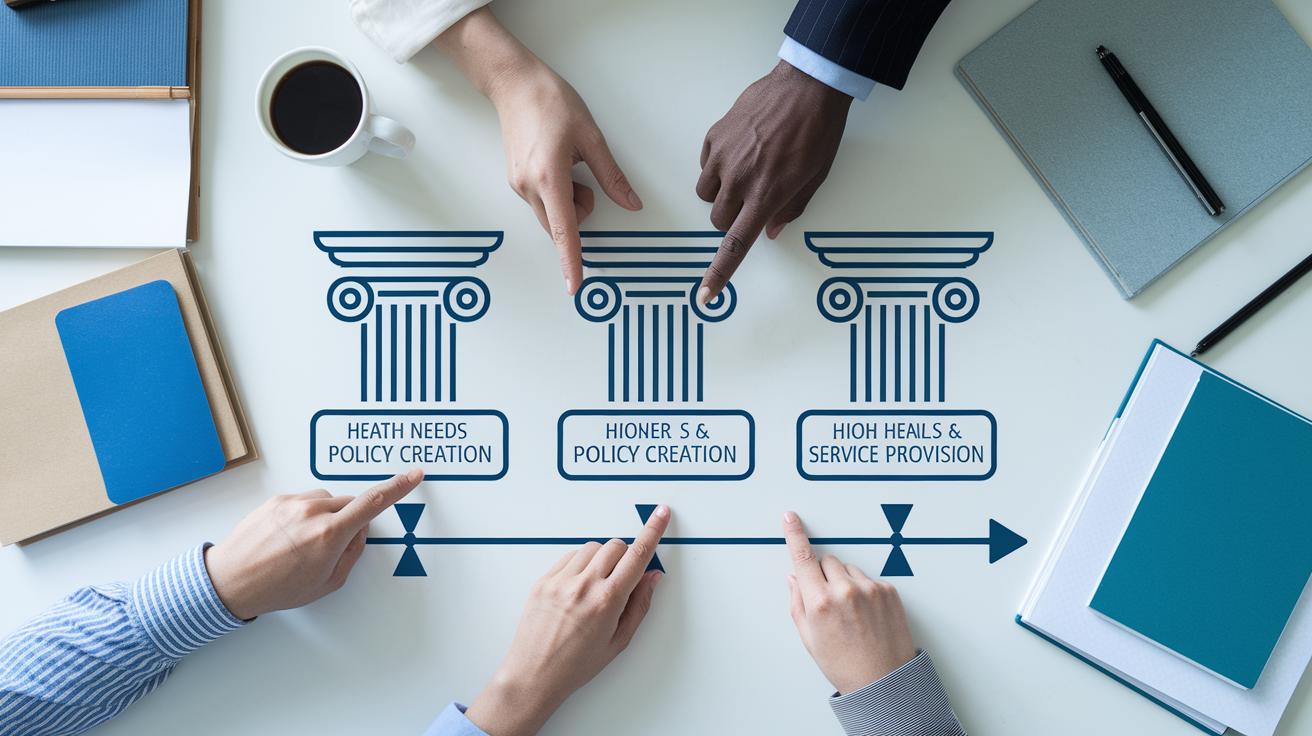
In 1994 a federal team set out a model that defined public health's main tasks: checking health needs, creating policies, and making sure services were provided. This clear guide encouraged states and local agencies to follow a uniform approach.
- In 1994, the federal team's model offered clear steps to judge service quality and sparked a nationwide discussion.
- By the mid-1990s, state and local health departments took up the ideas, aligning their efforts across regions.
- In 2007, the framework was included in the accreditation process to add external checks and prompt regular reviews.
- In the 2010s, both academic studies and community projects refined the model, making it even more relevant to modern public health strategies.
Each stage built on the last, ensuring that the framework remains a trusted guide for shaping policies, improving service quality, and directing community health efforts today.
Revision Process and Equity Integration in Essential Public Health Services

Public health leaders updated the Essential Public Health Services framework on Sept. 9, 2020 to meet changing community health needs and fight long-standing inequalities. They brought in many voices to update practices that address both immediate care and long-term health. The update came as a clear response to new challenges that needed fairer strategies.
Here are the five steps used in the revision process:
- Set up a task force with partners.
- Hold crowdsourcing sessions and town halls.
- Review and use public feedback.
- Create and test the new framework.
- Release the final equity-based model.
The new framework puts fairness at its heart. It balances wide-reaching changes in policy and systems with direct care services. Every step, from gathering data to making policies, shows a promise of fairness and inclusion. It brings government leaders, community groups, and local partners together to break down barriers and build support. Equity now is a core idea that helps build trust and improve overall health outcomes.
Public Health Service 1: Assess and Monitor Population Health Status

This service gathers data to show how a community is doing health-wise. It collects facts from vital records, disease registries, surveys, and tests of the environment. The process looks at health outcomes, factors that shape these outcomes, and local resources. For example, tracking COVID-19 cases lets teams spot changes in infection rates. Chronic disease records reveal trends in conditions like diabetes, and local health assessments show what the community needs. This careful data collection helps spot health threats and trends, especially in groups facing higher risks.
Public health officials use this information to choose actions that improve community well-being. Modern dashboards let experts see real-time data and catch emerging issues quickly. These tools guide decisions about where to send resources and how to adjust services. For instance, a sudden rise in respiratory illnesses can prompt local agencies to launch fast interventions. In short, using data-driven decisions means responses are timely and focused on the areas that need help most.
Public Health Service 2: Investigate, Diagnose, and Address Health Problems
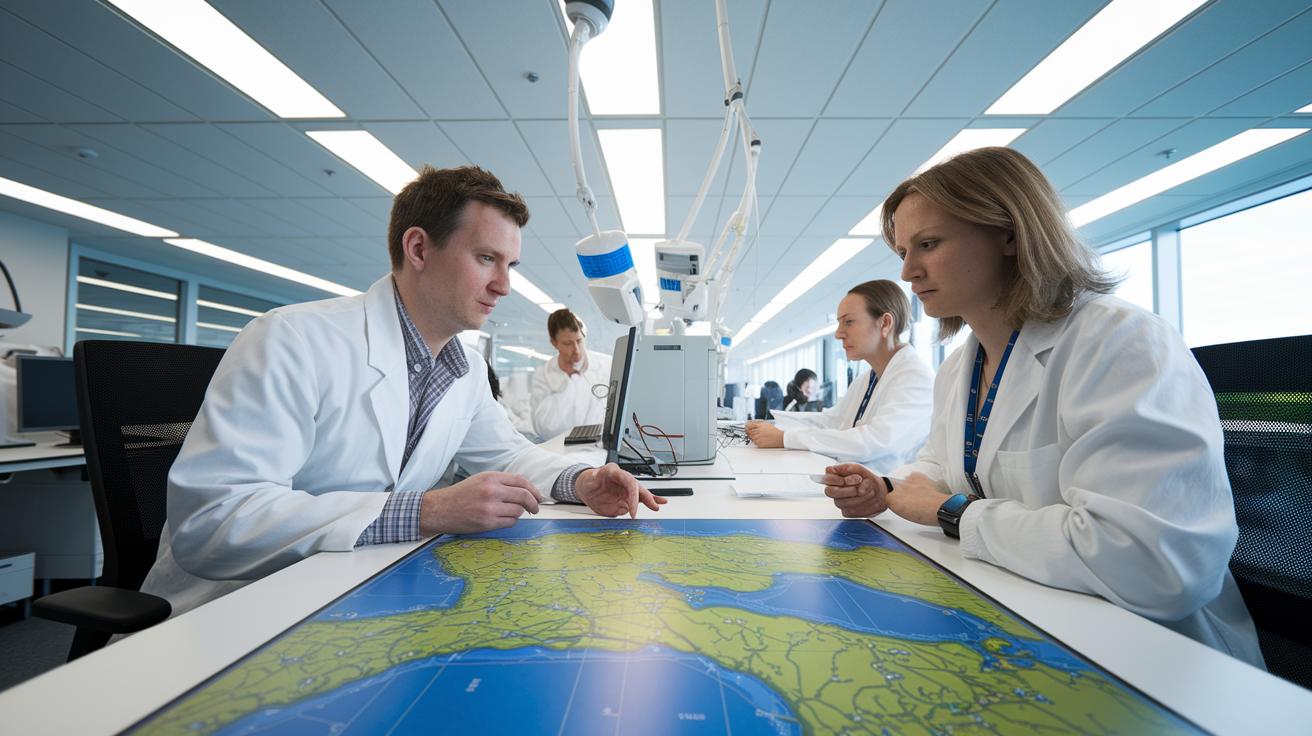
Epidemiologic investigation drives this service. Health officials track outbreaks, find cases, and locate contacts to stop disease spread. They use simple methods to spot trends and check for environmental risks. For example, during a measles outbreak, teams quickly gather data, interview patients, and trace contacts to slow the spread. In foodborne illness cases, experts collect patient details, test food samples, and map the contamination source. These steps need careful analysis and clear data collection to spot community threats correctly.
Teamwork is crucial in tackling these issues. Public health workers work with labs to test and confirm findings so that lab results shape their plans. They also join with local health providers and emergency responders to offer help on the ground. This joint effort speeds up risk detection and brings together expertise from different areas. By working together, public health professionals can quickly contain outbreaks, keep communities safe, and improve plans for preventing and analyzing health problems.
Public Health Service 3: Communicate Effectively to Inform and Educate
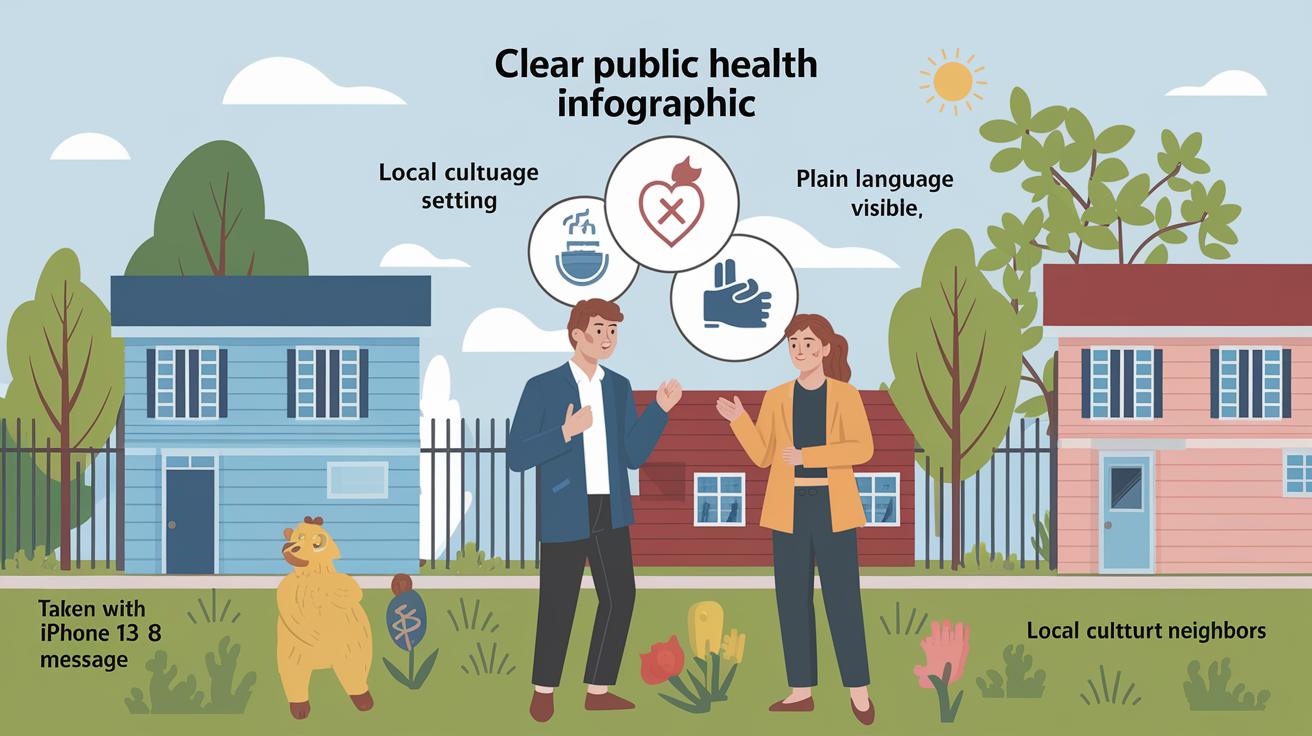
Clear messaging is key in public health. Teams share simple, fact-based information that everyone can understand. They use plain language and images that match the local culture. For example, a vaccine campaign might say, "Get your shot to protect yourself and your neighbors." When emergencies arise, alerts warn people of immediate dangers, and guides offer step-by-step tips for managing long-term illnesses. Each message is crafted to suit the community's language and cultural needs.
Officials also keep track of how well these messages work. They use surveys and media feedback to see if the public is listening. With this feedback, public health teams quickly adjust their methods. This ongoing review makes sure the right information reaches the right people at the right time.
Public Health Service 4: Strengthen Community Partnerships and Engagement

Strong community partnerships are key to good public health. Local nonprofits, faith groups, businesses, and residents coming together make a real difference. When these groups share ideas, skills, and resources, they can act fast to tackle local challenges. For example, healthy corner store projects improve access to fresh food in areas that need it, and youth advisory boards let young people share their views on community programs. Using advisory councils and joint planning helps meet immediate needs while also planning for the future.
Ongoing success comes from open communication and shared decision-making. When everyone feels that their input matters, the community can adapt and grow stronger over time.
Public Health Service 5: Create, Champion, and Implement Policies and Plans

Service 5 guides us to build smart policies that lead to healthier communities. It follows four clear steps: analysis, development, adoption, and evaluation. First, in the analysis phase, experts review health data and local needs to spot urgent issues. Next, the development phase sees professionals crafting plans and strategies to tackle these issues. Then, during the adoption stage, lawmakers, planners, and community members refine and approve policies such as smoke-free laws and balanced nutrition standards in schools. Finally, the evaluation phase checks the success of these policies with clear measurements and feedback for future improvements.
Leaders in public health also play a key role in sharing and enforcing these policies. They talk directly with legislators and community groups to gather support. They work closely with enforcement teams to monitor how well the policies are followed, ensuring that these plans bring real benefits to the community.
Public Health Service 6: Utilize Legal and Regulatory Actions to Protect Health

Public health workers use legal tools to enforce laws, codes, and rules that keep our communities safe. They check on food safety, sanitation, and licensing standards. For example, inspections at restaurants help make sure food is handled safely, while quarantine orders work to stop the spread of disease. This service relies on skilled legal experts and detailed inspections to understand and apply these rules, ensuring high health standards in both public and private spaces. By teaming up with environmental health units, officials spot risks early and act quickly to fix problems.
Working closely with lawyers and lawmakers is vital to update and improve health regulations. Regular site visits and legal checks build a strong system that stays safe and adjusts to new health threats. Maintaining a balance between firm enforcement and public trust is key. Officials focus on clear, honest communication when applying the rules to keep everyone safe and accountable.
Public Health Service 7: Ensure Access to Personal and Population-based Health Services
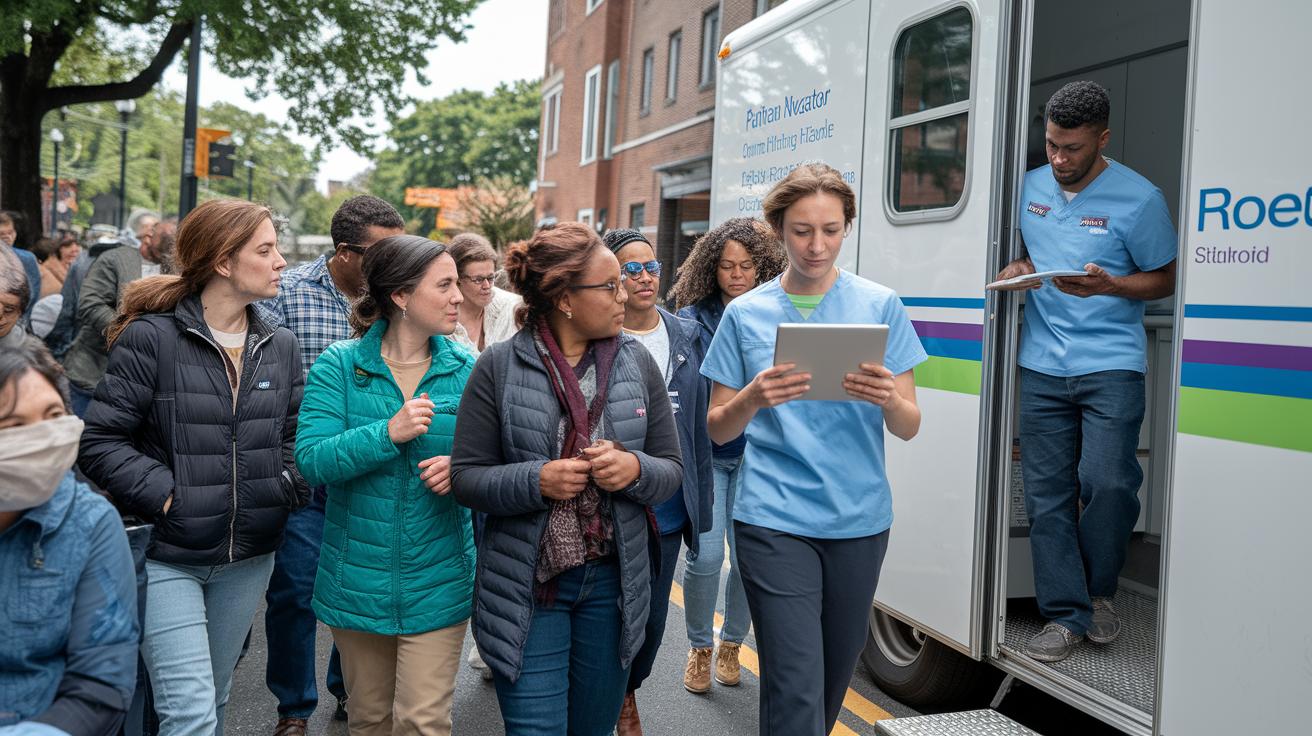
Service 7 links people and communities with the clinical care and public health programs they need. It sets up referral networks and streamlines care by connecting patients to clinics, health centers, and social service agencies. For example, mobile clinics travel to neighborhoods that lack services to offer basic check-ups and primary care, while disease management programs help individuals manage chronic conditions like diabetes and heart disease with coordinated support. Patient navigators assist with scheduling appointments, arranging rides, and offering language help, which cuts down on obstacles such as cost, long travel distances, and cultural differences. By bringing together several health care services, this system provides a clear path to care for everyone.
These efforts are built around fairness. Health care providers tailor their approaches to meet the unique needs of each community. They work with insurers and social service groups to clear the hurdles that keep people from getting care. In doing so, Service 7 plays a key role in creating a health system that is both effective and fair for all.
Public Health Service 8: Build and Support a Skilled Public Health Workforce
This service aims to strengthen public health teams. Health departments check their teams' skills and look for gaps that affect community care. They use tools like skill frameworks (systems that list needed skills) and gap analysis. This helps them see where extra training is needed. Programs such as public health certificate courses and field epidemiology training offer clear paths to build expertise.
Workforce reviews pinpoint key skills and show where more training is needed. This ensures that public health workers keep up with new practices. Credentialing and continuing education keep standards high and support those serving diverse communities.
Health departments also team up with universities, professional associations, and tribal organizations. These partnerships create tailored training and mentorship programs. They help public health systems adapt to change and meet the varied needs of the people they serve.
Public Health Service 9: Evaluate and Improve Essential Public Health Services
This service reviews and boosts public health programs using clear evaluation methods and quality improvement cycles. Officials plan assessments, carry out reviews, study results, and act on lessons learned. For example, after-action reviews help teams see what happened during an event, while patient surveys capture the community's view of service quality. Data dashboards display key performance numbers that show how well programs work, and evaluation frameworks check if outcomes meet expected goals.
These careful reviews allow for changes based on feedback from community partners and staff, ensuring that improvements come from solid data. This process spotlights what works and what can be improved, making public health programs more responsive and effective.
Benchmarking local efforts against national standards drives constant progress. Public reports on these results make evaluation outcomes clear, promote accountability, and build trust among community members and decision makers.
Public Health Service 10: Research and Innovate Public Health Solutions
This service follows a clear cycle to boost public health. It starts with a guess based on real community needs, moves to planning studies that test this guess, and ends with sharing the results to update practices. Researchers use surveys (counting responses) and interviews (talking directly with people) to find out what works. For example, community-based participatory research invites local residents to join the study so that plans match everyday needs. Implementation science tests new ideas in real settings to see if they improve health programs and guide better care. Universities, research centers, and community groups all work together to offer the needed support.
When a promising idea is found, the next step is to scale and sustain it. Researchers turn the study findings into small pilot programs that, if they work, can expand to reach more people. This organized approach not only produces trustworthy data but also builds a solid base for ongoing improvements in health practices, ensuring that new solutions can grow and adapt to benefit communities over time.
Resources and Implementation Strategies for the 10 Essential Public Health Services
National and state resources give public health agencies a strong base for refreshing website content and educational tools. These supports come as toolkits, resource libraries, and data portals. They help professionals plan care and build community programs using the latest guidelines, research, and new ways of doing public health work.
- Online toolkits and templates
- Data and surveillance portals
- Training modules and webinars
- Community engagement guides
Local adaptation matters a lot. Health agencies often adjust national resources by doing community assessments and working with local groups. For instance, a local department might use an online toolkit to create materials in multiple languages that meet unique cultural needs. By reviewing and tailoring these resources to local challenges, each intervention meets national standards and reflects local priorities. This focused method increases the impact of public health initiatives and builds community trust.
Final Words
In the action, we explored the journey of the public health framework. We highlighted its origins, revisions, and focus on equity while breaking down each element of the 10 essential public health services. We examined how each service, from data collection and policy development to community engagement and innovative research, plays a crucial role in safeguarding community health. The guide offers clear insights on implementing and evaluating these services. With this roadmap, the path to stronger, more resilient public health systems looks very promising.
FAQ
What types of resources are available for the 10 Essential Public Health Services?
The available resources on the 10 Essential Public Health Services include Quizlet study sets, CDC PDFs, and scholarly articles that explain and analyze the framework for public health practice.
What are the three core functions of the 10 Essential Public Health Services?
The three core functions include assessment (collecting health data), policy development (crafting health measures), and assurance (ensuring essential services are provided to the community).
Why are the 10 Essential Public Health Services important?
The 10 Essential Public Health Services are important because they guide professionals in assessing community health, forming effective policies, and implementing programs that protect and improve public well-being.
What role does the CDC play regarding the 10 Essential Public Health Services?
The CDC provides guidelines, tools, and resources that support communities in understanding and applying the 10 Essential Public Health Services in their health programs.
What is the significance of the year 1994 for the Essential Public Health Services?
The EPHS framework was first published in 1994 by a federal working group, establishing the standard for public health functions and influencing later updates to address new health challenges.
Who created the 10 Essential Public Health Services?
A federal working group of public health experts originally created the EPHS, designing a framework that outlines the core activities necessary for promoting and protecting community health.
When were the 10 Essential Public Health Services created?
The 10 Essential Public Health Services were created in 1994 and have been updated periodically to reflect emerging health challenges and integrate equity into public health practices.
What are the 10 key social determinants of health?
The 10 key social determinants of health include factors like income, education, employment, social support, housing, access to care, transportation, neighborhood quality, food security, and community safety.
What are the 10 leading health indicators?
The 10 leading health indicators are selected measures that track key areas such as nutrition, physical activity, substance use, and chronic disease management to monitor overall community health.
What do public health services encompass?
Public health services encompass programs and activities that protect and promote community health, involving data collection, research, policy development, education, and direct intervention measures.