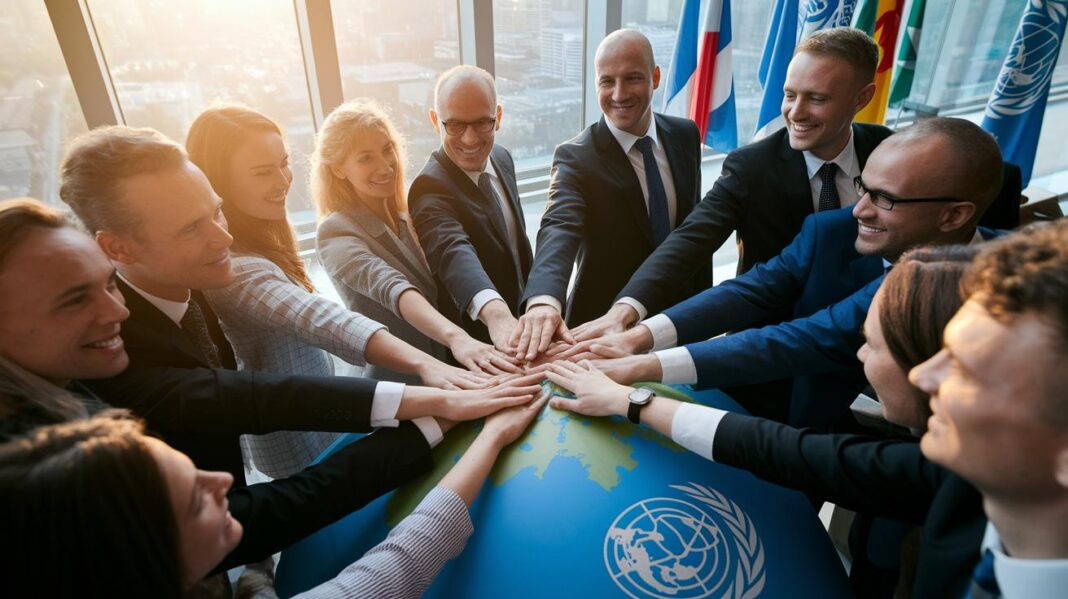
Ever wonder how countries join forces to tackle problems that cross borders? International groups help nations work together by setting simple rules, sharing resources, and offering fast support when times get tough. They address big issues like health, trade, and safety by pooling ideas and efforts. In this article, we explain how these groups make clear agreements that guide decisions affecting us all. This shows the power of teamwork on a global scale.
Defining International Organizations: Scope and Purpose
International organizations are groups made up of members from many countries. They work to set up systems that manage global issues and help people when needed. They let countries team up to face challenges that go beyond borders. For example, they change rules for economic growth, safety, health, and human rights.
These groups work across borders for a clear reason. They build simple rules that help different countries join forces on tough problems. This teamwork makes it easier to solve issues together. Their work can include peacekeeping, policy planning, and fast help during crises to keep nations stable.
With a reach that spans many lands, international organizations focus on clear and open work. They are set up by agreements that explain what each member should do. This mix of ideas helps shape decisions that affect the whole world. Their work builds a way of governance that unites efforts and works for lasting global change.
Types of International Organizations: Intergovernmental vs Non-Governmental
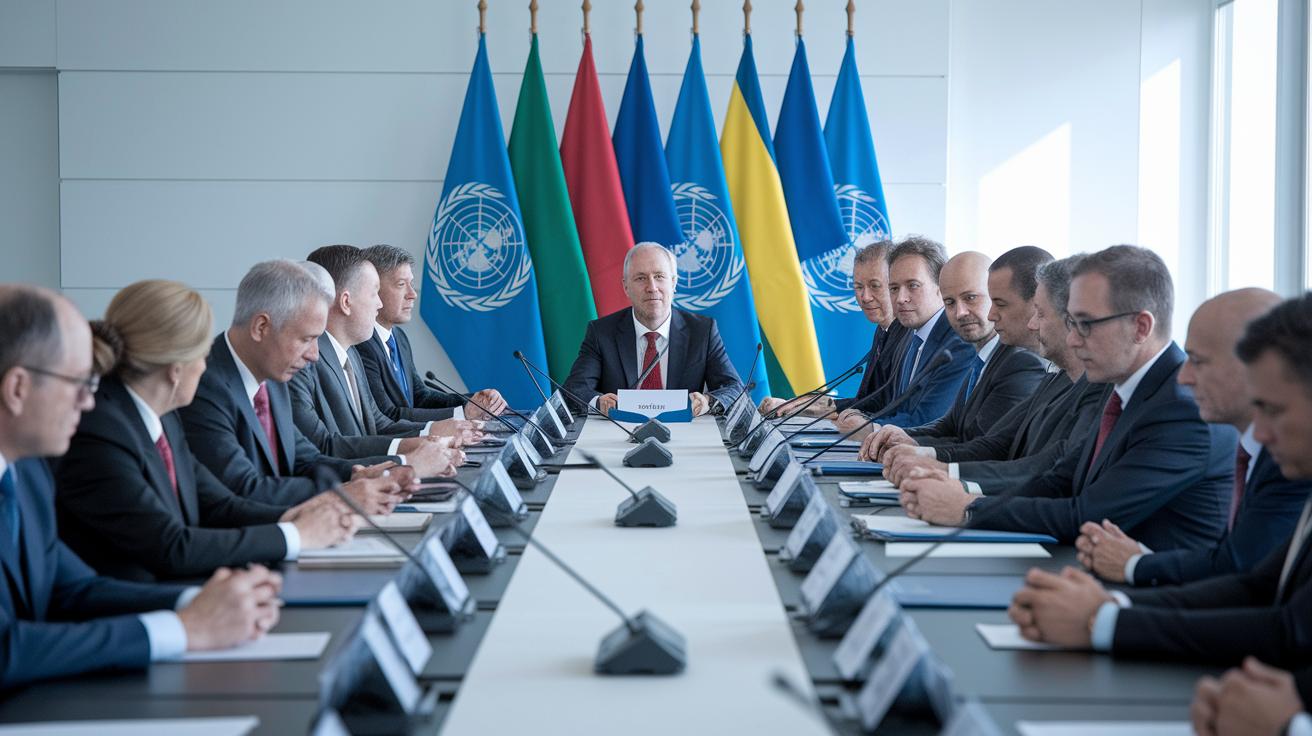
International organizations help countries and groups work together on global issues. They come in two main types based on who joins and how they are organized. One type unites nations through formal agreements to make treaties and policies, while the other is made up of smaller groups that offer fast humanitarian help. Both types play a key role in shaping international policies and response efforts.
Intergovernmental Organisations
Intergovernmental Organisations bring countries together under formal treaties to form decision-making bodies that focus on shared goals. Groups like the United Nations, OECD, OSCE, Council of Europe, EU, and WTO use established methods to work on trade, security, and human rights. Each member country keeps its own power while sharing some authority to handle issues that affect all. Their work is based on legal agreements between nations.
International Non-Governmental Organisations
International Non-Governmental Organisations build their own structures and usually get funding from donations and grants. Groups such as the International Committee of the Red Cross and Médecins Sans Frontières provide quick help during emergencies. They work outside the control of governments to supply immediate aid, like medical support and emergency relief. Their flexible approach lets them act fast when governments are too slow.
Core Functions and Roles of International Organizations
International organizations shape global policies and help countries work together on many issues. They create rules for humanitarian aid that assist nations during crises by providing health and social services. They also set up ways for countries to share ideas and coordinate actions. This teamwork helps manage disputes through dialogue instead of conflict.
Many groups focus on keeping peace in troubled areas. For example, the United Nations organizes peacekeeping operations to secure conflict zones. These missions offer safe spaces for civilians and help build trust among nations. This shared effort is key to stopping further violence and promoting lasting peace.
Trade rules and economic balance are also important. The World Trade Organization helps set up trade deals that lower barriers and open markets. At the same time, institutions like the World Bank offer loans and development support to help countries rebuild after disasters, improve infrastructure, and cut poverty.
Humanitarian aid is a top priority for international organizations. Agencies such as the World Health Organization give essential health advice, while others provide quick relief in emergencies. Together, these actions show a global commitment to protect lives and promote steady progress for all nations.
Prominent International Organizations and Their Membership
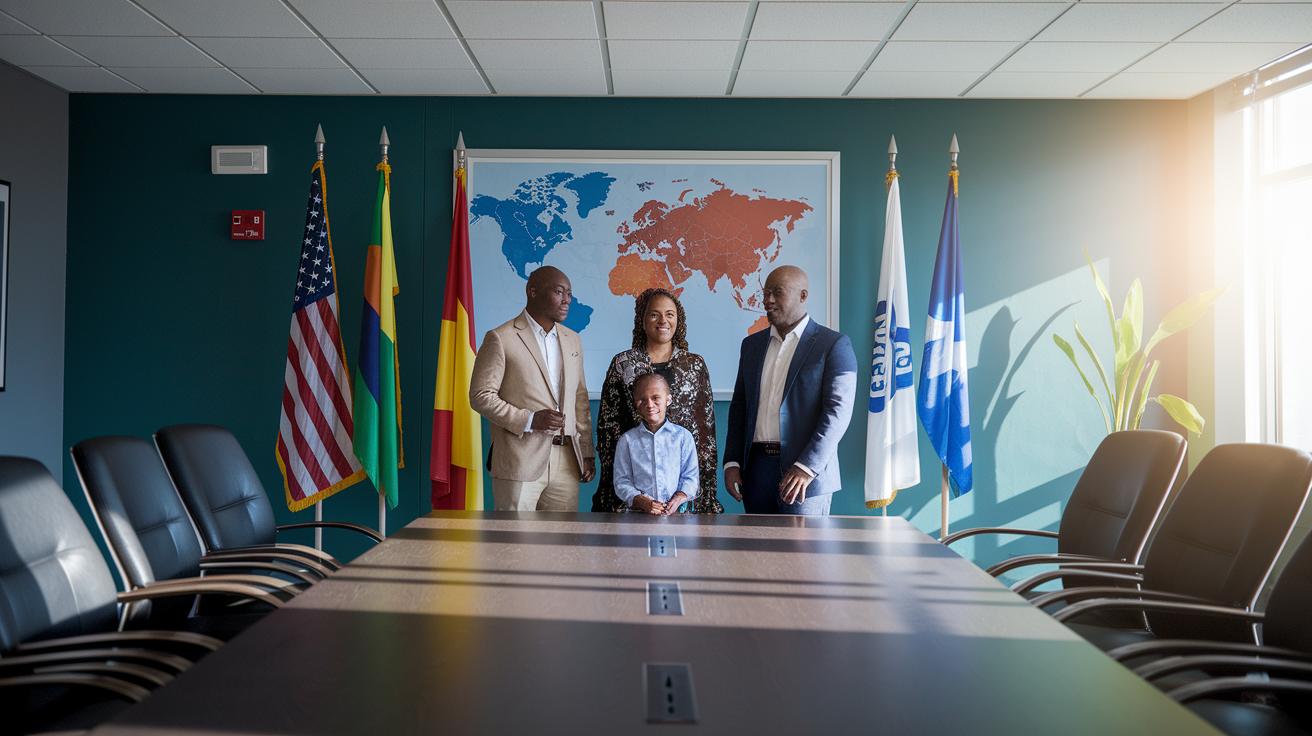
International groups give countries a way to tackle shared issues and set up common rules. Below are six key organizations that help keep the peace, boost trade, and improve health around the world.
The United Nations brings together 193 countries. It works to keep peace, provide security, and offer aid during crises through its many agencies and peacekeeping forces.
The World Trade Organization, with 164 members, makes and monitors trade rules. It resolves trade disputes and helps lower barriers to keep markets fair.
The World Health Organization unites 194 nations to guide global health efforts. It coordinates responses to disease outbreaks and sets health standards to protect people everywhere.
The World Bank Group is made up of five agencies and is supported by 189 countries. It offers loans and advice to support economic growth and reduce poverty.
The European Union consists of 27 countries. They work together on economic policies, rules, and regulations to speak with one voice in the world.
The International Committee of the Red Cross works globally in a unique way that does not depend on state membership. It offers humanitarian help in conflicts and disasters, staying neutral and fair.
| Organization | Members | Year Founded | Mandate |
|---|---|---|---|
| United Nations | 193 | 1945 | Peace and security, humanitarian aid |
| World Trade Organization | 164 | 1995 | Trade rules and dispute settlement |
| World Health Organization | 194 | 1948 | Global health and disease response |
| World Bank Group | 189 | 1944 | Development finance and technical support |
| European Union | 27 | 1993 | Regional integration and regulation |
| International Committee of the Red Cross | Worldwide | 1863 | Humanitarian relief and conflict assistance |
Membership Criteria and Funding Models in International Organizations
International organizations have clear rules for new members. They require countries to meet standards before joining. Nations must be recognized as independent states, agree to key treaties, and pay their dues. These rules make sure every member follows common obligations, which builds trust and cooperation. Some groups also balance representation by including countries from different regions and political backgrounds.
Funding comes from several sources. Most organizations collect fixed contributions from members. They also accept voluntary donations, use trust funds, or arrange member loans to support additional needs. This mix of funding helps them run projects and respond to emergencies, even when economic or political conditions change.
These bodies also use quotas to ensure fair representation across regions in their teams and decision-making groups. This system gives smaller or less-represented countries a voice. Together, these membership rules and funding methods show a strong commitment to transparency and accountability in global governance.
Assessing the Impact of International Organizations
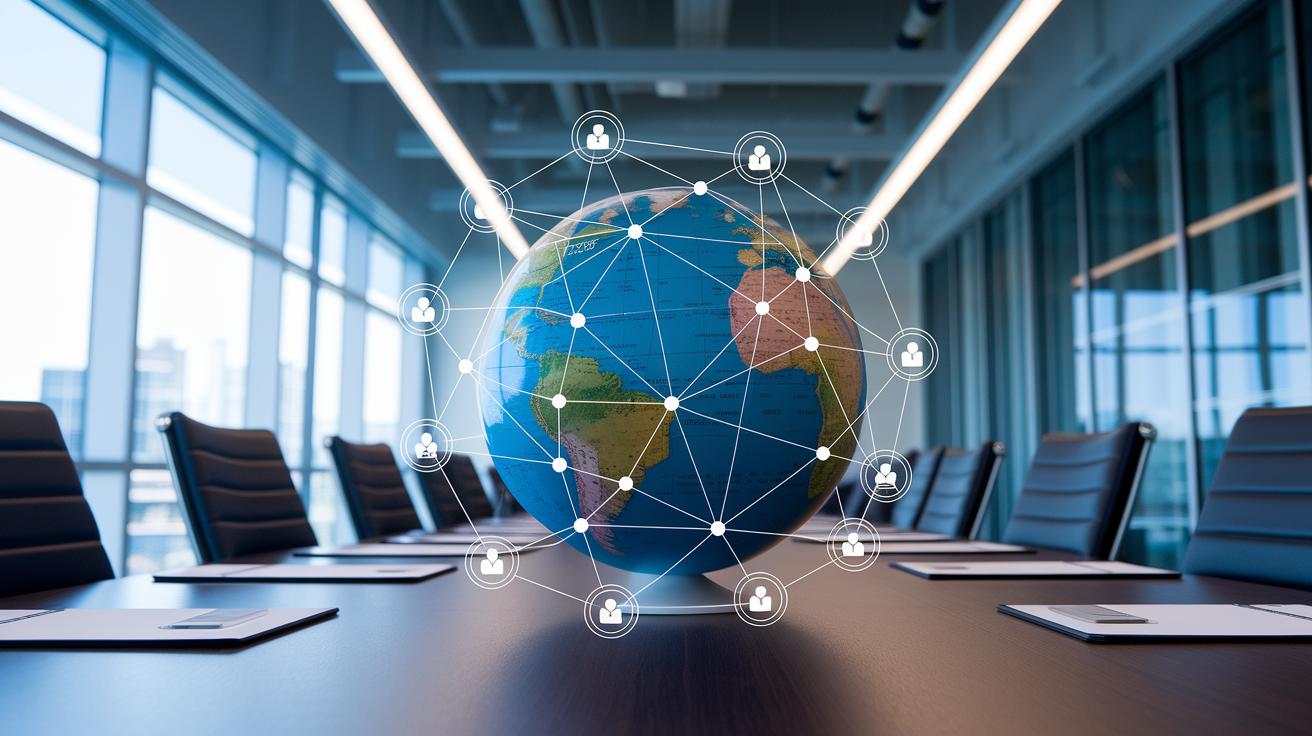
International organizations have improved lives with clear policy reviews and real results. The World Trade Organization cut tariffs from nearly 40% to under 5% in a few decades. This change shows that tweaking trade rules can boost global business and help economies grow.
Health outcomes have also seen big improvements through organized assessments. The World Health Organization ended smallpox in 1980. This success shows that coordinated global work, shared knowledge, and focused public health efforts can solve major challenges that once cost many lives.
World Bank programs have played a key role in reducing poverty. Since 1990, their projects have lowered extreme poverty from 36% to 9% by developing economic projects and building needed infrastructure. This progress proves that careful planning and investment by international organizations can bring lasting benefits to people's lives.
Ongoing reviews and impact assessments continue to shape policy around the globe. By studying the results of trade changes, health campaigns, and development projects, governments and international bodies keep improving their work. These lessons remind us that working together across borders brings real change for communities everywhere.
Current Challenges and Reform Trends in International Organizations
International organizations are getting a lot of criticism because they use old rules and make decisions slowly. This makes it hard for them to handle new global issues. For instance, the World Trade Organization (WTO) is struggling to keep pace with the rapid rise in digital trade, leaving many experts worried about its relevance. Meanwhile, the United Nations Security Council has a veto system that blocks quick joint actions, and the International Criminal Court (ICC) takes too long to deal with international crimes due to limited scope and slow procedures.
Many stakeholders now call for much-needed reforms that reflect today’s economic and political realities. They say that a modern system must distribute power more fairly across countries and update policies to include hot topics like digital trade. Proposals emphasize speeding up legal processes and improving global teamwork. Key areas for immediate action include:
| Area | Reform Focus |
|---|---|
| WTO | Modernize rules for e-commerce |
| UN Security Council | Reform veto power and membership |
| ICC | Expand jurisdiction and speed up case handling |
| Operational Efficiency | Address resource limits and enable rapid responses |
| Representation | Better include smaller nations |
| Transparency | Boost accountability and openness |
Officials agree that effective change requires a mix of political will, proper funding, and updated policies. The aim is to make international organizations more agile and ready to support strong, cooperative actions in an increasingly connected world.
Final Words
In the action, this article broke down how international organizations shape global policy and maintain cross-border governance. It covered organization types, core functions, and funding models. The discussion outlined how institutions manage crises with measurable impact on trade, health, and security. Challenges and reform trends also received attention, highlighting ongoing efforts to update outdated rules. The insights offered here empower readers to better understand the role of international organizations in a fast-changing world. Stay informed and ready for what lies ahead.
FAQ
What do international organizations notes refer to?
International organizations notes refer to summaries and documents that explain the structure, roles, and functions of global bodies, often used for academic or professional research.
What is a list of international organizations and their functions?
This list includes groups such as the United Nations, World Trade Organization, World Health Organization, World Bank Group, European Union, and International Committee of the Red Cross, each handling global policy, trade, health, finance, and humanitarian work.
What are the six key international organizations?
The six key international organizations typically include the United Nations, World Trade Organization, World Health Organization, World Bank Group, European Union, and the International Committee of the Red Cross, which lead in global policy and humanitarian efforts.
What are the types of international organizations?
International organizations come mainly in two types: intergovernmental organizations with state members and treaty-based rules, and non-governmental organizations that operate independently on humanitarian and advocacy matters.
What do international organizations flags represent?
International organizations flags represent the identity, mission, and shared values of the groups, often used during official meetings and ceremonies to symbolize global unity and purpose.
What are international organizations notes PDFs?
These PDFs are digital documents that provide detailed overviews of international organizations, covering their history, purpose, membership, and operational procedures.
What are international organizations journals?
International organizations journals are periodicals that publish research, policy analyses, and news updates focused on the activities, effectiveness, and challenges of global bodies.
How many international organizations are there?
There are hundreds of international organizations that operate globally, covering various areas such as economic cooperation, health, human rights, and trade regulation.
What are examples of international organizations?
Examples include the United Nations, World Trade Organization, World Health Organization, World Bank Group, European Union, and the International Committee of the Red Cross, all playing vital roles in global affairs.
What are the 15 agencies of the UN?
The UN system comprises several specialized agencies that address topics like health, labor, education, and culture, with detailed lists available within official UN publications.
What is the biggest international organization?
The United Nations is considered the largest international organization due to its membership of 193 countries and its broad scope in addressing global issues.