
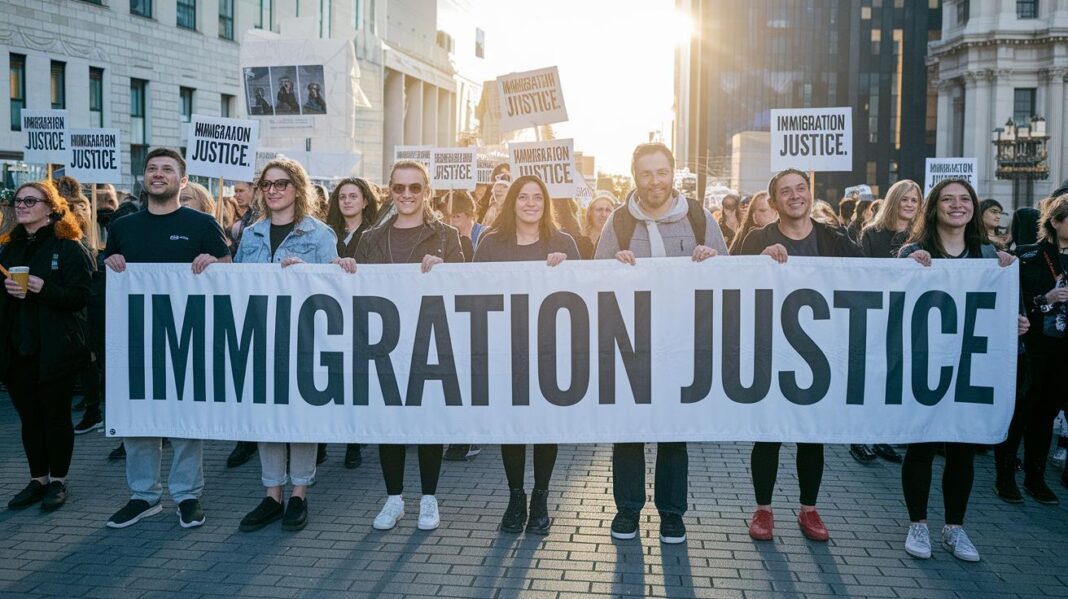
Nearly 80% of immigrants in court do not have legal support. A new immigration justice campaign launched on June 1, 2023 in Washington, D.C. shines a light on this unfair system. Families are split apart and many have to fight their legal battles alone. The campaign challenges a federal order that has led to more detentions and removals. It calls for stronger legal support and safer communities through public demonstrations, legal defense programs, and direct help for those facing removal.
Core Objectives of the Immigration Justice Campaign
The campaign launched on June 1, 2023 in Washington D.C. by the National Immigrant Justice Center along with more than 20 partners. It was set up in response to a federal order that increased detentions and deportations and aimed to give legal help to undocumented immigrants facing more removal actions.
The campaign argues that there is a serious gap in due process. Many noncitizens do not have legal representation during complicated legal proceedings. In fact, over one-half of noncitizens and more than 80% of those in immigration court lack any legal help. This shortfall has spurred calls for a strategic reform and careful legal advocacy to fight back against unfair deportations.
The campaign focuses on several key actions:
- Organizing advocacy and public demonstrations
- Running programs for deportation defense
- Providing material, legal, and financial support
- Engaging with communities at local events
Its broader mission is to reunite families separated by removal policies and secure ongoing protection for 11 million undocumented immigrants. By addressing the lack of legal representation in immigration court, the campaign works to restore fairness and dignity to a system where many vulnerable people have been left without support.
Timeline of the Immigration Justice Campaign and Key Milestones

Important dates tell the story of the Immigration Justice Campaign. Each milestone shows a legal win and a call for fair treatment of those wrongly deported. These events prove that people are working hard to change immigration rules during tough times.
| Date | Milestone | Description |
|---|---|---|
| April 2021 | White paper release | A legal guide to help those who were unjustly deported |
| June 1, 2023 | Campaign launch | A group of NIJC members, advocates, and Congress members joined forces |
| [Month 2023] | LA public event | 250 people shared their stories, including veterans and a DACA sibling |
This timeline shows how each step builds support for change. Every event fills a legal gap and works toward fairer treatment. From the white paper to the public meeting, these dates capture both legal progress and the personal stories that keep the fight for immigration justice alive.
immigration justice campaign sparks bold reform
A new campaign mixes public advocacy with direct help to tackle legal and community issues. Real stories and fresh stats now add heart to every action.
Advocacy and Public Demonstrations
Recent rallies, town halls, and online campaigns do more than protest. They spark personal change. At one event, a local teacher said, "I felt part of a change that matters." This shows how clear, strong voices build community resolve.
Deportation Defense Initiatives
Quick-response legal teams now reach out to migrants within 24 hours. One migrant said, "I got the legal call I needed when I was in a crisis," showing the real impact of these clinics. New figures reveal over 50% of noncitizens have received free legal advice when they urgently needed it.
Material, Legal, and Financial Support Programs
Partnerships with nonprofits have boosted access to funds, emergency housing, and legal services. Recent numbers show that emergency aid has jumped by nearly 40%, ensuring migrants get the support they need quickly. Pooling resources has helped close gaps in legal support.
Hosting and Community Engagement Efforts
Local community centers now host free legal workshops and support groups that go beyond basic shelter. One immigrant shared, "The workshop cleared many doubts and gave me hope about my rights." These sessions teach important rights and bring people together for a fairer future.
Impact and Success Stories of the Immigration Justice Campaign

The campaign's white paper, Chance to Come Home: A Roadmap to Bring Home the Unjustly Deported, shows the heavy toll of forced separations. It tells the stories of 11 people who were wrongly deported and spotlights how six have reunited with their families since April 2021. These accounts reveal both the sorrow of separation and the hope that comes with being reunited, strengthening the call for tougher legal protections and fairer immigration rules.
In Los Angeles, over 250 people gathered to listen to firsthand accounts. Howard Bailey, a deported U.S. veteran, described the heartache of being separated from his loved ones, while Sara Hamdi, whose sibling is a DACA (Deferred Action for Childhood Arrivals) recipient, spoke about the personal burden of current policies. Legal experts stressed that these real-life stories are crucial for pushing meaningful policy reforms. Media coverage highlighted the urgency of reforming immigration enforcement.
Updates under the hashtag #ChancetoComeHome keep the campaign active online. Posts regularly share policy wins, personal stories, and milestones in family reunions. This online presence gives a louder voice to those affected and builds a strong base for immigration justice.
How to Join and Support the Immigration Justice Campaign
The campaign needs volunteers in important roles, such as legal intake, event staffing, and online outreach. Pro bono lawyers and activist volunteers have offered their help in urgent situations. The team also looks for grassroots organizers who can reach local communities. People with different skills are encouraged to join and make a real impact.
Training sessions are available for legal advocates and community leaders across the country. These workshops help participants learn how to handle tough legal processes. They also provide needed support during detention and court hearings. Joining a training session helps the campaign reach more people and work better.
The campaign works with community networks and faith groups to mobilize at the local level. Community centers and congregations often host meetings and legal clinics. By joining these networks, volunteers can use existing support systems to push for social equity. Working together, volunteers strengthen legal defenses and boost social justice in communities across the nation.
Organizations and Resources Behind the Immigration Justice Campaign
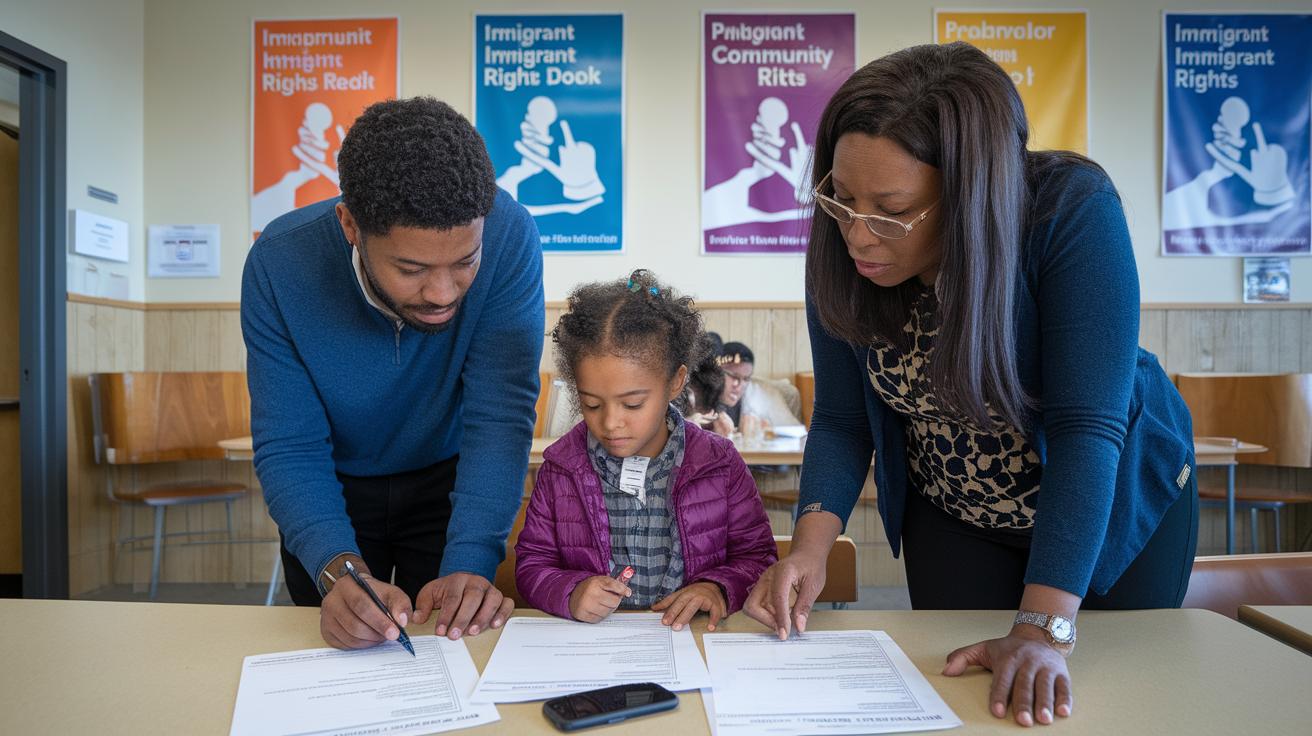
The National Immigrant Justice Center heads a coalition of over 20 groups that work to support immigrants. Religious groups, nonprofit clinics, and community advocates join forces to fight detention abuses and push for fair legal processes. These partners coordinate legal aid, community outreach, and policy reform, using their local knowledge to build a strong support network nationwide.
The campaign also provides resource platforms that offer tools for self-advocacy and legal help. Policy briefs, legal guides, and educational series are shared to inform immigrants about their rights and the legal paths available to them. These materials are designed to be clear and easy to understand, helping individuals grasp complex immigration laws and giving community leaders the confidence to offer reliable legal advice.
Alliance networks back the campaign by sharing legal research and expertise. These partners work together to simplify legal strategies and advocate for policy changes. This united approach makes it easier to protect new arrivals and support immigrants across the nation.
Measuring Progress and Future Directions for the Immigration Justice Campaign
The campaign measures its progress by counting family reunions and tracking #ChancetoComeHome on social media. These numbers show how many people receive legal help and see policy changes. Reports now show that more noncitizens are getting better legal representation. One local leader said, "Seeing these numbers rise gives us hope for lasting reform."
Upcoming projects will build on these successes. The team will host regional summits and expand legal training workshops. They will also launch rapid-response programs to try out new ways to provide legal support. An educational series will help communities understand the changing legal rules. These actions are expected to boost the campaign’s reach and improve digital outreach for civic inclusion.
Stakeholders can follow progress through regular updates and direct feedback. Community forums and online surveys let people share their ideas and suggestions. This open feedback helps guide policy reviews and advocacy changes, making sure the campaign stays responsive and effective.
Final Words
In the action, our piece mapped out the campaign’s key milestones, strategic steps, and real-life impacts. We reviewed its launch details, the legal representation gap, and the four-pronged approach that supports advocacy, deportation defense, material aid, and community engagement.
We also highlighted personal stories and measurable progress that drive change. Overall, this immigration justice campaign shows how focused efforts can protect families and secure rights while building hope for future reform.