

Ever wonder how one gadget can handle your calls, take photos, and track your health at the same time? This happens because different tech fields like nanotechnology (tiny machine parts), biotechnology (health tech using biology), and information technology (computers and networks) work together as one. This blend lets devices get smarter and faster by sharing data right where it's needed. In this post, we explain how simple yet powerful ideas combine to turn everyday tools into assets that boost efficiency in many industries.
Understanding the Scope of Tech Convergence
Tech convergence brings together areas like nanotechnology, biotechnology, information technology, and cognitive science. It makes different technologies work as one to build products and services that do many jobs at once. By joining these separate fields, devices become smarter and more efficient.
This approach uses artificial intelligence, edge computing (processing data near the source), and data-in-motion to cut delays and speed up processing. It allows gadgets to communicate directly, reducing the need for a large, central system.
Here are a few examples:
- A smartphone that handles messaging, high-resolution photos, and biometric security.
- A home assistant that uses voice recognition to control smart-home devices and share real-time weather updates.
- A wearable gadget that monitors health, sends instant alerts, and uses location services.
In simple terms, this digital evolution makes complex tasks easier for users. It paves the way to a future where smart, adaptable devices lead the way.
Core Components Driving Tech Convergence
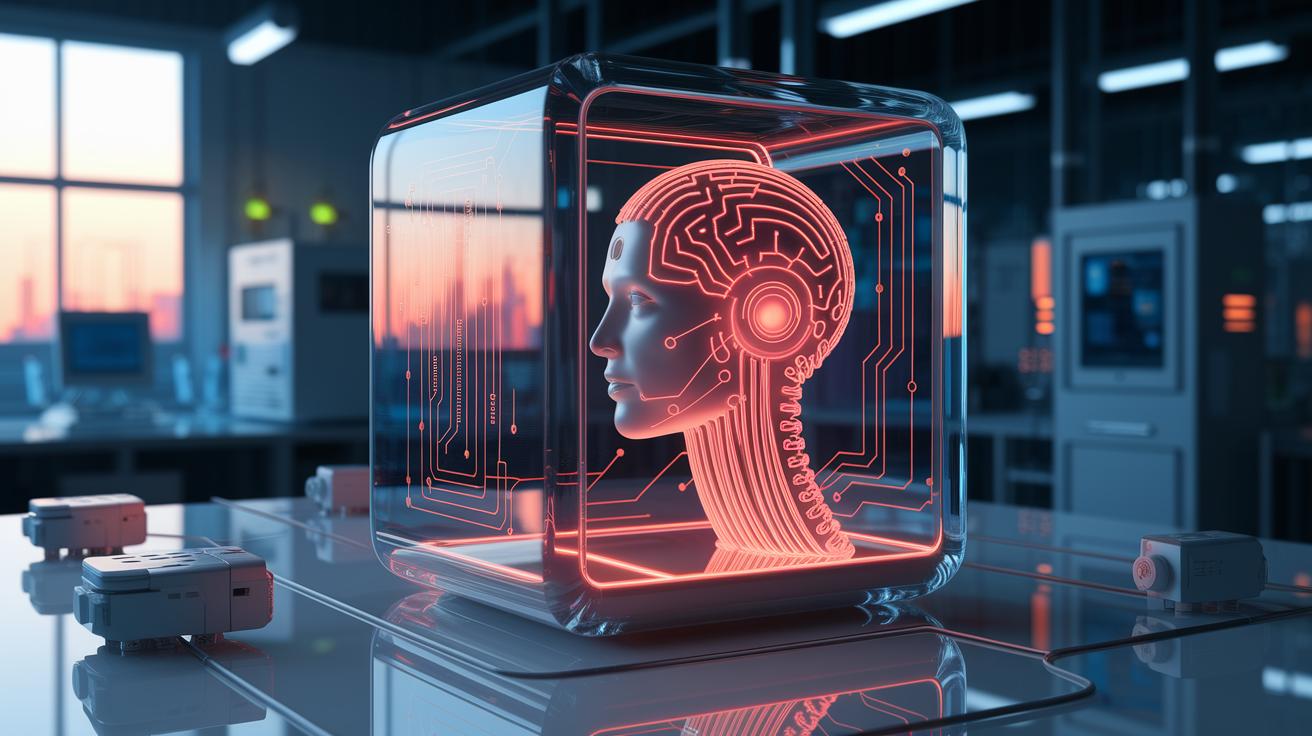
Artificial intelligence does many jobs, like learning, reasoning, and understanding language. These systems study huge amounts of data to find patterns and make decisions much like humans do. For example, before handling tough commands, an AI system reviews past data. This approach helps devices make smarter choices.
Edge computing processes data close to where it is made. It cuts down wait times and speeds up responses by avoiding the need to send data back to a central server. Think of it as a local repair shop that fixes problems right away instead of waiting for parts to arrive from far away. This makes critical systems run more smoothly.
Data in motion sends and processes information as it moves between devices. This steady flow allows systems to update and adjust quickly. Picture a sensor that instantly alerts a maintenance team when something is wrong. Such real-time alerts can help prevent dangerous delays.
Bringing these technologies together is vital in situations that need split-second decisions, such as autonomous vehicles in busy traffic. Each part works to manage large amounts of data quickly and efficiently.
In sum, artificial intelligence, edge computing, and data in motion form a strong framework for near-instant decisions and smoother processes. Their combined power changes how systems work across industries and paves the way for smarter gadgets and sensor networks that drive innovation.
Emerging Trends and Strategic Drivers in Tech Convergence
Market pressures are pushing tech companies to link devices more closely. Firms are moving to next-generation device unification to boost performance and cut costs. Edge AI (artificial intelligence that runs on local devices) and federated learning (a way to train algorithms across devices) let companies rely less on traditional cloud systems. This shift opens new paths for both consumer and industrial applications that process data in real time.
New on-device tools are changing how companies connect their gadgets. Manufacturers blend these tools with Internet of Things (IoT) systems to gain continuous, real-time insights across networks. In fields like healthcare and logistics, these methods help spot problems before they become serious. Projects that merge smart sensors with control systems show a clear push for deeper tech integration.
Many firms are also putting money into IoT platforms powered by AI. This blend provides steady data streams that help optimize performance on the fly. Companies see connecting devices as a key strategy to stay competitive in a fast-changing digital world.
Market leaders now focus on cloud innovations that support scalable and unified architectures. By emphasizing integrated device unification and ongoing tech synchronization, they are paving the way for efficient, connected digital futures.
Real-World Case Studies of Technology Convergence

Tech convergence is changing everyday systems in many fields. By blending artificial intelligence (smart software), local processing (computers working where data is collected), and steady data flows, we are seeing faster responses and smoother operations. Below are four clear examples of this technology mix in action.
Smart Cities: Real-Time Traffic and Energy Optimization
City officials now use smart systems to control traffic lights and energy grids. Sensors adjust signals to ease traffic and keep track of energy use to reduce waste. One local government noticed smoother traffic and lower energy bills after upgrading its systems.
Industrial IoT and Predictive Maintenance
Factories now use tech platforms that watch machinery in real time. Sensors spot problems before they turn into serious issues and alert repair teams. This method has cut downtime by up to 30%, helping factories run more efficiently and lowering repair costs.
Autonomous Vehicles and Local Sensor Processing
Self-driving cars now use onboard computers to process sensor data in real time. This lets vehicles quickly detect obstacles and adjust speed to boost safety. A recent case showed that this system is key to protecting both passengers and pedestrians.
Chat Commerce: Unified Customer Interfaces
Retailers are now combining SMS, automated responses, call support, and payment processing into one simple system. This fusion makes customer interactions smoother and faster. One chat commerce platform helped a business cut response times and increase sales.
Together, these cases prove that mixing different technologies leads to better operations, faster decisions, and greater efficiency across many industries.
Industry Impact of Tech Convergence Across Sectors
Tech convergence is changing how industries work around the world. Companies mix advanced digital tools with daily tasks to boost efficiency and performance. This blending of tech helps every part of the economy.
In healthcare, artificial intelligence (AI) and internet-connected sensors allow doctors to monitor patients from afar. Medical teams get live data that helps them make better care decisions.
In agriculture, drones, AI image analysis (using computers to study images), and blockchain (a secure digital record) work as a team to check the supply chain. Farmers use these tools to manage their resources and grow better crops.
In retail, mobile payments, augmented reality (AR) tools that let customers see products digitally, and data analysis create a personal shopping experience. This helps stores connect with shoppers and grow their sales.
In manufacturing, robots, sensor networks, and cloud systems work together to improve output and quality. Factories can run smoother, cut downtime, and keep production steady.
These examples show how blending tech makes progress in many fields. Digital transformation is speeding up as connected systems make businesses more efficient and innovative. With integrated tech, companies can quickly fix problems and stay ahead of the competition. The benefits of tech convergence lead to better customer experiences, eco-friendly practices, and stronger results in healthcare, farming, retail, and manufacturing. This change covers the whole economy and keeps businesses flexible and ready for new challenges.
Challenges and Considerations in Tech Convergence

When many devices share sensitive information, it creates privacy and security risks. Large amounts of data pass between gadgets, which can lead to leaks and exposure of personal details. Planned obsolescence (designing products to last less time) makes people replace devices faster. This change increases electronic waste and puts extra pressure on our natural resources.
Some communities lack proper access to these new technologies. They risk falling behind on important advancements. The growing demand for energy also becomes a concern. We must adopt eco-friendly designs and better recycling practices to ease the environmental impact.
To solve these issues, stronger rules and new tech solutions are needed. Cybersecurity groups are working together to fight data breaches and prevent spying. Many companies are now building longer-lasting devices and improving recycling methods to cut down on waste. At the same time, projects like community internet centers and affordable device programs are aiming to bridge the digital gap. These actions, along with energy-saving innovations, help manage tech convergence in a safe and sustainable way.
Future Roadmap and Outlook for Tech Convergence
Tech convergence will change industries by merging smart devices and smooth data flows. This roadmap outlines steps to explore new tech frontiers that go beyond today's device limits.
Next-gen AI chips and advanced edge processors will boost on-device performance. These improvements help devices run faster and smarter. They process data right where it is made. Imagine a sensor-driven device that decides instantly, raising efficiency in many fields.
Edge-native AI and federated learning will cut the need for central cloud systems. By letting devices learn on their own, these methods reduce delays and support scalable apps. This approach puts intelligence exactly where it counts.
A key milestone is set for Feb. 2, 2024, with the rollout of large edge networks. This moment marks a turning point that will drive advances in health care, farming, and logistics by 2030 based on clear roadmap insights.
The future looks bright with trends that mix local processing power and new tech exploration to bring big changes to many industries.
Final Words
In the action, we explored how tech convergence merges nanotech, biotech, IT, and cognitive science into seamless products and services. We broke down its core components like AI, edge computing, and data-in-motion, and showcased real-world examples spanning healthcare, smart cities, retail, and manufacturing.
We also examined emerging trends and challenges while highlighting the strategic role of digital integration. Embracing tech convergence promises smarter, more efficient systems and a future full of possibility.
FAQ
What are some examples of tech convergence?
Tech convergence examples combine fields like AI, IoT, and sensor networks in smart cities, retail systems, and industrial applications to create unified, multifunctional solutions.
What do tech convergence 2021 and 2022 trends show?
Tech convergence in 2021 and 2022 shows a move toward merging AI, edge computing, and real-time data. These trends streamline operations and boost efficiency across various sectors.
Which companies lead in tech convergence?
Tech convergence companies lead by integrating advanced digital technologies with AI and sensor networks. They drive innovations that reshape industries like healthcare, manufacturing, and urban development.
What does a technology convergence report or PDF cover?
A technology convergence report or PDF provides insights into the merging of digital systems, outlining trends in AI, edge computing, and case studies on how these integrations impact markets.
What do you mean by technology convergence, especially in media?
Technology convergence in media means blending traditional, digital, and social platforms. This unites content distribution, real-time data, and interactive strategies to enhance audience engagement.
What are the 3 C’s of technological convergence?
The 3 C’s of technological convergence refer to computing, connectivity, and content. Each represents a vital component that, when integrated, creates seamless digital experiences.