

Ever wonder what it takes to work undercover? An investigator watches closely, researches well, and moves smartly to uncover hidden truths. They check online clues, review public records, and follow subjects to build strong cases. Every detail counts when lives or businesses are at risk.
This article looks at a career that mixes fieldwork with technical know-how. It explains how these professionals fight fraud, crime, and more. Enjoy these career insights that might change how you see investigative work.
Key Responsibilities of an Undercover Investigator
Undercover investigators gather strong evidence and build smart intelligence. They use surveillance, online research, and more to follow cases such as missing persons, insurance fraud, corporate spying, and infidelity. They plan every step to stay within the law since they do not have the power to arrest or detain anyone.
They lean on open-source intelligence (OSINT, which means gathering data from public sources like Facebook, Twitter, and LinkedIn), public records, and financial data reviews to put together detailed profiles. Their work requires skill and care because even a small mistake can hurt the whole investigation.
- Perform physical and technical surveillance
- Check social media and online footprints
- Look up and study public records
- Monitor financial transactions
- Interview willing individuals
- Work with law enforcement agencies
- Create and present detailed reports
Every task is key to painting a full picture of a case. By carefully collecting evidence and watching targets, undercover investigators make sure that each piece of intelligence is both useful and legal. This method helps them build strong cases that support law enforcement or help private clients deal with issues, from corporate fraud to personal conflicts. Their blend of on-field work and technical checking drives investigations forward with clear and actionable insights.
Types of Undercover Investigator Assignments

Undercover investigators work on various assignments to collect key evidence in real time. They use secret methods to blend into different settings and gather what they need without being noticed. Their work covers issues from workplace misconduct and corporate fraud to personal relationship matters and animal welfare, all while keeping the evidence legally sound.
Corporate and Financial Fraud Infiltration
Some investigators go undercover by posing as employees or contractors to root out fraud. They use hidden cameras and record internal conversations to uncover acts like embezzlement, kickbacks, and intellectual property theft. This approach captures strong evidence that can lead to legal action.
Example: One investigator, acting as a trusted insider, recorded emails that later exposed a major embezzlement scheme.
Organized Crime Undercover Operations
In cases of organized crime, operatives insert themselves into criminal groups to map out their structure, track money trails, and identify key figures. They combine traditional observation with digital tools to record illegal transactions. This careful work builds the evidence law enforcement needs to act.
Example: While blending into a notorious gang, an agent gathered crucial details that helped dismantle the network.
Infidelity and Personal Relationship Probes
When it comes to personal cases, investigators use covert tactics to monitor subjects and gather clear photographic proof. They blend into social scenes and keep a low profile while collecting evidence to confirm suspicions in sensitive matters.
Example: An undercover agent followed a subject and captured clear images of secret meetings, confirming suspicions of infidelity.
Animal Rights and Welfare Investigations
Investigators working on animal rights cases operate undercover in farms, shelters, and similar settings. They use hidden cameras and discreet interviews to document any mistreatment without tipping off those responsible. This secretive work helps build convincing cases that can lead to criminal charges.
Example: A covert operative spent days at a facility, recording footage that eventually led to criminal charges.
Essential Training and Skills for Aspiring Undercover Investigators
Those looking to become undercover agents start with courses in open-source intelligence (OSINT), geospatial intelligence, dark-web forensics, and data-mining. These classes mix classroom theory with hands-on practice, where trainees set up surveillance and take part in role-playing exercises to follow legal rules. For example, one trainee might track a digital trail in a simulation to uncover a fake fraud case.
Earning professional credentials is also very important. Many programs offer secret training that helps candidates meet certification and licensing rules. In some areas, like South Africa, agents must join regulatory bodies such as PSiRA. This training makes sure they know the legal limits and ethical rules of undercover work.
Field training focuses on building real-world skills. Trainees practice methods such as disguise techniques, live observation, and discreet calls with law enforcement partners. They learn that a career in undercover work needs both technical know-how and soft skills like clear communication, patience, and strong critical thinking.
Legal and Ethical Boundaries for Undercover Investigators

Undercover investigators work under strict legal limits. They gather evidence by searching public records, talking to witnesses who agree to share information, and using GPS tracking when given clear consent. Every action must follow surveillance laws and rules for secret data collection.
All methods face review by professional groups like PSiRA. For example, investigators can use OSINT research (gathering information from open sources like social media) to learn background details. They must not hack into private accounts or use hidden software to break into personal data.
Breaking these legal lines can lead to serious problems. Evidence may be thrown out and investigators may face criminal charges. Acting ethically is key to a successful investigation and to protecting the rights of everyone involved. Even small mistakes can have big costs.
| Legal Activities | Illegal Activities |
|---|---|
| Social media analysis | Hacking private accounts |
| Public-records search | Trespassing on private property |
| GPS tracking with consent | Installing trackers without permission |
| OSINT research | Unauthorized data breaches |
| Voluntary witness interviews | Coercive questioning |
| Collaboration with law enforcement | Provoking targets |
Sticking to these boundaries is crucial for fairness and legal strength. When investigators follow the rules, their evidence stays valid in court and trust grows in their work.
Career Path and Compensation in Undercover Investigation
Entry-level undercover jobs often start as field operatives or research assistants in law enforcement and private firms. New investigators typically earn between $40,000 and $80,000 yearly. For instance, a fresh investigator might work as a research assistant right after training before taking on tougher assignments. In these early stages, agents must adapt quickly and learn on the job, building skills that set them up for more challenging missions.
As agents gain experience, new opportunities open up in corporate intelligence, insurance fraud detection, and security consulting. Those with more experience can move into senior roles where salaries often top $100,000 a year. The demand for good evidence collection and legal know-how makes career growth steady and rewarding. This gradual path shows how real work experience directly influences pay in the undercover investigation field.
Key certifications and advanced tactical training are vital for moving up. Getting state private investigator licenses and specialized training helps agents stick to legal and ethical rules. It also boosts their pay potential. With strong credentials, agents are better equipped to handle complex tasks, leading to more job opportunities and higher salaries.
Technological Tools and Surveillance Techniques for Undercover Investigators
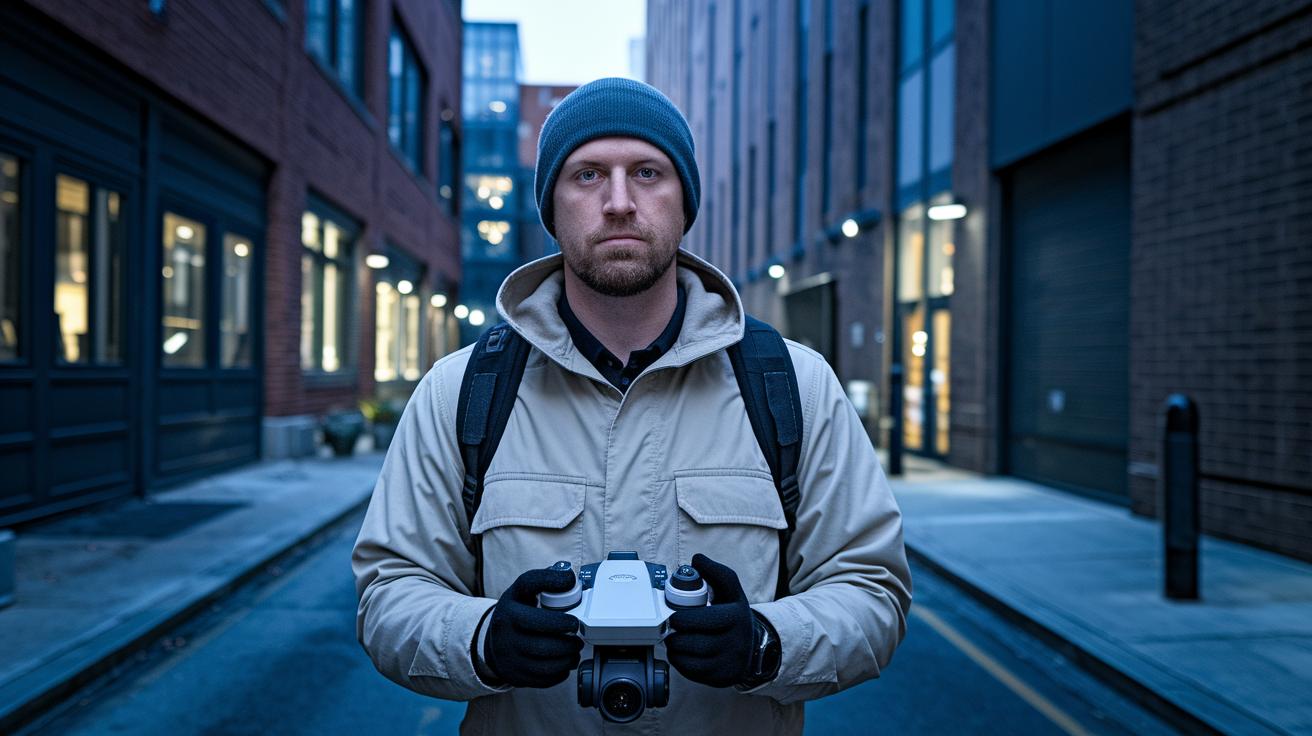
Undercover investigators use high-tech tools to collect proof while staying hidden. They blend old-school gear with digital methods to build strong, legal cases. Tools like GPS trackers (which are only used with client approval), drones, and hidden cameras record real-time events. Digital tools, such as encrypted messaging apps and data-mining software (which finds useful patterns in large amounts of data), help analyze details fast. For example, an investigator can use geotagged photos to lock in a subject’s location.
Physical Surveillance Devices
Physical devices play a big part in gathering live evidence. Hidden cameras, drones for sky views, and modern GPS trackers capture clear images and record movement on site. These tools work with careful field observations to turn brief moments into solid proof. For instance, a GPS tracker can log a vehicle's route and provide the detailed record needed to back up a case.
Digital Monitoring Platforms
Digital platforms are vital for following online actions and social media activity. New wireless tools widen the scope of secret operations by capturing online data from websites and social networks. Encrypted messaging apps keep team and client communications private. An investigator can piece together a suspect’s online habits using these digital tools, confirming ties that support the investigation.
Data Analysis and Encryption Tools
Data analysis tools turn large sets of information into clear, actionable insights. Data-mining software and encryption programs protect sensitive information while revealing patterns in geotagged photos and metadata. Investigators can use small digital clues to convert raw numbers into solid proof that stands up in court.
Real-Life Case Studies by Undercover Investigators
In one case, an investigator joined an R&D department as a new contractor. The operative attended closed meetings and saved emails that revealed secret talks about new projects. Their covert actions built a strong paper trail that later supported a successful patent infringement lawsuit. By blending into the office, the agent secured digital evidence without drawing attention.
In another case, investigators solved a missing-person case using geotag data from social media posts. They tracked the subject with discreet field surveillance and followed digital footprints to identify familiar spots. This undercover work pinpointed the person’s regular locations and gave law enforcement clear details to speed up the search, ultimately reuniting the missing person with loved ones.
At a mid-sized firm, an undercover agent exposed internal financial fraud. Posing as a trusted insider, the operative attended key transactions and recorded details of payment irregularities and suspicious financial records. Their stealth techniques uncovered differences in the firm’s accounts, revealing unauthorized transfers. These findings led to a thorough audit and legal action against those involved.
In another case, investigators targeted an animal cruelty ring. An agent made undercover visits to breeding facilities and used hidden cameras to capture poor living conditions and abuse of animals. By uncovering illegal trade secrets in the sector, the operative gathered clear visual evidence of systematic mistreatment. This proof resulted in criminal charges and led authorities to shut down operations that had long escaped regulatory oversight.
Final Words
In the action, the blog post broke down the key tasks of an undercover investigator. It covered duties like physical surveillance, analyzing social footprints, and gathering intelligence from public records.
The article showed how various assignments, training paths, legal limits, career steps, tech tools, and real-life examples work together.
Each piece helps build a clear picture of what it takes to succeed in this field. Stay ready and optimistic as you apply these insights.
FAQ
What are the key responsibilities of an undercover investigator?
The key responsibilities include conducting physical surveillance, analyzing social media, searching public records, monitoring financial activity, interviewing participants, collaborating with law enforcement, and compiling clear, detailed reports.
What common assignment types do undercover investigators handle?
Undercover assignments cover areas like corporate fraud, organized crime, infidelity investigations, and animal welfare probes. Investigators use covert techniques, such as blending into roles and employing hidden cameras, to collect solid evidence.
What essential training and skills are needed for undercover investigations?
Essential training includes courses in OSINT, geospatial intelligence, and role-playing exercises. Investigators build skills in critical thinking, patience, and clear communication to complete tasks and work legally.
What legal and ethical boundaries must undercover investigators follow?
Investigators operate within legal limits by using authorized methods like public records and consented GPS tracking. They avoid trespassing, unauthorized surveillance, and other actions that could lead to criminal charges and evidence issues.
What is the career outlook and typical compensation for undercover investigators?
Careers in undercover investigation often begin with salaries from $40,000 to $80,000 in the U.S., with experienced roles sometimes exceeding $100,000, reflecting a growing demand in both private and public sectors.
How do technological tools enhance undercover investigations?
Technological tools like GPS trackers, drones, covert cameras, and digital analysis platforms help investigators conduct effective surveillance, gather evidence securely, and analyze data accurately during their operations.
What real-life cases illustrate the work of undercover investigators?
Real-life cases include exposing corporate espionage, locating missing persons through geotagged social media, detecting internal financial fraud, and uncovering animal cruelty, all achieved through careful covert operations and digital analysis.