

Are prices about to change? Recent figures show inflation falling from 3.0% to 2.7%. This drop gives hope that prices will soon stay steady. Stable tariffs and planned rate cuts have experts saying that 2024 and early 2025 may be much calmer. Job data and steady trade rules suggest a smoother economic road ahead. Read on to learn how these trends could affect your buying power.
Projected Inflation Outlook: Forecasts for 2024 and 2025
In November, the inflation rate fell from 3.0% to 2.7%. Experts say the shorter survey period affected this drop. More reliable data will come when December's prices are released on Jan. 13. The small dip hints that prices might soon level off.
Key factors in the short-term forecast include a steady tariff rate of 17.4% on imported goods, the same rate as last year. The Federal Reserve plans to cut rates by 25 basis points in September and again in December to boost growth. Policy makers are keeping a close eye on hiring because job data heavily influences inflation.
- Year-end 2024 CPI outlook: Analysts predict consumer prices will fall steadily by the end of 2024.
- Q1 2025 trajectory: Early forecasts show stable, controlled inflation in the first quarter of 2025.
- Anticipated Fed rate cut dates: Rate cuts scheduled for September and December aim to keep the economy moving.
- Tariff stability effects: The fixed 17.4% tariff suggests trade rules will not add extra pressure on prices.
- Labor-market influences: Hiring trends are expected to guide future inflation changes.
These factors come together to create a useful outlook. While short-term changes may look dramatic, the overall trends point to a steadier price environment as we move into 2025.
Tariff and Policy Impact on the Inflation Outlook
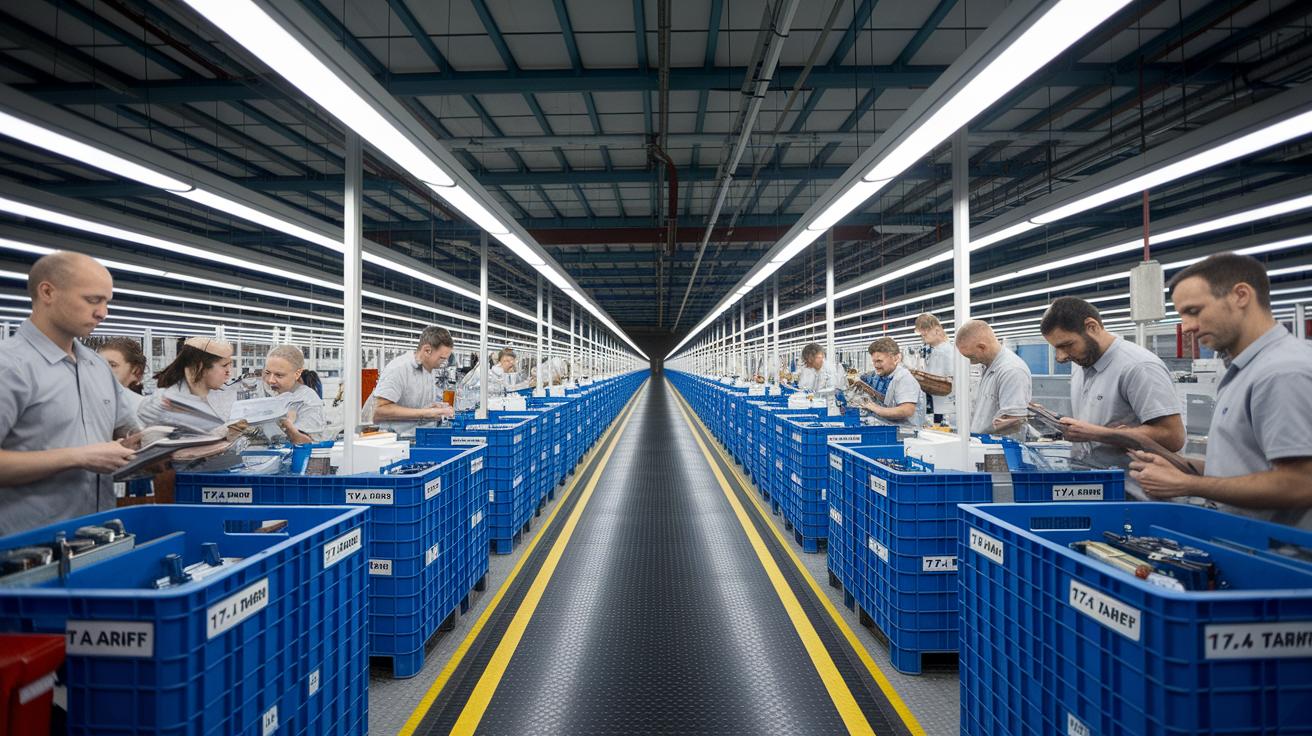
A fixed tariff rate of 17.4% on imported goods affects both what shoppers pay and what producers spend. This steady tariff means businesses face clear extra costs when they buy products from other countries. Often, companies pass these costs on to customers, which pushes up the consumer price index (CPI). At the same time, a stable trade policy lessens uncertainty in supply chains. For example, a manufacturer that buys imported parts can plan costs without the risk of sudden tariff hikes.
Tariff Impact on Inflation Outlook
Import duties at 17.4% push up production costs. When raw material prices rise, companies often increase their product prices to keep their profits steady. For example, an electronics factory might charge more for its gadgets because the cost of imported parts has grown. This predictable effect can add more pressure on overall inflation.
Temporary Offsets to Tariff-Driven Inflation
Some factors can temporarily ease the price hikes caused by tariffs. Changes in currency value might make imported goods cheaper for a time. Also, a one-time drop in prices or smoother supply chains can lessen the tariff’s impact. Imagine a sudden increase in supply that lowers storage costs, easing the pressure on retail prices for a short period.
Factors That Could Sustain Inflation Beyond Tariffs
Other forces may keep inflation high even if the tariff stays the same. Rising wages, especially in service jobs, can lead businesses to raise prices when they pay higher salaries. Ongoing price increases in housing and energy may also keep inflation levels up. In short, while tariffs are one factor, overall inflation depends on several economic elements.
inflation outlook: Bright Trends Ahead
The Federal Reserve now focuses on the job market more than on monthly price changes. Fed officials check workforce data to decide if rising prices are just short-term or if they point to bigger problems. They want to keep a balance between a busy job market and shifting consumer prices. Even if short-term inflation drops, it does not always mean the economy is improving. This job-first approach pushes leaders to aim for a steady recovery rather than react to short bursts of data.
If job growth stays weak and new hiring falls short, the Fed might lower rates again at its Jan. 28 meeting. Analysts say this move could help support a stable labor market and keep inflation under control while aiming for a long-term unemployment rate of 4.2%. Continued weak hiring might force the Fed to change its plans, affecting rate outlooks and helping to boost overall economic stability.
Surveys and market tools like breakeven rates add more insight into inflation expectations and help time policy changes. This cautious, data-driven plan shows the Fed is aligning its monetary policy with real job market trends.
Breakeven Rates and Market Signals for the Inflation Outlook

Breakeven rates come from breakeven rate analysis. They show the yield gap between inflation-protected securities (TIPS, or Treasury Inflation Protected Securities) and nominal Treasuries. In simple terms, they reveal what the market expects inflation to be over a set period. For instance, a 2% rate means prices are expected to rise by 2% each year on average.
Market trends offer mixed signals over different time frames. Five-year breakeven rates show that medium-term inflation expectations are steady. In contrast, the 10-year breakeven rate points to a slow change in long-term views. Meanwhile, one-year rates stay low, suggesting near-term price stability and emphasizing the usefulness of breakeven rate analysis in reading market mood.
A clear gap exists between market expectations and central bank forecasts. This gap is evident in both the five-year and 10-year rates. While policymakers rely on structural models, market signals remain a key part of planning scenarios and guiding investment strategies.
Historical vs Projected Inflation Outlook: Trends and Comparisons
Since 2020, prices have jumped during early pandemic worries and then eased as supply chains got back on track. Experts say monthly changes, like a dip in November, are normal parts of the economic cycle. They urge us not to overreact to short-term shifts.
| Year | Actual Inflation Rate | Projected Inflation Rate |
|---|---|---|
| 2020 | 1.5% | 1.5% |
| 2021 | 4.7% | 4.5% |
| 2022 | 8.0% | 7.8% |
| 2023 | 3.0% | 3.2% |
| 2024 | N/A | 2.7% |
| 2025 | N/A | 2.5% |
The numbers show big swings in 2021 and 2022, but by 2023, inflation moved to lower levels. Estimates for 2024 and 2025 point to a steadier rate. This trend indicates that even though month-to-month numbers can vary a lot, the long-term view is one of more control. This steady outlook can help with planning and budgeting as the market moves from turbulence to steadier growth.
Global Inflation Outlook: Regional Forecasts and Pressures

IMF data shows that advanced economies are facing mild inflation as their recoveries slow. Reports say that strong fiscal policies and strict monetary rules are keeping prices on track in developed markets. Recent figures even suggest that some countries now have stable prices, offering relief after previous rises.
OECD studies back this up, showing that many advanced economies manage controlled inflation even with changes in supply chains. Clear policies and market shifts are helping keep price pressures low.
China faces its own set of challenges. Global commodity price hikes are driving costs up, and currency swings add more uncertainty. Chinese fiscal actions aim to ease these price hikes, highlighting the careful balance between growth and price control.
In Canada and South Africa, inflation forecasts vary due to different economic issues. Canadian predictions point to currency changes and energy price shifts affecting what consumers pay, which requires careful fiscal plans. In South Africa, high commodity costs and unclear policies may push prices higher unless proactive measures, like stabilizing the currency, are taken.
Final Words
In the action, the post broke down unexpected November readings, upcoming December data, and key drivers like tariffs, policy tweaks, and labor-market trends. Small sections clarified breakeven rates, compared historical and projected trends, and weighed global pressures.
This recap offers a clear picture for stakeholders needing actionable pointers. The discussion arms readers with a solid inflation outlook to support strategic budgeting and decision-making. Stay ready for further updates and keep your plans flexible in a shifting economic scene.
FAQ
Inflation outlook for next 5 years
The inflation outlook for the next 5 years suggests a gradual stabilization influenced by central bank policy, steady trade measures, and controlled labor-market adjustments that are expected to moderate rapid price increases.
Projected U.S. inflation rate for 2025
The projected U.S. inflation rate for 2025 is anticipated to remain moderate as historical trends and policy responses, including stable tariffs and rate adjustments by the Federal Reserve, work together to manage price growth.
U.S. inflation outlook
The U.S. inflation outlook indicates a trend toward stability with slow price increases, thanks to coordinated monetary actions and balanced policy measures, while potential short-term fluctuations remain under close watch by economic authorities.
US inflation outlook 2026
The US inflation outlook for 2026 points to gradual changes as structural factors like wage growth and market signals interact with policy measures, potentially resulting in steady price pressures over the coming year.
Global inflation outlook
The global inflation outlook reflects mixed trends, with advanced economies moving toward stabilization while some emerging markets face continued price pressures driven by commodity costs and varying fiscal responses across regions.
Projected inflation rate next 10 years
The projected inflation rate over the next 10 years is expected to experience modest growth as long-term trends stabilize through careful policy measures and sustained global market adjustments, smoothing out short-term variations.
Federal Reserve long term inflation outlook
The Federal Reserve’s long-term inflation outlook emphasizes steady, controlled price increases with targeted rate adjustments and an employment-focused approach, aiming to achieve long-run economic stability and moderate growth.
Inflation outlook 2025
The inflation outlook for 2025 anticipates moderate price rises as economic indicators stabilize and policy measures—such as tariff management and scheduled rate cuts—help balance growth with controlled inflation pressures.
What is the expected inflation rate for the next 5 years?
The expected inflation rate for the next 5 years points to modest increases as policymakers use measured rate adjustments and fiscal balance to control rapid changes, ensuring overall economic stability and predictable price trends.
What is the current outlook for inflation?
The current outlook for inflation shows signs of a slow and steady path toward stabilization, with recent lower data readings prompting policymakers to adjust strategies in response to evolving economic conditions.
How much will $100 be worth in 2050?
The value of $100 in 2050 is expected to diminish in purchasing power due to cumulative inflation, meaning that while the figure remains nominally $100, its real value will be significantly lower than today.
What will $1 be worth in 40 years?
The value of $1 in 40 years is expected to drop considerably because of ongoing inflation, resulting in much less purchasing power compared to its present value and affecting long-term savings and investments.