
Could one fund really change how countries fight climate change? The Green Climate Fund was created in 2010 under the Cancún Agreements to help developing nations find money for green projects. It pays for modern energy projects and builds systems to handle severe weather. Before the fund started, many nations struggled to get money for low-carbon efforts. Today, the fund supports projects that lower emissions and benefit local communities. This article explains how the Green Climate Fund drives sustainable finance around the world.
Understanding the Green Climate Fund’s Role in Global Climate Finance
The Green Climate Fund started in 2010 under the Cancún Agreements. It was created to give developing countries a steady source of finance for fighting climate change. The Fund acts as the financial tool for both the United Nations Framework Convention on Climate Change and the Paris Agreement. This makes it the largest climate fund devoted solely to multilateral support. It backs projects that lower greenhouse gas emissions and strengthen communities against harsh weather. In short, it fills important finance gaps for nations that need to build low-carbon systems and climate-ready infrastructure. For example, before the Fund was set up, many countries struggled to get the money needed for modern energy projects and community resilience.
The Fund uses its money in many ways. It invests in renewable energy and supports local programs that help communities tackle the effects of climate change. It ensures an even-handed mix of efforts to cut emissions and prepare for climate risks. By funding both small local projects and larger national plans, it helps countries reduce their reliance on fossil fuels and build stronger defenses against climate challenges. One example is a rural community that, after facing severe weather with little support, modernized its water management systems through a well-funded GCF project, turning a weakness into a strength. This work makes the Green Climate Fund a cornerstone in the global push for sustainable development.
Origins and Evolution of the Green Climate Fund

The Green Climate Fund began under the Cancun Agreements to help developing countries meet climate challenges. It was set up to give projects the funds they need to fight climate change. From the start, the Fund focused on reducing emissions and building climate resilience.
In 2015, the Fund approved its first projects, making a clear move toward real-world impact. From 2015 to 2019, its Initial Resource Mobilisation raised billions for projects aimed at both adapting to climate change and reducing its effects. This effort attracted major support and paved the way for large-scale climate work.
The Fund is based in Songdo, South Korea, which helps it serve an international community. It also created a clear official logo to show its promise of transparent and effective climate finance. These early steps and key milestones have made the Fund a leading force in sustainable environmental investments.
Governance Structure of the Green Climate Fund
The Fund is run with clear rules and open oversight. A board of 24 members, evenly split between developed and developing nations, makes the key decisions. The Fund follows international guidelines set by the Conference of the Parties (COP) and updates its rules regularly. At least 50% of the money for adaptation is directed to vulnerable nations. This approach helps support low-carbon projects and strengthens community resilience while meeting both national and global climate needs.
GCF Board Composition
The board makes sure that all countries have an equal voice. Fair voting rules let every member take part in the decision cycles, which are designed to respond quickly to climate challenges. By blending interests from different nations, the board creates policies that work well locally and meet global standards.
Secretariat and Administration
The Secretariat manages everyday tasks and breaks work into clear areas such as finance, risk, and policy. Reporting to the board through the Executive Director, the Secretariat ensures that information flows smoothly and all rules are followed. The Executive Director coordinates internal processes and provides regular updates to the board. Together, they keep the Fund transparent and true to its international climate goals.
Resource Mobilization and Funding Mechanisms of the Green Climate Fund
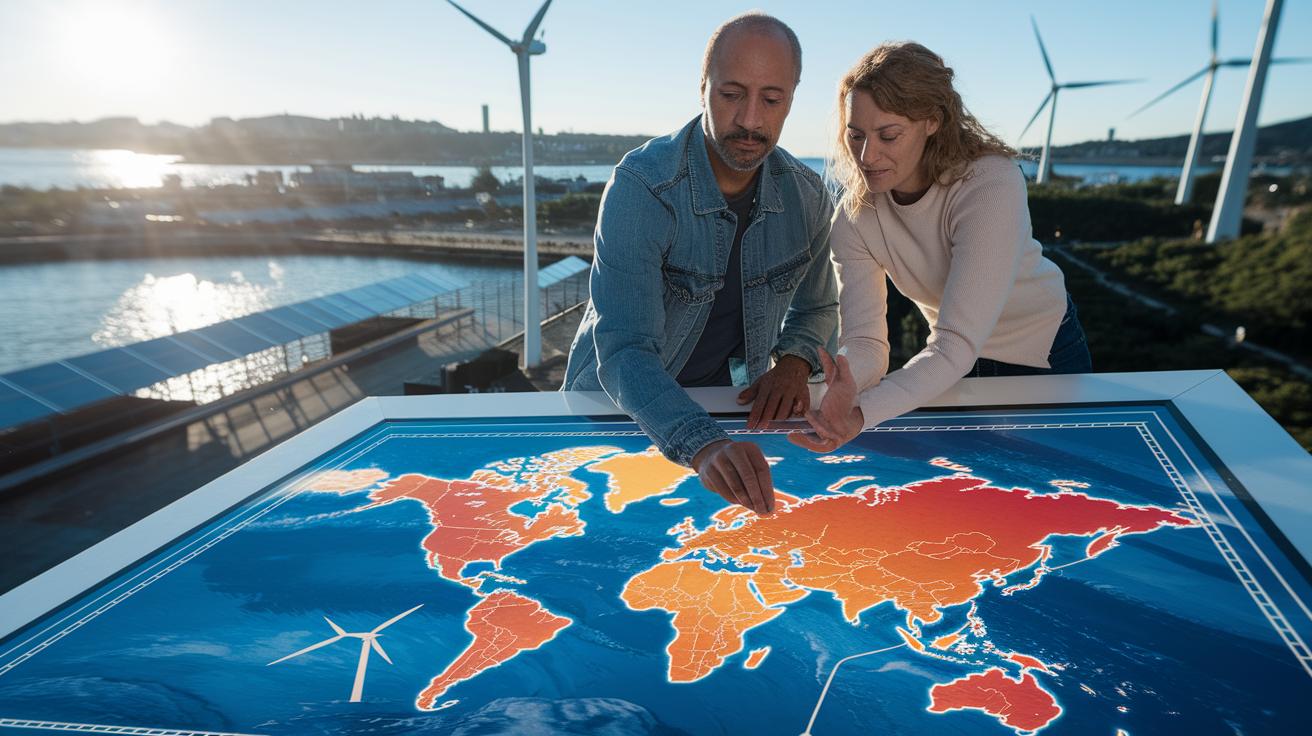
The Green Climate Fund gathers money for climate projects using smart methods. From 2015 to 2019, it raised over USD 10 billion from both public and private donors. This money jump-started a series of funding opportunities that help lower greenhouse gas emissions and strengthen community resilience. For example, one funding call allowed a coastal community to set up solar-powered water systems, turning rising sea levels into a chance for sustainable growth. These calls quickly route funds to projects that can change lives in developing regions.
Later rounds of funding focused on specific projects. The Fund uses tools like Investment Management Grants (IMG, or funds used to guide major investments), Thematic Calls, and Immediate Support Grants (ISG, which provide quick help) to work with different donors and new financing ideas. These methods meet urgent needs and also build long-term strength in local areas. For instance, a project in Southeast Asia used an IMG call to develop climate-ready public works, turning environmental challenges into money-making chances. This clear plan helps the Green Climate Fund keep its steady push for sustainable climate finance.
| Resource Call | Year | Amount Committed |
|---|---|---|
| IRM 2015–2019 | 2015–2019 | Over USD 10 billion |
| IMG Calls 2021 | 2021 | Committed amounts vary |
| Thematic Calls 2022 | 2022 | Committed amounts vary |
| ISG Calls 2023 | 2023 | Committed amounts vary |
Application Procedures for the Green Climate Fund
Countries that are part of the UNFCCC can ask for funding by following a clear, step-by-step process. First, they must check that they meet the basic rules, which include having the necessary national capacity and a climate action plan. Next, each applicant carries out a capacity review and then prepares a proposal that meets both adaptation (adjusting to climate changes) and mitigation (reducing emissions) goals. It is key to document every step clearly to pass a strict review by an independent Technical Advisory Panel.
Readiness Programme
The Readiness Programme offers grants, workshops, and partner support to help build strong proposals. It aims to boost national plans and make drafting idea notes easier. For example, a workshop might include hands-on sessions in which teams practice reviewing proposals. This support helps applicants learn all the technical and administrative details before they submit their full proposals.
Funding Proposal Process
This process unfolds in several steps. First, applicants submit a basic idea note that explains the project goals, work plans, and measurable outcomes. Then, a full proposal is developed that builds on this idea note. After a Board review, a final implementation agreement is reached. One candidate explained, "Our idea note quickly evolved into a complete plan that met all the requirements." The process is designed to ensure that only well-prepared proposals with strong support reach the Board for final approval.
A successful application depends on careful attention at each review stage, thorough documentation, and strict adherence to the guidelines. By following these steps, a proposal can move from an initial review to a legal agreement, paving the way for major climate action investments.
Strategic Investment Areas of the Green Climate Fund
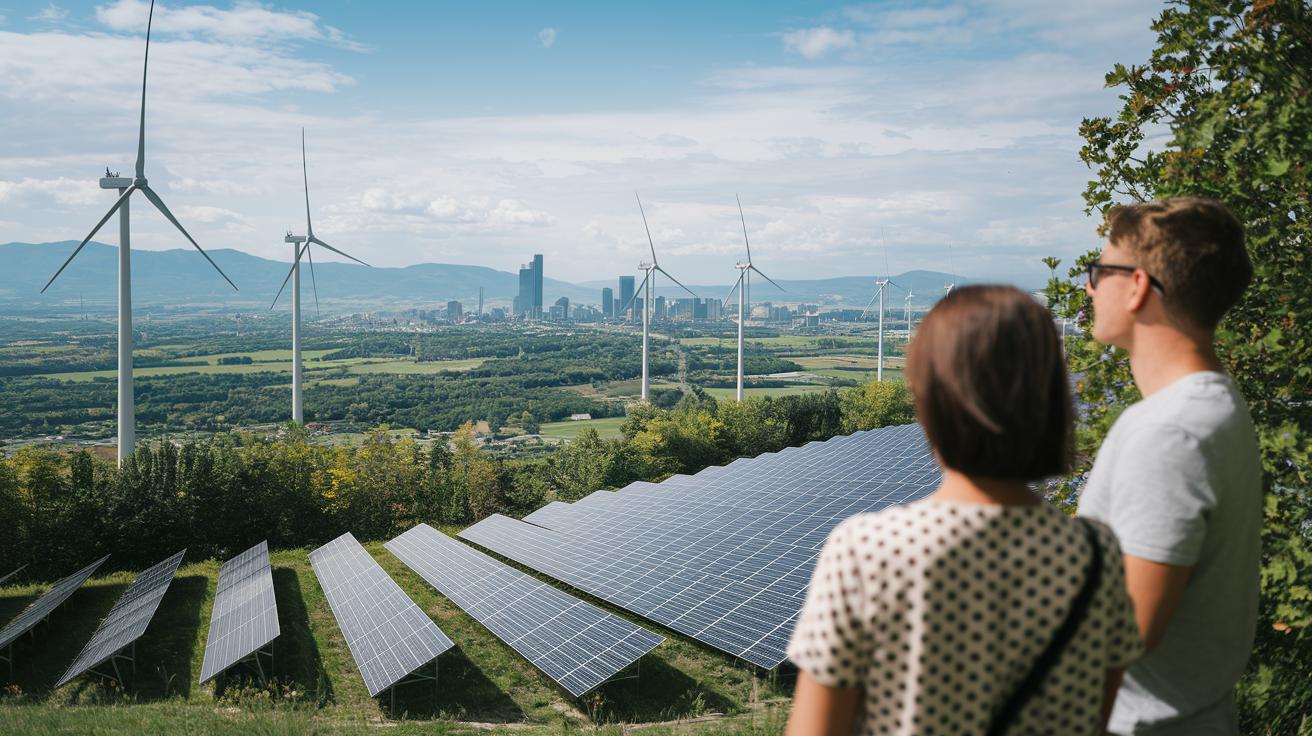
The Green Climate Fund pushes sustainable finance by splitting its investments evenly between cutting greenhouse gas emissions and boosting community resilience. Its plan targets areas that can quickly lower environmental risks while building a foundation for long-term clean energy and green growth. The Fund backs projects that steer countries away from fossil fuels and help restore nature. It supports ideas that combine new technology with natural solutions, enabling developing countries to face climate challenges. For example, a renewable energy project in one region changed local energy supplies, showing that smart investments can turn challenges into opportunities.
- Renewable energy
- Climate-resilient infrastructure
- Forest preservation & REDD+
- Biodiversity conservation
- Water & agriculture resilience
- Low-carbon transport
Investments in these key areas bring clear benefits at both local and national levels. Renewable energy projects update power grids, while climate-resilient infrastructure helps communities during extreme weather. Forest preservation and REDD+ rebuild natural carbon sinks, and biodiversity conservation protects vital ecosystems. Water and agriculture projects secure food supplies and protect important water sources, and low-carbon transport cuts urban emissions, encouraging cleaner mobility. One coastal community saw a nearly 30% drop in energy costs after switching to wind energy, proving that focused investments can drive dramatic change. By channeling funds into these sectors, the Fund lays a solid foundation for a future marked by low-carbon growth and strong climate readiness.
Case Studies: Impact of Green Climate Fund Projects
The Green Climate Fund has approved over 100 projects that bring measurable change to areas at risk. Two key projects highlight how focused funding helps communities adapt to climate change. For example, a project in Kenya not only improved water management during a severe drought but also beat its goals by boosting local crop yields by 20%.
Drought Response in Kenya
In 2023, a project in Kenya battled severe drought by uniting local leaders with international partners. It used modern water-saving methods and held community training sessions to offer immediate help and build long-term strength. This work restored vital water access and set the stage for better farming practices. Local leaders noted significant improvements, with results already surpassing early targets.
Rural Resilience in Benin
In 2024, a project in Benin strengthened rural communities by supporting new farming methods and building local skills. Community groups, alongside expert agencies, introduced climate-smart techniques and promoted sustainable use of resources. This effort increased food security and laid a foundation for lasting resilience. The success in Benin shows that targeted climate investments can boost local economies and protect communities against future risks.
Partnerships and Collaborations Under the Green Climate Fund

The Green Climate Fund works with a strong network of partners to boost climate finance. It teams up with UN bodies like the United Nations Development Programme (UNDP) and the United Nations Environment Programme (UNEP) to build capacity and prepare for climate challenges. These partners help create strong project plans that support both climate change adaptation and mitigation. Coordination with UN agencies means technical skills and local knowledge are shared easily between global strategies and local actions.
The Fund also joins forces with major multilateral development banks, such as the World Bank, along with regional institutions. This co-financing approach spreads risk and reward, making it simpler to start large-scale projects. By working with these financial institutions, the Fund reaches more countries and covers more sectors. This ensures funds are used well and projects meet high environmental and financial standards.
Additionally, the Green Climate Fund partners with private companies to secure blended finance. Public agency collaborations give national groups the tools and leadership needed for strong climate action. This mix of public and private partnerships strengthens the Fund’s commitment to sustainable investment and helps close the finance gap for developing nations working to cut emissions and build resilience.
Future Outlook and Policy Alignment for the Green Climate Fund
The Green Climate Fund is shifting its strategy following guidance from the Conference of the Parties. The Fund has set a post-2025 plan and will roll out new IMG and thematic calls in 2025 that aim to drive more funds toward projects meeting the Paris Agreement goals. This shift focuses on aligning international policies and putting strategic plans in place. It helps countries build stronger national plans while supporting immediate climate actions and long-term resilience. This new approach may close financial gaps, encourage low-carbon projects, and strengthen adaptation measures.
The Fund is now centering its investments on key themes:
| Focus Area | Description |
|---|---|
| Next-phase readiness | Steps that help countries become more prepared for climate challenges |
| Targeted funding for SIDS and LDCs | Special support for Small Island Developing States and Least Developed Countries |
| Integration with Nationally Determined Contributions (NDCs) | Aligning funding with each country’s climate plan |
By updating its funding rules with a focus on sustainable development, the Fund turns global promises into real projects. This strategy supports countries in refining their plans, meeting new policy standards, and making clear progress toward global climate targets.
Final Words
In the action, we traced how the green climate fund shapes global climate finance. We explored its core role, evolution, governance structure, and mobilization of resources. Key case studies showed measurable impacts in developing regions, while partnerships and future policy directions highlighted its ongoing influence.
This article broke down complex processes into clear steps. It provides a reliable glimpse into how the green climate fund supports low-carbon, climate-resilient development. Positive shifts ahead signal steady progress for climate finance initiatives.