

Are rising health care costs pushing us toward a new system? Families now face high premiums and large bills. Nearly one in five skip their needed medicine. Many worry that one major health event could lead to bankruptcy. However, this squeeze on costs has sparked calls for smarter, more efficient care. Experts say that over time, the crisis may pave the way for a fairer system, offering hope and real improvements for millions of Americans.
Understanding the Scale and Impact of the Health Care Crisis Across America

Officials warned on Sept. 16, 2025 that ACA premiums will rise by more than 75%. This increase could worsen the high costs that many Americans already face. Families that struggle with steep premiums, large deductibles, and unpredictable copays may have to rework their budgets.
Even those with insurance are hit hard by treatment costs. Nearly one in five Americans skips essential prescription drugs because they cost too much. Forty-five percent worry that a major health problem could lead to bankruptcy. For households earning about $45,000 a year, health care expenses claim at least 20% of their income. These pressures show how fragile the American health system is when prices spike.
- ACA premium hikes of over 75% add a heavy burden.
- High deductibles and unpredictable copays force hard choices.
- Almost 20% of Americans do not take essential prescription drugs due to cost.
- Households earning $45,000 annually spend 20% or more on health care.
- Many risk bankruptcy after a major health event.
Health care crisis Sparks Brighter System Prospects

Rising costs are straining the health care system. Government funds and private insurance spending keep climbing despite efforts to curb them. Employers are also under pressure as they pay large sums for employee health coverage. Hospital stays are expected to increase sharply, creating a tough environment for both households and businesses. This difficult situation has led experts to call for reforms and new ways to manage costs. A closer look at spending shows that while investments from public and private sources remain high, the rapid rise in hospital expenses needs smarter strategies and more efficient care.
| Public Health Spending | $233.885 billion |
| Private Insurance Spending | $110.182 billion |
| Employer Health Coverage | $810 billion |
| Hospital Stay Costs Projection | Triple new car cost by 2040 |
Clinical Staffing Shortages and Infrastructure Strains in the Health Care Crisis

Staffing Shortfalls and Clinician Burnout
Hospitals across the country are facing a serious shortage of nurses and doctors. Many staff work long hours with little backup, which leads to tiredness and more mistakes when caring for patients. Adding to the pressure, paperwork like claim denials and prior authorizations takes time away from direct care. With rising patient numbers, exhausted teams struggle to keep up quality and safety, hurting trust in the healthcare system.
Infrastructure Gaps in Rural and Urban Areas
Many hospitals are also dealing with old equipment and a lack of funding. In rural areas, hospitals often close because they cannot meet demand. Urban hospitals, though better funded, see busy emergency rooms that slow down urgent care. Meanwhile, Medicaid spending has doubled since 1990, pushing states to spend more on health services and less on other needs. This financial strain leaves many facilities under-resourced, making both rural and urban communities more vulnerable.
Policy Debates and Funding Struggles Fuelling the Health Care Crisis

Policy debates and funding fights are weighing down a health system already stretched by rising costs and bureaucracy. With the end of Affordable Care Act premium credits, households will face higher costs, and many families will need to cut back. At the same time, a possible federal shutdown could lead to more cuts in critical health funding. Planned cuts to Social Security Disability Insurance might leave vulnerable people with less support. Each move adds more financial pressure on both patients and providers, making it harder to build a stable, efficient system.
- The end of premium credits means higher out-of-pocket costs for households.
- A possible federal shutdown could bring further cuts in health funding.
- Proposed Social Security Disability Insurance cuts may weaken the safety net.
- Reduced federal support shifts funding burdens to local and state governments.
These budget challenges and policy fights show that short-term money problems mix with long-term issues in health care funding. Lawmakers must make hard choices that may change how health care is delivered. Every change makes the situation more complex. If these funding gaps are not fixed soon, patient care and provider stability will suffer, putting essential services for millions at risk.
Access Barriers and Equity Challenges in the Ongoing Health Care Crisis
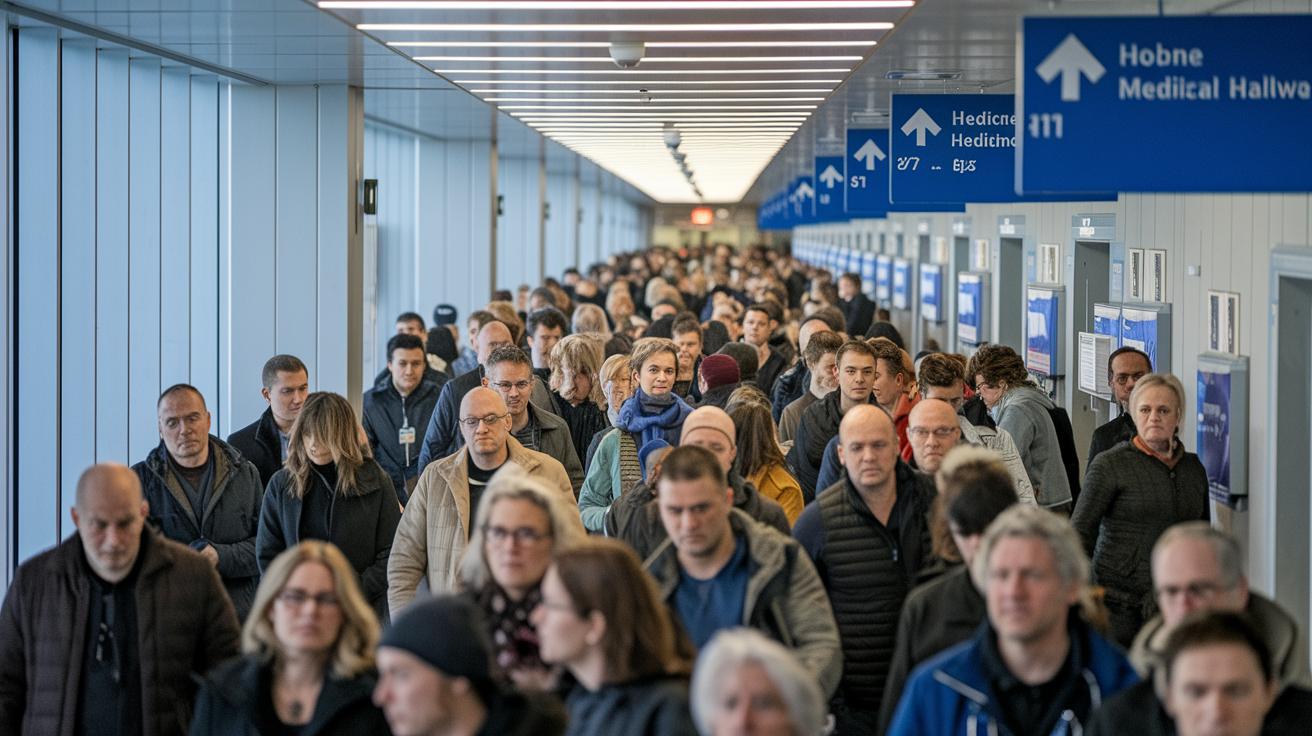
Urban areas tend to have more clinics and hospitals, but emergency rooms are crowded and waits remain long. Even insured patients face high deductibles and unpredictable copays that can delay care. Many city residents deal with claim denials and long prior authorization steps before getting treated, which shows system gaps even where resources are plenty.
Rural communities face steeper challenges. They have fewer facilities and specialists, so residents often travel long distances for any care. This travel adds extra cost and time, and the lack of nearby services makes administrative delays even worse for rural patients who already have limited options.
Vulnerable groups suffer the most. Nearly one in five Americans skips essential prescription drugs because of cost. Low-income families and seniors are hit hard by poor coverage that leaves them underinsured. High out-of-pocket costs, strict claim reviews, and limited benefits all add pressure. Clearly, the system needs reforms to ensure fairer access for everyone.
International Comparisons and Reform Lessons for the Health Care Crisis

Comparing health systems can teach us key lessons about reform. In the United Kingdom, 90% of the population gets care through the National Health Service, which runs on 9% of the GDP. An extra 2% goes toward private care for the wealthier 10%. This setup helps people reach an average life span of 81 years.
In the United States, both public and private funding support the system. Public spending hits about $233.885 billion, while private insurance contributes roughly $110.182 billion. Overall, the U.S. spends around 17% of its GDP on health care, yet the average life expectancy hovers around 78 years.
| Country | Public Health Spending (% GDP) | Life Expectancy |
|---|---|---|
| United Kingdom | 9% | 81 years |
| United States | 17% | 78 years |
These numbers show that spending more does not automatically lead to better health results. Future reforms might focus on simpler and smarter funding models. For example, coordinated care that stresses prevention can be more efficient. Adjustments like cost-management changes and new insurance rules may ease the financial burden on families and improve care quality.
Policymakers can take a cue from the UK model to find ways of ensuring broad access while using funds wisely. As one health care leader said, "When spending is aligned with clear outcomes, the system can work better for everyone." This lesson suggests it’s time to review current methods and shift toward unified, effective health care strategies.
Final Words
In the action, the article covered the health care crisis by exploring rising treatment expenses, staffing shortages, policy debates, and disparities in access. It broke down key cost drivers and compared international models while highlighting the real-world impact on households.
The report pinpointed financial strains such as:
• High premiums
• Large deductibles
• Unpredictable copays
• Bankruptcy fears from major events
• Skipped essential prescriptions
Stakeholders now have a clearer view to drive improvements and future stability in this pressing health care crisis.
FAQ
What are the main health care issues today in America?
The main health care issues today in America include rising treatment costs, high premiums, and restricted access to services. These factors strain household finances and disrupt timely treatment.
What defines a health care crisis in America?
A health care crisis in America is defined by escalating costs, insurance instability, limited access, and staff shortages. These issues combine to overwhelm the system and place heavy burdens on families.
What are examples of a healthcare crisis?
Examples of a healthcare crisis include soaring drug prices, increased hospital expenses, high patient deductibles, and persistent clinical staffing shortages. These elements contribute to a weakened system and financial strain on households.
What are the current issues in healthcare for 2025?
Current issues in healthcare for 2025 cover rising treatment costs, prolonged wait times, unpredictable copays, and understaffed facilities. These trends create ongoing challenges for patients and providers alike.
How do healthcare affordability issues affect households?
Healthcare affordability issues affect households by forcing families to spend a large share of their income on medical care, which limits funds for other necessities and raises the risk of financial hardship.
What solutions address U.S. healthcare problems?
U.S. healthcare problems are being tackled through policy reforms aimed at reducing treatment costs, improving insurance options, expanding care access, and bolstering clinical staffing to ease system strains.
What are the seven challenges facing healthcare?
The seven challenges facing healthcare include cost inflation, insurance instability, staffing shortages, policy obstacles, access inequities, high drug prices, and surging hospital expenses, each adding to the overall crisis.
Are we currently in a health care crisis?
Evidence of rising costs, high premiums, long wait times, and staffing deficits indicates that the health care system is under significant strain, suggesting that we are indeed experiencing a health care crisis.
What changes do Republicans want in healthcare?
Republicans want to shift federal spending on health programs, revise insurance regulations, and promote market-based options to lower treatment costs and offer more consumer choice in the health care system.
What is considered the biggest problem in healthcare today?
The biggest problem in healthcare today is the surge in treatment costs, which includes steep premiums, high deductibles, and rising drug prices that burden families and limit access to care.
What does the term “health crisis” mean?
The term “health crisis” refers to a situation where the health care system fails to adequately meet public needs due to rising costs, limited access, and insufficient infrastructure or staffing.