

Communities can turn rising heat and extreme weather into a chance for real change. Climate resilience shows simple ways to cut harmful emissions (pollutants that damage our air) and get ready for new weather challenges. By backing local projects that clean the air and strengthen roads, bridges, and public buildings, we make our towns safer and fairer for everyone. In this post, we explain how reducing carbon output and smart planning can work together to build a brighter future, even when nature tests us with tougher weather.
Understanding Climate Resilience in Practice
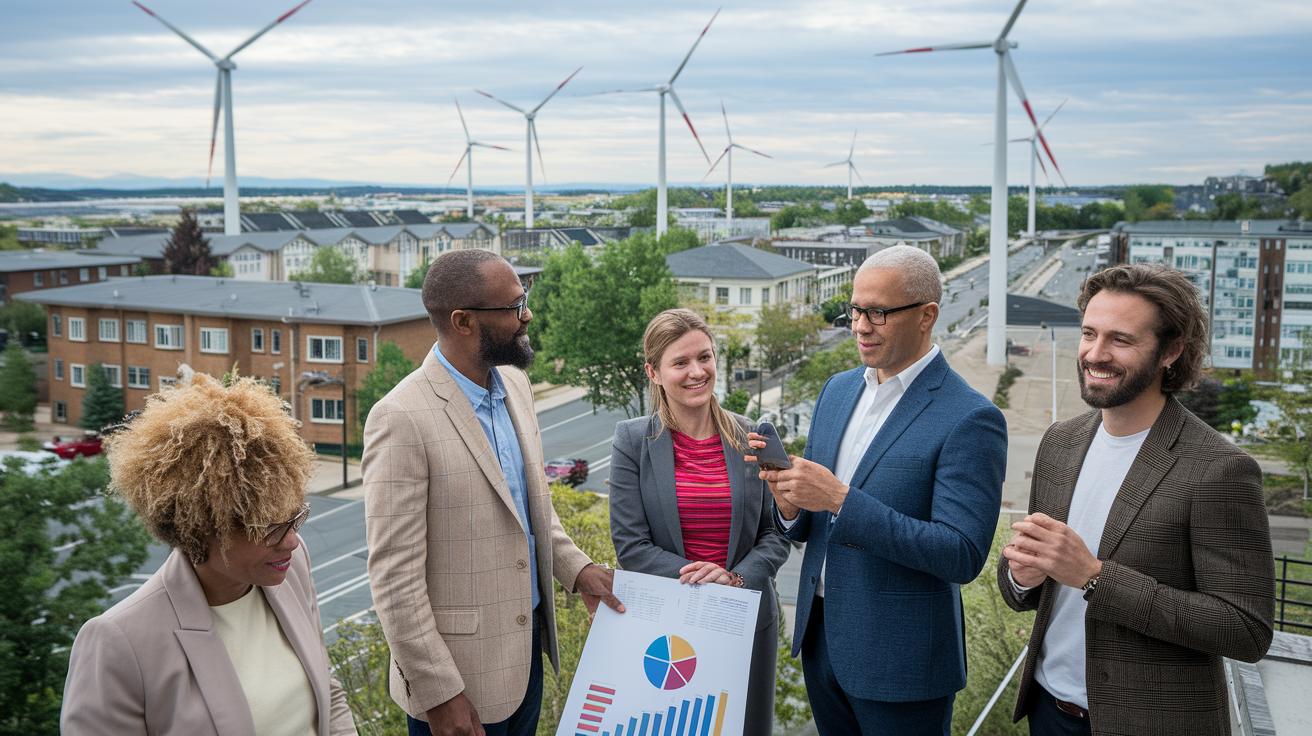
Climate resilience means tackling climate change on two fronts. It involves cutting carbon emissions (called mitigation) and planning for the effects of climate change (known as adaptation). This approach makes sure that communities most at risk get the support they need. It puts fairness first, helping those who have suffered the most and been ignored in past efforts. For example, projects that lower air pollution and improve local infrastructure make communities safer and more equal.
The IPCC Sixth Assessment Report shows that the Earth's average temperature has risen about 1.1°C since preindustrial times. This warming has led to stronger weather events like severe heat, wildfires, and rising sea levels that threaten coastal areas. These changes stress the need to weave climate resilience into national plans and everyday community actions to lessen risks and damage.
A solid resilience plan relies on 15 clear principles. These guidelines ensure that investments in adaptation are based on science, fairness, and economic sense. They act like a checklist, making sure each project not only tackles environmental threats but also promotes public health, fairness, and long-term stability for communities facing ongoing climate challenges.
Climate Resilience: Effective Strategies for a Bright Future

Communities need to act now to cut carbon emissions and prepare for a changing climate. We must blend plans that reduce harmful gases with steps that help people adapt to new weather challenges. National programs update old systems and protect vulnerable groups with actions that work. This mix of efforts lowers emissions and makes areas ready for storms and other weather extremes.
Improving how we adapt means rethinking our usual ways of doing things. For example, changing supply chains can lessen disruptions when extreme weather hits. Restoring wetlands and forests creates natural barriers against flooding and storm surges. When these actions pair with technical improvements and local input, communities stay strong and service systems remain reliable.
| Strategy | Description |
|---|---|
| National adaptation plans | Country-wide measures to boost resilience |
| Local resilience planning | Community-based plans for quicker responses |
| Nature-based solutions | Restoring wetlands and forests to protect against floods |
| Resilient infrastructure design | Building flood defenses and climate-proof buildings |
| Supply chain diversification | Creating multiple avenues for essential goods |
| Emergency preparedness protocols | Systems for early warnings and quick responses |
| Ecosystem-based adaptation | Using natural practices in farming and water management |
Using these practical ideas, communities can lower risks and keep vital services available during tough weather. This plan protects energy, water, and food supplies while also guarding public health and economic stability. Focused investment now builds a safer, long-term future for all. Coordinated steps across government, businesses, and neighborhoods pave the way for strong responses to our climate challenges.
Policy Frameworks and Governance for Climate Resilience

National and local plans to adapt to climate change depend on clear, simple rules. Governments and local leaders follow 15 core guidelines to build policies that protect communities from climate impacts, lower emissions, and prepare for severe weather. These rules make sure that spending on infrastructure and community projects is both fair and based on evidence. For example, decision-makers use the guidelines as a checklist to weigh public health benefits against risks in vulnerable areas. This careful approach helps create adaptation plans that are strong, fair, and ready for climate challenges.
Adaptive governance models put fairness at the center of climate policy. They use hard facts and clear evaluation tools to shape decisions. Policymakers rely on resources like the Making Equity Real Guidebook to turn fairness into everyday action. This method steers goal-setting, policy rollout, and performance reviews so that every community gets proper support during climate events. It also encourages a continuous check of policy impacts and allows for improvements over time. This way, responses to climate hazards stay effective, fair, and based on the best available evidence.
Financing Climate Resilience Projects

Funding projects that build climate resilience is tough. Many programs struggle to set aside enough money for these efforts. For example, one non-profit dedicates 88% of its funds to on-the-ground work that tackles climate change. Focused programs and budget talks are key to making sure scarce funds upgrade old infrastructure and support at-risk communities. These steps work to bridge the funding gap with investments that cut risks and keep services running.
New financial tools are vital for drawing in both government and private money. Tools like the Greenhouse Gas Reduction Fund (GGRF) (a federal fund), climate resilience bonds, and public-private partnerships each use their own method to attract investment. The GGRF disburses grants nationwide for programs that help communities adapt and fight climate risks. Resilience bonds use private money to upgrade infrastructure. And public-private partnerships bring different groups together to boost funds from local to national levels.
| Instrument | Description | Scale/Impact |
|---|---|---|
| GGRF | Federal fund supporting programs for adaptation and mitigation | Nationwide grants |
| Climate Resilience Bonds | Debt issuance that draws private money for infrastructure upgrades | Billions mobilized |
| Public-Private Partnerships | Collaborations that finance and build resilient infrastructure | Regional to national scale |
Community-Led Climate Resilience Initiatives
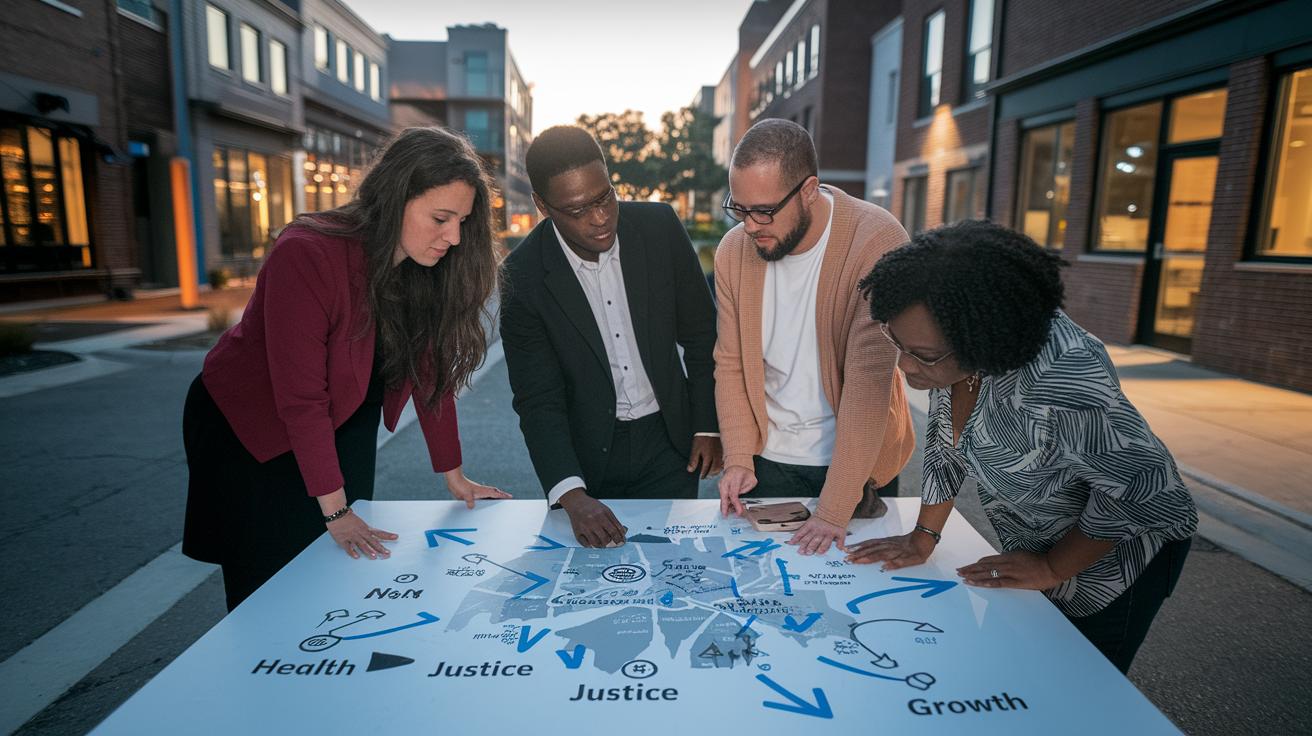
Community resilience goes beyond just bouncing back from climate changes. It means moving forward with better public health, social justice, and economic growth. This approach builds stronger systems by tackling the root causes of problems. Instead of only recovering, communities now work to stop future issues. For example, local efforts show that creative ideas can turn hard times into lasting chances for growth and fairness.
Mapping who is most at risk is still hard. Data gaps, especially in low-income areas and communities of color, make it difficult. Many places have old or missing information, which hides where support is needed. Accurate data tools and clear numbers are needed to spot these risks. Without them, disaster plans may leave some people without the help they need when trouble comes.
Local programs are leading the way with smart ideas and fairness. Projects like the One Year Bridge Plan and special leadership programs show how community efforts can make a difference. Reports from dates like Dec. 4, 2025, and Nov. 25 and Nov. 20, 2025, prove that these methods work well. These efforts mix fresh data and local input to build communities that are ready for future challenges. They help create neighborhoods that are healthy, fair, and strong.
Technological Solutions for Climate Resilience

Vehicle-grid integration uses parked electric cars as on-the-go batteries. Studies show this method could save between $1.8 billion and $11.7 billion each year by 2045. It helps balance energy supply and demand during peak times. For example, drivers can send extra power back to the grid. This ease of transfer strengthens the electric system, especially as old infrastructure faces stress from extreme weather. Upgrading our grids now is essential for a smoother energy future.
Electrifying freight systems is another key step. Replacing old diesel trucks with electric ones reduces harmful emissions and supports a low-carbon future. This change can improve air quality and public health. New tools also boost resilience. For instance, early warning systems alert communities to bad weather, and smart water management keeps vital supplies steady during crises. Together, these innovations build infrastructure that can handle severe weather while easing the switch to renewable energy and sustainable operations.
Metrics and Tools for Climate Resilience Evaluation

Collecting solid climate data and having strong analysis are key to fighting climate risks. Many regions do not have reliable systems to track hazards, leaving communities unprepared for sudden challenges. When experts have steady and clear data, they can spot trouble areas, adjust policies quickly, and target climate investments effectively. Forecasting impacts helps officials plan for changing conditions and lowers the uncertainty in risk assessments.
Key measures include vulnerability scores that point out high-risk areas, checks on service continuity to ensure essential functions run smoothly, evaluations of ecosystem health to gauge nature's strength, and adaptive capacity indexes that show how well communities can adjust to changes. These metrics guide investments and shape policies for a more resilient future.
Global Case Studies Demonstrating Climate Resilience
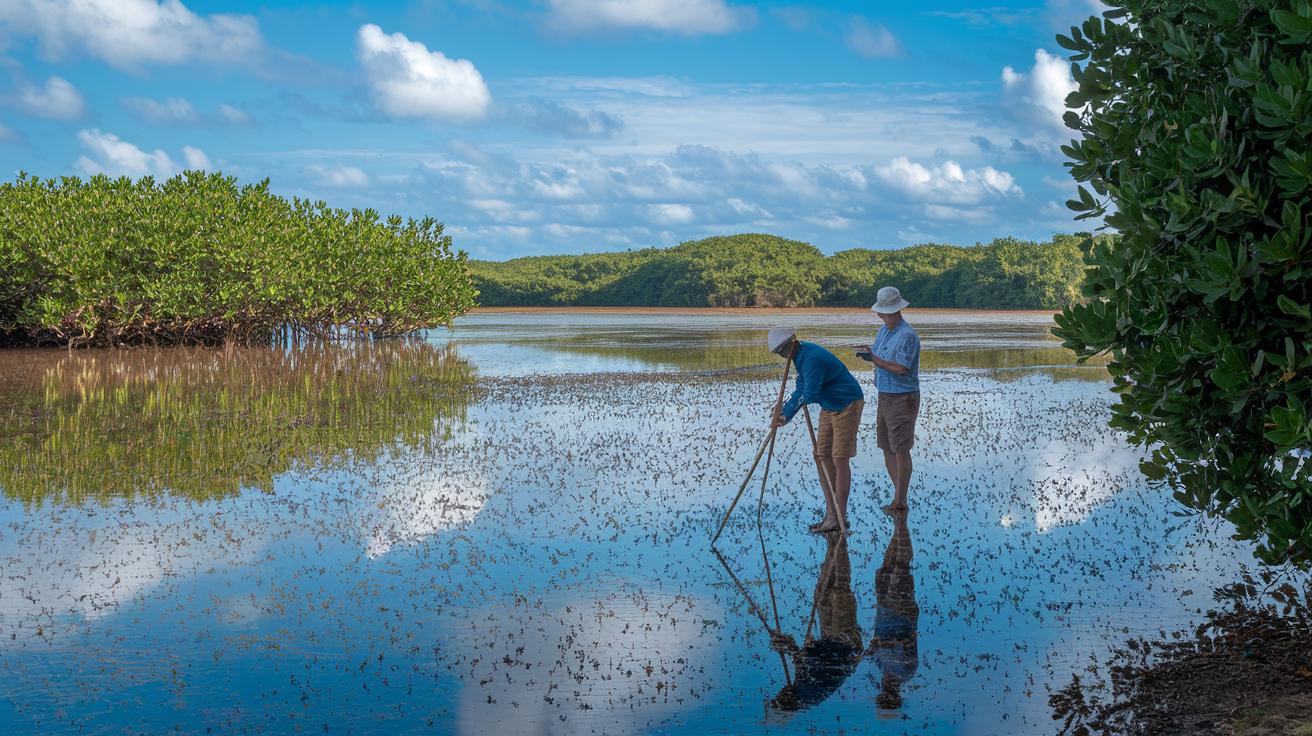
Fiji's adaptation plan tackles rising seas and food challenges head-on. The country is moving communities that are at risk of flooding and saltwater damage away from vulnerable coastal areas. Critical infrastructure is being upgraded to handle tougher storms, and climate-smart farming techniques are boosting local food supply. Local leaders say these changes protect both homes and livelihoods as the sea slowly moves inland.
In the Gulf of Mexico, Swiss Re is investing in coastal wetland restoration to cut down the risks of storm surges and flooding. These natural wetlands absorb floodwaters, reduce property damage, and keep shorelines steady. This nature-based method builds stronger regional defenses and paves the way for long-term sustainability by letting the environment act as a barrier against extreme weather.
Private companies are making their operations more resilient by overhauling their supply chains. They are choosing a wider range of suppliers, being more open about their processes, and improving infrastructure to withstand weather impacts. This approach ensures that essential products keep moving even during severe storms, which helps both communities and the local economy.
Final Words
In the action, we reviewed climate resilience through clear definitions, key data, guiding principles, and practical strategies for mitigation and adaptation.
We unraveled policy frameworks, funding challenges, community initiatives, and technological solutions that build stronger foundations for our shared future.
Our examination of metrics and real-world case studies highlighted how robust efforts can drive progress.
Embracing climate resilience means paving the way for a safer, more sustainable tomorrow. Stay informed and proactive as we move forward together.
FAQ
What are some examples of climate resilience?
Climate resilience examples include projects like coastal wetland restoration, diversified supply chains, and national adaptation plans. These initiatives work to reduce vulnerability and help communities withstand climate-related stresses.
What does climate resilience and adaptation refer to?
Climate resilience and adaptation refer to combining efforts to cut emissions with adjusting to climate changes. This dual approach helps communities prepare for and recover from extreme weather and other impacts.
What are some synonyms for climate resilience?
Climate resilience synonyms include terms like climate robustness, climate readiness, and sustainable adaptation. They all point to the idea of preparing systems and communities to handle climate-related challenges.
What does climate resilience in agriculture mean?
Climate resilience in agriculture means adopting farming practices that protect crops and livestock. It involves techniques like improved water management, soil conservation, and crop diversification to adapt to changing weather patterns.
What is meant by climate resilience in the context of the UN?
Climate resilience at the UN involves global initiatives and programs aimed at promoting policies, funding, and strategies to support communities in managing climate risks while prioritizing fairness and science.
What is a Climate Resilience Fund?
A Climate Resilience Fund is a financial mechanism that directs public and private capital toward projects that reduce climate risks. It supports actions like infrastructure upgrades and innovative adaptations to climate impacts.
What does the Climate Resilience book discuss?
The Climate Resilience book discusses strategies and case studies on building systems that can cope with climate challenges. It highlights research, best practices, and practical measures to improve community adaptability.
What is a Climate Resilience Plan?
A Climate Resilience Plan is a strategic document outlining steps to reduce emissions and prepare for climate risks. It includes measures for infrastructure upgrades, community preparedness, and equitable investment in climate solutions.
What are the five pillars of climate resilience?
The five pillars of climate resilience typically include social equity, sustainable infrastructure, robust adaptation strategies, scientific guidance, and economic viability. Together, these pillars support communities in managing climate disruptions.
What exactly does resilience mean?
Resilience means the ability of a system or community to bounce back after hardships and adjust to new conditions. It involves being prepared for disruptions and recovering quickly when adverse events occur.
What are the elements of climate resilience?
Elements of climate resilience include adaptive infrastructure, risk assessments, social equity measures, data-driven planning, and a balance between mitigation and adaptation. These components help cushion the impact of climate changes.
What is the difference between climate resilience and adaptation?
Climate resilience focuses on building the overall capacity to absorb shocks and maintain function, while adaptation involves specific actions taken to adjust to climate changes. Both approaches work together to reduce risk.