

How do countries handle their interactions in a complex world? International relations shows how nations, organizations, and big companies work together on a global stage. It covers treaties, conflicts, and cooperation across borders. In a nutshell, these ideas shape everyday choices and global policies. Read on to see how these connections affect our world.
International Relations Defined: Core Concepts and Academic Scope
International relations is a field that studies how governments, non-government groups, and global bodies like the United Nations interact. It looks at how countries sign treaties, handle disputes, and work together. When written as International Relations, it refers to the academic study. In lower-case, international relations covers all types of cross-border activities, including those by companies like Google and Apple.
This field tackles issues that shape our world. It examines how power, trade, and diplomacy push policies that affect all nations, big or small. Major players like the United States and China lead the debates, while smaller countries like Fiji and Mozambique, and groups like ISIS and Al-Qaeda, add their own twists.
Key types of interactions include:
| Interaction Type |
|---|
| Diplomacy |
| Foreign policy |
| Trade |
| Conflict |
| Cooperation |
| Non-state actor influence |
For example, a classroom exercise might involve role-playing diplomatic talks. This hands-on simulation shows how academic theory mixes with real-world practice.
Historical Context of International Relations
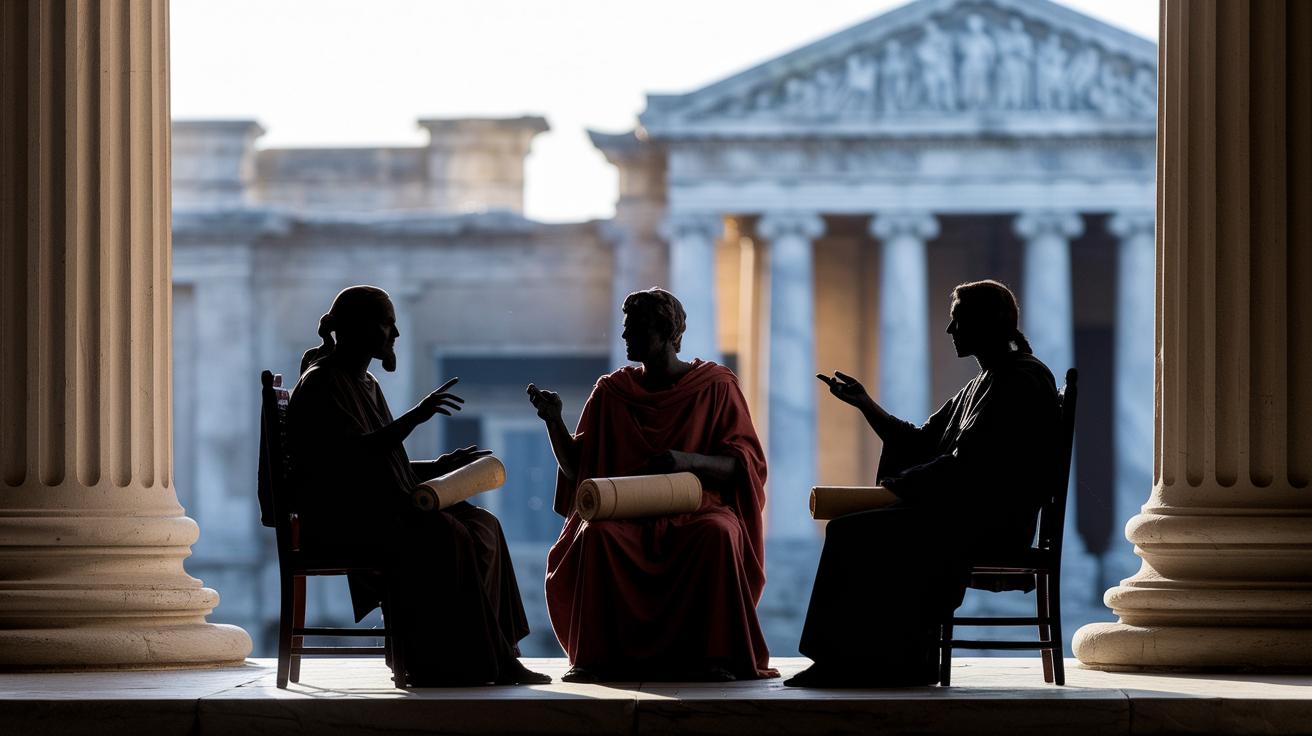
Ancient thought laid the foundation for how nations interact today. Thucydides explained how the quest for power led to conflict during the Peloponnesian War. Aristotle studied how societies organize themselves and set the stage for later ideas on global relations. His work reminds us that the drive for power still fuels conflict.
After World War I, scholars sought to understand why wars happen and how to stop them. They developed new ways to study global affairs. In 1919, nations set up the League of Nations to follow common rules and seek peace. Although it did not stop future conflicts, its creation marked a significant shift in how nations worked together.
In 1945, the United Nations began a new chapter in global cooperation and collective security. The Cold War later reshaped power between nations. Events such as the Cuban Missile Crisis in 1962 and the Soviet Union’s collapse in 1991 changed views on international power. Today, researchers continue to study these changes to better understand how states work together and to prevent new conflicts.
define international relations: A Clear Snapshot
International relations looks at how countries and other global players interact. It mixes hard power (military strength and economic influence) with soft power (diplomatic talks and cultural ties) to shape policies and settle disagreements. For example, a scholar noted that careful talking can turn tense situations into useful agreements, just like rivals choosing to share resources instead of clashing.
Key ideas in international relations include:
- State sovereignty (each country's right to govern itself).
- Balance of power (keeping things even so no single nation rules).
- Global governance (the rules that help nations work together).
- Diplomatic negotiation (talks meant to solve problems peacefully).
- International norms (shared rules that guide how nations behave).
The global stage has many players:
- States such as the United States and China that set major policies.
- International organizations like the United Nations and NATO that provide forums for discussion.
- Non-governmental organizations that tackle issues from human rights to the environment.
- Multinational corporations that influence trade and investment across borders.
Major Theories Shaping International Relations
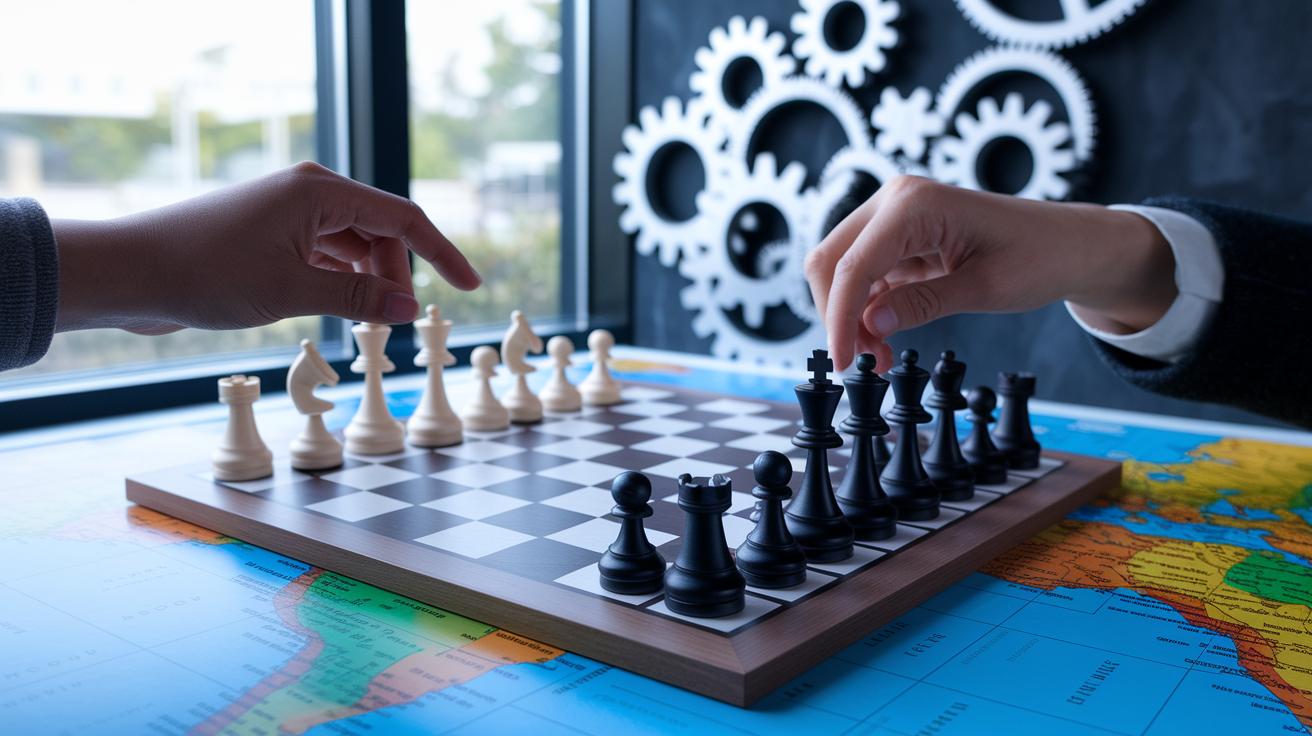
Realism sees world politics as a power struggle. Nations focus on protecting their own interest and security. Think of it like a chess game where every move is made to defend oneself or gain an edge. Realism suggests that countries often choose conflict over compromise because power is the main currency in global politics.
Liberalism offers a different view by stressing teamwork and international groups that help countries work together. It argues that nations can build mutual trust through shared values and economic links. Like well-matched gears, countries that cooperate can set up systems to help prevent wars and boost trade. This approach shows that talking and forming agreements can ease tensions and build stability.
Constructivism puts the focus on ideas, beliefs, and shared customs that guide state actions. It says that a nation’s identity and social norms can drive decisions just as much as physical power. For instance, a country might act in a way that honors its traditions or ethical views. Constructivists remind us that international affairs are influenced not only by tangible resources but also by shared meanings that evolve over time.
Key ideas in international relations show that power, teamwork through organizations, and shared norms all help shape how nations interact on the world stage.
- Realism: Focuses on power struggles and national security
- Liberalism: Emphasizes cooperation through institutions and economic ties
- Constructivism: Highlights the impact of norms and identity on state actions
Scope and Methodologies in International Relations
International relations looks at many areas like politics, economics, law, and culture. It studies how countries work together on issues such as diplomacy, trade, security, and human rights. Researchers use various methods to learn how nations interact and tackle global challenges.
A key part of this field is its range of methods. Scholars often use comparative case studies to spot similarities and differences between events. For instance, a researcher might compare how two countries dealt with an economic crisis. They also use quantitative modeling, which means analyzing numbers to predict future trends. Additionally, simulation exercises such as Model United Nations allow students to act as diplomats and learn the real skills of negotiation.
The study of international relations also borrows ideas from other fields such as economics, sociology, history, anthropology, and law. This mix of methods helps experts view tough problems from different angles and gain richer insights.
Universities, journals, and professional associations provide support for this research. They offer training and resources that help keep the study of international relations dynamic and up to date.
Importance of International Relations in Today’s World

International relations sets the rules and habits that let countries work together. It shows how competition and cooperation build the norms, laws, and institutions that keep the world steady. For example, when nations sign trade deals, they also create trust that can stop conflicts. Think about it: before many trade agreements existed, local markets used simple barter systems that could quickly lead to disputes.
Today, challenges push international cooperation hard. Climate change forces countries to work together to cut emissions. Cyber threats make it necessary for nations to share digital risk details. Pandemics remind everyone that diseases ignore borders and need coordinated health steps. This is why diplomacy must turn into solid action.
Economic ties shape how governments set policies. International trade deals and global supply chains affect decisions around the world. When one nation faces economic trouble, those issues can ripple into other countries. This truth pushes leaders to build strong, reliable international partnerships.
Careers in international relations open many doors. Many professionals work for government agencies, nonprofit groups, intergovernmental organizations, or consulting firms. These roles often include travel and require cross-cultural know-how.
Key areas where international relations drives change include:
- Global cooperation on climate policies
- Joint efforts in cybersecurity (the protection of online systems from attacks)
- Coordinated responses to health crises
- Development of fair trade practices
Studying international relations not only explains how states interact, it also offers tools to tackle modern challenges. Its lessons help policymakers plan strategies to secure economic growth, ensure safety, and build stronger societies in an increasingly connected world.
Final Words
in the action: The article outlined how to define international relations as both a field of study and a practice that shapes diplomacy, trade, and conflict management. We traced its historical roots and major theories while shedding light on key actors and methods. This recap helps readers understand cross-border dynamics and provides a clear framework to define international relations. The insights pave a straightforward path to grasping global affairs and thinking ahead with practical confidence.
FAQ
What is international relations PDF?
An international relations PDF is a document that summarizes the study of state interactions, diplomacy, and global cooperation for those interested in academic or professional insights.
How do you define international relations in political science?
Defining international relations in political science means examining how countries and global actors engage in diplomacy, trade, conflict, and cooperation.
What are some jobs in international relations?
International relations jobs include positions in government, non-governmental organizations, and international institutions, focusing on diplomacy, policy analysis, and global security.
Why is international relations important?
The importance of international relations comes from its role in guiding diplomatic discussions and creating frameworks that address global challenges and maintain stable international interactions.
How is international relations defined on Wikipedia?
On Wikipedia, international relations is defined as the study and practice of interactions among states and global entities, primarily addressing diplomacy, trade, and conflict management.
What is the definition of international relations by scholars?
Scholars define international relations as an academic and practical field that analyzes state behavior, global policies, and the interactions of both governmental and non-governmental actors.
What is the nature of international relations?
The nature of international relations involves examining diplomatic negotiations, trade policies, conflicts, and cooperative efforts among countries and various global organizations.
What are real-world examples of international relations?
Real-world examples of international relations include United Nations peacekeeping missions, multilateral trade agreements, and collaborative efforts to address climate change and public health issues.
What is the simple definition of international relations?
The simple definition of international relations is the study of interactions among nations and global actors in managing diplomacy, trade, conflict, and cooperative efforts.