

Have you ever wondered why someone with good medical care can still struggle with health? It might be due to social factors like safe housing and a steady job. These factors act like rich soil that helps a garden grow. In fact, medical care is only a small part of overall well-being. This post looks at the conditions that affect our health and shows how small changes can lead to big improvements. Understanding these factors can lead to healthier, more balanced lives.
Overview of Social Determinants of Health
Social determinants of health are the conditions in which people are born, grow, work, live, and age. They result from how money, power, and resources are shared in society. For instance, communities with good schools and safe housing often see better overall health. Think of it like a garden that flourishes with the right soil, sunlight, and water, people thrive in supportive surroundings.
Medical care makes up only 10 to 20 percent of what affects our health. The other 80 to 90 percent comes from our behaviors, our economic status, and the environment around us. Even a small boost in neighborhood safety or job opportunities can greatly improve health by reducing stress and allowing more time for exercise.
Policies and systems play a big role in shaping these factors. When a community enacts smoke-free rules or improves housing laws, overall health tends to rise. This shift means looking beyond just clinical care to understand how jobs, education, and other social factors impact public health.
By considering these broader elements, we see that health is not just about medical treatment. It reflects the quality of our work, education, and living conditions. This wider view helps us plan changes that support better community health.
In short, advancing social determinants can create environments where more people live healthier and more fulfilling lives.
Key Categories of Social Determinants of Health
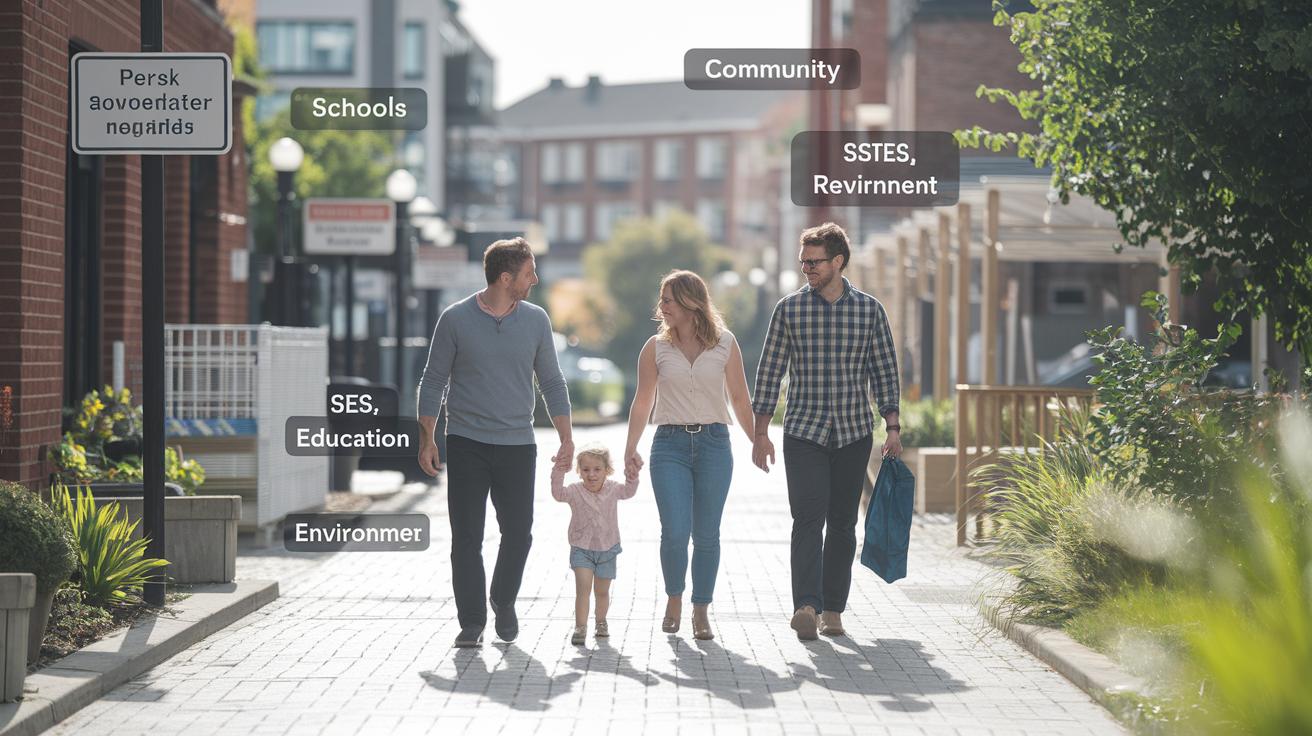
Social factors affect how healthy a community is by shaping where people live, work, and learn. Each area plays a specific role in how people stay well. These factors come together to show a full picture of community health. This understanding helps leaders design policies and actions to boost quality of life and lessen health gaps.
- Socioeconomic status: This looks at income and wealth differences that shape access to health resources and chances.
- Education: This affects how well people understand health information and make choices about care and lifestyle.
- Neighborhood and physical environment: This covers housing quality, safety, and access to parks and green spaces that shape everyday living.
- Employment: This influences both mental and physical health by providing job stability, safe working conditions, and benefits.
- Social support networks: This provides the emotional and practical help people need to handle stress and stay connected.
- Access to health care: This measures how easily people can get affordable, quality medical services to manage their health.
Economic and Social Influences on Health in SDOH
Income is a strong factor in health. People with steady income can buy healthy food, afford a safe home, and access good medical care. When funds are low, choices shrink and risks grow, often leading to more chronic illnesses and shorter lives.
Work conditions matter a lot too. A steady job with fair pay and a safe environment helps lower stress and boost health. On the other hand, unstable work or unsafe conditions can increase stress and harm both body and mind over time.
A clear example is seen in tobacco control efforts. Studies show that higher cigarette prices and smoke-free rules give better results than simply relying on quit-smoking clinics. This proves that smart economic actions and policies can change health habits more effectively than usual medical care.
In short, money and social factors work together to shape our health. Stable income, good jobs, and well-thought-out policies all play a part in reducing disease risks and improving overall well-being.
Education and Housing as Social Determinants of Health

Education and housing are key factors that shape our health. They guide how people get the information they need, build healthy habits, and secure safe living spaces. Stable schools and secure homes help people make smart choices that boost their overall well-being.
Education’s Role in Health
Good education builds health knowledge. When people receive quality schooling from a young age, they learn to understand health advice, follow safety tips, and adopt habits that lead to a healthier life. Early learning programs also help close achievement gaps and lay a strong foundation for lifelong health.
Better education makes communities fairer. It gives people the power to make informed decisions about their health. When people understand how to prevent diseases and promote wellness, they are less likely to take dangerous risks. As education improves, more people join health programs and stick to healthy lifestyles.
Housing and Health
Secure housing plays a big role in keeping people healthy. A steady home reduces stress and gives access to the resources needed for a safe life. When housing is stable, people can focus on staying well. In contrast, unstable housing can raise the risk of long-term illnesses and lead to more visits to hospitals or emergency rooms.
A strong example is Louisiana’s 2008 Permanent Supportive Housing program. With a 94% retention rate and a 24% drop in acute care costs, this program proved that steady, secure housing can lower hospital visits and overall health expenses. This shows how housing projects that offer stability not only reduce stress but also improve health outcomes.
Environmental and Neighborhood Effects on Social Determinants of Health
Local factors like pollution, few parks, and transit troubles can shape how healthy we are. When a neighborhood feels unsafe, people are less likely to walk or use public spaces. Bad air quality and a shortage of places to relax can stress residents and keep them from living actively. Cities might have lots of transit options, but they often deal with pollution and crowding. Meanwhile, rural areas face long trips and fewer resources.
Local studies show that community conditions matter for both body and mind. Clean air, green spaces, and good transit help people stay active and get needed care. Neighborhoods missing these benefits expose residents to hazards and make it harder to access services. Better public safety, improved transit, and stricter environmental rules can make a difference in closing the health gap between urban and rural areas.
| Factor | Urban Impact | Rural Impact |
|---|---|---|
| Transportation Access | Wide transit options but possible traffic jams | Limited transit and long travel distances |
| Environmental Hazards | High pollution from traffic and industry | Less industrial pollution but issues with farm chemicals |
| Service Availability | Many services and health facilities | Few providers and limited emergency care |
Social determinants of health: Uplifting Wellness Insights

New programs in healthcare aim to lift outcomes by linking care with community needs. Policymakers now favor systems that reward connecting patients to services like transportation, housing, and food. These steps help bring clinical care closer to the challenges people face every day.
Healthcare Payment Innovations
Organizations such as accountable care organizations and patient-centered medical homes now tie bonus payments to progress in meeting non-medical needs. These setups encourage providers to work with local community groups to boost health outcomes. For example, one clinic earns extra funding when it successfully directs patients to services that lower risks and promote wellness.
In these cases, rewards are set not only for treatment results but also for measures like reduced tobacco use and better weight management. In simple terms, good performance on social factors can bring real benefits to health systems. Think of a system where care teams earn perks for cutting down on emergency visits by offering better support services. This approach shifts care from simply treating illness to promoting overall well-being.
Federal and State Programs
Federal plans such as the 2016 CMS Accountable Health Communities model have helped start social needs screening by granting 32 awards by 2017. This program links essential services to ensure patients get help with transportation, housing, and food. These efforts build a network between healthcare and local support systems.
State programs, especially those using Medicaid demonstration waivers in Colorado and Oregon, mix physical, behavioral, and social services. These plans try to lower hospital visits and cut costs while boosting community health by tackling obstacles that regular care may miss.
Hospital Community Health Needs Assessments
Under the Affordable Care Act, hospitals now complete community health needs assessments every three years. These reviews involve local groups to collect data about community needs and make sure that aid directly targets the biggest challenges.
Policy changes and local efforts are already showing real benefits by linking clinical care with community support. Future plans will expand partnerships, fine-tune incentive methods, and use data to steadily improve community well-being.
Monitoring and Research Methods for Social Determinants of Health
Health systems are now using electronic health records to track details about social factors that affect health. They record simple facts like income, education, and neighborhood conditions. When this data is used in everyday care, hospitals and clinics get a clearer view of patient lives. For instance, knowing about someone’s housing and schooling can reveal care gaps that regular records might miss, which helps in planning community programs that fit local needs.
Creating clear and useful measures is key to spotting social differences in health. Researchers look at basic factors like income, education, and local environment to see how they relate to health results. The challenge is to pick the factors that truly show a community’s wellbeing. By setting clear rules for these measures, experts can compare health fairness across different regions and find out where gaps hurt public health the most.
Studies on health care differences use simple analysis to check if outcomes are fair. Researchers ask important questions such as which social data to collect, who should gather it, and how it can guide policy choices. These methods not only follow inequalities but also help predict which steps will work best. In the end, this approach makes it easier to shape smart policies and distribute resources where they are needed most.
Final Words
In the action from our overview, we traced the impact of social determinants of health on well-being. We covered definitions, the balance between medical care and social factors, and the policy shaping outcomes. We touched on key areas such as socioeconomic status, education, housing, and local environments. Monitoring and research methods help quantify these influences. The blog post shows that a clear understanding of social determinants of health drives more informed decisions and paints a hopeful picture for addressing future challenges.
FAQ
What is a social determinants of health book?
A social determinants of health book explains how conditions like income, education, and environment shape our well-being. It offers insights into policy and practical interventions for better public health.
What are social determinants of health examples?
Social determinants of health examples include factors such as education, job conditions, housing quality, and neighborhood safety. These influence health outcomes by shaping daily living conditions.
What is a social determinants of health PDF?
A social determinants of health PDF is a downloadable document that details factors like income, education, and living conditions. It serves as a useful reference for research and policy planning.
What are the various numbered and categorized social determinants of health?
Different frameworks list social determinants of health in varying numbers. Some sources detail 12 factors, while others group them into three to five core categories such as social, economic, and physical conditions.
How does social determinants of health nursing incorporate these factors?
In social determinants of health nursing, practitioners consider factors like income, environment, and social support when planning care, ensuring treatment addresses broader influences on patient well-being.
What is featured in a social determinants of health journal?
A social determinants of health journal publishes research on how economic, social, and environmental factors affect outcomes. It shares evidence-based studies that guide improvements in public health practices.
Why are social determinants of health important?
The significance of social determinants of health comes from their broad impact on outcomes. They explain why factors beyond medical care, such as living conditions and behaviors, play a major role in overall health.
What is a social determinants of health questionnaire PDF?
A social determinants of health questionnaire PDF offers a structured tool to assess factors like housing, employment, and education. It helps health professionals gather data to better understand patient backgrounds.
What is considered the largest social determinant of health?
Socioeconomic status is typically seen as the largest social determinant of health because it influences access to resources, shapes behaviors, and significantly affects overall living and health conditions.