

Ever wonder if one shock could change an economy? A sudden event can upset market routines and make policy makers rethink old methods. When unexpected changes hit, weak spots in our system show up fast, leaving little time to react. But these shocks also give leaders a chance to build better plans that secure our financial future. Economic shocks push us to try new strategies that tackle both short-term problems and support long-term growth.
Understanding Economic Shock: Definition and Core Characteristics
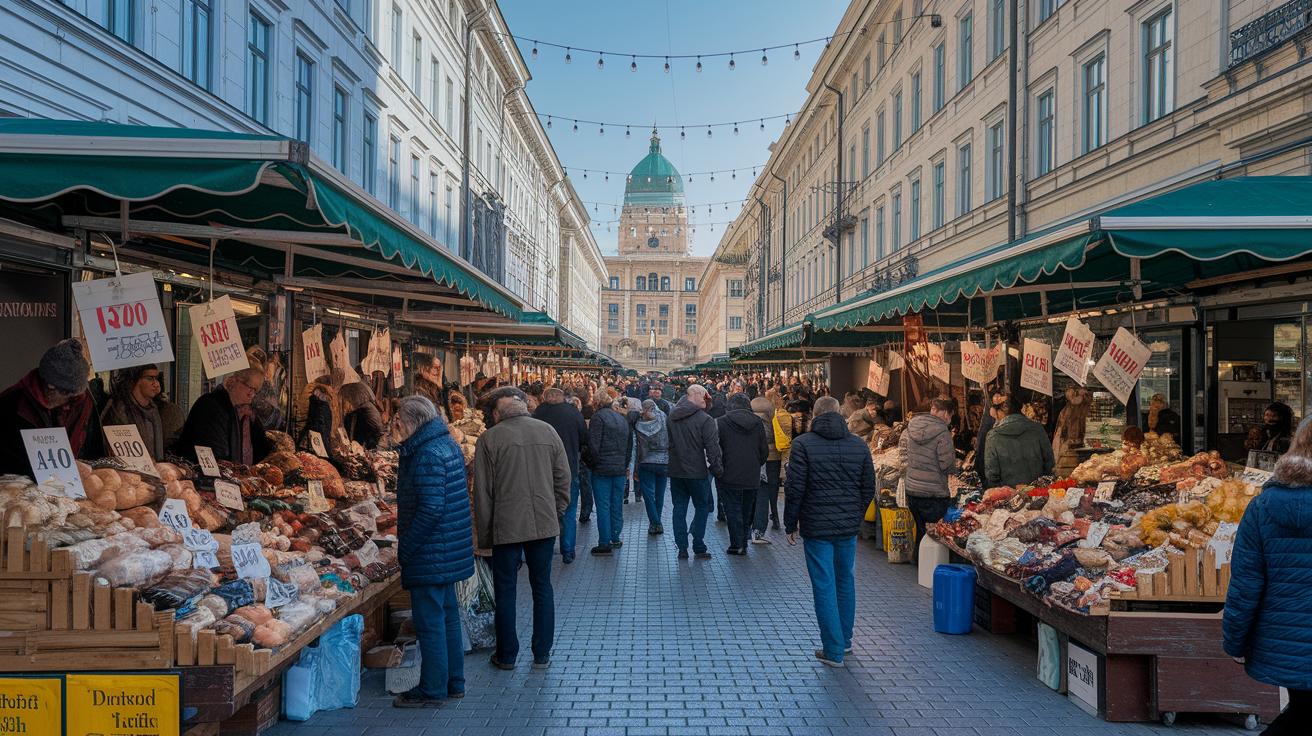
An economic shock is a sudden event that upends normal economic activity by quickly changing supply and demand. It affects broad segments of the economy rather than just a few parts. These shocks can come from outside the economy, such as a natural disaster, or from within, like a major policy mistake. Their key feature is unpredictability; they can quickly change major measures like gross domestic product (GDP), employment, inflation, and consumer confidence. For example, an excellent harvest can boost production and lower prices, showing that shocks are not always bad.
Economic shocks fall into two types: positive and negative. A positive shock, like a new technology that boosts productivity, shifts supply so that more goods are available at lower prices. In contrast, a negative shock, such as a sharp drop in consumer demand, pulls the market back, reducing output and possibly causing job losses. GDP may rise with a positive shock or fall with a negative one, while consumer confidence usually goes up during good times and down in bad times. Understanding these traits shows how sudden, broad shocks can shape important economic indicators.
Economic shock energizes policy innovation
Economic shocks happen suddenly and shake up normal economic routines. They force policy makers to quickly find new solutions. When problems in production, changes in what people buy, or large-scale events hit an economy, governments must act fast. These shocks reveal weak spots in current policies and spark fresh ideas for managing funds and designing policies.
| Type | Definition | Example | Market Impact |
|---|---|---|---|
| Supply Shock | An unexpected change in production caused by outside events. | A bumper crop in Florida leading to cheap oranges. | More supply pushes prices down, which might cause overproduction. |
| Demand Shock | A sudden change in what consumers want that upsets the market balance. | Toilet paper shortages during Covid-19. | Less demand can leave stores with too much stock and drop prices. |
| Macroeconomic Shock | Big disturbances affecting global markets and overall financial health. | Sharp rises in oil prices or political crises worldwide. | Causes big shifts in inflation, jobs, and the public’s economic confidence. |
Even though these shocks come from different sources, they can mix together. Policy makers pay close attention when, for example, a supply problem occurs along with a global economic change. A single event might start the trouble, but its ripple effects can reach international finance. That may push governments to change rules over spending, money supply, and regulations. By spotting these links, they can design quick actions that both soften the bad effects and open up new chances for growth. In this way, sudden market changes not only challenge old systems but also lead to creative ideas that help boost the economy.
Drivers of Economic Shock: Exogenous vs. Endogenous Factors
Exogenous drivers are forces that come from outside the economy. They include natural disasters, political crises, global pandemics such as Covid-19, and sudden bans on commodities. These events occur quickly and give little time for markets to adjust. For example, Covid-19 caused supply delays and changed consumer spending habits unexpectedly.
Endogenous triggers come from inside the economy. They include financial crises, bank failures, tight credit, and poor policy decisions that ripple through markets. Rapid changes in technology can also act as shocks by altering production methods fast. These pressures often build slowly until they suddenly disrupt industries that are unprepared.
Industry weaknesses add further challenges. Fragile supply chains and unstable operating conditions can make both external and internal shocks worse. When outside forces mix with inside vulnerabilities, market changes can accelerate quickly. This situation pushes policymakers and business leaders to adjust their strategies fast to keep the economy stable.
Impacts of Economic Shock on Key Economic Indicators
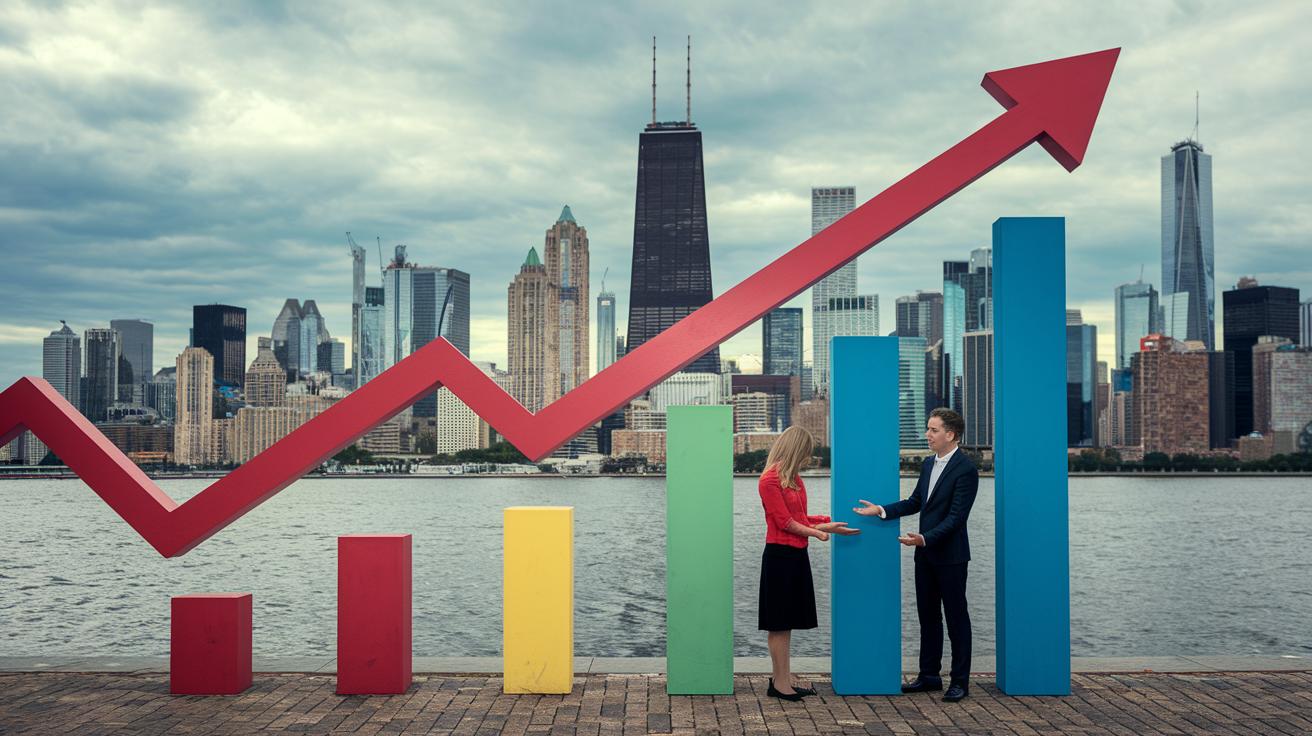
Economic shocks can change GDP very quickly. A negative shock, like the drop in demand during Covid-19, cut consumer spending and slowed industry. Global GDP fell by 3.5% during that time. On the other hand, new technology can boost productivity and raise GDP. For example, tech advances once increased factory output enough to turn a downturn around overnight.
Job losses often rise when the economy is hit by a shock. Businesses may cut back or close when consumer demand falls. During Covid-19, many companies had to let go of workers, which hurt incomes and reduced spending even more.
Price levels can be very sensitive to shocks. When supply is interrupted or demand suddenly rises, prices can quickly go up. During the 1973 oil crisis, inflation reached 12%. This makes everyday items more expensive and can change how people shop. In response, central banks may raise interest rates to control prices and manage what people expect for inflation.
Consumer confidence usually drops during uncertain times. When people lose jobs or see prices go up, they worry about the future. As confidence falls, households take longer to make purchases and hold back on investments, which further slows the economy.
Historical Case Studies of Major Economic Shocks
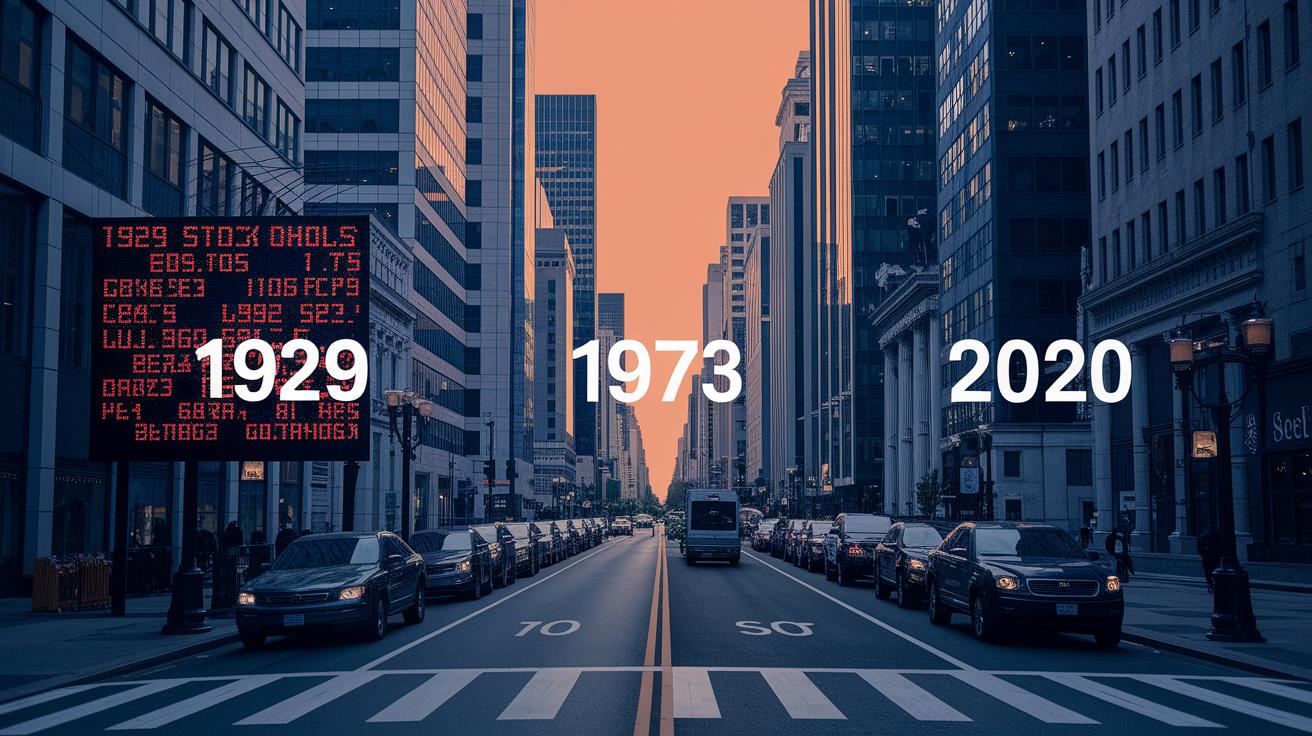
Economic shocks have changed the global economy many times and left clear marks in how policies and markets work. These big events show that sudden problems force us to change old ways quickly.
- 1929 Great Depression – A huge stock market crash in the U.S. sent the economy into a deep fall. GDP dropped by about 30%, and many people lost their jobs.
- 1973 Oil Shock – When OPEC stopped oil supplies, prices jumped high. Inflation reached nearly 12%, and many countries went into a tough recession.
- 2020 Covid-19 Contraction – The pandemic broke supply chains around the world and cut GDP by about 3.5%. Massive job losses proved how fast an economic shock can spread.
Looking at these shocks gives us key lessons. Each shock, whether from a bank panic, an oil crisis, or a health emergency, pushed governments to change old ideas. Leaders tried new strategies to reduce the damage and steady the markets. Even though the causes vary, quick and smart policy changes remain essential to help economies recover and grow stronger.
Policy Responses to Mitigate Economic Shock Effects
Monetary Policy Measures
Central banks act quickly in tough economic times. They cut interest rates, use quantitative easing (buying assets to add cash) and run open-market operations (buying or selling government securities) to put cash into the system. Lower rates make borrowing cheaper and encourage banks to lend money to businesses. This keeps money flowing even when the economy changes fast. During a severe downturn, a 1% rate cut once helped triple new business loans overnight.
Fiscal Stimulus Packages
Governments step in with fiscal stimulus packages to fight sharp economic drops. These packages include direct payments to households, more public investment, and support for key infrastructure projects. Direct payments put cash in people’s hands right away, which can boost spending and keep demand steady. Public investment helps create jobs and supports long-term growth. Spending on infrastructure not only fixes what we have today but also builds a stronger base for tomorrow. Imagine getting a check that helps cover your rent and groceries while local roads are rebuilt to serve your community better.
Regulatory & Structural Reforms
Changes to banking rules and supply chain policies also play a big role. Authorities may offer bank bailouts or add extra funds to ensure banks hold enough reserves. This helps stop widespread failures. Structural reforms focus on making supply chains more flexible and strong. Officials adjust rules to spot weak spots in the system and advise companies to spread out their operations. Picture a company that quickly shifts production when a key supplier stops providing parts.
Recovery and Resilience after an Economic Shock

After an economic shock, the road to recovery can look very different. Sometimes the economy bounces back quickly, a pattern known as a V-shaped recovery. This quick bounce happens when strong policies are put in place immediately and people regain trust. Other times, the recovery is slower. In a U-shaped recovery, the economy takes its time getting back on track as industries slowly rebuild. There is also the L-shaped recovery, where growth lags and improvements come very gradually. Policymakers and businesses watch these patterns closely to decide on the best steps forward.
Building long-term strength means making important changes. For example, retraining programs help workers learn new skills for today's markets. Diversifying supply chains also cuts down the risk of future disruptions. Leaders keep track of key numbers and perform regular reviews to spot problems early. This careful monitoring and adjustment help create a balanced recovery and build an economy that can handle new shocks.
Final Words
In the action, the article broke down an economic shock as an unexpected shift that reshapes markets. It explained the shock’s sudden nature, its types, and what drives these shifts. We saw how shocks impact key indicators like GDP and employment while drawing on historical cases for clear examples.
The guide also looked at policy responses and recovery strategies that help stabilize economies. With an economic shock, understanding these elements can inspire smart, strategic moves and foster a brighter economic outlook.
FAQ
Frequently Asked Questions
What is meant by economic shock?
The phrase “economic shock” means an unexpected event that disrupts market balance by quickly altering supply or demand, which in turn affects GDP, employment, inflation, and overall consumer confidence.
What are some examples, types, and lists of economic shocks?
Economic shocks include supply shocks (like natural disasters), demand shocks (such as sudden drops in consumer spending), and macroeconomic shocks (like financial crises), each impacting markets differently.
What causes an economic shock?
Economic shocks arise from sudden external events like geopolitical crises, pandemics, or natural disasters, as well as internal issues like bank failures and policy missteps that disturb the normal flow of the economy.
What is an example of a financial shock?
A financial shock could be a banking crisis or a credit crunch that causes rapid declines in consumer confidence and spending, leading to significant market disruptions.
What is the most common economic shock?
The most common economic shock often involves demand shocks, where rapid drops in consumer spending quickly unsettle market equilibrium and affect key indicators like GDP and employment.
What is meant by real shock in economics?
In economics, a real shock refers to a change that affects the productive capacity of an economy, such as shifts in technology or productivity, thereby altering the supply side of the market.
What is an economic shocks synonym?
An economic shock can also be described as an unforeseen market disturbance, referring to unexpected events that disrupt normal economic operations.
What does “economic shocks pdf” refer to?
“Economic shocks PDF” typically refers to a downloadable document that summarizes the causes, types, and impacts of economic shocks, useful for research or educational purposes.