
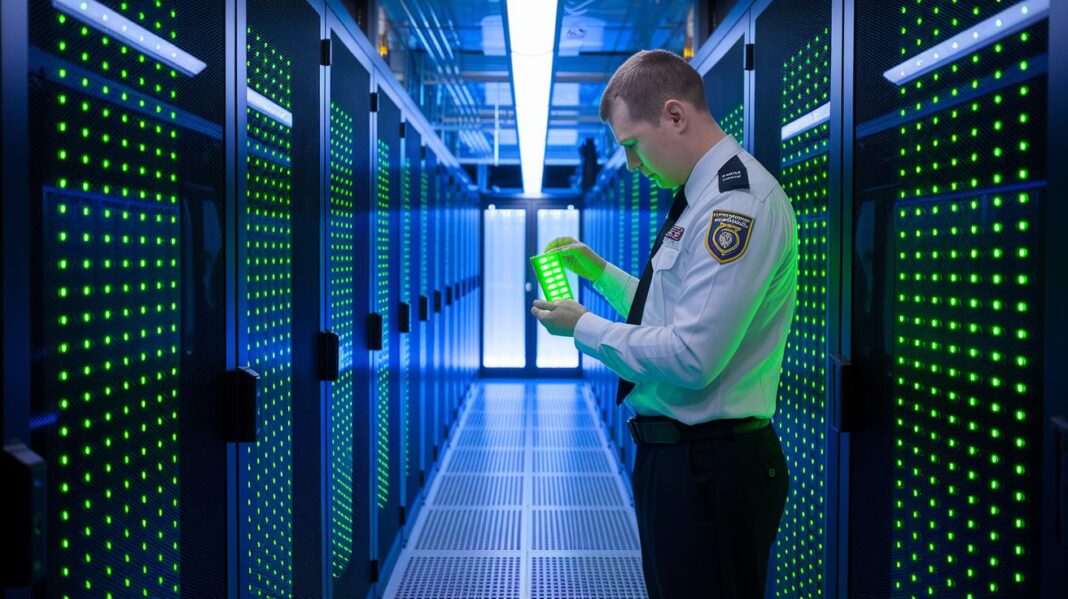
Is your digital fortress secure enough? New security tech is changing the way we protect computers and buildings. Tools now spot threats almost as fast as they occur, catching issues before they spread. Companies check every device and keep a close watch on remote teams to stop risks early. In this article, we show how mixing cyber and physical defenses can build a strong shield around data and property. Keep reading to learn how bold new ideas are boosting protection and keeping our spaces safe.
Security Tech Overview: Comprehensive Cyber and Physical Solutions
Security technology combines digital systems with physical devices to protect people and property. This field covers cloud-based surveillance, AI-powered video analysis (using computer programs that learn from data), mobile monitoring, and smart sensor technology. More than 100,000 organizations rely on these solutions for fast threat alerts and quick responses.
Security technology has two parts: cyber and physical. Cyber tools safeguard networks and data using advanced algorithms (mathematical methods that find patterns) to catch problems early. For example, a smart system might spot unusual network activity and notify the team right away.
On the physical side, devices like smart cameras, IoT sensors (internet-connected sensors), and access control systems secure buildings and assets. Bringing digital and physical security together lets companies manage everything in one system. This setup speeds up responses and helps businesses see a full picture of their protection.
Understanding these basics is key for modern businesses. Using both digital and physical defenses builds a strong, flexible shield against risks. This approach paves the way for more advanced security methods and smart planning.
Security Tech: Bold Innovations Boost Protection

Cyber security tech is changing how companies keep their networks and data safe. Tools that use artificial intelligence and machine learning spot unusual behavior very quickly. They learn from past issues and new data to warn about and block problems before they grow.
Companies now work more in cloud environments and with remote teams. This makes it important to check every user and device. Zero Trust means you never trust automatically; you always verify. Big data security analytics help by going through large volumes of information to spot warning signs of bad activity. Meanwhile, endpoint security protects every connected device so that no small access point is left open. Next-generation threat platforms add extra layers of defense, and cloud security tech helps guard digital assets using strong toolsets.
Key cyber security tech advances include:
- AI-driven video analytics: These systems use artificial intelligence to review live camera feeds and catch potential issues in real time.
- Predictive security analytics: This approach looks at both old and current data to forecast potential weak spots before they can be exploited.
- Zero Trust Architecture: This strategy applies strict checks for every user and device, lowering the risk of unauthorized access.
- Big data security analytics: These tools use smart algorithms to examine vast amounts of data and uncover trends that might signal emerging threats.
- Cloud security tech advancements: These improvements protect information stored in cloud systems with strong encryption and dedicated access controls.
- Advanced endpoint security solutions: These protect each device individually with powerful software that detects and blocks threats.
- Next-gen threat protection platforms: These offer a comprehensive approach by combining layers of security for fast threat detection and response.
These innovations help modern companies stay flexible, secure, and one step ahead of cyber threats.
Physical Security Tech Systems and Applications
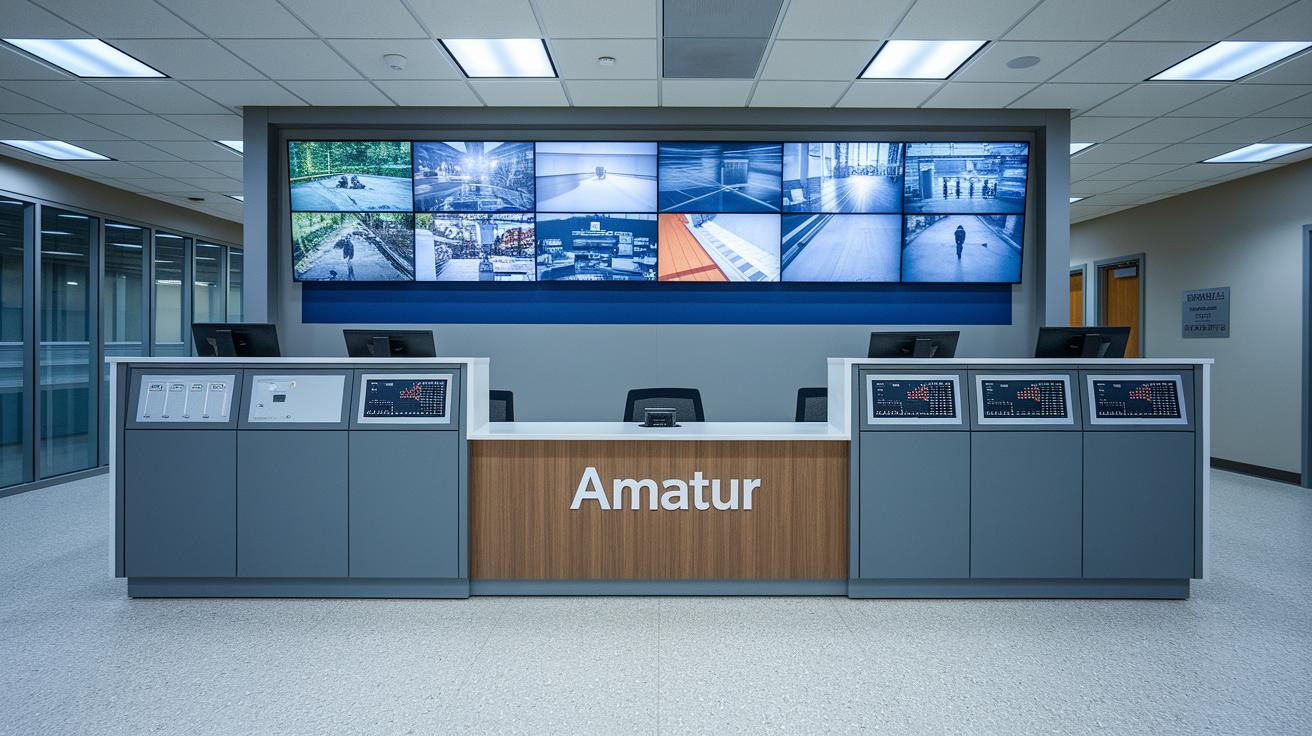
Modern physical security tools mix digital accuracy with trusted hardware to keep people and property safe. Cyber-Physical Systems bring together cameras, sensors, access tools, and alarms into one dependable setup. Today, centralized systems combine video checks, entry control, and alarm tracking so teams can easily watch over facilities.
Smart surveillance uses IoT devices (internet-connected gadgets) and wireless tech for broad monitoring. This lets businesses quickly add devices across large areas without heavy wiring. For example, wireless alarms and IoT locks allow fast installation and remote control, keeping entry points safe even in areas that are hard to reach. Biometric tools like fingerprint and facial scanners add an extra check to prevent unauthorized entry.
These systems are merging more with digital platforms. Integrated dashboards now give real-time alerts and automated responses to help security teams act fast on issues. New video tech uses AI tools (software that can analyze data) and night vision to watch over areas all the time, even in low light. Access control relies on RFID (radio-frequency identification) and biometric scans so that only approved people can get in.
Smart sensors check the environment and send alerts through wireless networks, warning teams early about potential hazards. By combining digital data with physical signs, organizations can see a complete picture of their security.
| System Type | Core Function | Key Features |
|---|---|---|
| Video Surveillance | Continuous monitoring | AI tools, night vision |
| Access Control | Entry management | RFID, biometric scans |
| Smart Sensors | Environmental checks | IoT devices, wireless alerts |
| Biometric Scanners | Identity check | Fingerprint, facial scanning |
| Wireless Alarms | Perimeter security | Battery-powered, smart alerts |
| IoT Locks | Remote locking | Mobile control, encryption |
In short, putting these tools together speeds up responses and makes monitoring more efficient. This unified method simplifies management and strengthens security by ensuring every part communicates well.
Integrated Security Tech Platforms and Unified Solutions
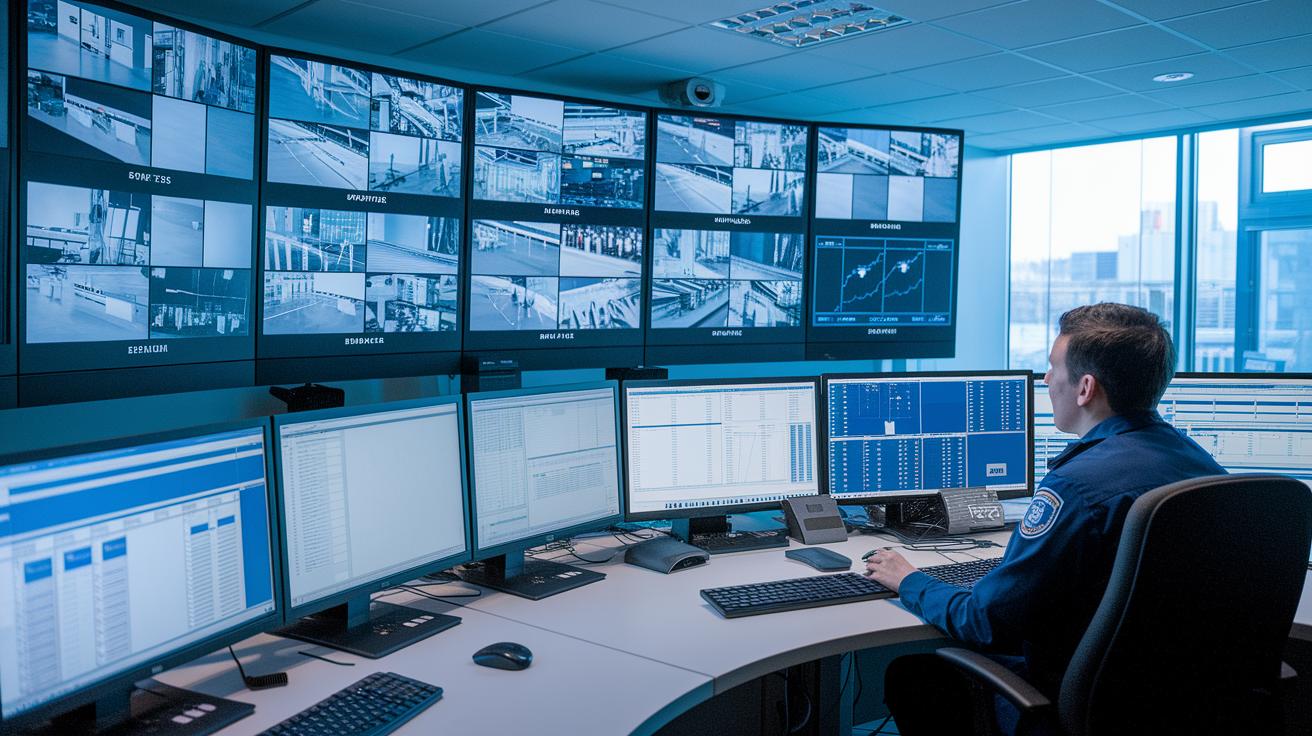
Centralized security systems now bring together video monitoring, door access, and alarm alerts on one clean screen. For example, one financial firm said that a sharp rise in network activity along with a door sensor alert made its system show matching video and log data immediately. This helped staff check events quickly and respond fast.
Innovative technology now combines online threat signals with physical sensor data. A regional healthcare provider found that linking real-time network issues with building entry alerts reduced incident resolution time by 30%. This approach gave teams a clear view of the problem and lowered the need to switch between separate systems.
Modern virtual security has grown with older systems to support remote, real-time checks. An industrial facility upgraded its legacy systems by mixing local sensors with cloud services. The new setup led to faster detection of unusual activity in complex environments.
Security Tech Implementation: Best Practices and Certifications

Organizations must act to keep their security systems strong. Regular vulnerability assessments (using special tools to spot weak points) and penetration tests (simulated attacks) help find issues before attackers do. These tests work like checking a house for unlocked doors or windows.
Incident response tools and managed detection services are key. They help teams deal with alerts fast. For example, automated alerts from a detection system can prompt a quick response when something suspicious happens. Sticking to regulatory security standards and following industry best practices builds strong governance and earns trust.
Certification programs and security tech training are equally important. They teach teams to use advanced tools and keep systems working well. Training might include practical sessions on penetration testing or hands-on exercises in threat hunting (looking for signs of attacks). This training not only cuts risks but also shows stakeholders that the organization meets strict security rules.
Key implementation steps include:
- Vulnerability assessments: Use specialized tools to find weak spots.
- Penetration testing: Simulate attacks to reveal hidden gaps.
- Incident response: Rely on automated solutions to manage threats quickly.
- Managed detection: Use services that watch for and respond to live threats.
- Certification and training: Give teams the skills to handle advanced systems.
- Regulatory compliance: Follow set standards to support strong governance.
Using these methods, organizations can tackle threats better while keeping their systems solid and in line with current standards.
Future Trends in Security Tech: Emerging Directions

Organizations are pushing for greener security systems as they tackle rising costs and environmental concerns. They choose solutions that cut down on environmental impact while still keeping protection strong. Investment in AI-based platforms and unified systems is growing fast, steering the future of security tech.
For example, a retail chain now uses an AI monitoring system that merges video feeds with sensor data. One small hospital reduced its energy use by over 20% after switching to smart, eco-friendly surveillance systems.
Healthcare providers, transport networks, and residential communities are all creating tailored safety solutions. In healthcare, systems focus on guarding both patient information and physical spaces. In transport, real-time monitoring now works with IoT devices (Internet of Things devices) to quickly spot unusual patterns. At home, affordable and simple devices now work together seamlessly.
Smart city plans also use large networks of IoT devices to protect entire areas. These examples show how blending modern digital tools with eco-friendly methods can change public safety. Investment in secure, sustainable tech is paving the way for smarter, cleaner, and more efficient security systems.
Final Words
In the action, this article showcased how modern security tech covers both cyber and physical defenses. We saw advancements like AI-powered video analytics, predictive security tools, and unified management systems.
Each section highlighted real-world applications and best practices for system implementation. The discussions of certification, training, and emerging market trends reinforce that smart security tech is here to safeguard operations effectively.
The future looks bright with ongoing technological improvements enhancing safety for businesses worldwide.
FAQ
What is security tech Maui?
Security tech Maui refers to specialized security solutions available on Maui. It covers both cyber and physical systems designed to protect local businesses and residents with advanced threat detection and response.
What is Securus Technologies?
Securus Technologies is a company that provides security-related services, including inmate call systems and communication solutions, to ensure secure communications in correctional facilities.
What is a Securus inmate call?
A Securus inmate call involves a secure phone service that allows inmates to contact approved family or legal contacts, maintaining controlled and monitored communication within correctional settings.
What are examples of technical security?
Examples of technical security include cloud surveillance systems, AI video analytics, biometric access controls, and network security measures that work together to protect digital data and physical assets.
What are Security Technology Services?
Security Technology Services describe managed solutions that integrate cyber and physical security measures. These services cover video surveillance, access management, and alarm systems under one control platform.
What are Security Technology jobs?
Security Technology jobs include roles such as technicians, analysts, and engineers who install, maintain, and monitor systems designed to protect both digital infrastructures and physical assets.
What is the Securus Tech phone number to add money?
The Securus Tech phone number to add money is provided for funding inmate accounts. Users should obtain this number directly from the Securus service or official website for the most updated contact details.
What is Securus tech login email?
Securus tech login email refers to the email address used to access a Securus account. Users should verify their login details with Securus support or their specific account instructions.
What is a security tech?
A security tech is a professional who installs and manages both cyber and physical security systems, ensuring that digital data and infrastructures are effectively protected against threats.
How long does it take to become a security technician?
The path to becoming a security technician generally takes several months to a few years, depending on the chosen training programs, certifications, and the level of expertise required for specific roles.
How much does a cybersecurity technician earn?
A cybersecurity technician typically earns between $50,000 and $80,000 per year, with earnings varying by region, experience, and the complexity of tasks managed in advanced roles.