
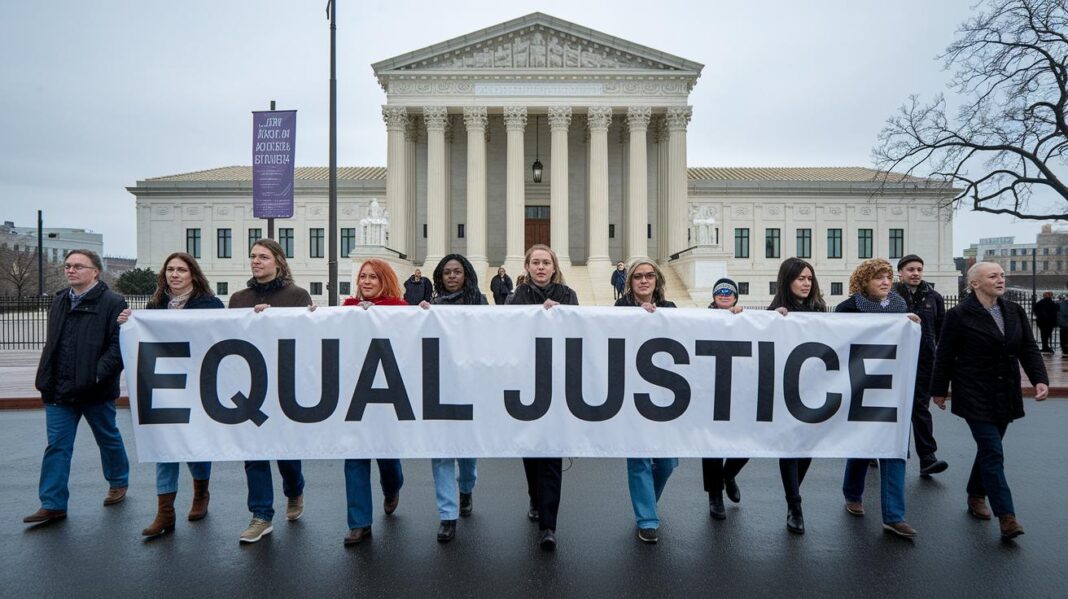
Have you ever thought about how one brave act can change justice laws?
Bryan Stevenson and his team at the Equal Justice Initiative challenge deep bias in a system hurt by racial inequality.
They honor victims of racial violence and face a painful past head on.
Their work ranges from major legal battles to public memorials that make us rethink what fairness means.
Could this fight for equal rights lead us to a fairer future?
equal justice initiative: mission, programs, and impact overview
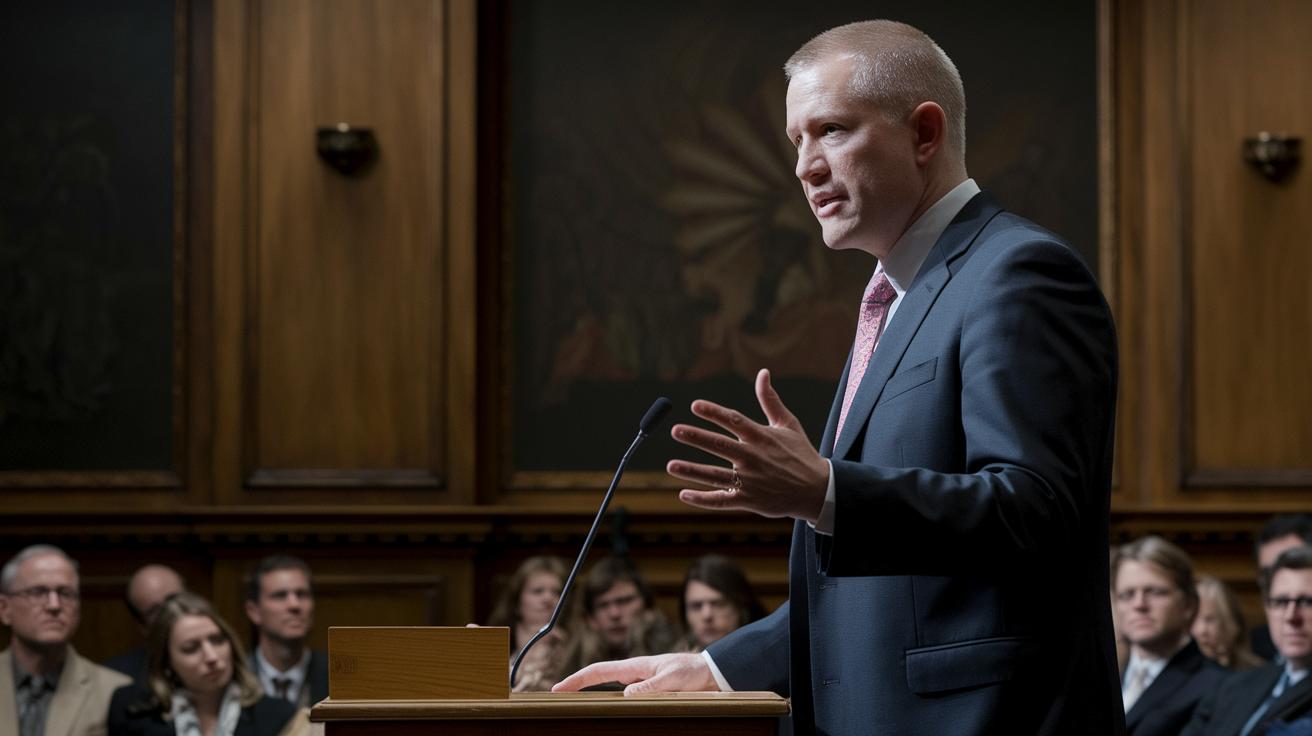
The Equal Justice Initiative is led by Bryan Stevenson, who has made it his mission to fight racial injustice. Before he devoted his life to law reform, Stevenson saw clear evidence of deep, systemic discrimination that spurred him to drive change. EJI uses legal action and storytelling to shed light on a past marred by racial violence, slavery, and injustice in the American South.
Its key projects include the National Memorial for Peace and Justice and the Legacy Museum. The National Memorial remembers more than 4,400 lynching victims, while the Legacy Museum shows the link from slavery to today's mass incarceration. Both projects use interactive exhibits and real historical facts to help us face tough truths about our history.
EJI also works in the courts. Through careful legal cases and research on racial bias (unequal treatment based on race), they have changed parts of criminal justice policy. They have taken on death penalty cases and fought against severe punishments for young people.
| Program | Focus Area |
|---|---|
| National Memorial for Peace and Justice | Honoring victims of racial violence |
| Legacy Museum | Showing the path from slavery to mass incarceration |
By confronting past injustices, EJI has sparked reforms and raised awareness. Their work shows that facing history is key to making progress today.
equal justice initiative history and founding by Bryan Stevenson

Bryan Stevenson started Equal Justice Initiative in 1989 to fight racial bias in America's legal system. As a civil rights lawyer, he used strong legal cases and clear storytelling to expose wrongful convictions. One major case he worked on was Walter McMillian's in Alabama, where fresh evidence helped overturn a death row sentence many thought was final.
EJI also launched public projects like memorials and exhibits that show the history of racial injustice. These projects sparked community talks about needed reforms and paved the way for legal actions that still impact policies today.
equal justice initiative National Memorial for Peace and Justice

The National Memorial for Peace and Justice is a clear reminder of America's troubled past. EJI created this space to honor more than 4,400 people who were victims of lynching. The memorial leaves behind symbols of old Confederate pride and instead uses stark steel monuments to mark the counties where racial terror took place. Visitors face the hard facts of racial violence. For example, they might stand before a steel structure that quietly tells the story of a county marked by injustice.
The site serves as an open classroom of history. Its layout leads visitors through different areas that document the brutal record of racial terror with simple displays and historical markers. Each section encourages careful thought and honest discussion about past wrongs. By avoiding romanticized stories, the memorial shows the true violence many communities experienced. This honest account both educates and calls for community awareness and a shared push for reform. In doing so, it reshapes how we see a history filled with racial terror and inspires us to drive meaningful change.
equal justice initiative Legacy Museum exhibitions and narratives
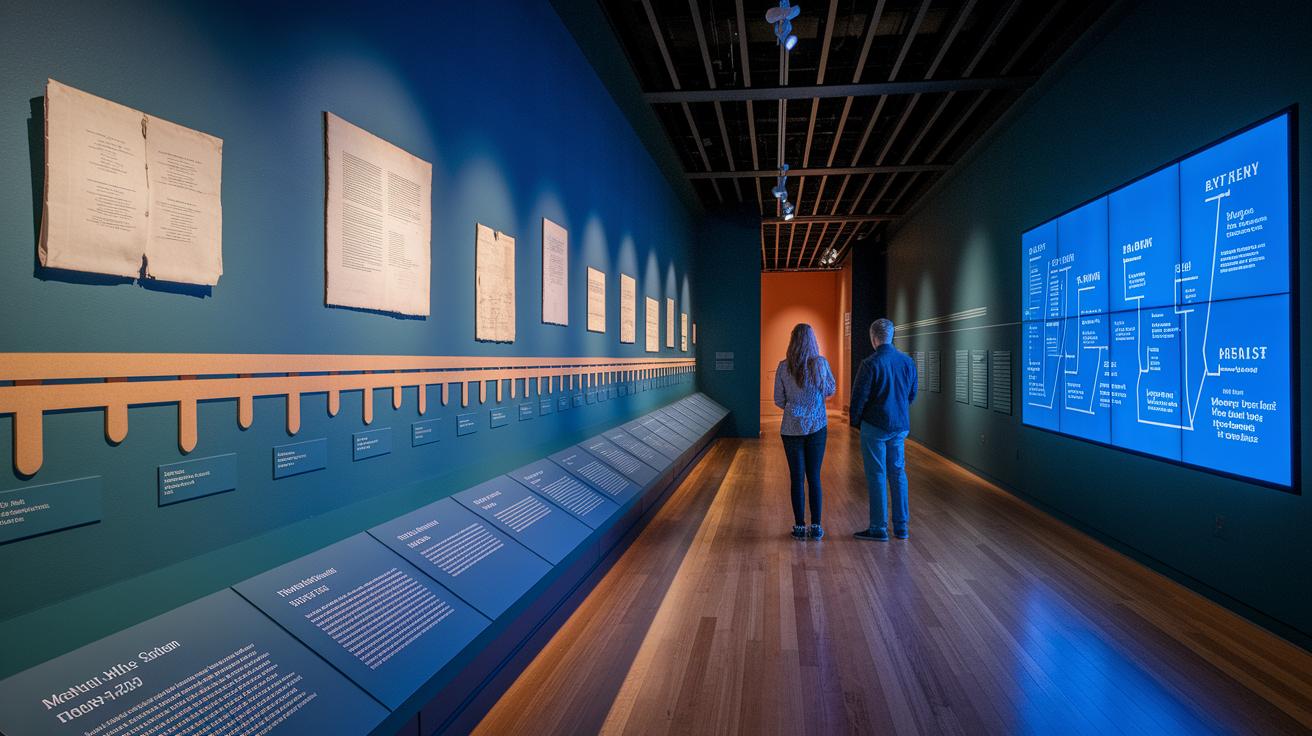
The Legacy Museum leads visitors on a clear journey from slavery to modern mass incarceration using various multimedia exhibits. Interactive setups let guests dive into personal stories, view historical items, and review recent figures about prison populations. One display pairs old documents with digital screens that update to show how racial bias has been tracked over time. This method makes past wrongs and today’s issues feel closely connected.
The museum places history in today’s context with easy-to-follow exhibits that trace the path from slavery to strict sentencing and overcrowded jails. Each display breaks down complex topics into simple parts. For example, visitors can handle courtroom replicas while listening to recordings from families who faced racial violence. Data panels show clear graphs and numbers detailing incarceration differences.
Another section offers a virtual tour using interactive maps mixed with historical data points. Visitors learn how communities in different regions suffered and later healed, giving them a fuller view of racial injustice over time. These displays spark thoughtful discussion on how old wrongs shape current challenges. The museum invites active learning, guiding visitors from old records to modern data, and showing the lasting mark of racial injustice.
equal justice initiative legal advocacy and reform programs

EJI works to make the justice system fair by providing direct legal help in cases like the death penalty, juvenile sentencing, and exoneration (proving someone innocent). Their lawyers take on cases where harsh punishments were given. They often overturn wrongful convictions by showing new evidence and pointing out mistakes in court. In one notable case, a minor got a new trial after EJI uncovered key errors that changed that young person's life.
EJI also files class-action lawsuits to fight poor prison conditions and harsh penalties. They unite groups to challenge inhumane treatment and overcrowding. These lawsuits push lawmakers to rethink practices that lead to long jail terms and unsafe prisons. For example, one class-action case helped improve conditions and cut sentences for prisoners suffering from dangerous work practices.
EJI backs its legal work with solid research. Their reports detail racial bias in policing, sentencing differences, and harsh prison labor. These studies mix hard data with personal stories to spark discussions on reform. They urge lawmakers to tackle bias directly.
Key areas of work include:
- Representing clients in death penalty, juvenile sentencing, and exoneration cases
- Using litigation to contest inhumane prison conditions and excessive sentencing
- Publishing research on racial bias in the justice system
By combining direct legal action, smart lawsuits, and detailed research, EJI makes a real difference in policy and the lives of individuals. Their work not only helps those directly affected but also fuels a wider push for reform in the justice system.
equal justice initiative community engagement and support opportunities

Join EJI in its drive for reform by taking on various community roles. You can help with research projects, outreach, or event support that celebrate and advance civil rights. For example, imagine volunteering at a fundraiser where your work directly boosts legal aid services.
EJI offers both paid and unpaid internships in legal advocacy, museum operations, and educational programs. As an intern, you'll work side by side with civil rights professionals and gain hands-on experience. You might start with a museum internship and see how historical stories can spark future change. Interns at EJI even help create exhibits that turn hard numbers into moving stories of justice.
The organization also invites you to attend or host fundraising events. At these events, local supporters come together to raise money for legal advocacy and restoration projects. It’s a great chance to meet advocates and learn about the fight against inequality. You can further explore EJI’s work by visiting the museum in person, joining ticketed events, or taking part in virtual programs that bring their powerful stories to life.
- Volunteer roles in research, outreach, and event support
- Legal and museum operation internships
- Fundraising opportunities and museum visit options
Final Words
in the action from Bryan Stevenson’s leadership to the equal justice initiative’s groundbreaking memorials and exhibits, this piece maps a clear trajectory of reform and public reflection.
It covers vital projects, legal battles, and community support efforts that tackle systemic bias.
The detailed look shows how legal advocacy and museum narratives connect America’s past to today’s issues.
The equal justice initiative stands as a lasting guide on the road to meaningful change. Positive progress continues to build hope for a fairer future.
FAQ
What is equal justice initiative criticism?
The equal justice initiative criticism refers to concerns raised about its methods in addressing racial injustice and its portrayal of historical legal challenges. Critics debate its strategies for legal reform and public memory.
What are equal justice initiative jobs?
The equal justice initiative jobs include roles in legal advocacy, museum operations, research, and community outreach. These positions support efforts to reform the justice system and promote community education.
What does equal justice initiative DC refer to?
The equal justice initiative DC refers to the organization’s activities in Washington, DC, where it engages in national advocacy, public discussions, and legal reform initiatives on issues of racial justice.
What is the equal justice initiative movie?
The equal justice initiative movie highlights the organization’s work and legacy. It documents efforts to confront racial injustice and reforms within the criminal justice system through cinematic storytelling.
What is the equal justice initiative museum?
The equal justice initiative museum is an exhibit space featuring displays on historical racial injustice, including memorials to lynching victims. It offers visitors educational insights into America’s troubled legal past.
Who is the equal justice initiative founder?
The equal justice initiative founder is Bryan Stevenson, a civil rights attorney who established the organization to combat racial bias in the legal system and promote wider criminal justice reform.
What does the equal justice initiative logo represent?
The equal justice initiative logo represents the organization’s commitment to confronting racial injustice and upholding legal rights. Its design includes elements that symbolize remembrance and the fight for fairness.
What does an equal justice initiative internship offer?
The equal justice initiative internship offers practical experience in legal advocacy, museum operations, research, and community engagement, providing interns a chance to contribute directly to justice reform efforts.
What is the purpose of the equal justice initiative?
The purpose of the equal justice initiative is to challenge racial discrimination, reform the criminal justice system, and educate the public through strategic legal action, exhibits, and community programs.
How many people did Bryan Stevenson save?
The impact of Bryan Stevenson’s work is measured by his role in overturning wrongful convictions and reforming sentencing, though an exact number of lives saved is not quantified due to the cumulative nature of his legal victories.
Who funds the equal justice initiative?
The equal justice initiative is funded by donations, grants, and fundraising events. Contributions come from individuals, foundations, and community organizations united in the effort to reform the justice system.
Is the equal justice initiative a reliable source?
The equal justice initiative is considered a reliable source, led by legal experts and backed by extensive research. Nonetheless, its advocacy work may be subject to debate by those with differing perspectives.