

Can computers think on their own? They work quietly behind the scenes to spot trends and improve processes. In this post, we look at how machines learn from data and solve new problems. They start with simple rules and grow into systems that remember recent events. This use of artificial intelligence is changing how companies work and grow. In short, these computer systems use data much like human brains to drive progress. This shift is opening up exciting opportunities in many areas.
Deep Dive Artificial Intelligence Sparks Bold Growth
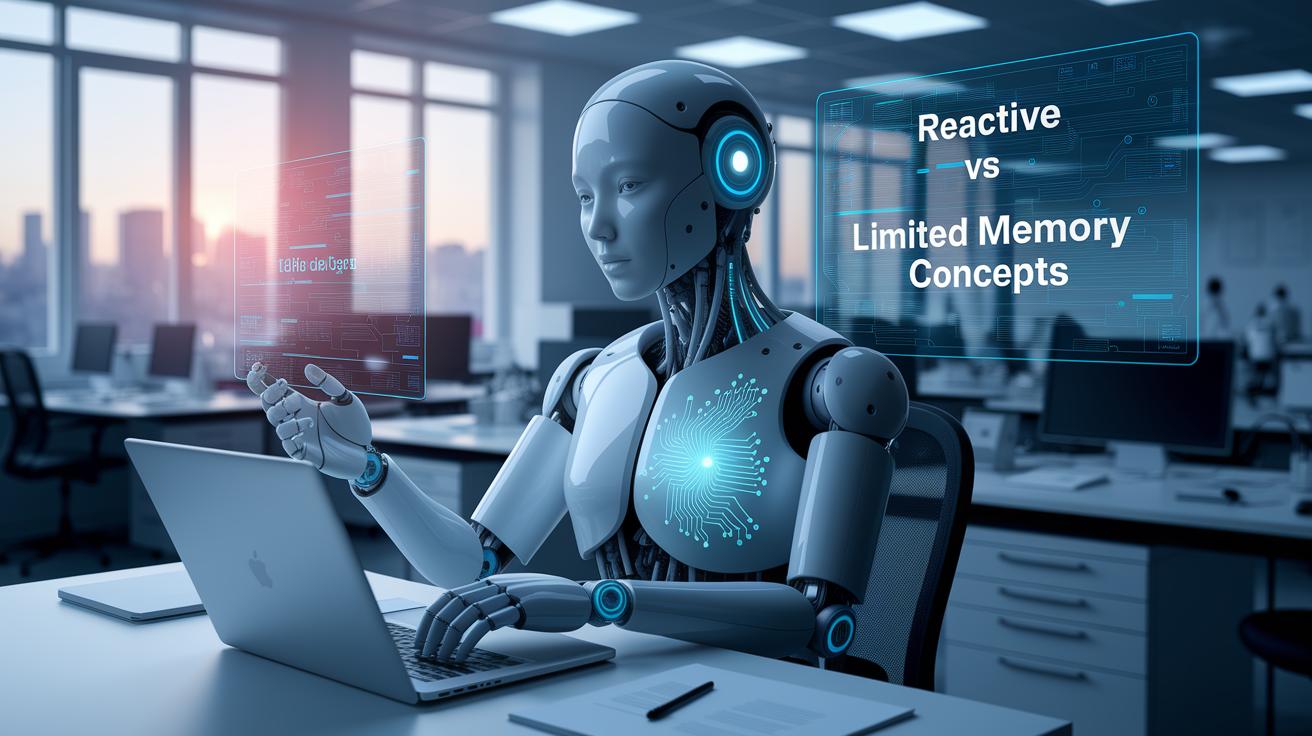
Artificial intelligence is a computer science field that trains machines to learn from data, spot patterns, and solve problems. In simple words, it teaches computers to think like people by using data. For example, one system might learn to find defects in products by reviewing thousands of images and then adjusting how it checks future images.
Reactive machines use fixed, pre-programmed rules and do not keep past information. They only respond to the input they get right away. On the other hand, limited memory systems remember recent data (information stored for a short time) to change how they respond. This ability to learn from past data makes them more effective.
Knowing these differences shows the building blocks of modern AI. Reactive machines work well in places where things rarely change, while limited memory systems do best when changes occur. These ideas set the stage for talking about advanced systems like machine learning and deep learning (a method where computers learn in layers from lots of data). This deeper look helps us understand trends in computer reasoning and points to strong, growing AI solutions in many industries.
Historical Evolution of Artificial Intelligence

In the 1950s, pioneers like Turing sparked thinking about machine intelligence. Early tests showed that computers could start to mimic human ideas with simple algorithms.
In the 1970s and 1980s, expert systems became popular. These were rule-based programs that tried to copy how people make decisions. In the 1990s, statistical machine learning took off. Systems began to look at data trends to make accurate predictions. This change from simple rules to analyzing data showed that AI could do much more than before.
After 2012, the deep learning revolution took hold. Complex neural networks, which are made up of many layers, processed huge amounts of data and greatly improved machine performance. This breakthrough changed the game for AI and widened its use.
Each of these steps built on the ones before, turning AI from basic ideas into smart systems that help with technology and data decisions today.
Core AI Architectures and Models

Modern AI uses two main models to make decisions. Machine learning studies past data to predict outcomes, while deep learning builds multi-layer networks to handle complex inputs. These models are at the heart of AI and help industries tackle real-world problems.
Machine Learning Fundamentals
Supervised learning is a key part of machine learning. In this method, algorithms such as regression (a tool to forecast numbers) and decision trees (a step-by-step decision maker) learn from labeled examples. This process helps systems discover hidden patterns in past data and use them for future decisions.
Deep Learning Overview
Deep learning relies on neural networks with many layers. Each layer applies simple math functions to change input signals into useful results. This design allows the system to detect subtle patterns, making it effective for tasks like image and speech recognition. Each layer improves the refining of information.
Both machine learning and deep learning power advanced AI solutions. They spot trends and decode complex patterns to drive applications like fraud detection and automated customer service. These models are central to building a smarter, more automated future in many sectors.
Key Artificial Intelligence Technologies

Artificial intelligence uses key technology pillars that help computers predict trends, understand language, see images, and interact with the world. These tools make AI useful in many fields, from smart customer support to advanced automation. They form the building blocks for systems that learn from data and make fast, smart decisions.
- Machine Learning: finds patterns and makes predictions
- Deep Learning: uses layered neural networks to handle complex data
- Natural Language Processing: helps computers understand text and speech
- Computer Vision: analyzes images and videos
- Robotics: allows machines to work in the physical world
- Expert Systems: follow rules to mimic human decision-making
These pillars work together to create strong, practical AI solutions. For example, machine learning helps build systems that predict market trends or spot problems in manufacturing. Deep learning improves these systems with powerful networks that work with very complex data. Natural language processing turns spoken and written words into formats that computers can use, powering voice assistants and better customer communication. Meanwhile, computer vision gives AI the ability to interpret visual information, which is important for safety monitoring and self-driving cars. Robotics puts these ideas into action by performing tasks that need precision and flexibility. Expert systems add a structured method to support tasks like healthcare diagnostics.
Together, these technologies address real-world challenges by combining clear data analysis, natural communication, and real-time action. For instance, a retail system might use machine learning to predict when stock needs refilling, natural language processing to answer customer queries, and robotics to manage warehouse tasks. This blend not only boosts efficiency but also drives significant growth in technology and business.
Practical Applications and Market Impact of Artificial Intelligence

Artificial intelligence is changing the way businesses work. Companies across different fields use AI to learn from data and predict outcomes for tasks like helping customers, spotting fraud, and managing supply chains. This not only improves service but also leads to major financial benefits, with market forecasts for machine learning and computer vision growing fast. Firms are quickly adding new algorithms to boost efficiency and keep their competitive edge.
| Application | Market Projection | Main Benefit |
|---|---|---|
| Machine Learning | $105.45bn USD by year-end | Better predictions and smarter decisions |
| Computer Vision | $29.88bn USD by 2025 | Real-time checks and smoother operations |
These AI tools offer clear advantages. Machine learning turns raw numbers into useful insights that guide big decisions in areas like retail and finance, such as adjusting prices and watching customer trends. Computer vision helps systems read images and videos for safety checks and supply chain control, which cuts delays and saves money. Together, they allow companies to react quickly to market changes and make their operations more streamlined. As businesses adopt these advanced AI solutions, they gain the tools needed to reach high levels of efficiency and strong market growth.
Future Trends and Ethical Considerations in Artificial Intelligence

Developers will soon experience a shift with new AI tools. Google has introduced Gemini 3 Pro along with its Antigravity tool. Gemini 3 Pro lets developers quickly update code to match project needs. This tool streamlines workflows by letting software agents (programs that carry out tasks automatically) handle routine actions.
Industry leaders are also addressing concerns about bias and accountability. Researchers are setting clear guidelines to review how these systems work. They plan regular checks of algorithm performance to keep operations fair. Many agree that reducing bias is essential to maintain public trust. These efforts build a foundation for technology that is both accurate and ethically sound.
Future research will explore how to blend ethical oversight with advanced AI tools. Engineers and scholars are working on practical ways to ensure fairness while boosting performance. Their studies aim to integrate accountability into the heart of evolving machine learning, ensuring that progress moves forward with both innovation and respect for user rights and societal values.
Final Words
In the action, our blog post broke down artificial intelligence from its core definitions to practical applications and ethical trends. It covered key concepts, from reactive machines to limited memory systems, and explored technology pillars like Machine Learning and Deep Learning.
We tied history, market figures, and operational impacts together. This deep dive artificial intelligence review offers clear insight into how these systems shape decision making. The field continues to expand and inspire positive change worldwide.
FAQ
Deep dive artificial intelligence pdf
The deep dive artificial intelligence pdf refers to a downloadable document that explains core AI concepts, including machine learning fundamentals and system architectures, in a clear and accessible format.
Chamath AI deep dive PDF
The Chamath AI deep dive PDF likely features insights from Chamath Palihapitiya on AI trends and investment ideas, outlining key concepts in modern machine learning and AI market strategies.
AI deep Dive Google
AI deep Dive Google refers to a Google resource or seminar that explores advanced topics in AI research, providing a detailed look at both machine learning techniques and ethical considerations.
Deep Dive AI chat
Deep Dive AI chat indicates an interactive platform where users can ask detailed questions about artificial intelligence and receive comprehensive responses on topics like neural networks and data analysis.
Deep Dive AI download
Deep Dive AI download describes a resource package available for download, offering extensive information on AI fundamentals, practical applications, and key concepts in computational reasoning.
How to use Deep Dive AI
How to use Deep Dive AI involves following clear instructions or a tutorial to operate an AI tool that analyzes data, generates insights, and aids in understanding complex machine learning concepts.
Deep dive AI podcast generator
Deep dive AI podcast generator is a tool designed to help users create podcast content by leveraging AI to produce topics, scripts, or summaries based on current trends and industry discussions.
Dive deeper in AI Mode
Dive deeper in AI Mode means activating an advanced setting in an AI tool that provides detailed analyses and comprehensive breakdowns of complex data, enhancing understanding of intricate AI processes.
What is deep dive in AI?
Deep dive in AI means a thorough exploration of artificial intelligence, covering everything from basic definitions of AI to detailed discussions on neural networks, machine learning algorithms, and system architectures.
What are the 3 best AI stocks to buy?
What are the 3 best AI stocks to buy examines leading companies in sectors like machine learning, natural language processing, and robotics, chosen for their strong market performance and innovative approaches.
What is the 30% rule for AI?
What is the 30% rule for AI refers to a guideline used by analysts that suggests a specific threshold in resource allocation or expected returns when assessing AI investments and project viability.
What does DeepSea, AI do?
What does DeepSea, AI do describes a system that uses deep learning to analyze large data sets, extracting actionable insights and supporting decision-making in complex operational environments.