

Can a simple stream of data stop the next outbreak? Health experts gather critical details from hospitals, labs, and local communities to spot trends early. Studies show this method can warn officials before a small problem becomes a large one. Much like our body’s alert system, it sparks fast action and guides smart policy. In this post, we explain how early warnings build safer communities and drive fresh ideas in health care.
Grasping the Essentials of Public Health Surveillance

Public health surveillance means collecting, checking, and sharing health data. It gathers information from hospitals, labs, and communities to track events as they happen. Studies show this setup gives us early alerts for new issues and guides decisions on policies and actions. By recording data when events occur, it helps detect outbreaks and steer plans to keep communities safe. This constant effort helps health officials monitor trends and prepare communities to respond to sudden disease outbreaks.
Using tools for event tracking and early warnings, this process turns raw data into useful advice. Officials can step in quickly when they see signs of trouble. The system not only spots disease patterns fast but also directs timely resource deployment and care. By guiding how we respond and shaping health policies, public health surveillance strengthens our hospitals and clinics while building trust with communities.
Core Data Collection Methods in Public Health Surveillance

Public health groups use many methods to collect data. They do this to catch problems early and make smart choices. Mixing different methods helps balance speed, accuracy, and cost. One study stated, "Active surveillance revealed a hidden outbreak by reaching out directly to providers." That shows the power of active methods.
- Passive monitoring: using routine reports from health providers.
- Active case finding: authorities contact providers and review records directly.
- Sentinel monitoring: selected sites report data to spot early trends.
- Population-based surveillance: tracking how often diseases occur in different groups.
- Indicator-based surveillance: gathering key numbers such as case counts or death rates.
- Event-based surveillance: collecting data from formal reports and media sources.
- Syndromic surveillance: watching patient symptoms before a confirmed diagnosis.
- Laboratory reporting integration: using lab tools like genome tests and blood tests (serology) to pinpoint germs.
Each method has its pluses and minuses. Passive monitoring is cheap but can be slow and incomplete. Active case finding gives more accurate data, though it needs extra work. Sentinel methods catch early signs by focusing on selected spots, while population surveillance offers a broader view, even if data quality can vary. Indicator and event systems track known issues and warn of new risks. Syndromic surveillance gives early alerts, and lab reporting confirms the details with clear evidence. Together, these methods help health officials act fast to protect communities and drive better health responses.
Five Phases of the Public Health Surveillance Process
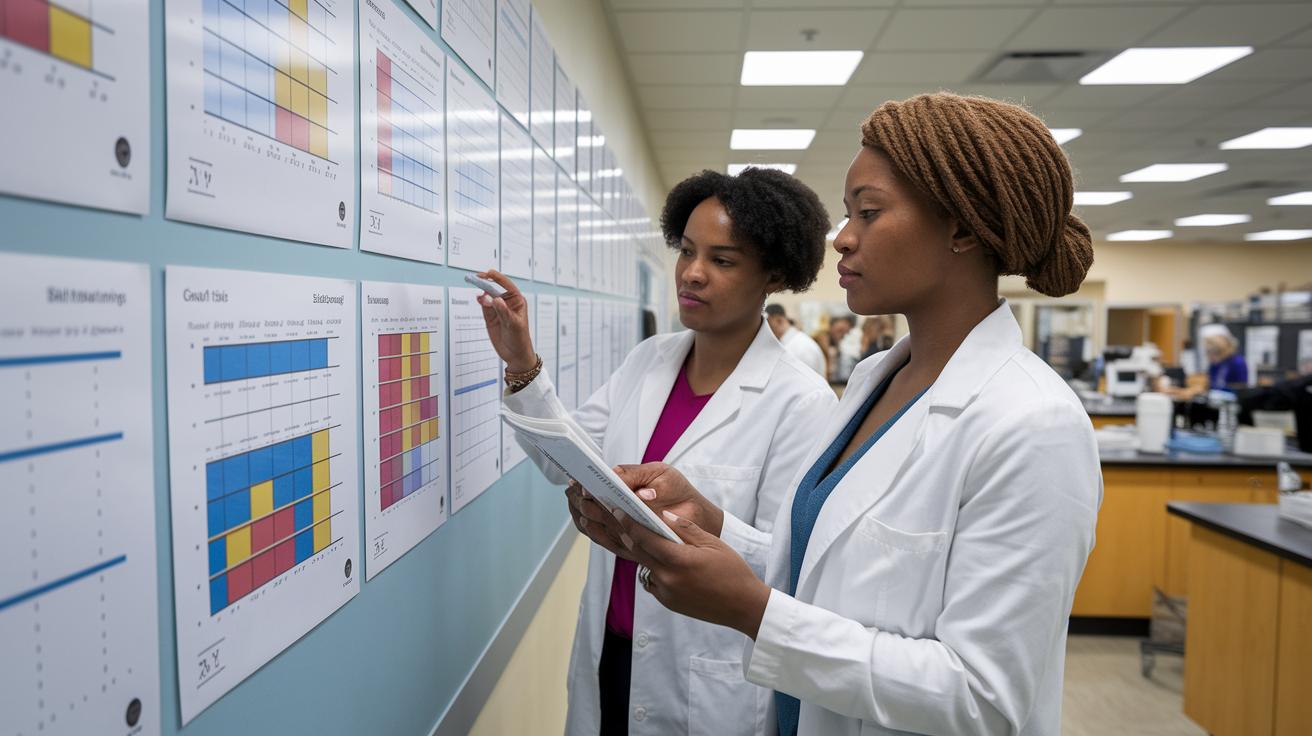
Public health surveillance has five clear steps that turn raw health data into practical actions and policies. It starts with gathering information from clinics, labs, and community surveys, and then moves through careful analysis and shared reporting. This system combines trend analysis, standardized reports, and timely check-ups to guide vital decisions.
Data Collection
Data collection means gathering basic facts from many sources such as clinics, labs, community surveys, and health records. Clinics record patient visits and symptoms, while labs run tests to identify germs. Community surveys capture local trends. For instance, if a clinic sees more patients with breathing issues, labs may be prompted to test for infections. Each source adds a piece to the larger public health puzzle.
Data Analysis
Data analysis uses math tools and models to spot patterns and unusual signals. Experts use techniques like regression analysis, time-series analysis, and cluster detection (finding groups of similar cases) to see if there is an emerging health threat. This step helps decide if a rise in cases is normal for the season or a sign of a new outbreak.
Data Interpretation
Data interpretation turns numbers into clear insights that public health officials can use. By comparing present trends with past data, experts explain what the numbers mean in real-life terms. This step shows the seriousness of health issues and helps guide decisions on resource use and additional screening.
Data Dissemination
Data dissemination is about sharing the analyzed results with key decision-makers. The information is delivered through digital dashboards, official reports, and community meetings. Clear and quick communication ensures that everyone understands and can act fast when needed.
Link to Action
Link to action connects the surveillance findings to hands-on health measures. Health officials use the insights to launch treatment programs, start behavior change campaigns, or enforce new policies. This final step makes sure that data leads to real actions to stop disease spread and improve community health.
Analytical Techniques for Disease Trend Analysis

Modern systems now use new ways to analyze disease trends. With huge amounts of data, health experts can spot outbreaks faster than ever before. They check for quick alerts, timely updates, and high-quality data to catch patterns that might signal a threat to public health.
Analysts use models from epidemiology (the study of diseases) and simple statistical methods to predict how illnesses may spread over time. They also use risk tools to help officials judge potential impacts and use resources wisely. This work is key when cases suddenly rise because it turns early warnings into actions that protect community health.
By using these methods, public health tracking goes beyond old ways of reporting. More data means officials can assess risks with higher accuracy, and combining epidemiology with statistics gives a clearer picture of disease trends. This blend helps spot outbreaks early and guides responses that save lives while reducing the overall impact of health emergencies.
Technological Advances and Digital Epidemiology in Public Health Surveillance

New tech is changing how we watch public health. It mixes data from many digital sources to help leaders make quick, smart choices. Internet searches and social media now add real-time signals to regular health records, making updates faster and clearer. Digital tools help health agencies catch outbreaks sooner by scanning online activity for warning signs. Health apps and connected devices instantly share personal data, feeding central systems with crucial facts. Electronic systems bring all this varied information into one neat set that supports clear analysis and fast action.
Officials can now spot trends and direct resources more efficiently, even as they work to fix issues like privacy and digital setup. These advances not only speed up spotting health threats but also improve planning and fast responses in urgent times, saving lives and reducing disease in communities. By combining digital tools with trusted health methods, modern monitoring adds fresh insight into public health. The table below shows key digital advances and their roles in today’s efforts. This swift mix of digital platforms boosts live tracking and gives health managers solid information to build better plans and target help. It is a major step forward.
| Technology | Function | Key Benefit | Limitation |
|---|---|---|---|
| Digital epidemiology platforms | Merges various digital sources | Wide-ranging surveillance | High computing power needed |
| Internet-based detection tools | Tracks online activity for health signs | Fast signal detection | Risk of false alerts |
| Mobile health monitoring | Collects live patient data | Instant data capture | Relies on user adoption |
| Electronic data management | Organizes large data streams | Better decision making | Needs strong digital infrastructure |
Legal, Ethical, and Governance Considerations in Public Health Surveillance

Health data collection brings up big privacy and security issues that are controlled by both constitutional principles and state laws. Legal rules require reporting and set up data-sharing steps to protect people's rights while also keeping the public safe. Oversight helps ensure that surveillance systems stick to these rules and protect privacy. These laws make sure that health information is collected and shared only in ways that meet legal standards and public expectations. For instance, laws require organizations to use strong security measures to stop data misuse and unauthorized access.
Ethical rules are just as important. They guide how data is handled and shared, especially during health emergencies. Standards for system connection (interoperability) allow different health systems to talk with each other easily while keeping data accurate and safe. Clear processes build trust and encourage proper reporting. By weighing privacy concerns against the need for useful data, these legal and ethical rules help create a system that supports both public health and civil rights.
Public Health Surveillance: Advancing Healthcare Innovation

Health officials now use flu monitoring systems and vaccine records to track sickness and measure vaccine results. For example, the World Health Organization’s FluNet collects information on flu strains from many countries. This early warning helps officials act fast. National registries also check vaccine coverage to keep high-risk groups safe. Early signals can trigger quick immunization drives, much like noticing rain before a storm. This smart approach uses resources well and targets efforts to stop the flu.
Pandemic monitoring systems have been key in handling outbreaks like COVID-19, SARS, and MERS. These systems send early alerts that start fast case checks and travel warnings. They pull data from many sources, which helps officials spot rising hotspots and understand the disease’s spread. Quick alerts allow health experts to tell communities when to quarantine and practice social distancing. This active monitoring helps decide where to send extra health support when crises hit.
Working together across borders is vital during large health emergencies. Countries share data to track diseases that cross boundaries. This teamwork brings together health agencies from different regions so that actions like sending medical supplies or limiting movement happen on time. Real-time data and a coordinated plan are key for strong and effective responses. This combined effort helps control outbreaks and protect public health around the world.
Final Words
In the action, the article broke down key aspects of public health surveillance, explaining its core purpose, data collection methods, and analytical phases. It looked at active and passive techniques, digital tools that speed up processing, and the upholding of privacy standards under legal guidelines. The piece then showcased real-world examples that demonstrate how surveillance supports fast decision-making during health crises. Public health surveillance remains a key tool to track and manage health events, driving smart strategies and keeping communities safer.