
Can trade make our lives better? Some people doubt that swapping goods between nations only helps a few. But trade has powered big economic changes since the 1800s. Today, exports make up a larger part of many countries' economies. This article shows how global trade boosts growth and cuts prices for consumers. By looking at past trends and current shifts, you'll see how international trade fuels prosperity and raises living standards worldwide.
Core Mechanisms and Economic Impact of International Trade
International trade plays a key role in building strong economies. It opens new paths for income, boosts productivity, and saves money for consumers. In the early 1800s, exports made up less than 10% of global production. Today, in many countries, exports represent over 20% of their GDP (Gross Domestic Product). This change comes from better cross-border finance methods that cut costs and help more businesses reach global markets.
Trade openness is measured by adding exports and imports and then dividing that sum by GDP. This ratio shows how linked a country is to the world. Studies show that deeper trade ties lead to higher GDP and better company efficiency. When companies work more efficiently and serve more customers, prices drop and product choices grow. Yet, not every sector benefits equally. Some areas see mixed results in job growth and wages, which shows that trade rules have a complex impact on labor markets.
The concept of comparative advantage also boosts this growth. Countries like to specialize in what they make best, which makes global trade run more smoothly. This focus helps households by providing more products and steady prices. Overall, as trade expands, economies become stronger and more competitive, paving the way for steady growth and better living standards. Many studies connect these trends with measurable improvements both in national economic performance and in company-level operations.
Historical Waves and Trade Theory in International Trade
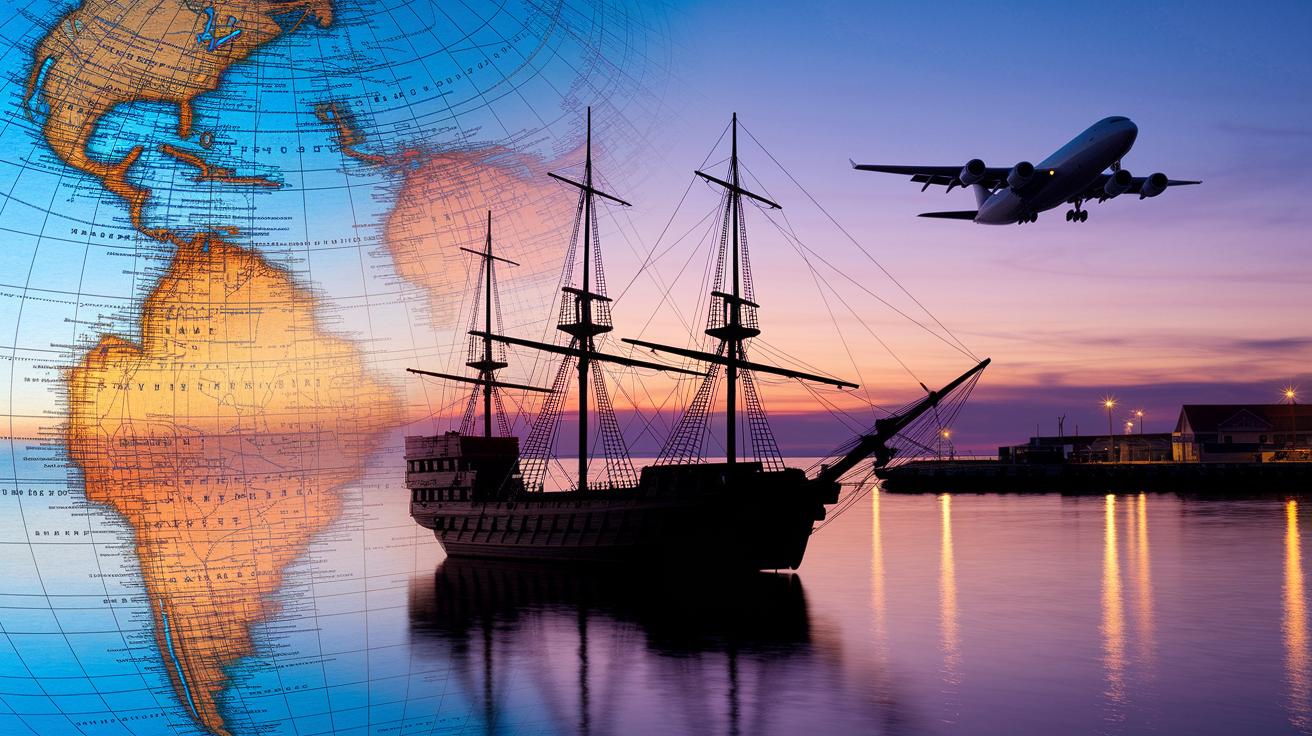
In the early 19th century, countries started small trade ventures where exports made up less than 10% of global output. In an era of wooden ships and rough routes, trade barely touched modern economies.
After World War II, a new wave emerged. Advances in aviation, more efficient ships, and improved telephone networks reduced costs. Trade then grew to over 20% of economic output. This change shows how technology can reshape economic trends.
The idea of comparative advantage (focusing on products made most efficiently) remains a key part of trade theory. Countries specialize in what they do best. This focus led to regional economic partnerships that evolved from simple country ties to complex agreements with clear rules. These alliances not only regulate markets but also offer smaller economies the chance to specialize and access global markets. Trade models still guide business strategies and global partnerships today.
International Trade Drives Global Prosperity
International trade works with a network of laws and agreements that keep business flowing smoothly. The World Trade Organization, along with bilateral treaties and regional pacts, sets up rules that guide how companies operate. Firms must report their transactions accurately, and even a small mistake can lead to heavy fines. For instance, a distributor in North Carolina once paid $54.4m under the False Claims Act for not paying the correct duties on Chinese tungsten carbide. This shows that strict rules help keep competition fair and push companies to follow customs standards.
Analyzing tariff impacts is key in trade. Regulators compare the actual tariff rates with the rates promised in international agreements. This review helps drive policy reforms that simplify and make processes more transparent. Reforms are also tackling differences in customs data that occur because countries record information in different ways. These differences can make it hard to compare numbers and measure trade clearly. New technology is now being used to boost accuracy and reduce paperwork.
Today, trade rules must keep up with a changing market. New policy reforms aim to simplify administrative processes while still guarding against fraud. Countries are revising their rules to give businesses clear guidance and keep markets stable. Regulators and industry leaders are working together to clarify customs standards and reform tariffs. Clear trade rules create a level playing field, boost efficiency, and drive prosperity across borders.
Export-Import Procedures and Documentation for International Trade
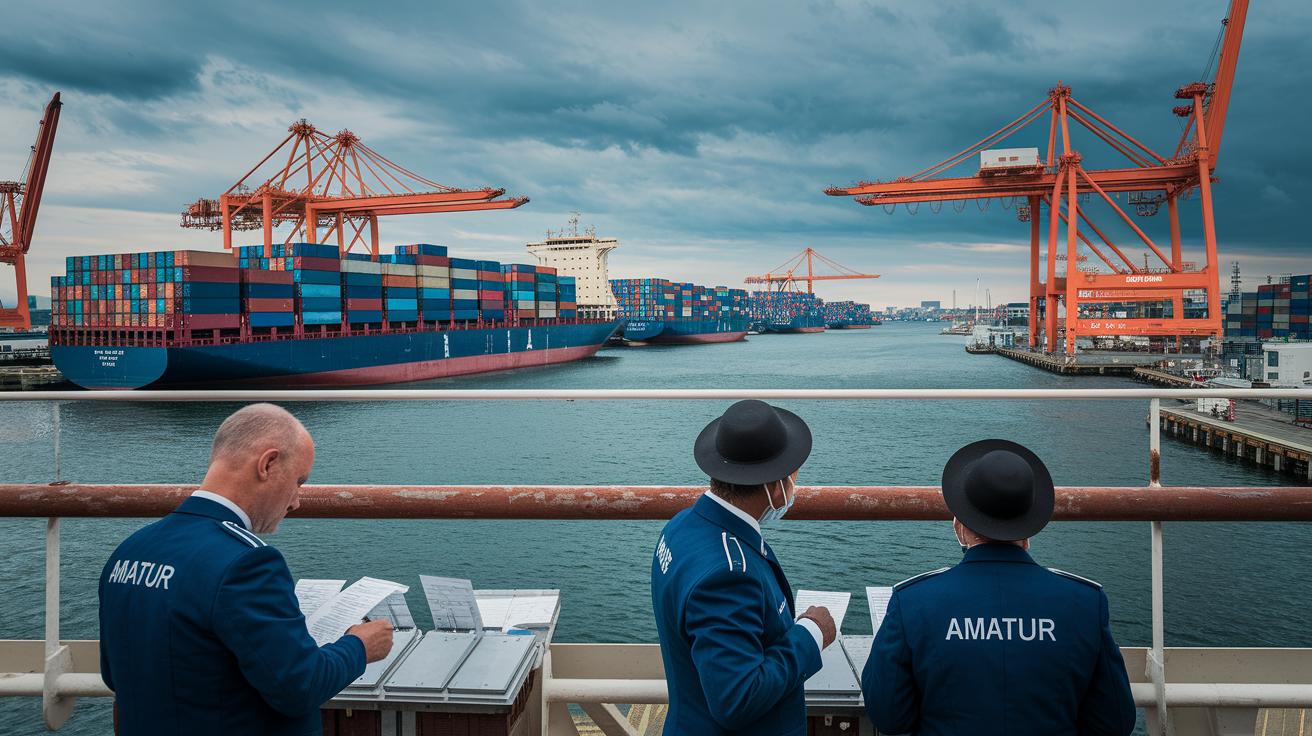
Export and import steps are key to global trade. They help speed up transactions and make sure companies follow the rules. Trade openness is calculated by adding exports and imports and then dividing by the country’s GDP. For example, the United States often shows a lower ratio than many European nations, where trade between neighbors is high. Customs records give us the official numbers, though different rules in each country can leave gaps in the data.
Duties are calculated using methods like CIF (Cost, Insurance, and Freight) or FOB (Free On Board). A tariff rate is added to these values. These methods can change by product, which affects the final cost. Getting duty calculations right is crucial for controlling trade costs and keeping business smooth at borders.
Mapping the process helps companies finish transactions efficiently by following a clear set of documents. Key export-import documents include:
- Commercial invoice – a detailed record of the sale and pricing.
- Bill of lading or airway bill – a document that confirms shipment details and the carrier.
- Certificate of origin – proof of the country where the goods were made.
- Packing list – a list that shows what is inside, the amounts, and package details.
- Export/import license or permit – a legal document that clears the trade.
These documents not only help calculate duties correctly but also reduce errors during customs checks. This clarity helps maintain the smooth flow of global trade and cuts risks for both businesses and governments.
Logistics and Supply Chain Optimization in International Trade
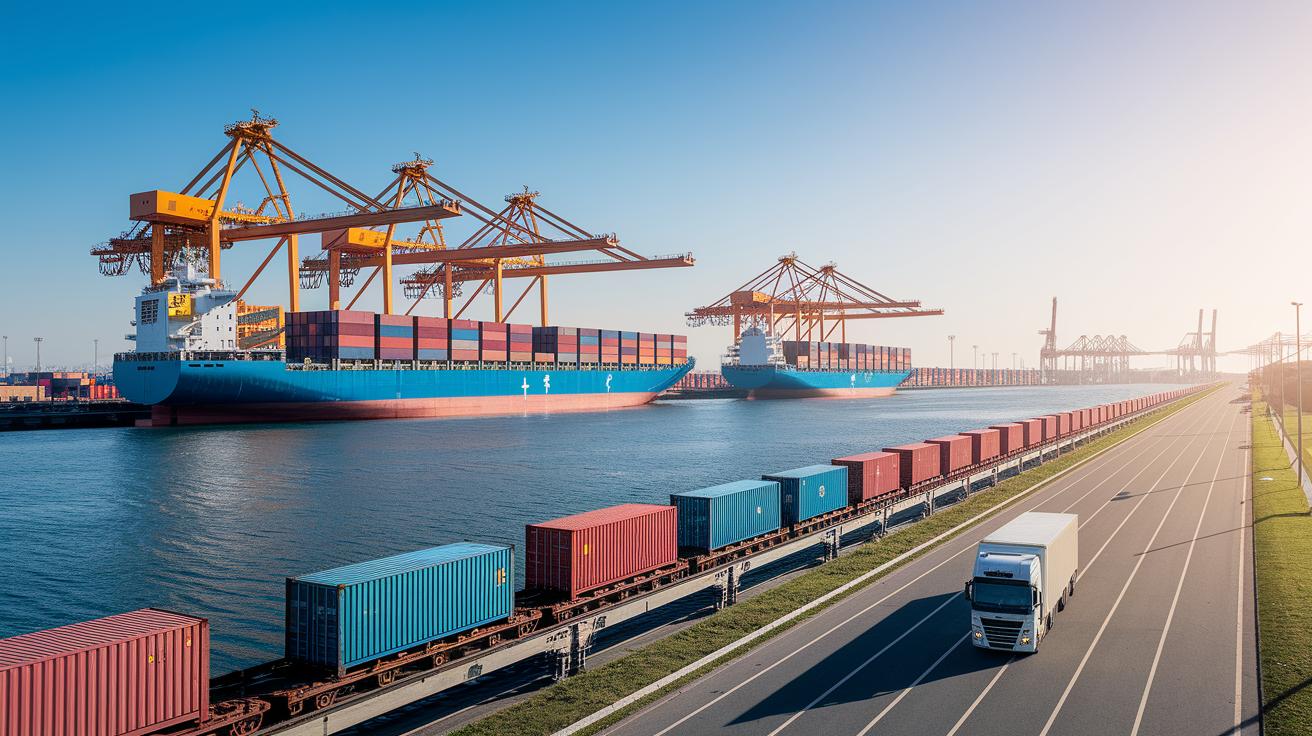
Distance and transport costs shape global trade. Ships carry almost 80% of the world's cargo by weight, showing how vital ocean freight is in international commerce. Companies design networks that balance speed and cost by using a mix of sea, rail, and air transport. For example, a company might send goods overseas by ship and then use rail to move them inland.
Port operations also affect supply chain efficiency. Ports differ in capacity, automation, and how well they link to inland markets, which influences how fast goods clear customs and move on. Smart logistics planning cuts delays and reduces expenses, boosting overall supply chain reliability.
| Model | Key Feature |
|---|---|
| Hub-and-Spoke | Centralized consolidation for lower unit cost |
| Point-to-Point | Direct routing for faster delivery |
| Multimodal | Combines sea, rail and air for optimal balance |
Efforts to optimize the supply chain continue to improve efficiency. Strategic network design shortens transit times and cuts costs, strengthening global commerce and enhancing market reliability.
Digital Platforms and Emerging Trends in International Trade

Digital tools are reshaping global trade by speeding up and clarifying processes. B2B digital platforms now match suppliers and handle contract management swiftly. For instance, one online system connected a small manufacturer with an international buyer, cutting out extra middlemen. This boost in speed reduces costs and helps clear goods faster.
Automated customs declarations replace heavy paperwork, while real-time cargo tracking keeps shippers updated immediately. These improvements make trade flow more smoothly between borders. Meanwhile, new online rules and standards provide clear guidance for both buyers and sellers.
Digital import solutions now let companies manage every step of shipment processing, from container loading to final delivery. Secure digital payments increase trust and speed up settlements. Innovations in freight forwarding combine digital data with physical transport, so cargo moves efficiently by sea, road, or rail.
These digital trends simplify international procedures, lower costs, and build trust in cross-border commerce, setting up a modern framework for a more connected world.
Market Entry Strategies, Risk Management and Growth in International Trade

Businesses planning to expand into new countries have several options for entering a market. Some form joint ventures with local firms to share risks and gain local insights. Others use franchising to replicate a proven model. Some set up wholly-owned subsidiaries to control every aspect of their operations. Each method has its own pros and cons. For example, a company might start with franchising to test a market before making a larger investment in a subsidiary.
Assessing political risks is crucial when investing overseas. Companies need to look at factors such as government stability, policy shifts, and local laws that might affect their work. They often lower these risks by using tools like export credit insurance (protection for sellers against non-payment) and legal measures. Changes in currency values can also hit profits hard, so many use forward contracts to lock in exchange rates and reduce uncertainty.
Financial risks are also managed by planning for dispute resolution. Many contracts include terms for ICC arbitration (a method of resolving disputes through an international institution) or WTO dispute mechanisms (rules set by the World Trade Organization). This ensures disagreements are handled through trusted channels. A clear plan that covers these areas helps companies grow steadily and shields their investments over time.
Final Words
In the action, the article broke down international trade's role in shaping economies today. It explored how trade grew from early industrial times to modern digital platforms, explaining key theories, compliance challenges, and the steps for export-import operations. It also examined how logistics and market entry strategies affect global deals and risk management. The post ties together economic growth, financial channels, and digital shifts into a clear, actionable view of global commerce. This practical guide leaves readers with a confident step forward in understanding international trade.
FAQ
What are international trade books and PDFs?
International trade books and PDFs provide detailed guides on trade theory, policies, and procedures that help readers understand global exchange and economic impacts.
What are some international trade examples?
International trade examples include exporting agricultural products, importing electronics, and cross-border investments that influence economic growth and productivity.
What are the advantages and importance of international trade?
The advantages of international trade include lower consumer prices, increased product variety, and higher GDP, while it also drives specialization and innovation in economies.
What are the types of international trade?
The types of international trade typically encompass exports, imports, and balanced trade, where nations exchange goods based on their unique production strengths.
How is international trade defined in economics?
International trade is defined as the exchange of goods, services, and capital between countries, playing a key role in boosting economic growth and improving market access.
What are international trade notes?
International trade notes summarize key concepts, theories, and real-world examples, serving as practical study tools for understanding global commerce and its economic effects.
What constitutes an international trade job?
An international trade job involves managing export-import operations, ensuring customs compliance, and analyzing global market trends to facilitate cross-border transactions.
Why is international trade important?
International trade is important because it spurs economic growth, offers wider market access, reduces costs for consumers, and creates opportunities for innovation and job creation.