

Amazon handles millions of orders every day. Its network of over 175 fulfillment centers sends out packages around the globe. This smart system helps the company deliver orders quickly while boosting sales. We look at how its shipping steps and money methods work to keep the business growing.
Amazon Deep Dive: Comprehensive Operational Overview
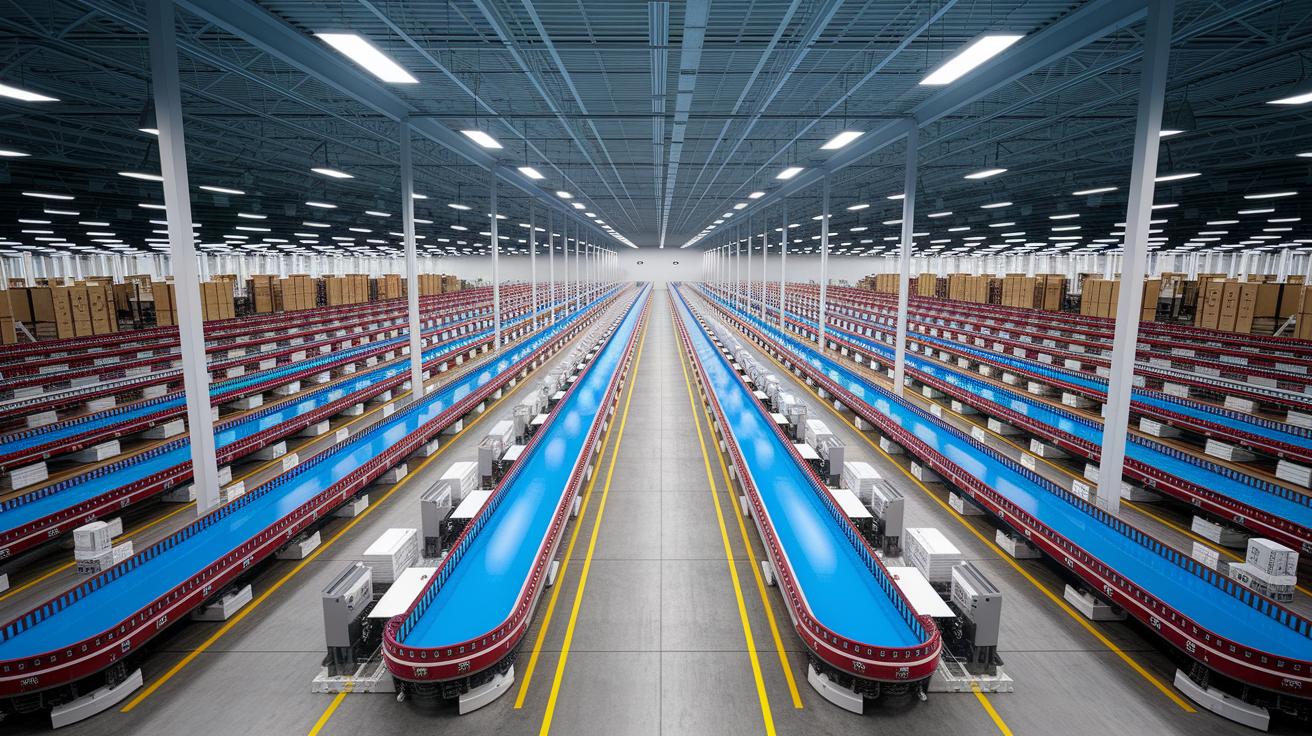
Amazon runs over 175 fulfillment centers around the world. They process millions of packages every day to keep deliveries fast in major markets. Daily numbers show a high volume of packages and strong on-time delivery rates. This system supports same-day delivery in cities and two-day shipping for Prime orders. Managing so many orders well shows Amazon's strong focus on getting things right for its customers.
| Component | Function | Impact |
|---|---|---|
| Fulfillment Centers | Storage and packing of products | Handles high volumes and speeds up order fulfillment |
| Sortation Centers | Sorting packages for regional delivery | Helps with efficient routing and faster transit times |
| Transportation Network | Moving goods from centers to customers | Key for keeping delivery speeds high |
| Last-Mile Delivery | Local delivery directly to customers | Boosts customer satisfaction with on-time arrivals |
Amazon follows the Dive Deep and Operational Excellence principles to improve each part of its network. They check that their overall data matches what happens on the ground. This approach gives them clear insights and helps refine their strategies.
Amazon Deep Dive: Business Model Dissection and Revenue Streams

Amazon made net sales of $513 billion in fiscal year 2022. They earned money from several key areas: online stores, third-party seller services, AWS (Amazon Web Services, which provides scalable cloud computing), subscription services, and advertising. Each part helps build a steady mix of income and shows Amazon's plan to keep its business strong and flexible.
The online store brought in $233 billion by selling many products directly to customers. Third-party seller services generated $132 billion and let independent sellers reach buyers around the world. AWS earned $62 billion and serves as a vital tool for companies needing flexible cloud solutions. Subscription services contributed $35 billion, showing strong customer loyalty through Prime membership. Advertising grew 25% year over year, proving that smart digital ads and targeted marketing boost overall sales.
Guiding ideas like Customer Obsession, Frugality, and Long-Term Thinking shape how Amazon earns its revenue. Customer Obsession shows in how the online store keeps updating its offerings to meet customer needs. Frugality leads to lean operations that help profit margins, and Long-Term Thinking drives the company to reinvest profits, especially from AWS and advertising, into new ventures instead of chasing quick gains. Before launching its cloud services, Amazon had little idea that AWS would account for nearly 12% of its sales. These core principles direct how money is allocated and help ensure both immediate success and growth for the future.
Amazon Deep Dive: Strategic Innovation in Technology

AWS leads the global cloud computing market and holds about 33% of it. It offers over 200 services, including EC2, S3, and Lambda. This strong 30% annual growth shows that its cloud solutions work well at a large scale. AWS's market power boosts Amazon's standing and pushes new ideas for online business.
Amazon has also improved its cloud services by using container and serverless methods. For example, Amazon ECS and Amazon EKS help run millions of production workloads. They also speed up deployments by 40%, allowing companies to update their systems quickly and reduce downtime. One major retailer using ECS cut its deployment time from several hours to just minutes. These tools make it easier for companies to manage applications and quickly adjust to changing market needs.
Machine learning is another key part of Amazon's technology. Amazon SageMaker notebooks help many data teams create custom algorithms that improve personalization and streamline logistics. In addition, Amazon Rekognition processes over 1 billion images each month, supporting tasks such as automated quality checks and enhanced security. One client used SageMaker to refine inventory management, which improved stock accuracy and customer service. These machine learning services play a vital role in driving product innovation and superior user experience.
Amazon Deep Dive: Leadership Principles and Corporate Culture

Amazon builds its culture on 16 core Leadership Principles. These rules guide decisions, keep leaders accountable, and focus everyone on achieving great results for customers. They include ideas like Customer Obsession, Ownership, Invent and Simplify, Operational Excellence, and Dive Deep. New goals such as Strive to be Earth’s Best Employer and Success and Scale Bring Broad Responsibility add to the mix, creating a work setting that is all about steady improvement and smart innovation.
Customer Obsession
Customer Obsession means starting every plan by thinking about the customer. Leaders begin by looking at what customers need, then work backward to develop their plans. For example, one manager studied customer satisfaction scores and changed the service plan to build trust and keep customers coming back.
Ownership
Ownership is about thinking beyond your own tasks to serve the best interest of the whole company. Leaders set long-term goals and delegate routine work, allowing them to focus on key strategies. For instance, one director passed on daily tasks to concentrate on future projects, showing how stepping back from small details helps solve bigger challenges.
Dive Deep
Dive Deep means staying connected to both the big picture and the fine details. Leaders regularly check overall metrics against day-to-day observations to make sure the numbers match reality. When they see problems, they look closer and adjust their plans. This approach makes sure every decision rests on real-world facts.
Together, these principles drive both creative thinking and strong operations. They build a system where small, continuous improvements lead to real results. By putting the customer first, taking full ownership, and using accurate data, Amazon helps its leaders push progress while never losing sight of everyday needs.
Amazon Deep Dive: Market Trends and Competitive Landscape

Amazon holds nearly 40% of the U.S. online shopping market. Walmart, for example, has 5.9% of the same market, and it faces competition from eBay, Alibaba, and new direct-to-consumer sites. This strong market share makes Amazon a clear leader in online retail. One expert noted that Amazon built its empire by consistently outperforming smaller rivals.
Global online shopping is set to grow by 15% each year until 2025. In fast-growing places like India, where growth has reached 60%, and in regions such as the Middle East and Latin America, Amazon is expanding its reach. New launches, like Amazon Pharmacy, show how quickly the company can tap into fresh market segments. These efforts build on its existing strengths and help it reach new customers.
Amazon follows a fast and large-scale strategy. The company uses a Bias for Action (acting quickly) and Think Big (taking on big challenges) mindset to make fast decisions and enter markets before its competitors can catch up.
Amazon Deep Dive: Growth Strategies and Future Outlook

Amazon grows by putting its profits back into the business for future rewards. It makes smart, bold decisions while keeping an eye on efficiency. Every investment is a step toward long-term success.
In 2017, Amazon bought Whole Foods for $13.7 billion. This move helped the company diversify into physical stores. At the same time, Amazon Web Services plans to spend $35 billion over the next three years to build new data centers to meet the growing global need for cloud services. The company also invests in robotics and artificial intelligence (AI). For example, its 2012 purchase of Kiva Systems changed warehouse work and led to more research and development. These efforts follow Amazon’s ideas of careful spending and simple innovation.
Looking ahead, Amazon is ready to try new fields like healthcare and autonomous deliveries. Its focus on long-term planning and flexibility will help the company adjust quickly to new trends and keep moving forward.
Final Words
In the action, the article shows a clear overview of Amazon's operational efficiency, diverse revenue model, breakthrough technology and focused leadership principles. It explains how each element, from speedy logistics to strategic investments, shapes the company's powerful global stance. The amazon deep dive also highlights solid data and real-world insights that enhance understanding for those tracking market shifts. The analysis leaves readers with a sense of clarity and optimism about the future.
FAQ
What do Amazon deep dive Reddit discussions and answers cover?
Amazon deep dive discussions on Reddit explore detailed operational and cultural topics. These answers often analyze logistics, technology, and leadership approaches based on firsthand observations and shared insights.
What are Amazon’s Leadership Principles and how are they presented?
Amazon’s Leadership Principles serve as guiding rules, covering areas like Customer Obsession, Ownership, and Dive Deep. They are frequently shared through examples, cheat sheets, and interview question formats.
How do Amazon leadership principles influence interview questions?
Amazon leadership-based interview questions assess qualities such as long-term thinking and accountability. They prompt candidates to share real-world examples that reflect principles like Ownership and Operational Excellence.
What does the ‘Dive Deep’ principle mean at Amazon?
Dive Deep means reviewing detailed data and verifying metrics with tangible evidence. This principle helps employees understand operations thoroughly and make informed decisions at all levels.
What is meant by ‘Ownership’ at Amazon?
Ownership means acting as if you own the company, taking responsibility for decisions that benefit the whole business. It encourages proactive problem-solving and long-term strategic thinking.
What are the key principles, including Jeff Bezos’s core ideas, at Amazon?
Amazon’s key principles include Customer Obsession, Ownership, Invent and Simplify, and Operational Excellence. Jeff Bezos emphasized these ideas to drive innovation, ensuring decisions are grounded in practical and long-term benefits.