

Do our daily habits help cool our warming planet? In 2021, scientists warned that fossil fuels cause rapid heating. They said our world feels like it is trapped under a heavy blanket. Our choices in energy and transportation add extra heat and trigger more extreme weather. This article shows clear steps we can take: switch to clean energy, protect our forests, and use our resources more wisely. These actions, when combined, can spark real change and lead us toward a safer, greener future.
Essential Steps for Stopping Climate Change

Scientists warned us in 2021 with a "code red for humanity" because our planet is heating up fast. Burning fossil fuels like oil, coal, and natural gas warms the Earth like a heavy blanket. This extra heat drives up temperatures and makes extreme weather events worse.
Our way of powering homes and industries harms both communities and nature. To fix this, we must move away from fossil fuels and use cleaner energy sources.
- Move to clean energy
- Protect and regrow forests
- Use carbon pricing (a fee for releasing carbon)
- Improve energy efficiency
- Embrace sustainable transportation
Working together matters. When individuals, communities, and governments join forces, even small steps, like cutting energy waste at home or backing local green projects, add up. These combined efforts form a strong plan to slow global warming and create a safer future.
Scaling Renewable Energy Solutions to Stop Climate Change
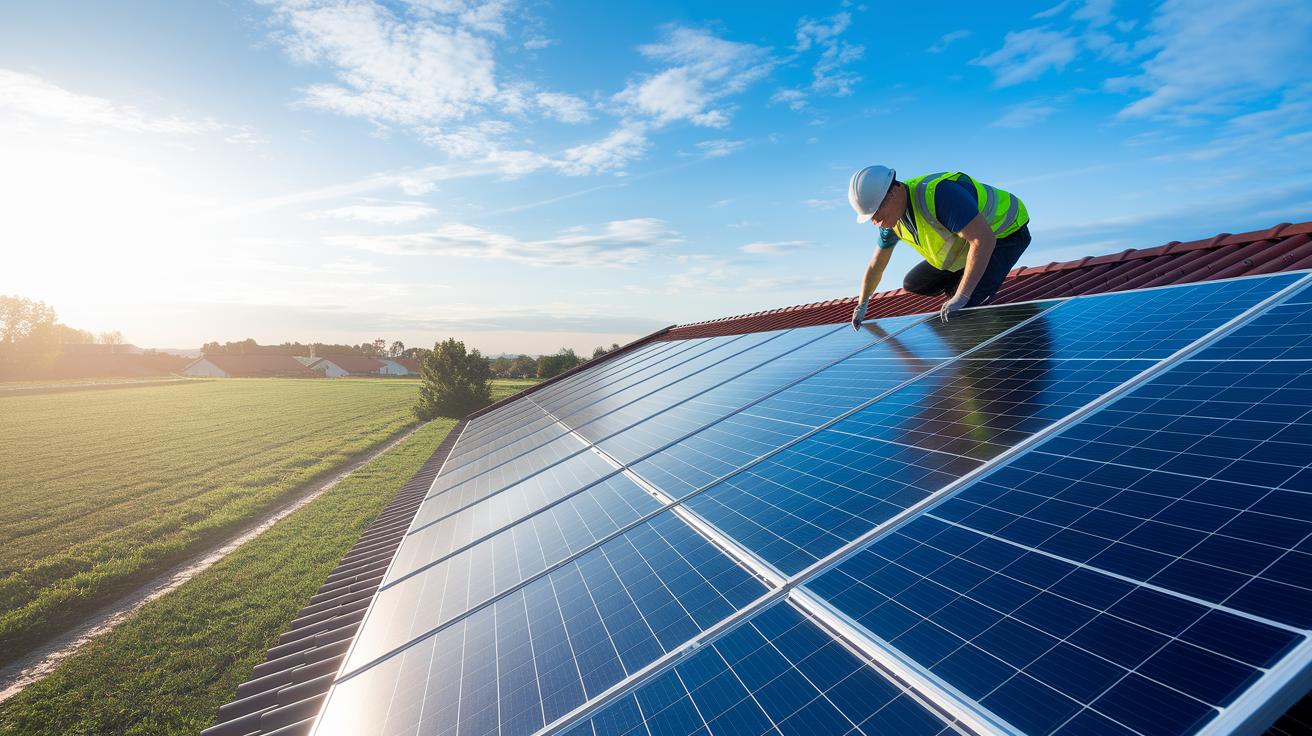
Renewable energy cuts emissions and saves money for everyone. As industries, AI data centers, and manufacturing drive up energy use, solar, wind, and battery storage offer a steady, clean choice. Local co-ops and financial advisers help fund these projects, making the switch easier for both cities and rural areas. This change lowers greenhouse gases, creates jobs, and reduces energy bills.
Solar Energy Expansion
Solar power is growing fast. Photovoltaic panels convert sunlight to electricity much more efficiently today. Lower costs and easy setups mean more homeowners and businesses are going solar. In some regions, the cost of solar electricity has dropped by more than 80% over the past decade, which makes it more affordable for everyone.
Wind Power Growth
Wind energy cuts carbon emissions and provides reliable power. New turbine designs, both onshore and offshore, now produce steady electricity at competitive rates. Larger turbines capture more energy from the wind, helping meet our need for clean power.
Grid Modernization
Upgrading our power grid is key to handling renewable energy. Smart grids connect battery storage and systems that adjust energy use to balance supply in real time. Batteries keep the power steady when the wind or sun is weak. This smart setup makes the grid more reliable and efficient.
Scaling renewable energy with solar, wind, and modern grids speeds up our progress toward a cleaner, stronger power network.
| Source | Benefit | Deployment |
|---|---|---|
| Solar | Low cost, significant emission cuts | Residential and commercial projects |
| Wind | Reliable power with scalable turbines | Onshore and offshore farms |
| Battery Storage | Stabilizes grid, supports smart tech | Integrated with modern grids |
Policy and Regulatory Reforms to Halt Climate Change
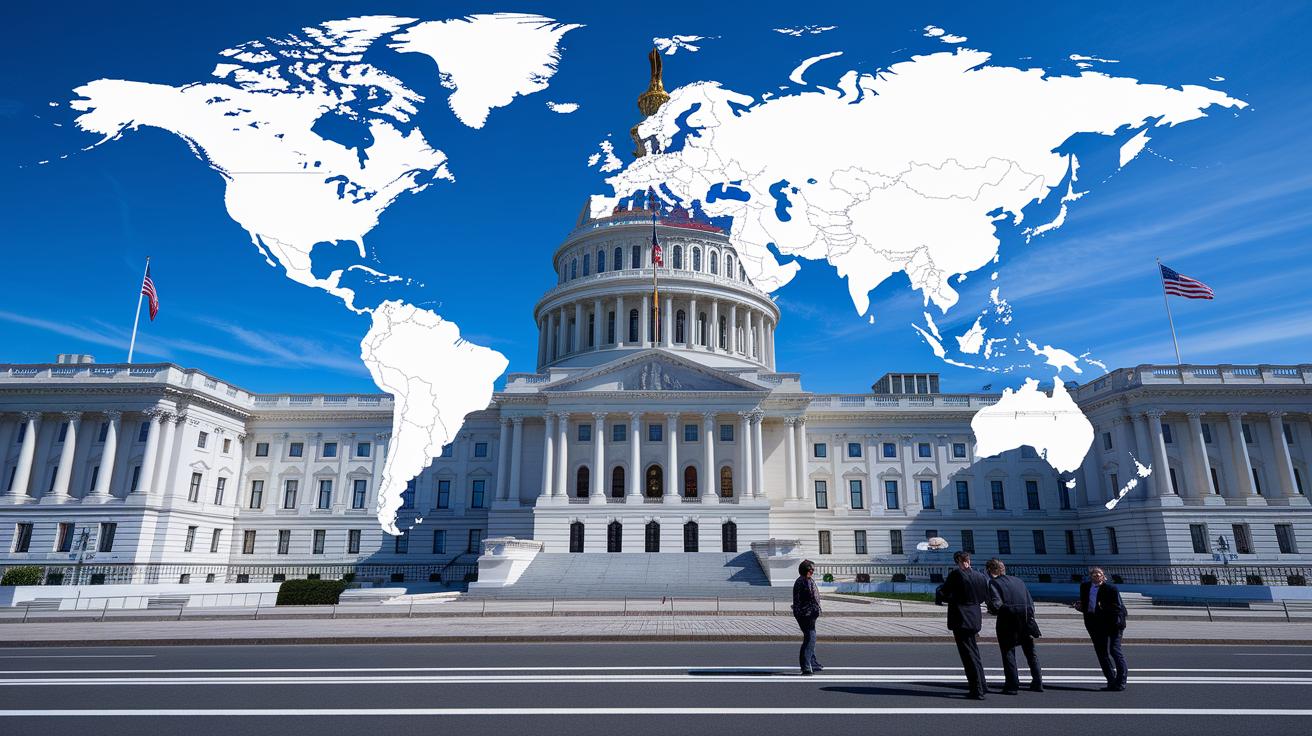
International agreements and clear national targets form the basis of strong climate policy. Global deals call on countries to set strict carbon limits so that warming stays below 1.5 °C. National goals push governments to adopt higher standards and take firm action against climate change.
Economic tools like carbon pricing spark real progress. When companies pay for their carbon emissions, they are motivated to switch to cleaner energy and try new ideas. A fee-and-dividend approach, where fees are returned to citizens, can quickly lower emissions while helping local economies.
Governments are also cutting fossil fuel support and raising renewable energy requirements. Removing subsidies for oil, coal, and gas makes it fairer for renewables to compete. Mandated renewable energy rules ensure that more of our power comes from clean sources, moving the energy sector toward sustainability.
Tough energy-efficiency standards for buildings and industry deliver long-term benefits. Requirements for better insulation, upgraded equipment, and modern manufacturing cut waste and lower power use. These steps not only reduce emissions but also strengthen our economy by modernizing key infrastructure.
Individual and Community Actions for Stopping Climate Change

Lowering your energy use at home is a great first step. You can air-dry your laundry instead of using a dryer, use cold-water cycles for washing, and swap old bulbs for LED ones. These small changes cut your energy bill and lower emissions. Adding new roof insulation or sealing gaps also makes your home more efficient by reducing heating or cooling needs. It works like choosing a smaller car that uses less fuel.
Eating in an eco-friendly way and cutting down on waste also help reduce your carbon footprint. Buy in bulk or choose items without extra packaging and compost food scraps to create less waste. Adding more plant-based meals to your diet can also lower the emissions tied to food production. These everyday choices add up to big reductions in overall waste emissions.
Using low-carbon transport is another key step. Ride a bike or walk for short trips, or take public transit when you can. These habits lower emissions and benefit your health. Carpooling with neighbors for errands also saves fuel and reduces pollution.
Get involved in local climate projects to boost your impact. Community groups often organize local gardens or clean-up drives to spread green practices. When people work together, their actions inspire others and spread sustainable habits across the neighborhood.
Innovations in Carbon Capture and Clean Technology to Stop Climate Change
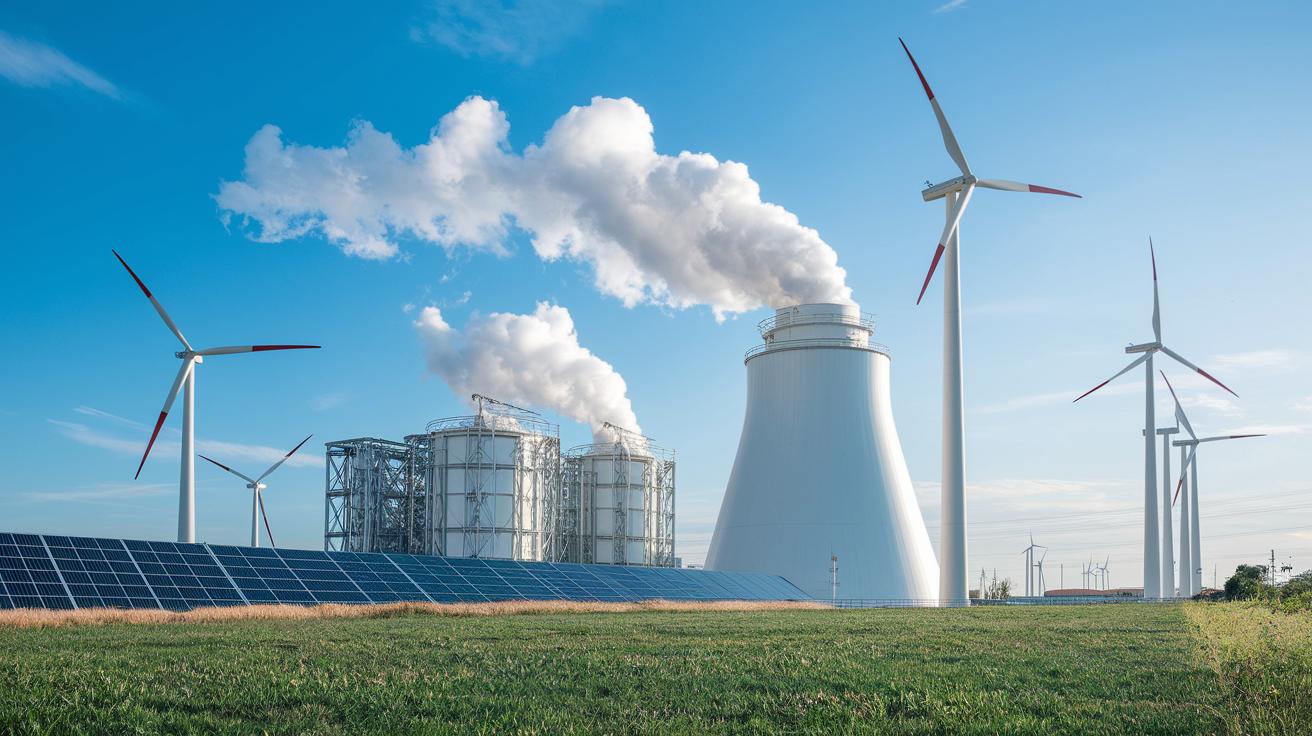
Direct air capture systems pull CO₂ out of the air and help fight climate change. Pilot projects in different regions are testing these systems at a larger scale. One facility now removes thousands of tons of carbon each year. This shows that focused carbon-capture methods can lower overall emissions.
Advances in battery storage and green hydrogen are changing how power grids work. Energy storage systems even out the variable energy that comes from renewable sources. Green hydrogen, which is hydrogen made in an eco-friendly way, offers extra help for long-term energy storage. A recent project showed that using smart grid controls with these technologies keeps power steady during busy times.
Clean-tech research and new investments are driving a big shift in how we cut emissions. Startups and innovation hubs are creating quicker ways to remove carbon from the environment. More funding is moving these ideas from labs to real-world use. For example, new battery-storage systems are now part of national power grids, proving that research and investment in clean technology can quickly reduce carbon pollution.
Nature-Based Solutions for Stopping Climate Change
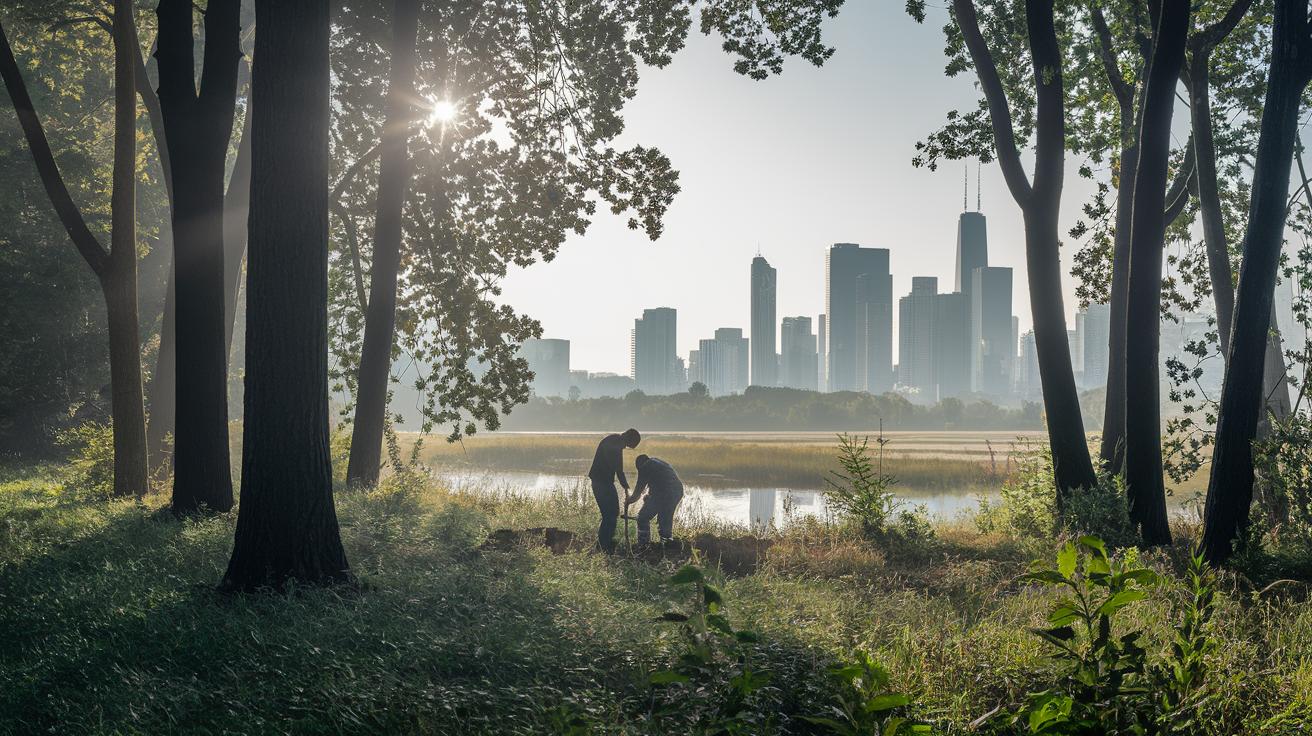
Planting trees and guarding forests help pull carbon out of the air. Creating new forests (afforestation) or replanting areas (reforestation) locks away huge amounts of CO₂. Urban trees also cool cities and ease heat stress, making them a vital part of our climate plan.
Protecting natural habitats is key to saving wildlife and keeping ecosystems strong. Wetlands, mangroves, and other areas support many species and act as buffers against extreme weather. These places help maintain a natural balance in local areas.
Restoring wetlands along with smart water management boosts climate resilience. Healthy wetlands capture carbon and reduce flood risks, while better water systems make sure nature is used wisely. By managing water and habitats together, communities build ecosystems that better cope with rising temperatures and wildfires.
Final Words
In the action, this post tackled the urgent fight against climate change by outlining key strategies. It highlighted clean-energy shifts, robust policy reforms, individual and community actions, breakthrough clean technologies, and nature-based solutions. Each section laid out measurable steps that bring science and practical measures together.
Every solution contributes to building a greener future. Follow our guide on how to stop climate change as you make strategic, impactful decisions for tomorrow.
FAQ
Frequently Asked Questions
What are some effective ways to reduce and prevent climate change?
The query about reducing and preventing climate change points to methods such as switching to renewable energy, protecting forests, enhancing energy efficiency, enforcing carbon pricing, and shifting to sustainable transportation to lower emissions.
What solutions help stop global warming?
The query on stopping global warming includes solutions like reducing fossil fuel use, increasing renewable energy, protecting natural habitats, enforcing stricter emissions policies, and adopting low-carbon lifestyles to limit rising temperatures.
How do we solve or address climate change as a society?
The query about solving climate change means society needs national policies, international cooperation, and local actions. This approach includes transitioning to clean energy, improving efficiency, and establishing supportive environmental regulations.
How can individuals combat climate change at home or as students?
The query on individual actions suggests simple measures such as conserving energy, reducing waste, adopting low-impact transportation methods, and joining local initiatives, all of which help lower overall greenhouse gas emissions.
What are some specific tips for reducing your carbon footprint?
The query on reducing your carbon footprint recommends using energy-efficient appliances, choosing low-impact transportation like biking or carpooling, recycling properly, and embracing sustainable practices at home and school.
What is Greenpeace’s stance on climate change?
The query regarding Greenpeace highlights that the organization calls for rapid reductions in fossil fuel dependency by advocating for clean energy policies, global environmental agreements, and robust public campaigns to protect natural ecosystems.
How hot could Earth be by 2050?
The query on Earth’s temperature by 2050 suggests that projections show noticeable warming if greenhouse gas emissions continue, though exact temperature changes depend on future mitigation measures and global policy choices.