
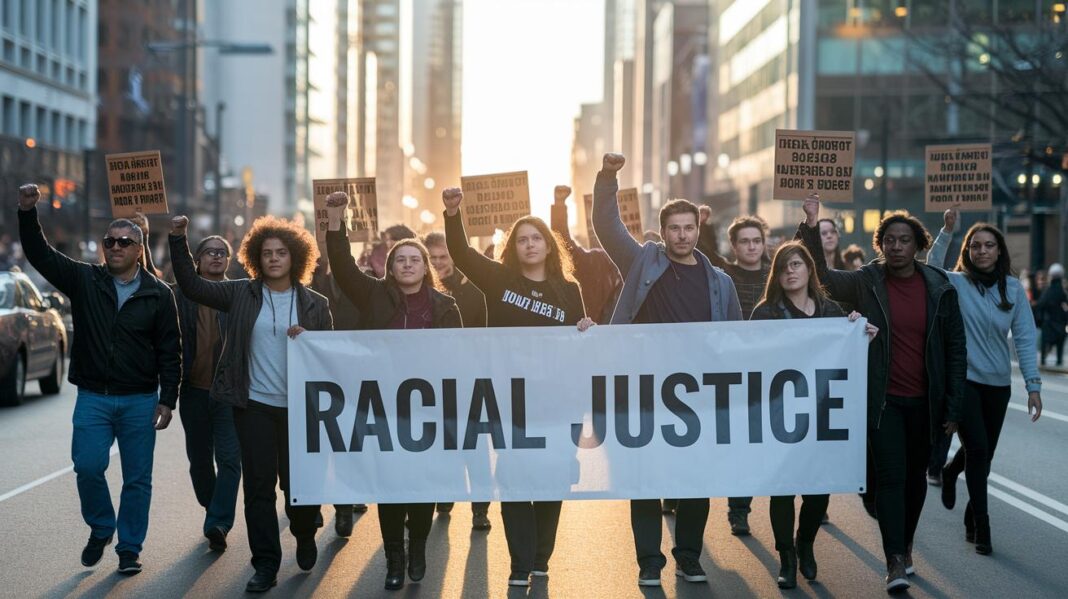
Ever wonder if everyone in America gets equal treatment? Racial justice means giving everyone the chance to feel safe and respected. For many generations, old ideas have led to practices that split us apart. Still, a fair society builds trust and helps every community.
This post looks at the roots of racial justice and shares steps to make equal treatment stronger. By learning its history and main ideas, we can see how changes to our systems today can create real equality.
What Is Racial Justice? Core Definitions and Principles

Racial justice means treating everyone fairly no matter their race or ethnicity. It is important because a fair society helps all people feel safe and valued. When our institutions act without bias, communities become more secure and respected. Racial justice works to end unfair practices that have divided people for too long.
Modern ideas of race began in the 1600s to support systems like slavery and colonization. Over time, these ideas hardened into ways to justify discrimination and exclusion. Knowing this history shows us why it is crucial to break away from old habits and work for fairness today.
- Equality under the law
- No discrimination
- Institutional accountability
- Reparative measures (steps to repair past wrongs)
These principles guide today's policies. Laws and programs based on these ideas insist that everyone should have the same opportunities and resources. As we update our policies, communities can overcome past biases and build systems that work for all. Keeping fairness at the core of our legal and social structures is key to creating a balanced and inclusive society.
Historical Evolution of Racial Justice Movements
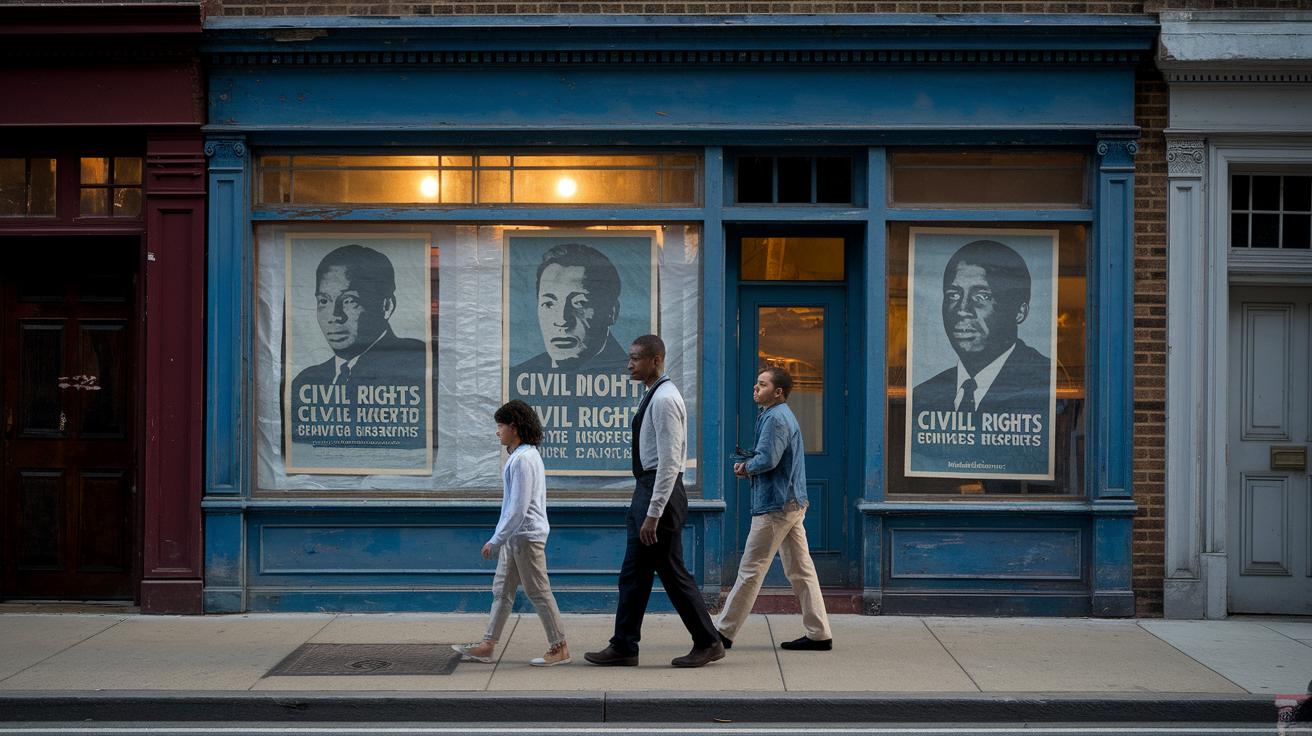
People have long fought for fair treatment, even when facing deep injustice. Here is a timeline of major milestones in the struggle for racial fairness:
- Medieval antisemitism
- Transatlantic slave trade
- Reconstruction
- Jim Crow
- Civil Rights Act 1964
During the Reconstruction era (1865–1877), freed people encountered violent hostility. White groups often targeted them with brutal acts like lynching to reclaim power. This period set harsh legal norms that paved the way for Jim Crow laws, which enforced segregation and limited rights for non-white citizens. The brutality of this time still affects how justice is served today.
The age of segregation created clear social and legal divisions. Laws and rules kept minority communities separate and unequal. Schools, public spaces, and transportation had strict rules that privileged white citizens and pushed others aside. These barriers deepened inequality and fostered mistrust in the justice system. The impact of these policies is still visible in our society and in ongoing efforts to reform public policy and the courts.
Systemic Racism and Legal Disparities in Racial Justice
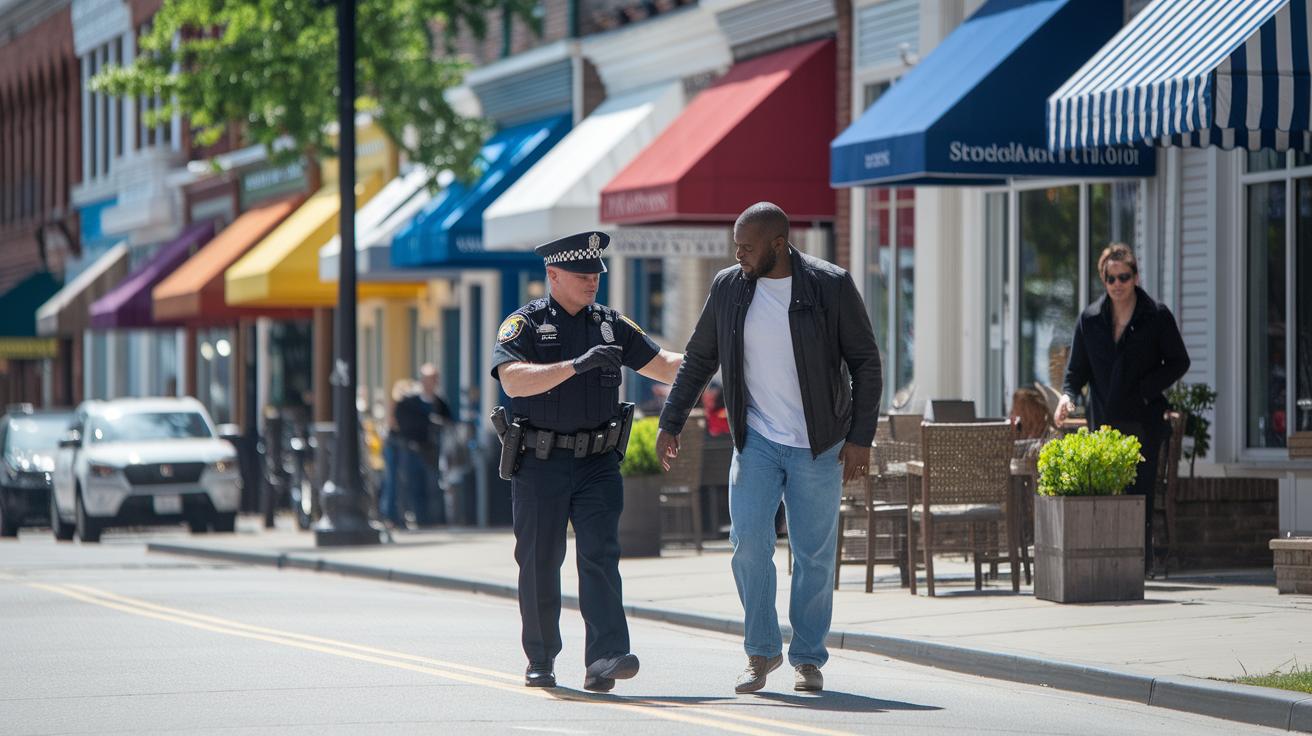
Police practices often show bias. In many minority neighborhoods, law enforcement stops and searches people more frequently than in mostly white areas. This means more Black, Latino, and Native American people face arrest. A simple traffic stop can quickly escalate if officers expect to find evidence of wrongdoing just because of a person's background, which builds tension and erodes trust.
Courtroom outcomes also reflect these biases. Judges and juries sometimes let old assumptions affect their decisions, leading to longer sentences. Studies show that Black men receive nearly six times longer sentences than white men for similar crimes. Latino men are jailed almost three times as often, and Native Americans face incarceration at over twice the rate.
| Demographic | Incarceration Rate Ratio |
|---|---|
| Black men | Nearly 6 times |
| Latino men | Nearly 3 times |
| Native Americans | More than 2 times |
These biased practices have lasting effects on communities. Over-policing and unfair sentencing can lead to financial struggles and reduced educational opportunities. Families and entire neighborhoods feel these impacts, which makes it hard to trust public institutions. Changing these policies and enhancing accountability in both policing and the courts are key steps toward a fairer system for everyone.
Legislative Reforms Advancing Racial Justice
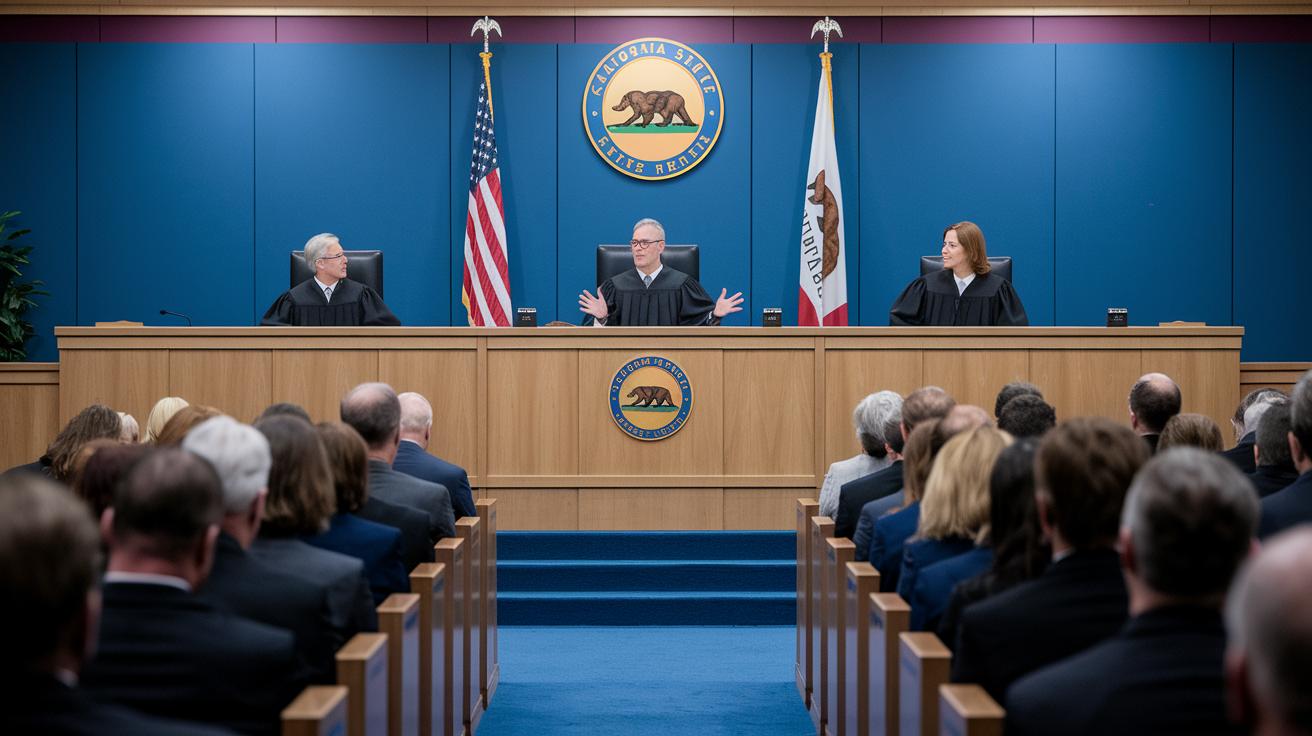
New laws help prevent racial bias from seeping into our justice system. Recent reforms challenge old practices that have hurt communities of color. The California Racial Justice Act of 2020 is one such law. It stops courts from giving harsher penalties based solely on race. This change works to correct past mistakes and rebuild trust in our legal system.
Key points of the act include:
- It bans sentence increases just because of a person's race.
- It lets those affected by bias ask for their sentences to be changed.
- It requires reviews of past cases where unfair penalties were used.
New rules also demand that every proposed law include a racial impact statement. These statements force lawmakers to look closely at how new laws may affect different racial groups. They serve as a check to prevent unintentional harm and ensure fairness.
Federal proposals are now being discussed to extend these reforms nationwide. Lawmakers across the country are considering ways to include similar safeguards in federal law. These ideas aim to standardize racial impact assessments and create a uniform approach to achieving a fair justice system.
Community-Led Initiatives and Social Equity Movements in Racial Justice
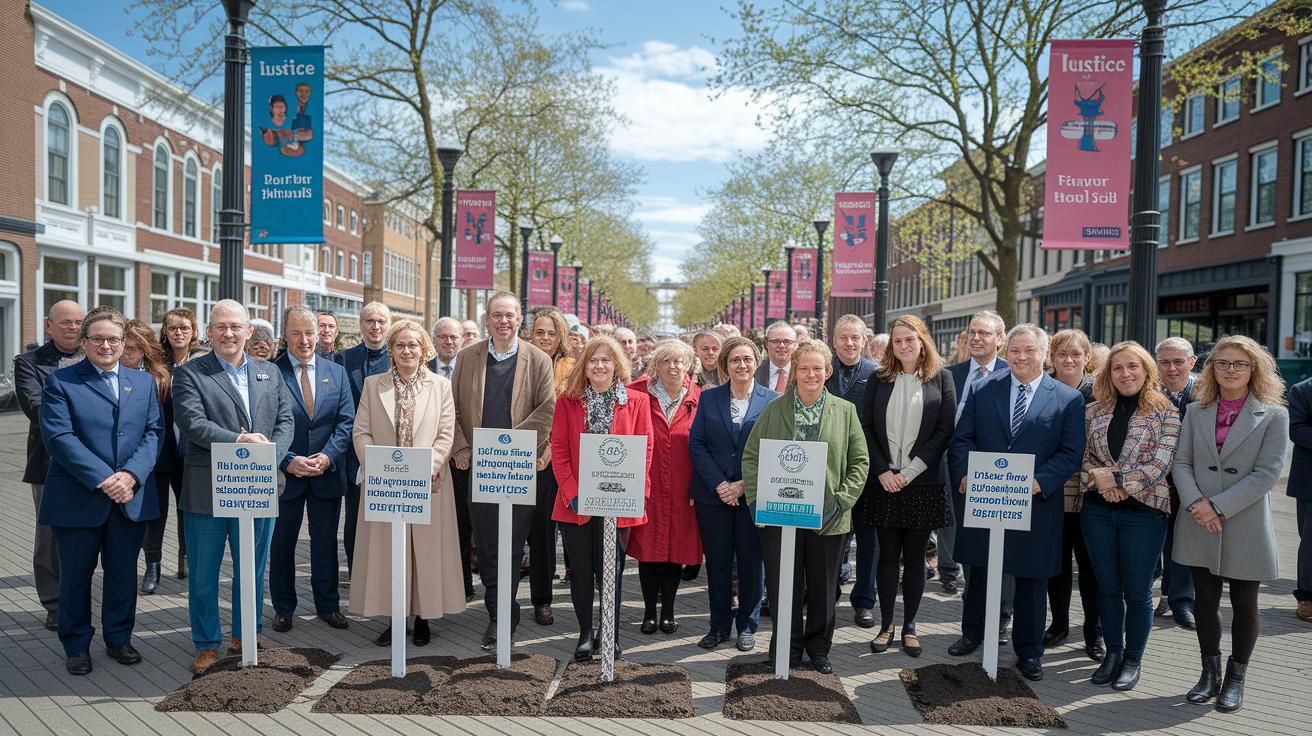
Local groups are leading the charge for a fairer society. Grassroots campaigns keep painful histories alive while creating new ways to achieve fairness. These efforts bring together community members, activists, and local leaders to show real examples of justice in action. They remind us that the fight for equality starts right in our neighborhoods and help shape policies to fix long-held inequalities.
- Soil-collection markers honor victims, such as those installed by the Community Remembrance Project.
- Local truth commissions record and address past wrongs.
- Restorative circles give communities a place to share and heal from past harms.
- Neighborhood policing boards let residents help shape local safety measures.
- Youth-led equity forums bring new ideas and build future leadership.
These actions make a lasting difference. Projects that gather soil from lynching sites serve as memorials and spark important talks about history and accountability. Local truth commissions uncover hidden stories, ensuring every voice is listened to. Restorative circles allow people to share their experiences and repair relationships. Neighborhood policing boards work to change practices that have long pushed residents away. And youth-led equity forums add fresh energy to the fight for fairness. Each step builds trust and reshapes our communities, laying the groundwork for a society where every voice is valued and every injustice is challenged.
Case Studies Demonstrating Progress and Challenges in Racial Justice
Institutional actions can change lives. The case studies below show how steps to fix unfair systems have made a difference and highlight the work that still needs to be done. Each example takes a different approach to fighting inequality, whether by ending segregation, changing juvenile sentencing, or rethinking reparations.
South Africa’s End of Apartheid
In 1991, South Africa changed its laws to stop segregation. This legal shift led to the creation of a Truth and Reconciliation Commission that brought together those harmed by the old system and those who once enforced it. This effort did more than end an era; it helped communities face past wrongs and start healing. It shows what determined policy changes can do to break cycles of discrimination.
US Juvenile Justice Reforms
The United States has also worked to fix its justice system. Reforms in juvenile sentencing now help reduce unfair punishments for minority youth. With these changes, young people face penalties that match their actions, and they get better chances to turn their lives around. This progress is an important step toward stopping long-standing bias in the justice system.
Harvard Reparations Dialogue
Harvard has sparked a new debate on reparations to address historical inequalities in education and society. The conversation looks at how institutions can acknowledge past wrongs and possibly offer compensation. This dialogue aims to create funding and policies that help correct old injustices. It demonstrates a willingness to face history and work toward a fairer future.
| Case | Outcome | Key Lessons |
|---|---|---|
| South Africa | Ended segregation laws and started community healing through a truth commission | Policy reforms can break cycles of discrimination |
| US Juvenile Justice | Reduced sentencing disparities for minority youth | Fair changes lead to more just outcomes |
| Harvard Reparations Dialogue | Began discussions on acknowledging and compensating past inequities | Facing history is key to rebuilding trust |
Future Directions: Strategies for Lasting Racial Justice

A plan that uses many parts is needed to keep racial justice alive. Leaders, policy makers, and community groups must join forces to build fair systems. Training in police departments and schools can make daily interactions better, while new rules that include fairness checks help form more just laws. Creating lasting change means setting up workplaces and school programs that welcome everyone. These combined efforts help every part of society work toward fair public policies.
| Initiative |
|---|
| Mandatory equity impact assessments |
| Community oversight boards |
| Bias-awareness education |
| Reparative funding streams |
It is important to monitor progress along the way. Regular reviews and clear reports show what is working and what needs improvement. By tracking results and asking the public for input, leaders can change strategies to help everyone. This method leads to real improvements and builds trust in the institutions fixing long-standing injustice.
Final Words
In the action, this article broke down the meaning of racial justice and its core principles. It traced its history from early systems of oppression to modern legal reforms and showcased community efforts and real-world case studies that highlight our progress and ongoing challenges. The discussion underscored the importance of reforms and grassroots initiatives to fight systemic bias. This clear look at racial justice gives a strong reminder that every step forward brings us closer to a fairer world. Stay informed and inspired.
FAQ
What are examples of racial justice?
Examples of racial justice include reforms that remove discriminatory laws and promote equal treatment. Initiatives such as legal changes, community campaigns, and educational programs help dismantle systemic prejudice.
What are some examples of racial justice issues and racial injustice?
Racial justice issues and examples of racial injustice include unequal access to resources, biased law enforcement, and segregation practices. These factors highlight systemic barriers that limit opportunities for marginalized communities.
What racial justice articles and videos are available?
Many reputable news platforms and academic journals offer articles and videos on racial justice. They cover historical context, current reforms, and community-led movements to provide a well-rounded view of the subject.
How is racial justice defined and practiced in the United States?
Racial justice in the United States means equal rights, opportunities, and legal protection for all. It involves dismantling institutional biases and reforming policies that maintain long-standing racial inequalities.
What is a synonym for racial justice?
A synonym for racial justice is racial equity. This term emphasizes fairness in treatment, outcomes, and opportunity across all racial groups within society.
What types of jobs are related to racial justice?
Racial justice jobs include roles in advocacy, legal reform, public policy, community organizing, education, and research. These careers work to promote fairness and dismantle systemic discrimination.
What racial justice movements have shaped change?
Significant racial justice movements, such as the Civil Rights Movement and modern grassroots campaigns, have driven policy reforms and increased awareness about systemic inequalities in society.
What does the Racial Justice Act do?
The Racial Justice Act prohibits sentence enhancements based on race and allows for resentencing petitions. It aims to correct racial bias in legal outcomes and promote a fairer judicial process.
What are the four types of social justice?
The four types of social justice are distributive justice (fair allocation of resources), procedural justice (fair decision-making processes), restorative justice (repairing harm), and retributive justice (assigning penalties fairly).