
Are you sure your safety setup has you covered? Integrated security uses physical measures, computer safeguards (IT protections), and employee training to form one strong system. Think of it like a car where brakes, seat belts, and airbags work together for safety. Studies show that companies using this method see a 35% drop in security problems. This system meets important safety rules and stops modern threats, giving organizations an easy upgrade to protect their assets.
Integrated Security Explained: Essentials and Approach
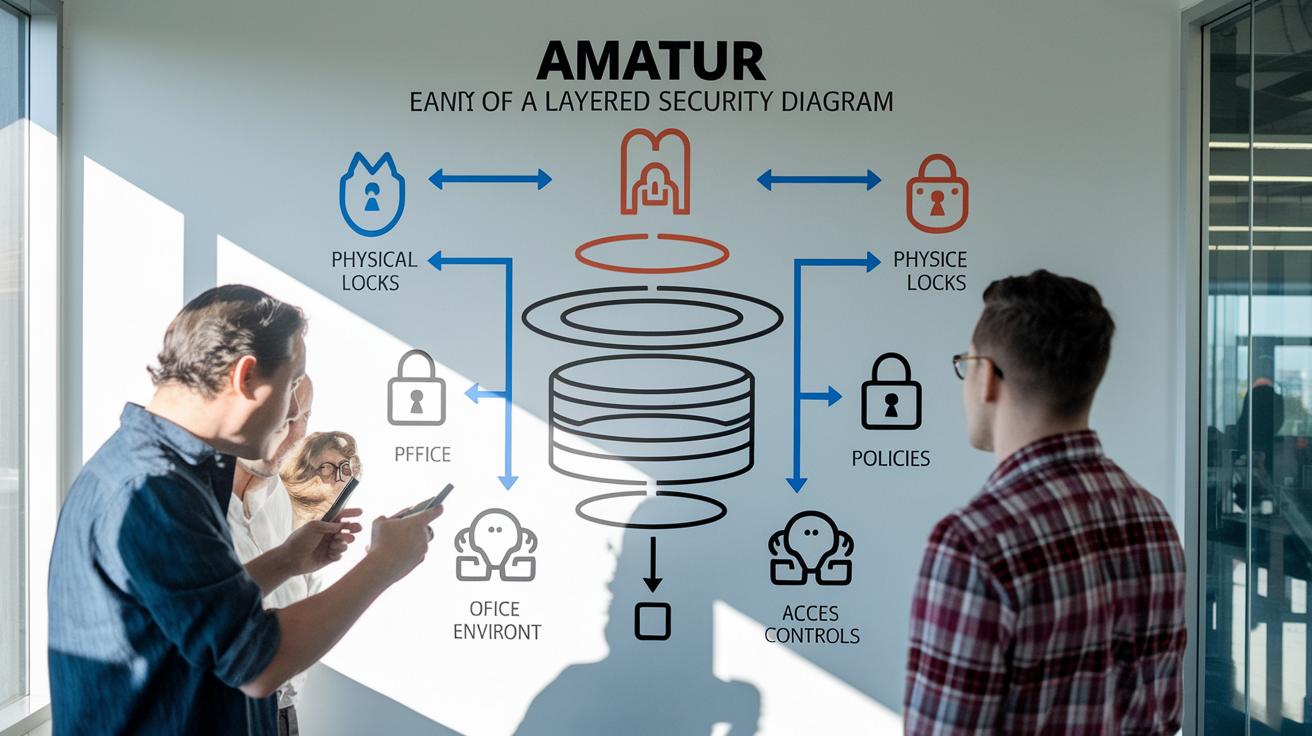
Integrated security means combining different types of protection, such as company policies, employee practices, law guidelines, physical barriers, and IT safeguards, into one system. This method uses layers that work hand in hand, offering stronger protection than each part could alone. For example, some system admins add controlled building access to smart IT monitoring. One organization noticed a 35% drop in security issues after setting up access controls and proactive network alerts.
This approach covers several areas. IT security handles digital risks and monitors data, while physical security uses locks, access cards, and staff training. Legal rules provide clear guidelines, and solid employee practices help keep safety top of mind. Together, these measures create a synergy that makes the overall system more resilient, much like how several car safety features work together to protect passengers.
In today’s world, business needs and compliance rules make integrated security crucial, especially for companies that must follow strict standards. Modern threats call for a quick and coordinated response to complicated risks. By uniting these efforts, organizations not only meet legal demands but also gain better protection in a fast-changing threat environment.
Core Principles of Security Integration
Integrated security is more than just individual parts working alone. It blends five key areas into one strong defense. First is information security. This means using IT tools and managing insider risks (threats from within) to protect digital data. Next, physical security uses rules, access controls, and staff training to guard buildings and assets. Business continuity management relies on impact checks and emergency plans to help operations recover when disruptions occur. This mix of digital and physical defenses creates a secure setting.
Compliance and data protection ensure that companies follow legal, regulatory, and ethical rules. Regular training and timely updates for employees keep everyone informed about current security practices. These elements work together to build a network that meets operational needs and manages risks. The approach not only hits high industry standards but also gears companies up to face new challenges in both cyber and physical spheres. This connected framework simplifies tough issues and boosts overall protection with smooth, effective upgrades.
| Component | Description |
|---|---|
| Information Security | Uses IT tools and manages insider risks to protect digital data. |
| Physical Security | Employs rules, access controls, and staff training to secure facilities. |
| Business Continuity Management | Uses impact checks and emergency plans to resume operations during disruptions. |
| Compliance and Data Protection | Makes sure companies follow legal, regulatory, and ethical standards. |
| Employee Awareness | Focuses on regular training and updates to strengthen security practices. |
Each element supports the others to form a solid security network. Digital defenses work hand in hand with physical measures and backup plans. Compliance rules and regular training add extra layers to cover any gaps. This integrated design allows companies to react quickly to planned reviews or sudden incidents, ensuring a balanced and effective security strategy.
Key Technologies Underpinning Integrated Security
Security systems are changing fast by combining digital tools with physical measures to keep spaces safe. Today’s solutions mix video cameras, smart locks, and alarms with AI and machine learning (tech that helps systems learn from data) to spot problems quickly. Products like VirtualGuard and Responda are even covering tough-to-watch areas.
Video Surveillance and Analytics
Modern setups use high-definition cameras with real-time analytics to catch odd behavior. They record events and also analyze them on the spot so staff can react fast. For instance, a retail store can use these systems to flag suspicious movements before an incident gets out of hand.
Access Control Systems
Access control now means using smart cards, fingerprint scanners, and digital keys to manage who can enter secure areas. This approach makes sure only approved people get in, cutting down on internal risks. A corporate office might check each entry automatically with a card swipe or fingerprint scan, making security smoother and faster.
Alarm and Event Monitoring
Alarm systems today work with event monitoring to send alerts as soon as sensors notice problems or malfunctions. Remote security platforms let operators keep an eye on several sites at once. For example, in a data center, an alarm might signal a cooling failure, which can be reviewed and fixed quickly from afar.
These integrated security systems give businesses a complete picture of what’s happening. By linking different technology tools, companies can act fast to safeguard their operations.
Installation Best Practices for Unified Security Systems

Begin with a solid plan. Map out your site and check for risks early. This way, you spot issues before they become problems. Setting up a central control system saves money by cutting out duplicate tasks and makes operations run smoother. Also, plan for mobile and remote checks to build a strong security base.
- Check the site
- Align the system design
- Map your resources
- Set up the control platform
- Verify compliance
- Schedule training
Using these best practices creates a security system that is both strong and flexible. A detailed plan leads to smoother installations, fewer delays, and better protection in hard-to-watch areas. Teams get clearer views and cut down on wasted spending. This careful approach also makes it easier to update the system and keep staff ready, so your security stays effective over time.
Comparative Benefits: Integrated Security vs Standalone Solutions
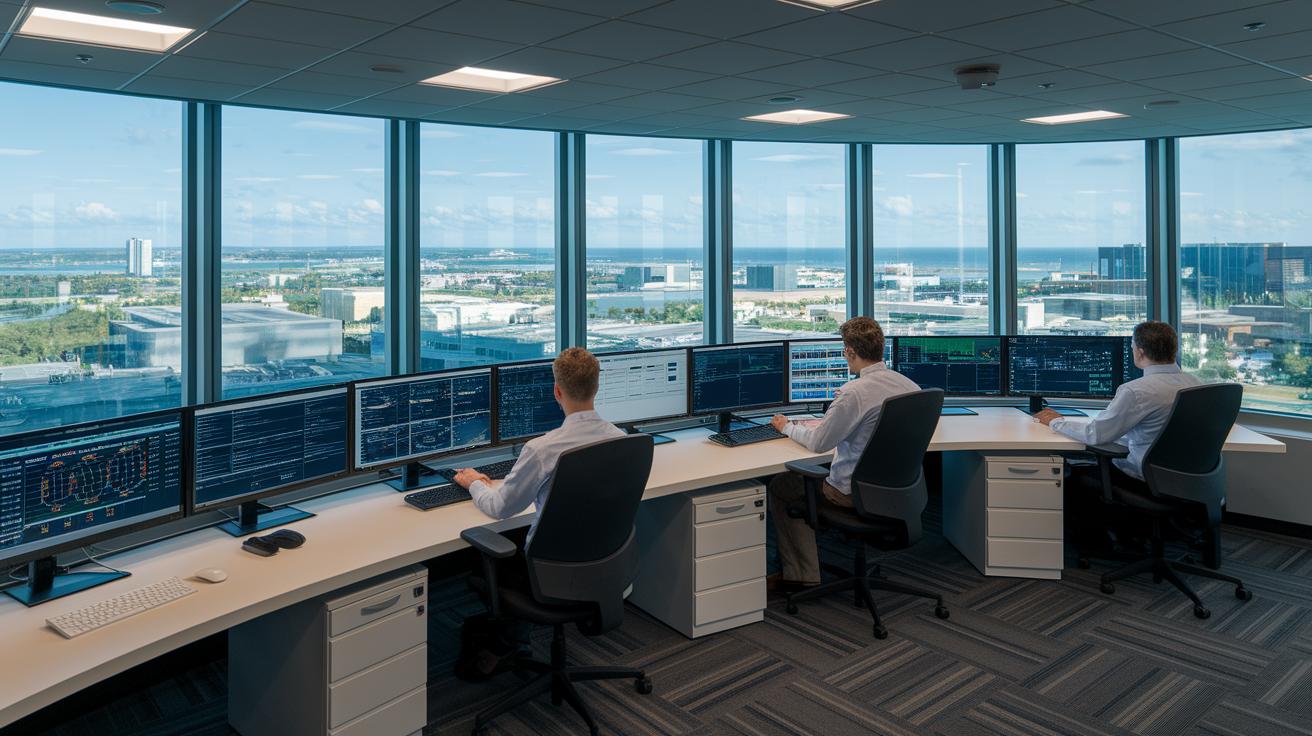
Case studies show that companies using integrated security systems can cut operating costs by up to 18%. One manufacturing firm reduced expenses by 20% after combining its security tools. Unified systems use centralized dashboards to remove duplicate work, boost response times, and lower vendor fees. Many organizations also report better resource use when everything is managed together. In short, integrated solutions help operations run more smoothly and protect against risks consistently.
On the other hand, standalone security products can cause information to be scattered and slow down threat response. A survey of retail outlets found that almost 30% of them struggled to sync data from separate systems, which delayed essential actions. These disjointed setups create gaps in oversight and slow down problem-solving. One study noted that standalone solutions often lack the coordination needed to tackle modern security challenges.
Management Strategies for Converged Security Operations

Effective governance is key to a strong, integrated security plan. Companies using these strategies set clear oversight, define roles, and follow core values like health, safety, and social responsibility. They also build solid vendor partnerships and plan for each stage of their security lifecycle to boost accountability and clear decision-making.
Team coordination adds even more strength to the plan. Bringing together security, IT, and operations teams with daily briefings and coordinated response plans keeps everyone on the same page. Constant interaction and clear communication help cut response times and bridge gaps between different security layers.
Continuous improvement is built into this approach. Regular checks, after-action reviews, and timely technology updates keep the system sharp. By using feedback loops and clear performance measures, organizations can quickly adjust to new threats, ensuring their security remains robust against evolving risks.
Integrated Security: Effortless Safety Upgrade
Digital transformation is pushing security into a new era. Companies are adopting new tools like the Internet of Things (IoT), cyber-physical systems (for example, smart grids and connected vehicles), and automation with artificial intelligence and machine learning. Cloud security services and ethical data practices also help firms see more clearly and act fast when new risks appear.
SwissSign MPKI Implementation
The SwissSign MPKI Implementation shows how managed certificate tools can keep digital identities secure. It ties certificate management to daily digital work, making verification simple and cutting down on extra steps. This system meets higher regulatory rules and can shift quickly when risks change. Its design offers clear, central oversight that boosts reliability and speeds up responses when problems occur.
Commercial Property Integrated Guarding
Commercial properties are reaping rewards from integrated guarding programs. These plans mix mobile patrols, smart video checks, and concierge services into one plan. Data from many sensors comes together in one system that quickly spots odd behavior. This mix of digital and human monitoring cuts down response times and covers gaps in traditional systems. It gives property managers a real-time view and better control of their sites.
These examples show how blending new digital tools with traditional methods can raise safety standards. Integrated security combines live data with human judgment to set a higher bar for safety in many industries.
Final Words
In the action, the post outlined how a unified safety approach spans IT, physical, legal, and staff measures, drawing clear contrasts between integrated security and standalone solutions. Key technologies and installation best practices were highlighted for streamlined management.
The discussion tied these elements to effective governance and real-world examples that boost operational clarity. This comprehensive look sets a clear path forward. Integrated security stands as a practical way to strengthen defenses while guiding strategic decisions in a fast-changing world.
FAQ
Frequently Asked Questions
Q: What is the meaning of integrated security?
A: The term integrated security means uniting various controls—IT, physical, personnel, and regulatory—into one framework to boost protection and simplify management.
Q: What are integrated security systems?
A: Integrated security systems incorporate multiple security measures into one unified setup, offering enhanced protection and streamlined operations across different security domains.
Q: What is the difference between persist security and integrated security?
A: The approach labeled persist security treats systems separately, while integrated security combines various measures to achieve coordinated protection and easier management.
Q: What does “Integrated Security=true” mean in SQL?
A: “Integrated Security=true” means using Windows authentication in a SQL connection string, which safely accesses databases without hardcoding credentials.
Q: Where can I find integrated security services and companies?
A: Integrated security companies and partners provide comprehensive services, including solutions in Miami and Kalispell, to cover physical, IT, and personnel security needs.