
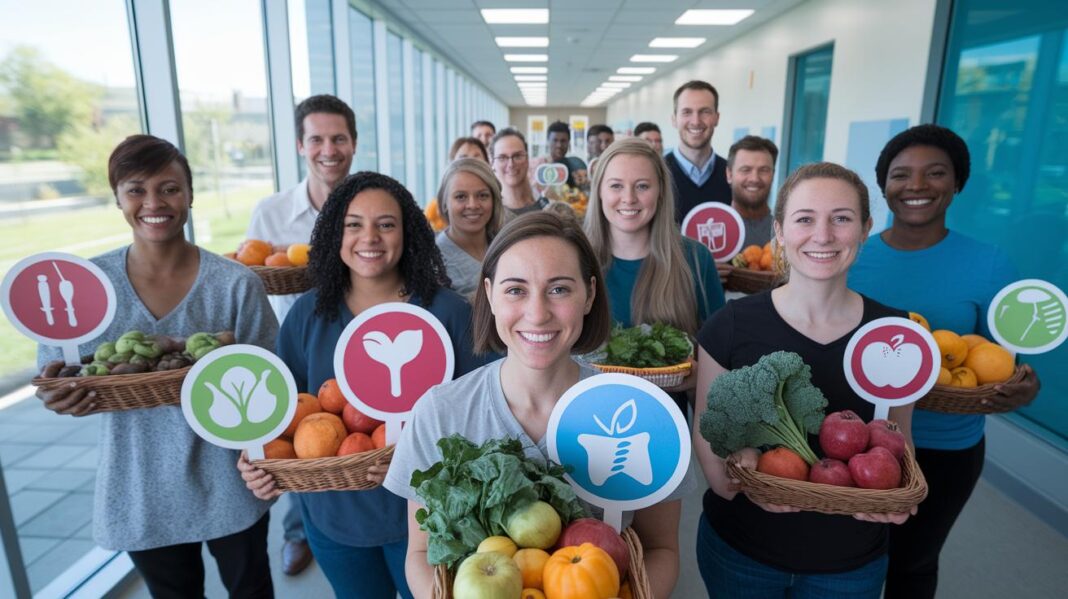
Food on your plate can shape policy and change lives. Public health nutrition helps communities get the right foods for a healthy life. Studies show that smart school meal plans cut obesity by 12% in one year. Experts track these benefits with surveys, BMI tests (body mass index checks), and local health reviews. This post explains how better diets boost wellness and guide policies that make communities stronger and healthier.
Public Health Nutrition: Key Impacts on Population Health

Public health nutrition helps communities get the right food for better health. Doctors, nutritionists, and researchers use studies to see how what we eat changes our well-being. One study showed that a smart school meal plan lowered local obesity rates by 12% in one year.
Healthy diets cut down on problems like diabetes and heart disease. Surveys, body mass index measurements (BMI), and local health checks help track these improvements. Teams from public health and research groups work together so that good diets benefit people locally, nationally, and even globally.
Recent studies show that when people have better access to nutritious foods, communities thrive. Working closely with policymakers and advisors, experts design programs that promote healthy eating over the long run. New ways of studying nutrition also give clearer insights into how food affects our health. This team effort lets professionals address health gaps and align research with community needs, leading to better overall health.
Nutritional Epidemiology in Public Health Nutrition Practice

Health experts use dietary surveys to record everyday eating patterns. These surveys give a clear view of how food choices affect community health. For instance, a local clinic kept daily nutrition logs from patients, and researchers linked healthier diets with lower rates of chronic diseases.
Logic models provide clear, step-by-step plans for creating nutrition programs. They show which actions lead to better results and stress the need for clear measures such as body mass index (BMI) and rates of diabetes or heart disease. Evaluation tools like community health needs assessments (CHNAs) back evidence-based decisions by highlighting areas that need the most improvement. For example, when a school district analyzed meal program data with a logic model, it saw a 15% drop in obesity rates in six months.
Ethical handling of data is crucial. Experts carefully manage sensitive nutrition information and ensure that their communication reaches underserved groups fairly. Clear communication turns complex findings into simple recommendations for policymakers, educators, and community leaders.
- Dietary intake surveys
- Logic model frameworks
- Community health needs assessments
- Population wellness metrics (BMI, chronic disease incidence)
Using these methods, professionals continue to track and improve nutrition across populations. Their work guides smart updates in public health policies and actions.
Public Health Nutrition Guidelines and Policy Analysis

Top nutrition experts use public dietary guidelines to set simple standards for healthy eating and to improve food policies. These guidelines and policy briefs work together to shape programs at the local, national, and global levels. For example, one policy brief helped leaders update school menus, which led to a 5% boost in access to healthy food in underserved areas in just six months.
Dietary guidelines list best practices and set priorities for food choices for different groups. They also back public policies that support funding, resource allocation, and system changes. Tools like environmental assessments (studies that look at local conditions) help find community needs. In one instance, a community health needs assessment (CHNA) found low access to affordable fruits and vegetables, which led local officials to adopt fair, effective policies.
Food policy analysis also spots and addresses racial and socioeconomic gaps. By looking at food systems and comparing nutrition standards, experts build cases for policy changes that help all groups. Systems change tools then help update policies to cut these gaps and build healthier communities.
Key strategies include:
- Policy briefs that offer clear, workable advice.
- Systems change tools that create structures for ongoing improvement.
- Environmental assessments that track community progress and guide fair program design.
These steps work together to create strong dietary guidelines and form policies that benefit everyone. Experts use these methods to push for changes that improve long-term public health nutrition and turn food policies into practical actions.
Public Health Nutrition: Evidence-Based Community Intervention Strategies
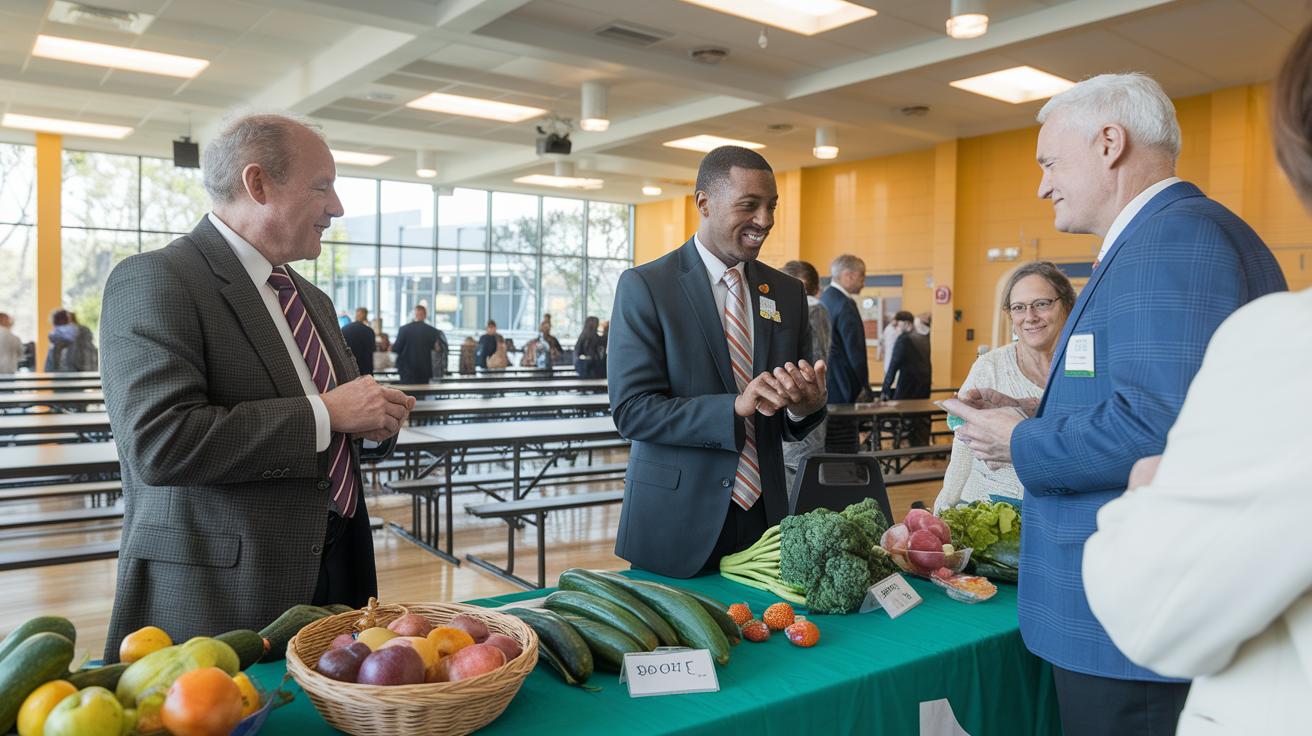
Community programs can boost nutrition and health with proven methods. Local efforts like healthy eating campaigns and school meal plans have a strong impact. In one town, redesigning school meals reduced food insecurity by almost 10% in less than a year. These methods focus on improving diet quality and making healthy food easy to get.
Adding nutrients to staple foods and offering vitamin supplements at health fairs also help. These steps improve daily diets and can prevent long-term health problems linked to poor diets.
Community leaders often use behavior change interviewing, which means asking clear questions to spot diet gaps and set realistic health goals. This method builds trust and supports lasting changes. Cooperation among healthcare providers, local groups, and policy experts further strengthens these efforts by creating tailored programs that deliver quick wins and long-lasting benefits.
Assessing the local food system shows what resources are available, where fresh produce is hard to find, and what local challenges exist. With this data, experts can design programs that serve underserved groups and even the scales of food access.
- Healthy eating campaigns
- School meal initiatives
- Behavior change interviewing
- Community food systems assessments
These strategies offer a clear path to better nutrition and healthier communities.
Planning and Evaluating Public Health Nutrition Programs

Developing a good nutrition program starts with clear planning. Begin with a community health needs assessment (CHNA) to spot local nutrition gaps. One local health center used its CHNA data to set clear goals. These goals then helped create a logic model that outlines every step from start to finish. This model guides decisions and shows how each action can boost nutrition in the community. For example, a school district that used a logic model saw real improvements in student health.
Planning a program also means finding funding and thinking carefully about how to use all available resources. Change management helps teams adjust to new ideas smoothly. These steps turn plans into actions that work.
Evaluation is key. Programs use process indicators, outcome measures, and impact evaluations to see if they help make the community healthier. Ethical data handling and accurate reporting are essential. This careful review shows what works and highlights areas for improvement.
Key steps in planning and evaluation include:
- Conducting a CHNA to understand local needs
- Setting clear goals and creating a logic model
- Finding funding and using systems thinking for resource management
- Using process, outcome, and impact measures to track progress
Following these steps helps nutrition programs improve community wellness and guide smart policy decisions.
Public Health Nutrition: Addressing Global Challenges
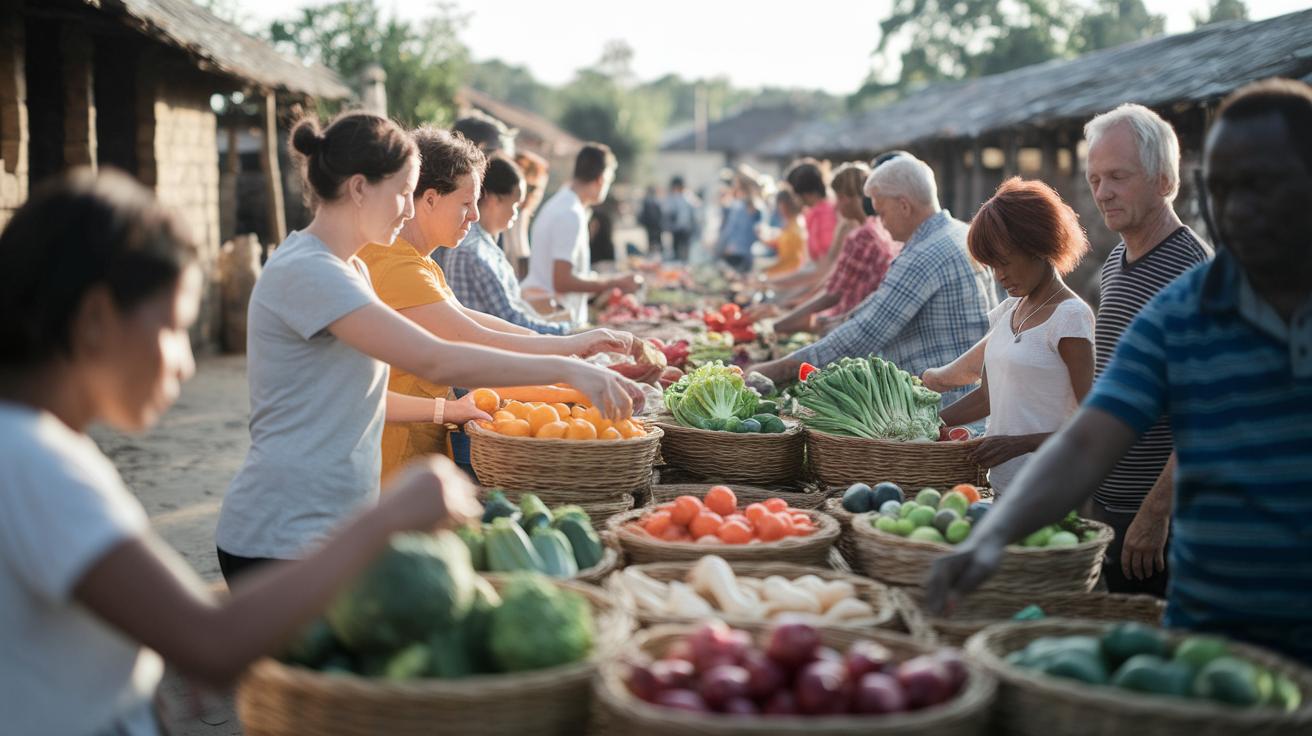
Public health nutrition wrestles with issues like malnutrition, rising obesity, and shortages of essential vitamins and minerals. Studies show that poor food quality can harm community health. In one rural area, even a small boost in access to fortified foods cut micronutrient deficiencies by 20% in a year. Ensuring food security is key. Strategies now emphasize building community food systems that promote local growth and smart eating habits.
Government and NGO food programs work together to meet nutritional needs. These programs bring healthcare workers, researchers, and teachers into partnerships focused on food safety. A strong food security plan helps communities keep food supplies steady when facing economic or environmental stress. Sustainable practices such as using local ingredients and improving food storage cut waste and make healthy food more available.
Plans that build resilience help communities bounce back after tough times. Clear goals and teamwork shape policies and programs that work. This cooperation can improve health and drive lasting policy changes, even when global nutritional challenges continue.
New research is finding ways to blend local resources with global guidelines. This makes it possible to respond faster when food shortages occur.
Final Words
In the action, we traced public health nutrition from its core definitions to its role in shaping dietary guidelines and community interventions. The article highlighted epidemiological measures, policy analysis, and planning tools to improve nutrition outcomes. It also explored global challenges and practical strategies for sustainable nutrition practices. This comprehensive recap shows public health nutrition is key to guiding effective interventions. The roadmap remains clear and promising as we work together to build healthier communities.
FAQ
Q: Public health nutrition Master’s
A: The Master’s program in public health nutrition offers advanced study combining community health, dietary guidelines, and research methods. Graduates gain skills to assess nutrition trends, guide policy, and implement evidence-driven programs at various levels.
Q: Public health nutrition journal
A: The public health nutrition journal publishes original research and analyses on nutritional epidemiology, policy impacts, and community interventions. It serves as a key resource for professionals seeking the latest evidence-based approaches in nutrition and public health.
Q: Public health nutrition PDF
A: The public health nutrition PDF is a downloadable document that includes guidelines, research findings, and program evaluations. It serves as a handy reference for professionals, students, and policymakers interested in comprehensive nutrition insights.
Q: Public health nutrition impact Factor
A: The public health nutrition impact factor measures the frequency with which articles from the journal are cited. It indicates the influence and credibility of its research within academic and professional nutrition communities.
Q: Public Health Nutrition salary
A: The public health nutrition salary varies based on education, experience, and location. Professionals in this field can earn competitive wages, especially when employed in government agencies, research institutions, or nonprofit organizations.
Q: Public health nutrition jobs
A: Public health nutrition jobs involve developing community interventions, performing nutritional assessments, and advising on dietary guidelines. These roles are found in government, academia, nonprofit organizations, and healthcare settings striving to improve population health.
Q: Public health nutrition course
A: The public health nutrition course covers topics such as nutritional epidemiology, policy analysis, and community program planning. It prepares students for careers in research, public service, and academic roles with a focus on community health.
Q: Public health nutrition book
A: The public health nutrition book explains essential topics like nutritional assessments, policy formulation, and intervention strategies. It is a valuable resource for students and professionals seeking clear, evidence-based insights on population nutrition.
Q: What is the Public Health Nutrition?
A: Public health nutrition is the study and application of nutrition principles to improve community health. It involves research, policy making, and program development aimed at enhancing dietary practices and reducing disease risks.
Q: Is Public Health Nutrition a good career?
A: Public health nutrition is a good career for those interested in linking nutrition science with community health. It offers diverse opportunities in research, policy development, and public service while making a tangible impact on population wellness.
Q: What is the difference between clinical nutrition and Public Health Nutrition?
A: The difference lies in focus; clinical nutrition addresses individual dietary therapy and patient care, while public health nutrition targets community-level interventions, policy making, and broad nutritional assessments to improve overall health.
Q: How does nutrition relate to public health?
A: Nutrition relates to public health by influencing disease prevention, community wellness, and policy decisions. Adequate nutrition programs help reduce chronic disease risk and support better health outcomes for entire populations.