

Can trust issues continue after years of conflict? Transitional justice might help. It holds wrongdoers responsible while helping communities heal. This method uses legal actions along with community support to mend wounds caused by violence and oppression. Survivors find hope and society gains stability through these steps. In short, transitional justice offers a clear way to move on from a troubled past.
Understanding the Foundations of Transitional Justice
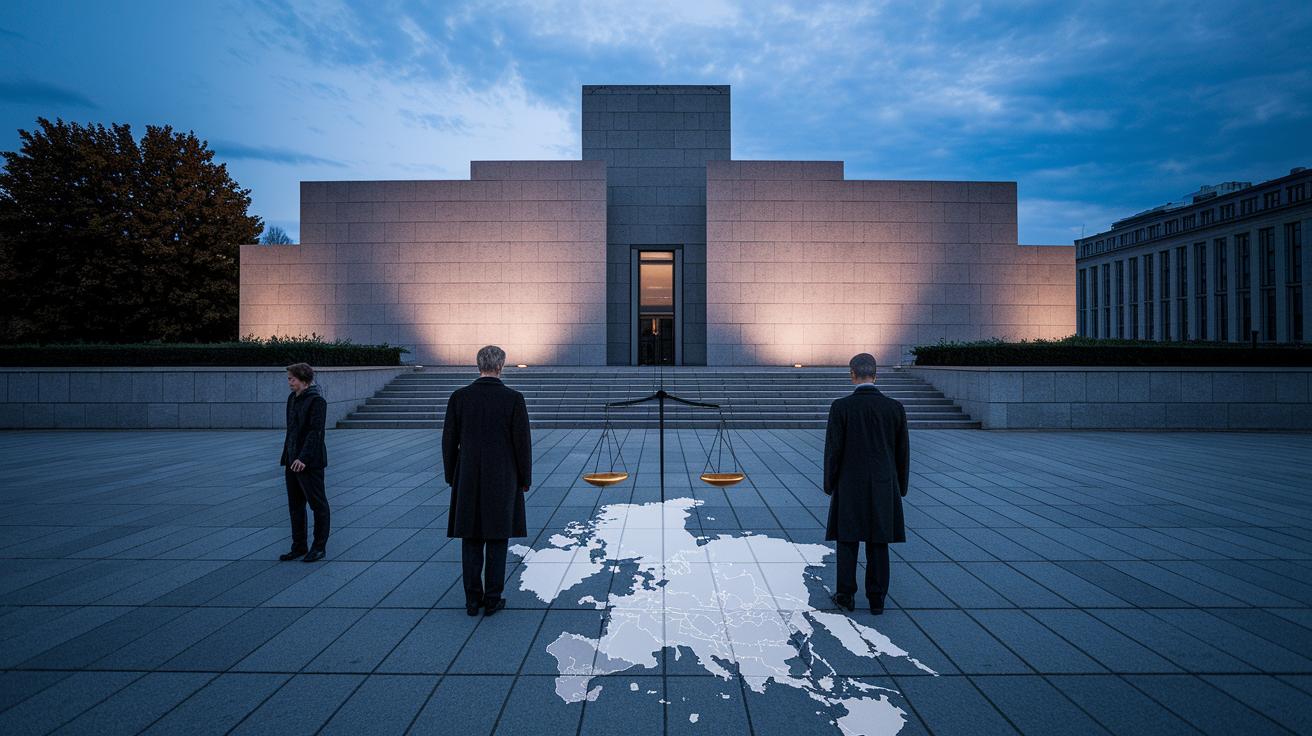
Transitional justice is a process used to address serious human rights abuses during violent conflicts or under oppressive governments. It works to hold those responsible accountable and helps rebuild trust in communities that have suffered deep trauma. This approach began in the 1980s when countries shifted from authoritarian or communist rule to democratic systems. It gives societies a way to overcome a harsh past and create a stable future.
This method has helped areas like Eastern Europe and Latin America break free from cycles of violence. It faces the painful aftermath of repressive regimes and conflicts with clear steps to address past wrongs. Transitional justice uses both legal processes and community healing measures to mend the wounds left by these events. Its main goal is to promote fairness and help people heal after periods of chaos and brutality.
By tackling the challenges left by the fall of authoritarian regimes or the end of conflicts, transitional justice sets a path for recovery. It combines legal actions with restorative techniques to rebuild public trust.
| Method | Action |
|---|---|
| Criminal prosecutions | Holding those responsible to account |
| Truth commissions | Uncovering facts about past abuses |
| Victim reparations | Providing compensation to affected individuals |
| Institutional and legal reforms | Changing rules and systems to prevent future abuses |
| Memory-preservation initiatives | Keeping the memory of events alive to guide healing |
Core Mechanisms of Transitional Justice
Truth Commissions
Truth commissions collect stories from victims and witnesses to create a clear record of past wrongs. They work to reveal the truth about violent events and give survivors a chance to share their experiences. One well-known case is South Africa's Truth and Reconciliation Commission. It gathered over 20,000 testimonies, exposing hidden truths that changed public understanding. This work helps communities face their past and start healing. It also stops people from denying what really happened.
Criminal Prosecutions
Criminal prosecutions are a key part of transitional justice. They use the law to hold wrongdoers accountable and build trust in the justice system. In the Democratic Republic of Congo, authorities trained 2,500 new magistrates to manage crimes that stretch across borders (crimes that occur in more than one country). This training led to landmark convictions for crimes against humanity. By using both local and international legal systems, communities can adjust these measures to meet their needs, ensuring that justice is both quick and fair.
Reparations Programs
Reparations programs help meet both the financial and symbolic needs of victims. They can offer cash payments or remove extra costs like court fees. In the DRC, fee waivers led to a marked rise in the number of victims seeking legal help. In The Gambia, proposals from transitional justice bodies have pushed for stronger accountability. These measures restore dignity and show victims that they are supported. In this way, societies scarred by conflict take concrete steps to care for those most affected.
Case Studies in Transitional Justice Practice
Case studies show many different results in transitional justice efforts across regions with deep past abuses. In the Democratic Republic of Congo, training judges has led to strong legal results. For example, in the Kasai-Central Court, a militiaman was convicted of crimes against humanity. In The Gambia, the Truth, Reconciliation & Reparations Commission (TRRC) produced solid recommendations to ensure accountability and provide reparations after the Jammeh era. In Nepal, communities and experts are urging the creation of a formal truth commission to document and address crimes from the civil conflict. These cases show how local context, law, and history shape transitional justice efforts.
| Country | Mechanism | Key Outcome |
|---|---|---|
| DRC | Criminal prosecutions | Conviction for crimes against humanity |
| The Gambia | Truth, Reconciliation & Reparations Commission | Recommendations for accountability |
| Nepal | Truth-seeking proposals | Call for a formal commission |
The examples from DRC, The Gambia, and Nepal clearly show transitional justice in action. Legal reforms and policies help address past violence while laying the groundwork for a more stable future. In DRC, judicial training delivers swift justice. In The Gambia, comprehensive commissions work to ensure accountability and reparations. In Nepal, civil society pushes for systems that reveal the truth and mend community wounds.
Critiques and Implementation Challenges

Many transitional justice efforts run into work problems that hold back progress. Limited funds and weak systems often cut short legal reforms and reparations programs. In South Africa, Rwanda, and Cambodia, studies show that low budgets and poor administrative processes have stopped these measures from reaching their full potential.
Political pressure also causes problems. Decision makers sometimes force changes that slow down investigations and prosecutions. This pressure stops a fair process and makes it hard for justice actions to meet local and international standards.
Ethical issues add to the challenge. There is a real risk of hurting survivors again, and what victims need often does not match what is given. When what people expect does not align with actual support, communities can feel more pain instead of healing.
Finally, crisis accountability efforts reveal gaps in transitional justice systems. Political instability and conflicting interests often slow down essential reforms that build trust. This misalignment weakens justice and stokes debates over strict penalties and ethical choices, making lasting reconciliation and peace a tougher goal to reach.
Incorporating Public Opinion and Evidence-Based Approaches

Research from Iraq and Ukraine shows that using clear data can improve transitional justice efforts. Surveys that count numbers and interviews that dig deeper help us understand what people think about holding offenders accountable, sharing the truth, and offering compensation. For example, surveys in Iraq show many people support criminal trials and compensation plans. These community views, collected carefully, urge leaders to adjust programs to meet local needs and wishes. This method also shows what those hurt by past abuses prefer and makes the justice process clearer and more connected to the public.
Studies from academic journals and field research in Ukraine further back using solid data for policymaking. Researchers measure public opinions on trials, amnesties (legal pardons), and other solutions so they can design better justice initiatives. One study found that sharing the truth can boost community trust a lot, especially when laws are fair. When governments match their plans with proven public support, they can improve accountability and recovery in post-conflict settings. This approach makes transitional justice stronger and more responsive, linking real data to the process of healing society.
Effects on Reconciliation and Societal Healing
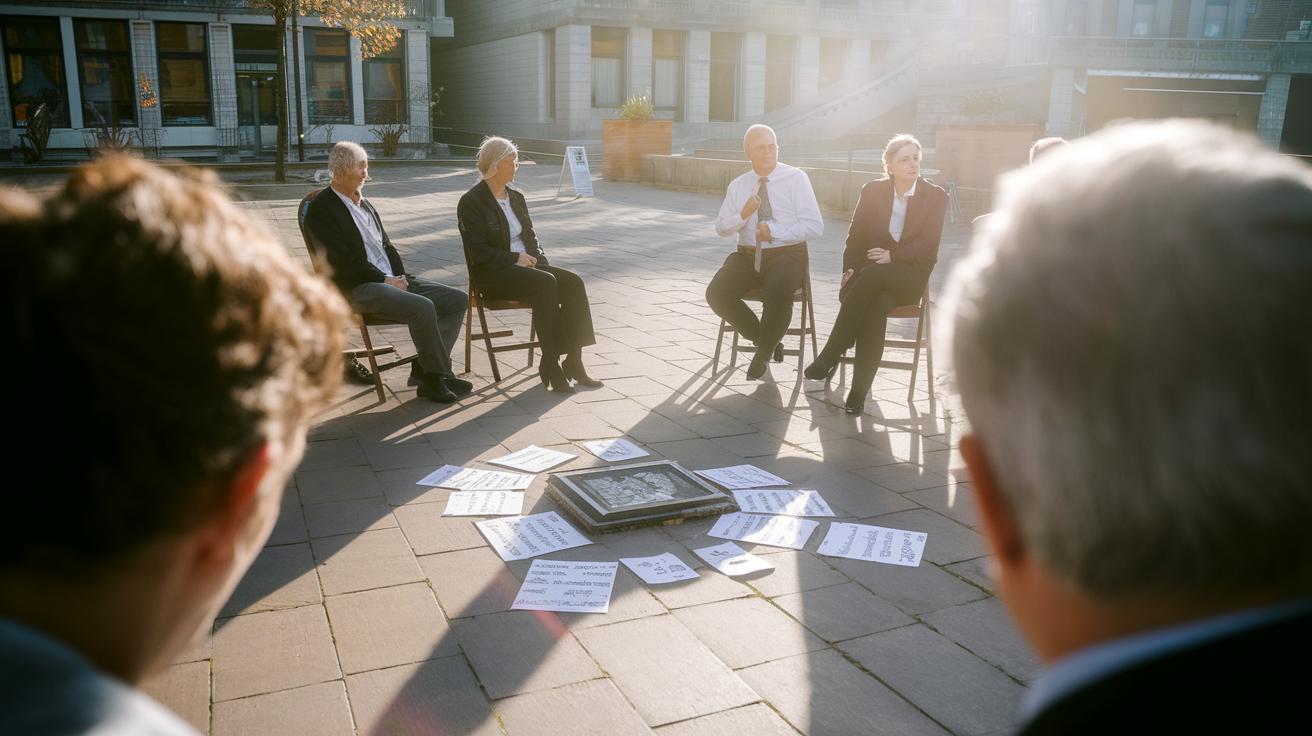
Transitional justice helps rebuild communities by promoting honest talks and meaningful acts. Programs that bring survivors, local leaders, and former offenders together create space for open conversation. These community discussions allow people to share their pain while symbolic acts, like memorials and public apologies, become steps toward forgiveness. For instance, a meeting might begin with a short speech that reminds everyone to listen, learn, and work together.
UNRIC points to the key role of transitional justice in healing society as part of Sustainable Development Goal 16, which supports peace, justice, and strong institutions. Leaders now see these efforts not just as law-related meetings but as vital parts of building lasting peace. These restorative methods slowly rebuild trust by addressing legal issues and deep emotional wounds, forming a base for recovery after conflict.
Some communities have grown closer through dialogue and restorative practices, sharing purpose and cohesion. In other places, however, progress feels incomplete. Although formal steps like reparations and public forums are in place, many victims feel that their voices are not fully heard and that true healing has yet to occur.
Integrating International Guidelines and Future Directions

Key UN reports shape how the world handles justice after conflict. The A/HRC/58/36 report from January 2025 underlines the need for systems that address serious human rights abuses. In October 2023, the Secretary General’s Guidance Note outlined how transitional justice works as a tool for people, prevention, and peace. These writings push for strong policies in post-conflict settings. Ambassadorial meetings on April 28, 2023, in Colombia, The Gambia, and Timor-Leste show a global promise to support peace, justice, and strong institutions under SDG 16.
Looking ahead, new trends are rising in international policy. Policymakers are blending legal processes with local healing efforts. This shift examines both accountability and truth-telling in places recovering from conflict. As regions rebuild, these evolving plans offer clear steps to fix past wrongs and secure lasting peace.
Final Words
In the action, the article explored the foundations and mechanisms of transitional justice. It examined how truth commissions, criminal prosecutions, and reparation programs address human rights violations in post-conflict settings. The text reviewed notable case studies from the DRC, The Gambia, and Nepal, as well as challenges linked to political and resource constraints. It also highlighted how public opinion and international guidelines shape practical reforms. By focusing on these elements, the discussion shows that a well-structured approach to transitional justice can drive lasting, positive change.
FAQ
What are some transitional justice examples?
Transitional justice examples include criminal prosecutions, truth commissions, victim reparations, institutional reforms, and memory preservation initiatives that help address past human rights abuses.
What are transitional justice mechanisms?
Transitional justice mechanisms refer to strategies like truth commissions, criminal prosecutions, and reparations programs used to address and remedy human rights violations after conflicts or authoritarian regimes.
What does transitional justice in Africa involve?
Transitional justice in Africa involves initiatives such as South Africa’s Truth and Reconciliation Commission, which addresses past abuses by promoting accountability and healing within societies.
What is a transitional justice synonym?
A transitional justice synonym could be post-conflict justice or justice transition, terms that describe processes aimed at addressing and rectifying historical human rights violations.
What are the transitional justice pillars?
The transitional justice pillars include accountability, truth, reparations, and institutional reform—foundational elements that guide the process of addressing past abuses and supporting societal recovery.
What is meant by transitional justice book?
Transitional justice book refers to literature that explores theories, case studies, and practices of transitional justice, offering insights into post-conflict and post-authoritarian recovery processes.
How does transitional justice compare to restorative justice?
Transitional justice vs restorative justice highlights that transitional justice focuses on legal accountability and historical redress, while restorative justice emphasizes community healing and reconciliation through dialogue and consensus.
What are transitional justice jobs?
Transitional justice jobs include roles in legal practice, policy development, academic research, international aid roles, and implementation of programs addressing the aftermath of conflicts and oppressive regimes.
What are the four pillars of transitional justice?
The four pillars of transitional justice typically include criminal prosecutions, truth commissions, victim reparations, and institutional reforms aimed at promoting accountability and societal recovery.
What is the principle of transitional justice?
The principle of transitional justice is addressing past human rights violations through accountability, truth-telling, reparations, and reforms, thereby fostering societal healing and preventing future abuses.
What are the three forms of transitional justice?
The three forms of transitional justice are criminal prosecutions, truth commissions, and reparations programs, each targeting different aspects of accountability and restorative processes.
Which of the following is an example of transitional justice?
An example of transitional justice is the South African Truth and Reconciliation Commission, which used a truth commission to address historical abuses and promote national healing.