
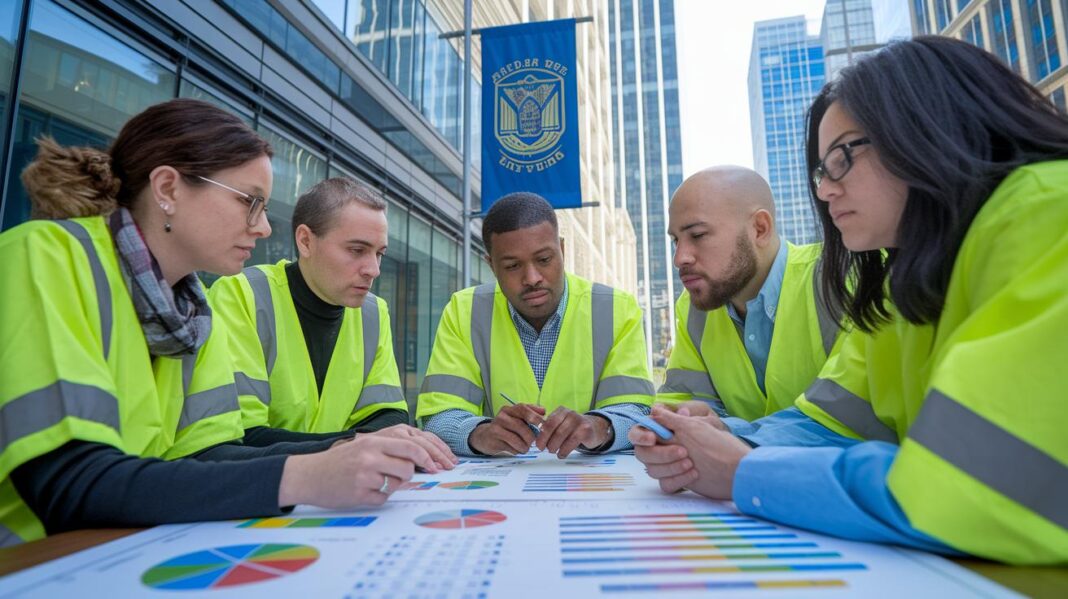
Public health groups make a real difference in our daily lives. They use research, smart policies, and direct help to fight illness and keep us safe. From global leaders to local clinics, these teams work hard during pandemics and vaccine rollouts. Their efforts shape how we prevent sickness and build healthier communities for everyone.
Foundations of Public Health Organizations: Definitions and Roles
Public health groups work to keep communities healthy. They use research, smart policies, and direct help to fight diseases and spread good health ideas. They face big challenges like pandemics and vaccine rollouts, and they teach us how to prevent sickness. Their efforts matter from local towns to the whole world.
A surprising fact: before becoming a famous scientist, Marie Curie carried test tubes with radioactive material in her pockets, not knowing the danger. While this fact does not directly relate to public health, it shows how early methods can lead to major breakthroughs later.
Below are some key public health organizations:
These groups form a strong health network. WHO leads global disease prevention. In the United States, CDC and HRSA help keep people safe and healthy. NACCHO strengthens local public health, and AHRQ improves care with solid data. The Public Health Institute adds support through smart partnerships.
Together, they set health rules and provide real help to protect and improve our lives.
Leading International Public Health Organizations and Their Impact

The World Health Organization (WHO) is celebrating 75 years of work. It has helped wipe out diseases and widen vaccine coverage. WHO unites countries to stop outbreaks and handle health crises. It also gets strong support from leaders to shape global health rules. In hard-to-reach areas, WHO sends vaccines and vital care. In its early days, WHO worked with small nations to set up its first international health rules. This shows how organized, proactive public health can change lives around the world.
Other global groups are also making a big impact on public health. The Public Health Institute teams up with partners like the Bill & Melinda Gates Foundation on projects based on solid data. Health Policy Watch shares clear, timely updates on health rules during fast changes. These organizations work together by swapping key information, best practices, and resources. Their combined work encourages governments to build strong health systems that reach every community and save lives. Their open collaboration continues to drive positive change in public health worldwide and keep us all safer.
Key Federal Public Health Agencies in the United States
The CDC, AHRQ, and HRSA all work under the U.S. Department of Health and Human Services. The CDC leads health and emergency responses. AHRQ supplies data and tools to make healthcare safer and better. HRSA helps provide care to those who need it the most.
These agencies team up to build a stronger health system in the country. Their joint efforts help shape policies and improve services in local communities and across the nation.
| Agency | Parent Department | Primary Function |
|---|---|---|
| CDC | U.S. Department of Health and Human Services | Lead domestic public health and emergency response |
| AHRQ | U.S. Department of Health and Human Services | Provide data and tools for healthcare safety and quality |
| HRSA | U.S. Department of Health and Human Services | Deliver equitable healthcare to vulnerable populations |
Local Public Health Organizations: State and Community Health Departments

State public health departments work to protect communities by keeping a close eye on illnesses. They track outbreaks, prepare for emergencies, and talk with residents about healthy habits. They also manage environmental health issues by teaming up with local groups. By reviewing data, these agencies design plans that help stop diseases and create a cleaner, healthier environment.
County and city health departments focus on services right in your neighborhood. They run vaccination drives, perform environmental health checks, and offer health education. Their hands-on efforts meet the specific needs of local communities. The National Association of County and City Health Officials works with the Centers for Disease Control and Prevention to provide ethics programs and training for local health workers. This teamwork ensures that local health departments have the right tools and skills to keep people safe.
Public Health Organizations: Empowering Community Wellness
The American Public Health Association works to improve our communities by addressing urgent issues like mental health, gun violence, and suicide. They set clear guidelines, review policies, and share educational tools for both community groups and professionals. Their policy briefs act like straightforward instructions that help schools and neighborhoods build mental health support, even when funds are tight.
Other professional associations also play a key role. For instance, the American College of Obstetricians and Gynecologists issues new guidelines for postpartum care to keep doctors informed. Meanwhile, the Journal of Public Health Management and Practice promotes practices backed by solid research. Together, these groups help bridge the gap between research and everyday health care, giving professionals the tools they need to boost community wellness.
Professional and Volunteer Public Health Networks

Professional and volunteer networks help build public health careers and improve community outreach. The American Association of Public Health Physicians supports the medical public health workforce by offering policy briefs and hands-on help so that professionals stay informed and effective. Global CARE brings much-needed aid to underserved areas, reaching communities that might otherwise miss basic care.
These connections let public health experts share ideas, swap best practices, and act quickly when new challenges arise. This helps them serve local communities more efficiently and with genuine care.
Other organizations also work to grow careers and strengthen community ties. The American College of Preventive Medicine and Idealist offer career advice and volunteer opportunities by listing job openings and ways to get involved in the field. In addition, the Drug Information Association connects practitioners with research roles in pharmaceutical and clinical settings. Together, these groups create a strong network that links academic research, clinical work, and community service.
Digital and Innovative Public Health Initiatives
Health Policy Watch runs a digital platform that tracks policy changes and news in real time. The platform helps spread clear, up-to-date information during health emergencies. For example, it gives live updates as events happen so that both health officials and the public get vital information quickly. This technology gathers and shares the details needed to make smart decisions to keep communities safe.
Online health networks and databases bring together research, surveillance figures, and learning tools all in one place. This method supports decisions based on facts and increases community involvement. By merging different data sources, digital tools let officials spot trends and plan focused actions. These tools make it easy for both experts and community members to access credible insights, which improves overall care and prevention steps.
Final Words
In the action, we covered the roles and links of public health organizations at global, federal, local, nonprofit, and volunteer levels. The article examined how leaders like WHO, CDC, and NACCHO drive community health. We also highlighted digital tools that improve data sharing and outreach. This quick recap shows how efforts from varied agencies and local public health organizations work together to safeguard community well-being. The combined approach leaves us optimistic about building a safer, healthier future.
FAQ
Q: public health organizations near california
The inquiry about public health organizations near California points to state and local health departments, nonprofits, and academic centers working to enhance community health and manage disease prevention efforts across the region.
Q: public health organizations near texas
The question about public health organizations near Texas refers to state and county health departments along with local nonprofits that implement disease prevention programs and support community-based health services throughout the area.
Q: Public health organizations crossword clue
The query regarding a public health organizations crossword clue typically hints at major agencies like the CDC or WHO, which are recognized for their roles in advancing community health and safety.
Q: Public health organizations nyt
The reference to public health organizations in the New York Times usually spotlights well-known federal, state, and global agencies involved in health policy, research, and community well-being discussions.
Q: Public Health organizations near me
The question about public health organizations near you suggests that local and regional health departments, hospitals, and nonprofits provide crucial services, preventive care, and health education in your community.
Q: Public health organizations jobs
The question concerning public health organizations jobs indicates career opportunities at state or local agencies, research institutions, and nonprofits, offering roles in disease control, health education, and community outreach.
Q: Public health organizations NYC
The query about public health organizations in NYC refers to the city health department, local community centers, and nonprofit groups that coordinate services, manage public safety, and promote health awareness.
Q: List of Public Health agencies
The inquiry about a list of public health agencies includes examples such as the World Health Organization (WHO), Centers for Disease Control and Prevention (CDC), Agency for Healthcare Research and Quality (AHRQ), Health Resources and Services Administration (HRSA), along with key local departments.
Q: What is a public health organization?
The question about what a public health organization is means any group or agency that works to enhance community well-being through disease prevention, health education, and implementing safety protocols at every level.
Q: What are the 10 public health services?
The question regarding the 10 public health services addresses a framework that includes monitoring health, informing and educating the public, mobilizing community partnerships, developing policies, enforcing laws, linking to services, ensuring care, and other vital functions.
Q: What is an example of a health organization?
The inquiry about an example of a health organization can be answered by noting the Centers for Disease Control and Prevention (CDC), which leads initiatives for disease prevention and health promotion at a national level.
Q: Which of the following are considered public health organizations?
The question on which entities are public health organizations includes agencies at federal and state levels, nonprofit groups, and professional associations such as the CDC, WHO, and local health departments charged with community health responsibilities.