

Can foreign aid change lives overnight? It sparks debates, yet governments have used these funds to build schools, hospitals, and roads that lift communities and boost local economies. From the Marshall Plan (a major post-war aid program) to targeted aid today, official development assistance has long helped fuel steady growth. This post explains how focused funding fights poverty and drives progress, even if some critics question its impact. Read on to see how smart aid investments support global growth and help communities thrive.
Overview of Foreign Aid: Definition, Goals, and Impact
Official Development Assistance (ODA) is money given to help boost economies and improve lives in developing countries. Donor nations offer these funds only when the main focus is on building infrastructure, enhancing education, or supporting health services. This clear-cut focus sets ODA apart from other types of aid that do not aim for lasting development.
ODA is made up of grants and low-interest loans provided through government channels. Only funds meant to spark economic growth are counted as ODA. Military aid, for example, is not included because it does not directly build long-term development. Likewise, private donations from charities do not fall under this category. This careful distinction keeps aid transparent and ensures it is used effectively to drive progress.
More than 90% of aid from DAC nations in 2022 was given as grants or their equivalent through direct bilateral deals. This means donor governments handed out funds with specific rules rather than pooling money in international organizations. Such direct and targeted funding makes it easier to track spending, hold donors accountable, and use resources wisely to meet development goals.
Historical Evolution of Foreign Aid Programs

Foreign aid programs have changed a lot over time. Right after World War II, efforts focused on rebuilding communities. The Marshall Plan (1948) gave large amounts of U.S. money to repair war-torn Europe. This effort set an example by showing how government help can spark long-term growth.
Major Milestones in Aid History
Several key programs have shaped foreign aid. The Marshall Plan not only rebuilt economies but also brought European nations closer together. Then in 2003, the President's Emergency Plan for AIDS Relief (PEPFAR) launched after 1.5 million people died from HIV/AIDS. By 2023, PEPFAR had provided antiretroviral therapy to over 20 million people, showing how focused health programs can change lives.
Changing Objectives and Global Trends
The goals of aid have shifted over time. During the Cold War, aid was sometimes used to support governments for strategic reasons. After the Soviet Union fell in the 1990s, donor priorities moved toward promoting open government and steady economic growth. Today, aid programs tackle issues like poverty, public health, and better governance. Countries now mix lessons from the past with new ideas to meet global challenges.
Humanitarian Relief in Foreign Aid Frameworks
Humanitarian relief is a key part of foreign aid. It meets urgent needs during emergencies and crises. In 2023, rich countries spent 12% of their aid budgets on this vital support. The goal is clear: save lives and stabilize regions during conflicts, natural disasters, or sudden emergencies. This short-term help works alongside long-term development projects to reach people fast.
Emergency programs focus on areas that face immediate challenges, like Ukraine, Gaza, and the West Bank. Funding for these crises is used to save lives and get basic services back on track quickly. Affected communities receive the resources they need right away, reducing harm until longer-term measures can begin and overall stability returns.
- Food security programs
- Emergency medical services
- Temporary shelter and housing
- Water, sanitation, and hygiene (WASH)
- Logistics and transport support
- Protection and psychosocial help
Emergency humanitarian aid eases suffering immediately and lays the groundwork for sustainable recovery. By stopping further decline in crisis-hit areas, these actions help build the stable conditions needed for long-term growth.
Mechanisms of Development Assistance and Funding Models

Bilateral channels delivered over 90% of aid from DAC nations in 2022 as grants or similar funds. This means donor governments give money with set rules for spending. Multilateral funding, by contrast, comes from contributions to groups like the United Nations or World Bank to back larger, joint projects. This blend lets donors target aid precisely while pooling resources for big efforts. Some aid also comes from domestic spending on refugees, student scholarships, and government tasks. When these are meant to boost economic growth, they count as Official Development Assistance.
Grants vs. Concessional Loans
Grant-equivalents are funds that do not need to be repaid. They help pay for projects such as fixing a community’s water system. Concessional loans, however, come with lower interest rates and easier repayment schedules than typical market loans. For example, a developing nation might receive a concessional loan to upgrade its education system. This eases financial pressure while offering clear, affordable repayment terms.
Domestic vs. Overseas Expenditures
Official Development Assistance also includes spending at home that supports international goals. Actions like hosting refugees, offering student scholarships, or funding government programs for aid all count. These funds might not leave the country right away but still add to a nation’s development aid record.
Sorting these various funding streams is a challenge. Distinguishing between grants and concessional loans, as well as domestic versus overseas spending, takes strict reporting standards to capture every financial detail. This careful tracking keeps donors accountable and provides a clear picture of global development efforts.
United States Aid Programs and American Initiatives
In 2019, U.S. foreign aid was $39.2 billion, which is less than 1% of the federal budget and under 0.2% of the nation’s gross national product. This amount is below the international standard of 0.7% and less than the roughly 0.4% average given by other wealthy countries. The small share shows how the U.S. carefully balances spending on domestic needs with helping other nations.
One key health effort is the President’s Emergency Plan for AIDS Relief (PEPFAR). Started to fight HIV/AIDS, PEPFAR has provided antiretroviral treatment to over 20 million people by 2023. This program has reduced deaths and made local healthcare systems stronger. It shows that focused and well-run aid can greatly improve public health.
The U.S. also uses several pathways to send out foreign aid. In 2018, 21% went to governments, 20% went to nonprofit organizations, 34% went to multilateral agencies (groups of several countries), and 25% went to other organizations. Each channel is set up to be clear, meet specific needs, and use resources effectively, whether it is for political support or humanitarian relief.
Global Impact and Key Aid Statistics
Looking at how countries give aid shows different approaches. The UK uses large amounts of money to boost overall development, while U.S. efforts like PEPFAR (the President's Emergency Plan for AIDS Relief) focus on specific health services that produce clear results.
| Program/Region | Metric | Data | Year |
|---|---|---|---|
| United Kingdom | Aid Spending | £15,344 million (≈£223 per capita) | 2023 |
| US – PEPFAR | People Treated | Over 20 million receiving antiretroviral therapy | 2023 |
| US Strategic Aid | Development Outcomes | Tangible improvements in poverty reduction and public health | Latest |
This comparison shows that the UK funds a wide range of growth projects, while U.S. programs create measurable health improvements. It underlines the need to examine aid strategies closely to find gaps and hold programs accountable.
Policy Debates and Accountability in Foreign Aid
Donor nations often debate how to balance their own economic needs with the help that recipient countries require. In the United States, about 21% of economic aid goes straight to governments, 20% supports nonprofits, 34% is funneled to international agencies, and 25% goes to other partners. These various channels lower the risk of corruption but also raise questions about fair distribution. Some experts say that political pressures can affect funding choices, making full accountability hard to achieve. One analyst said, "When rules for openness are not consistent, even well-planned aid can fall short of meeting local needs."
Different methods for tracking aid add to the challenge. Even with strong rules for checking, reporting, and reviewing, differences in how performance is measured can leave gaps in accountability. This issue is at the center of policy debates. Donor interests, national security, and developmental goals must align well. Many countries are calling for better coordination of relief efforts so that funds are distributed fairly and tracked properly. They stress the need for safeguards that address political concerns and support lasting development.
Oversight and Reporting Mechanisms
Large donors use solid evaluation methods to maintain accountability. They rely on clear performance measures, regular audits, and frequent reporting to track how aid works. For example, a donor might release quarterly updates showing progress in sectors like health, education, and infrastructure. External reviews and standard rules for openness help ensure that funds are spent as intended and build trust in the aid process.
Future Trends and Potential Reforms in Foreign Aid
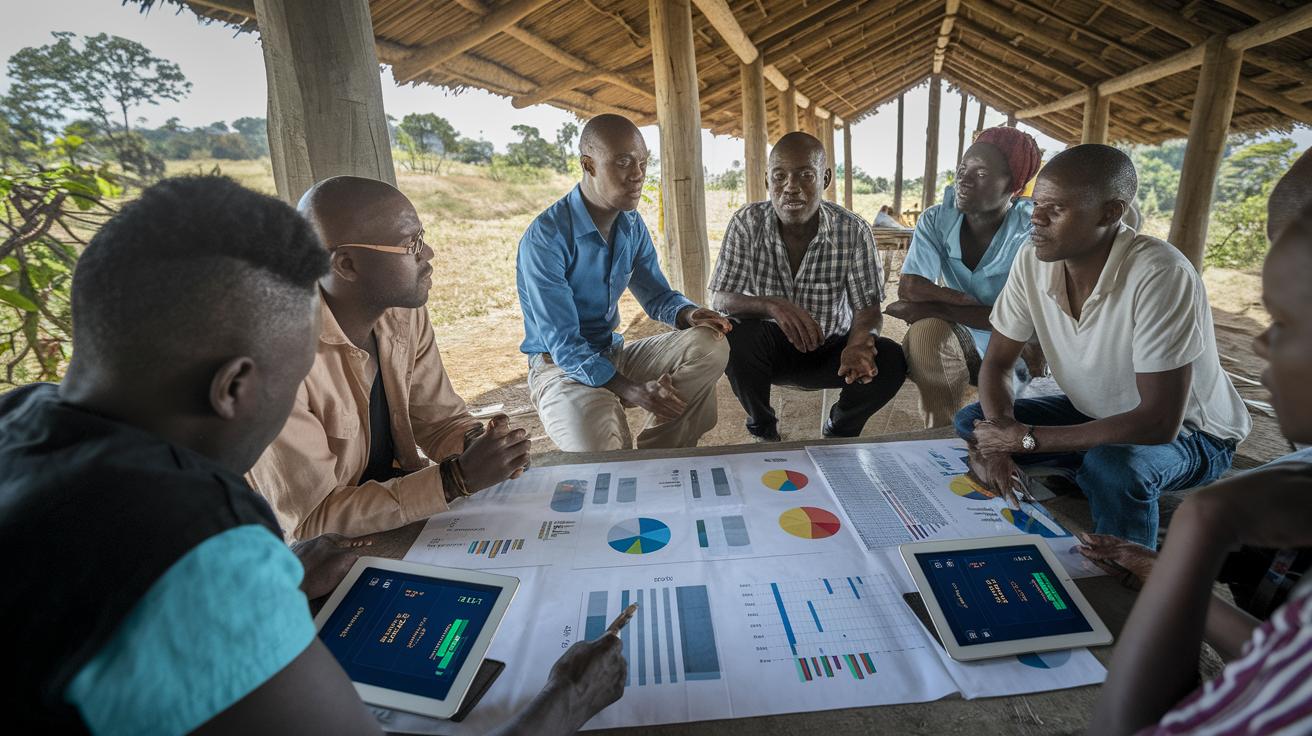
Foreign aid is changing fast as new methods put technology and local communities at the center. Leaders are pushing proposals that speed up fund delivery, improve tracking, and build closer ties with the people who need help. The goal is simple: make aid efficient, focused, and driven by real results in today's world. These plans use lessons from past programs to support lasting growth by matching funds to the true needs of each country.
- Digital systems now track aid funds in real time, so everyone can see where money is going.
- Local partnerships let communities set their own priorities and keep an eye on spending.
- New delivery methods cut out delays to ensure help reaches critical areas faster.
- Pilot projects in emerging markets are testing smart ways to connect funds with local projects and chances.
These ideas encourage funding that is both sustainable and accountable. Over the next decade, such changes could reshape aid by building stronger links between donors and recipients, driving clear growth, and quickly adapting to new economic and social challenges.
Final Words
In the action, we saw how foreign aid shapes global assistance through clear definitions, historical milestones, and real-time humanitarian efforts. The piece explored development funding models, U.S. initiatives, key statistics, and the policy debates that drive accountability and transparency.
Each segment ties together to show the steady evolution of aid as it supports development, emergency relief, and strategic reforms. The outlook remains bright as progressive ideas and digital innovations continue to boost the impact of foreign aid.
FAQ
What details are provided in lists of foreign aid by country, including U.S. projections for 2025?
The lists detail how donor countries distribute aid by tracking recipient nations, funding amounts, and trends. They include current U.S. figures and forecasts, offering insight into global distribution and future goals.
How is U.S. foreign aid tracked over different years?
Tracking U.S. foreign aid by year shows changes in funding amounts, allocation channels, and overall priorities. This yearly review helps highlight shifts in policy and responses to global needs.
Which organizations manage foreign aid initiatives?
Foreign aid organizations include governmental agencies, nonprofits, and multilateral institutions. They coordinate funds and programs to support economic development and humanitarian needs in recipient countries.
Does the U.S. receive foreign aid from other countries?
The U.S. mainly operates as a donor and rarely receives aid. In exceptional cases, such as emergencies, it may accept limited assistance from allied nations to tackle specific challenges.
What does the term foreign aid mean?
Foreign aid means financial or technical assistance provided by one country to support economic development, improve welfare, or address humanitarian needs in another country, primarily through official government budgets.
Which country receives the most U.S. foreign aid?
The leading recipient of U.S. foreign aid varies over time. Typically, nations experiencing severe economic, health, or social challenges, often in regions like Africa, receive the highest levels of support.
Who are the primary recipients of U.S. foreign aid?
The U.S. gives foreign aid to governments, nonprofits, and multilateral organizations in countries facing economic, health, or political challenges, aiming to boost stability and improve living conditions.
What are the three types of foreign aid?
The three types of foreign aid include bilateral aid (direct transfers between countries), multilateral aid (channeled through international organizations), and humanitarian aid (emergency relief and support during crises).