
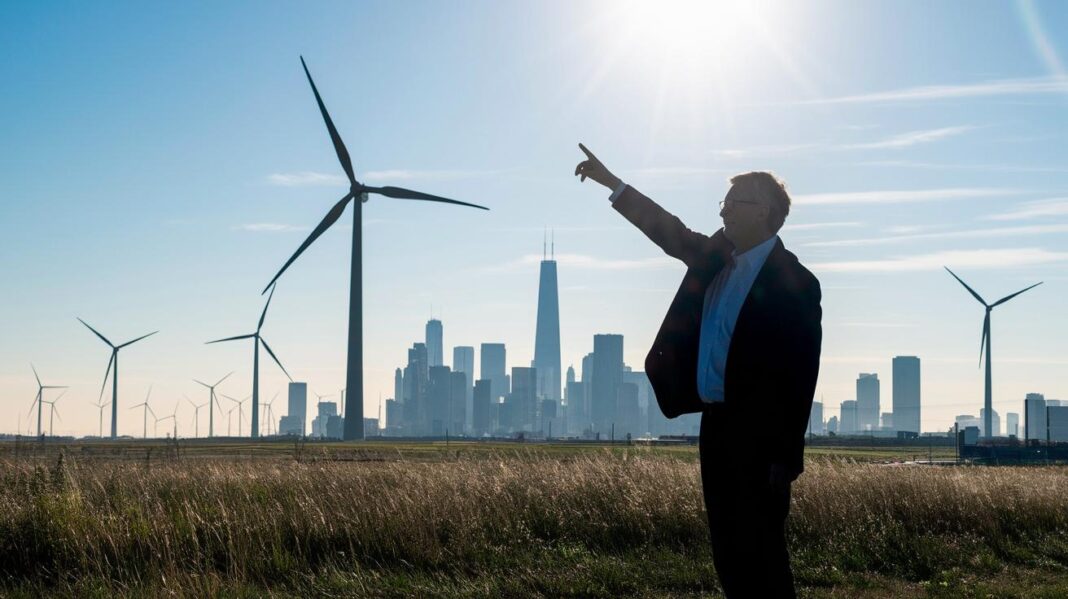
Can one person's decision change the world? Bill Gates left the tech scene to spend his wealth fighting climate change. He funds new research and supports smart energy projects that clear the way for a greener future. He mixes backing breakthroughs with pushing for policies that reduce harmful emissions (gases that harm the air). Some experts worry about risks if his plan falters, but his focus on clean energy sparks hope. Gates shows that bold investments in green projects can drive a brighter future for all.
Bill Gates’ Climate Change Strategy Overview
Bill Gates used to be a top tech entrepreneur before he became a climate advocate. He now uses his wealth and influence to fight global warming. Known for his software breakthroughs, he has shifted his focus to clean energy and sustainable practices. This marks a clear move from computer innovation to creating climate solutions, and his passion drives new progress.
His plan rests on three simple steps: boosting research and development, supporting good public policies, and using his money to fund green projects. His investments aim to lower emissions and make energy use more efficient. Projects from the Bill & Melinda Gates Foundation and Breakthrough Energy Ventures back promising new ideas. This mix of market fixes and government help speeds up the move toward cleaner technology for industries and communities around the world.
Gates trusts that new technology can change how we produce energy and cut emissions. He often says that real innovation must work with solid policies. Some worry that his view might miss risks tied to reaching irreversible climate tipping points. Still, his upbeat vision encourages heavy investment in fresh tech, even as he admits that delaying big climate action could be risky in the long run.
Bill Gates: Evolving Climate Investments

After building Microsoft into a tech giant, Bill Gates began investing in clean energy to help slow global warming. He backed early tech breakthroughs and now supports projects that cut carbon and boost market-driven solutions.
- In 1975, Gates founded Microsoft, a pioneer in software.
- In 2000, he started the Bill & Melinda Gates Foundation.
- In 2015, he launched Breakthrough Energy Ventures.
- In 2021, he published the book How to Avoid a Climate Disaster.
- He continues to back market-based carbon policies.
Today, Gates focuses his investments on advanced nuclear reactors, large battery storage, and carbon capture technology (methods to trap carbon from the air). While some critics say these projects miss social issues, supporters believe they speed up progress. Gates also influences policy through his private funding, sparking debates about fairness and accountability. Even as cost reductions improve these technologies, discussions continue over their impact on environmental justice. These efforts show how private money can shape our climate future.
Bill Gates’ Climate Innovation Investments
Bill Gates' top fund, Breakthrough Energy Ventures, invests over $1 billion in breakthrough climate technologies. It supports projects in nine clean-tech areas to quickly bring innovations to market and fight rising greenhouse gas levels.
- Breakthrough Energy Ventures: This fund puts more than $1 billion into cutting-edge projects across nine clean-tech sectors to speed up climate solutions.
- TerraPower: This company is developing new nuclear reactors that promise safer, efficient, and reliable power.
- CarbonCure: They mix CO₂ into concrete during production, which helps cut down carbon emissions.
- Impossible Foods: This firm is expanding plant-based protein to build a more sustainable and accessible food system.
- QuantumScape: They are creating advanced solid-state batteries that improve electric vehicle performance and extend battery life.
- ZeroAvia: This venture is working on hydrogen-powered aircraft propulsion to make air travel cleaner and more efficient.
These investments are key to Gates's plan to reduce emissions. They create a clear path linking new technology with real climate impact. By supporting innovation in energy, transportation, and construction, Gates aims to lower greenhouse gases while reshaping the market. His backing shows a strong belief that clean power can transform our future and deliver lasting benefits for communities worldwide.
Bill Gates Climate Change Fuels Bright Futures
Bill Gates says that combining new technology with strong government rules is key to cutting emissions. He argues that only by pairing innovation with clear rules can we push forward real change in climate action.
Carbon Pricing
Gates supports raising the carbon tax gradually to promote cleaner production. His plan calls for slowly increasing the tax, which would push industries to adopt sustainable practices and invest in low-carbon options. This strategy sends a clear economic signal that encourages companies to cut waste and innovate, paving the way for a global shift away from old energy models.
Increased R&D Funding
Gates also wants a steady boost in funding for research and development from both public and private sources. He believes regular support for R&D will spark breakthroughs in renewable energy and help build stronger defenses against climate change. By urging higher R&D budgets, he hopes to speed up innovation, lower costs, and build a strong scientific base that lets new climate-friendly technologies grow into large-scale solutions worldwide.
International Collaboration
Gates stresses the importance of global partnerships to align efforts to cut emissions. He backs coordinated international actions that link advanced technology with local needs. By promoting cross-border research and policy deals, his plan aims to share responsibilities and pool resources. This team approach is meant to drive steady progress and push governments around the world to set clear, measurable climate targets.
In short, Gates wants to balance enthusiasm for new technology with strong government rules. He calls for careful, step-by-step changes to avoid leaning too much on untested ideas while making sure high-tech optimism goes hand in hand with real, enforceable policies.
Bill Gates Climate Change Fuels Bright Futures
Bill Gates uses a clear, focused plan in his charity work to boost early ideas in climate technology. He gives special grants that lower risks for new projects. This support helps these ventures gather more funds and move into commercial markets.
| Project | Focus Area | Funding |
|---|---|---|
| Breakthrough Energy Catalyst | Commercialize clean tech | $100 M+ |
| TerraPower Foundation | Advanced nuclear R&D | $50 M |
| Innovative Finance | Carbon-capture pilots | $75 M |
| Global Carbon Challenge | Policy incentives | $20 M |
These grants help startups take bold steps by reducing early risks and attracting more private investment. Gates targets projects that both lower emissions and expand green industries. His exact funding method builds a strong market in clean technology and sets a high standard for smart investments. This plan also unites global partners in the fight against climate change.
Critiques of Bill Gates’ Climate Change Approach

Some critics say Bill Gates' emphasis on technology may hide the need for broader changes. They worry that focusing on new tools might ignore deep-rooted environmental and social challenges, leaving key issues unsolved.
Critics point to:
| Issue | Concern |
|---|---|
| Ecology | Risk of missing irreversible environmental damage |
| Equity | Inequalities in access to new technologies |
| Technology | Overdependence on breakthroughs that may not come in time |
Gates has addressed these issues by saying his plan does not overlook long-term risks. He explains that technology, combined with sound policies, can kickstart wider changes. In interviews, he has stated that managing risk and driving innovation should work side by side. Gates also mentions that his clean tech investments are part of a larger strategy, one that involves partnering with governments and local communities to create comprehensive climate solutions. His aim is to build trust as he tackles these challenges.
Impact of Bill Gates on Climate Innovation
Bill Gates has backed over 100 clean energy startups and driven more than 80 patents in low-carbon technology. His support has brought in over $2 billion in private funds and helped spin out nearly 50 ventures. These projects work on energy storage, capturing carbon, and generating renewable power. Gates is more than just an investor; he turns fresh ideas into practical solutions that cut emissions and boost efficiency across many industries.
Gates also plays a hands-on role in shaping policy. He has joined bipartisan talks on carbon pricing and helped draft rules that support solar, wind, and new battery technologies. His work encourages governments to set standards that mix economic rewards with green projects.
By linking smart investments with modern policies, Gates is changing how energy markets work. He not only fuels innovation with money but also shapes rules that help these new technologies flourish.
Final Words
In the action, the article outlined Bill Gates’ evolution from tech leader to climate advocate. It covered his investment in clean technology, policy proposals, and his balanced stance on risk. The post examined how his tech-led eco initiatives drive market shifts. It also noted critiques of a solely technological approach. Bill Gates climate change efforts remind us that progress comes from mixing innovation with smart policies. The discussion leaves us with practical insights and a positive note for strategic decision-making.
FAQ
What did Bill Gates say about climate change?
What does Elon Musk say about climate change?
Which billionaire has the highest carbon footprint?