
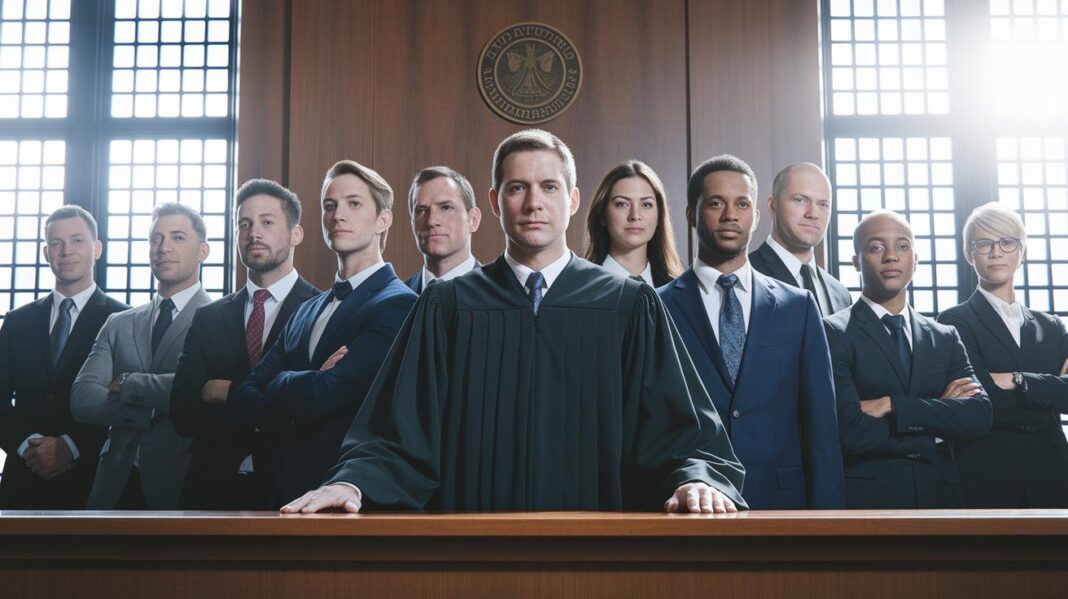
Have you ever wondered if your rights would stand up to powerful forces? Civil rights lawsuits let you challenge wrongdoings like police abuse or job bias. They also help keep authorities in check when they push past their limits.
In this article, we show how smart legal action can protect our freedoms and drive progress. We outline the steps and key laws that empower people to fight for fairness and build a better society.
Comprehensive Overview of Civil Rights Litigation
Civil rights lawsuits give people a way to protect their rights under the Constitution and other laws. In these cases, individuals turn to state or federal courts to address wrongs like police misconduct, abuse in jails or prisons, and job discrimination. Law firms that specialize in civil rights help clients hold government or corporate powers accountable when their rights are violated. For example, a Denver firm focuses solely on civil and constitutional rights. They handle claims under key laws and can even file complaints with the Department of Justice for extra oversight.
These cases are important because they ensure that legal protections are not ignored. They allow people to challenge abuses and push for fair treatment from officials. The following laws are the main tools used in many civil rights cases:
- 42 U.S.C. § 1983: Lets you seek remedy when state actors violate your civil rights.
- Title VII: Bans job discrimination based on race, color, religion, sex, or national origin.
- ADA (Americans with Disabilities Act): Protects individuals with disabilities from discrimination.
- ADEA (Age Discrimination in Employment Act): Safeguards employees aged 40 and older from unfair practices.
- CADA (Colorado Anti-Discrimination Act): Provides extra protection against discrimination in Colorado.
- C.R.S. § 13-21-131: Covers local claims, often related to the misuse of force or abuse by officials.
Taken together, these laws empower people to stand up for their rights and help build a fairer society.
Procedures for Filing a Civil Rights Lawsuit in State and Federal Courts

Starting a civil rights lawsuit takes careful planning and following set steps in both state and federal courts. Begin by gathering evidence like witness statements, police reports, and any relevant messages. Think of it as collecting study notes before an important exam.
Next, determine if your case fits under 42 U.S.C. Section 1983 for federal cases or falls under state laws such as C.R.S. Section 13-21-131. You also need to check if you must try to resolve the issue through internal complaint channels first. This process is known as administrative exhaustion.
Here are the basic steps to follow:
- Check the statute of limitations to ensure your claim is filed on time.
- Confirm if your case should be heard in federal or state court.
- Fill out and file the proper complaint forms, providing clear details about the alleged rights violation.
- Consider filing a complaint with the Department of Justice if the case involves police misconduct or systematic abuse of power.
Be aware of protections like Colorado’s safeguard against lawsuits that target free speech. This rule can be vital if you face challenges during the legal process. Make sure you complete any required internal reviews before filing in court.
Finally, consult a civil rights attorney who can review your steps and ensure that you meet all requirements for a strong case.
Strategies for Securing Remedies and Damages in Civil Rights Litigation
Civil rights cases give victims several legal tools to address harm and spark change. Courts can order immediate action from wrongdoers by issuing injunctions that force them to stop harmful practices. For example, one court order made a police department completely change its procedures.
Victims can also receive money to help cover lost wages, medical costs, and the pain they suffered. Courts sometimes award extra sums called punitive damages to punish bad actions and stop others from repeating them. In many cases, attorney fees are also recovered to ease the financial burden of lengthy legal battles.
Some cases bring together multiple plaintiffs in class actions to fight systemic abuses. These actions not only provide compensation but also set clear standards to guide future civil rights litigation.
Consider this surprising fact: one recent settlement saw punitive damages soar, igniting a wave of reform in local law enforcement policies.
| Remedy Type | Description |
|---|---|
| Injunctive Relief | Court orders that force wrongdoers to stop harmful practices. |
| Compensatory Damages | Money awarded for lost wages, medical bills, and pain and suffering. |
| Punitive Damages | Extra sums meant to punish wrongful actions and deter future harm. |
Landmark Precedent Cases Shaping Civil Rights Litigation
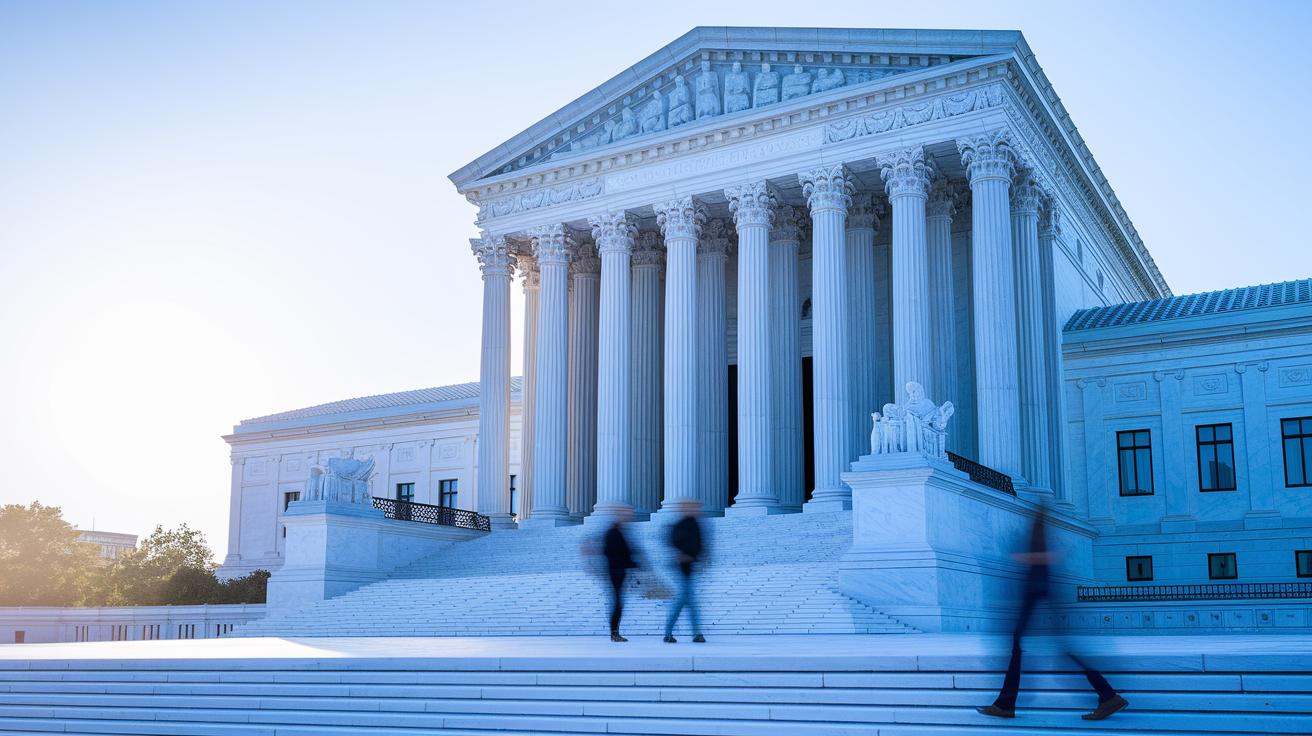
Brown v. Board of Education
Brown v. Board of Education (1954) is a key case that changed how public schools handle race. The Supreme Court ruled that separating children by race meant minority kids did not get equal protection under the law. "Before this ruling, many communities accepted segregated schools without questioning the fairness of treatment." This clear decision challenged unfair practices and opened the door for future fights against inequality. It also showed early on that courts could lead the way in defending civil rights.
Police and Official Misconduct Lawsuit
A case was brought against police officers, an alderman, and a city official for misusing power and violating civil rights. Claims in the lawsuit said that these leaders acted in ways that stopped citizens from enjoying their rights. "In a single case, community members saw their rights defended by a legal challenge that questioned long-held practices of unchecked authority." The suit makes it clear that public officials must be held accountable when they misuse their power.
Detainee Freezing Lake Case
In another case, detainees were reportedly forced into a freezing lake to delay their phone calls. The practice was seen as a deliberate move to stop detainees from reaching out to family or lawyers. "A scandalous practice involving a freezing lake highlighted how far some officials would go to sidestep legal standards protecting vulnerable individuals." The court ruled that this treatment was an abuse of power and a clear violation of civil rights.
Selecting Legal Representation for Civil Rights Litigation
Finding the right lawyer can make all the difference in your civil rights case. You need someone with a strong record in 42 U.S.C. § 1983 cases (a law that protects civil rights) and solid experience in federal courts. This background shows they can handle issues like police misconduct or job discrimination.
When you evaluate legal support, keep these points in mind:
- A proven track record in civil rights cases under 42 U.S.C. § 1983.
- Experience in federal court trials that can help with complex legal matters.
- Options for free legal aid or flexible payment plans if money is tight.
- Specialization in areas like police mismanagement or workplace discrimination.
- A focus on individual claimants rather than on representing government officials or corporations, as seen with some Denver-based firms.
Call the firm at 720-465-1975 or send a fax to start a personal consultation. This step helps you set up clear strategies for trial preparation and makes sure that the lawyer's approach fits your needs.
Engaging Public Interest Advocacy in Civil Rights Litigation
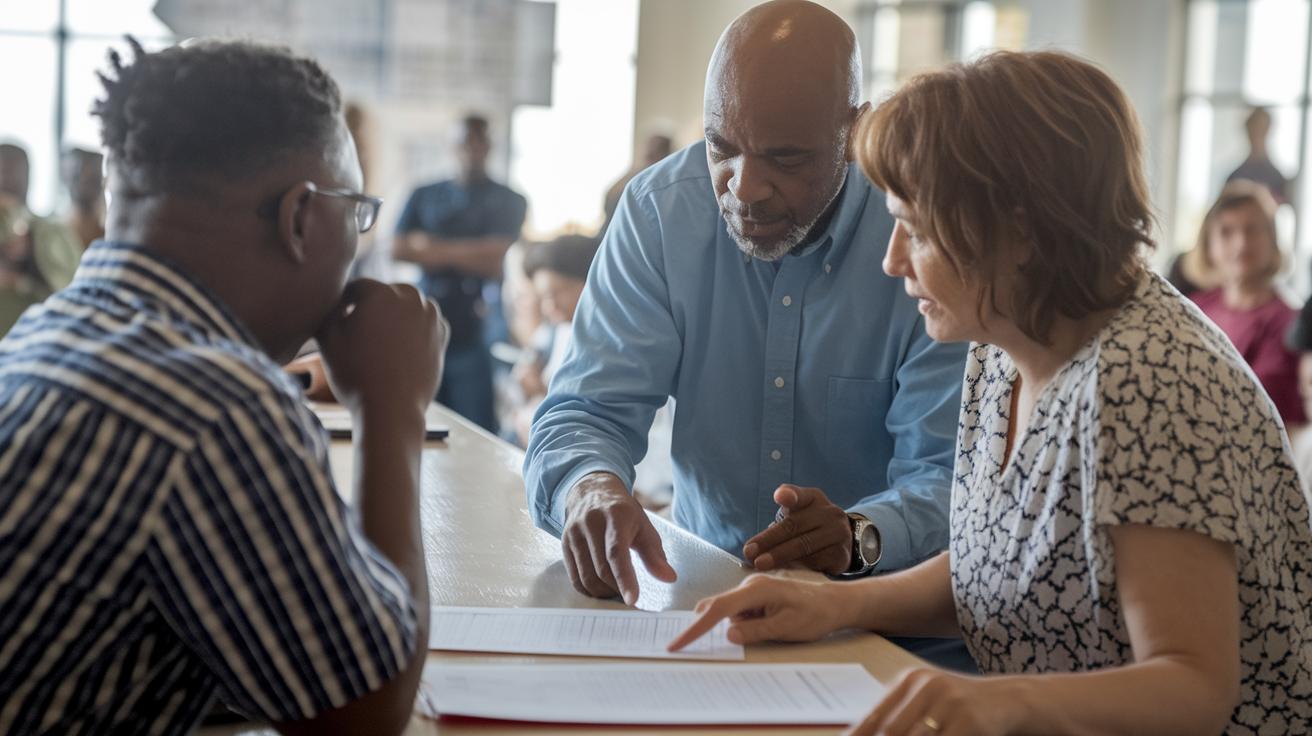
Public interest advocacy groups guide people through abuse claims and help protect their rights. Many of these groups offer free support to those who have suffered police abuse. They provide legal aid that explains available options. For example, a Department of Justice hotline is there to answer questions about police abuse claims. Nonprofit legal-assistance programs also give advice, support, and sometimes free legal representation for those facing rights violations.
Local groups also run community legal programs. They hold workshops and town hall meetings to show citizens how to file a claim if they experience discrimination or police misconduct. They work closely with public defenders and attorneys to make sure rights are defended. One program even involves jurors and outreach events that stress the need for fair legal processes.
Organizations use blogs and educational websites to post updates on civil rights and employee rights in Colorado. They share news stories, case studies, and clear steps for handling civil rights litigation. These community education efforts help people understand their legal options and build strong support networks.
Key advocacy services include:
- DOJ hotlines for police-abuse victims
- Nonprofit legal-assistance programs
- Community workshops and educational resources
- Jury-involvement initiatives
These efforts empower individuals to stand up for their rights and hold the responsible parties accountable.
Challenges and Ethical Considerations in Civil Rights Litigation
Civil rights litigation faces many hurdles when trying to hold officials responsible. Defendants often use qualified immunity (a legal shield for government workers) to avoid being held liable. Courts check these claims by seeing if officials broke clearly set rules. Sometimes, anti-SLAPP motions are used to dismiss lawsuits that critics say try to silence free speech. One case, for example, showed a plaintiff struggling to prove the claim was not meant to punish dissent. This highlights the tough proof burden litigants face.
Discovery disputes can add more challenges to these cases. Parties may argue over releasing key documents and testimonies that reveal uncomfortable truths about government actions. Such fights delay the case and raise costs, making a trial riskier for everyone involved. Ethical issues also come into play when client confidentiality and conflicts of interest arise. Lawyers must work hard to represent their clients while keeping information private and staying unbiased.
Litigators often face a tough choice between going to trial or settling the case. A trial might expose sensitive details and lead to unpredictable results, while settling can provide clear and steady relief. Lawyers and their clients must decide if the chance for a larger award is worth the risk of public scrutiny and a long legal battle. Such decisions demand careful judgment to ensure that the fight for justice does not compromise ethical standards or the integrity of the legal process.
Future Directions and Reform in Civil Rights Litigation Practice
Legal advocates are debating civil rights litigation's future. They ask to change rights laws and adjust rules on qualified immunity (legal protection for officials) to hold officials accountable when they break clear standards. Lawmakers and experts say these changes would create fairer conditions for those who bring cases under 42 U.S.C. § 1983. They also call for more remedies so courts can see more proof of rights violations.
Groups are using strategic litigation to link individual claims into larger efforts. These efforts seek money for losses and court orders to stop harmful practices. New laws that change court rules and deadlines are affecting both court and public policy. Many believe that these combined efforts could build stronger protection and shift how judges view government accountability.
Final Words
In the action, this post provided a clear overview of civil rights litigation. We explored essential statutes, filing procedures in state and federal courts, remedy strategies, landmark cases, and key steps in selecting legal representation.
We also highlighted public advocacy, ethical challenges, and emerging reform ideas that shape the field. Civil rights litigation remains a crucial tool to uphold and enforce rights, offering hope and progress for communities seeking justice.
FAQ
Q: What is civil rights litigation?
A: Civil rights litigation involves legal actions to enforce constitutional protections under statutes like 42 U.S.C. § 1983, Title VII, ADA, ADEA, CADA, and C.R.S. § 13-21-131, addressing claims such as police misconduct and employment discrimination.
Q: How much can you get for a civil rights lawsuit?
A: Civil rights lawsuits may result in awards for compensatory damages, punitive damages, and attorney’s fees. The compensation depends on case details including severity, statutory limits, and jurisdiction-specific factors.
Q: What would be considered a violation of civil rights?
A: A violation of civil rights occurs when an individual’s constitutional protections are breached, such as in cases of discriminatory employment practices, police misconduct, wrongful arrest, or the denial of equal services in public life.
Q: What are examples of civil litigation?
A: Civil litigation examples include lawsuits for employment discrimination, police misconduct, breach of contract, property disputes, and claims under statutory rights that do not involve criminal charges but seek legal remedies.
Q: Who is a civil rights litigation attorney?
A: A civil rights litigation attorney is a lawyer who specializes in filing and defending lawsuits under federal and state rights statutes, handling cases related to abuses by government officials and employment issues while guiding clients through legal procedures.
Q: How can a civil rights litigation clearinghouse or group help?
A: A civil rights litigation clearinghouse or group offers resources such as reviews, legal organization information, and connections to specialized attorneys, helping individuals understand case options and navigate the filing process.
Q: How does a civil rights litigation initiative work?
A: A civil rights litigation initiative coordinates legal actions by pooling similar claims against systemic abuses. It strengthens cases through shared resources and strategic planning, aiming to set legal precedents.
Q: Is there a difference in civil rights litigation between Chicago and Denver?
A: Civil rights litigation in Chicago and Denver can differ due to local state laws, court rules, and jurisdictional practices. Attorneys in these cities tailor their approaches to meet specific regional legal requirements.