

Ever wonder if our daily work truly grows the economy? Economic productivity is more than just numbers. It shows how well we turn labor, tools, and smart practices into valuable results. Picture a factory that turns raw materials into gadgets every hour. This measure tells us if companies and nations use their resources wisely. By comparing what goes in and what comes out, we get a clear look at efficiency, insight that is key when planning for our economic future.
Defining Economic Productivity: Output vs. Input
Economic productivity tells us how much we produce with the resources we use over a given time. In simple terms, it compares the things made with the work or materials used. For example, if a factory makes 100 gadgets in 50 hours, it produces 2 gadgets every hour. This simple math shows how inputs and outputs are connected.
We look at three main measures of productivity. First is labor productivity. This measure looks at the Gross Domestic Product (GDP) generated per hour worked. It shows how well workers turn their time into goods and services. Next is capital productivity. This measure checks how well a company uses its machines and inventory to produce output. Think of a machine that makes 100 units every day. Its value comes from comparing the number of units it makes against what it costs to run it.
The third measure is total factor productivity. This shows output growth that does not come directly from more labor or more machines. Often, this kind of growth comes from new technology or better management practices. For example, if a company uses new software to speed up production without extra work hours, its total factor productivity goes up.
Together, these three measures help us see how well the economy balances the resources it uses with the output it makes.
Diverse Economic Productivity Forms: Labor, Capital, and Total Factor Insights

Productivity measures show how companies use their resources to create value. Recent research finds that new technology and smarter work methods are boosting gains in manufacturing, services, and digital fields.
Labor Productivity
Labor productivity measures how much money is made for each hour worked. Studies show that both remote and on-site teams can work faster with new tools. For instance, one manufacturing plant boosted its output by 10% when it introduced wearable technology on its assembly lines. Teams working from home have also reported a 12% jump in productivity thanks to improved scheduling and collaboration tools.
Capital Productivity
Capital productivity looks at the output generated by each unit of equipment. In modern factories, particularly in the auto industry, using advanced robotics has led to a 15% rise in production without extra spending on capital. This improvement shows the benefits of updating technology over sticking with older methods.
Total Factor Productivity
Total factor productivity (TFP) measures growth that goes beyond labor and equipment alone. In logistics, digital upgrades have reduced delivery times by 20%, thanks to smarter software and better organizational practices. This gain highlights how tech innovations and new work methods can boost overall performance.
| Productivity Form | Definition | Metric |
|---|---|---|
| Labor Productivity | GDP produced per hour worked, boosted by new work methods and tools | GDP/hr |
| Capital Productivity | Output produced per unit of equipment, improved by advanced robotics and tech | Output/asset |
| Total Factor Productivity | Growth driven by innovation and improved practices beyond labor and capital | Growth unexplained by labor/capital |
Measuring Economic Productivity: Key Methodologies and Indices
Accurate measurement shows how well resources become goods and services. By weighing what goes into production against what comes out, we can spot improvements or highlight weak spots. Policymakers and businesses use this approach to track progress over time. Rising labor productivity (GDP per hour worked) may signal better training or new technology. Capital productivity, measured by output per asset, helps judge investments in equipment or software. Research on over 8,300 large firms finds that a few top performers drive about two-thirds of overall productivity growth, which makes detailed measurement vital.
Ratio Analysis
This method compares input directly to output to reveal shifts in efficiency. When a firm changes its process, even a small ratio change can point to larger gains or issues. For example, a factory that boosts gadget production from 100 to 110 units while using the same labor shows clear progress. This direct comparison offers a simple way to track performance over time.
Index Number Approaches
Index methods use price-adjusted measures like Laspeyres and Paasche indexes to compare productivity over different periods. These tools account for price changes, so trends aren’t skewed by fluctuations in value. A table of index numbers can highlight steady progress or uncover hidden declines. This makes them key tools in economic tracking.
Growth Accounting
This technique breaks down overall output growth into components: contributions from labor, capital, and a remaining factor that often represents innovation or better management. It shows if growth comes from more hours worked, improved equipment, or smarter strategies. This breakdown gives a clearer view of how an economy is moving forward and helps guide investment and policy decisions based on real trends.
Real-World Economic Productivity Trends and Illustrative Examples
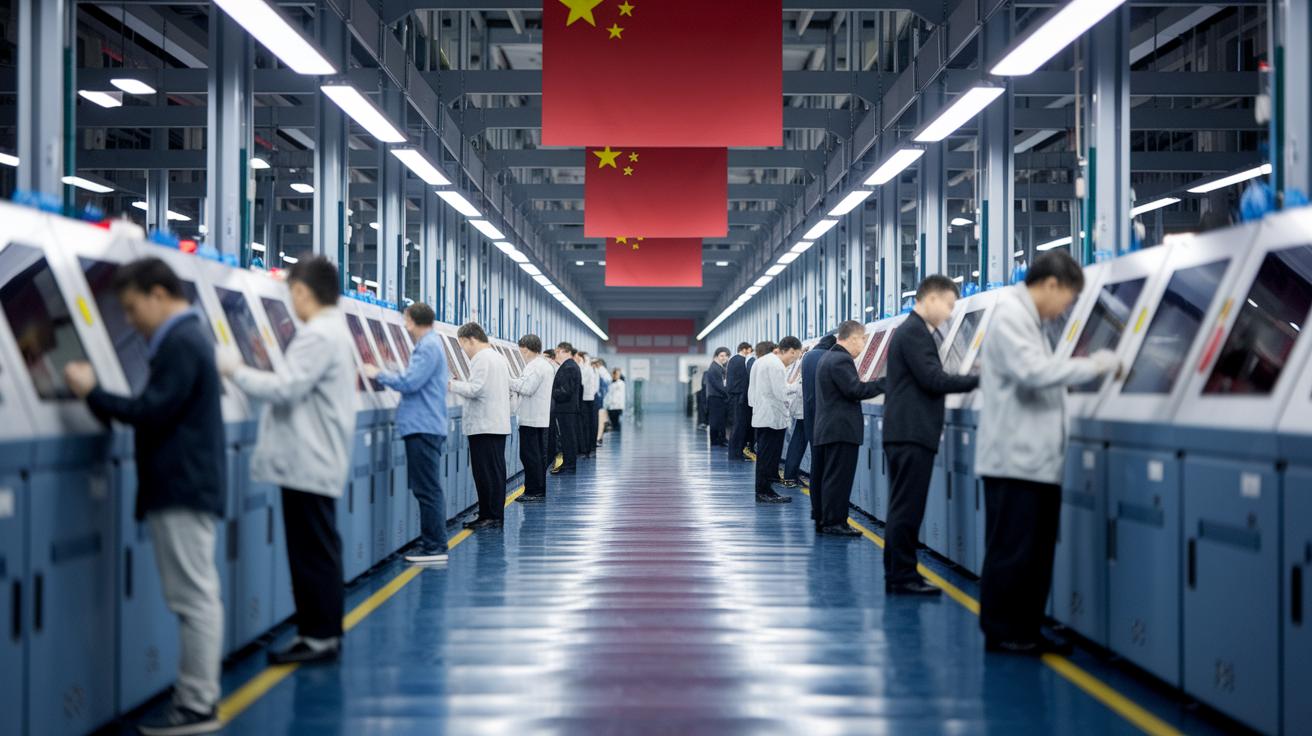
Since the late 1990s, the world has seen a big shift in productivity. Countries and companies now do more with the same or even fewer resources. New tech and smarter work methods are driving output without adding extra labor or capital.
- China's output per worker went from $6,000 in 1997 to $40,000 in 2022.
- Global median productivity increased sixfold over the past 25 years.
- Thirty emerging economies, representing 3.6 billion people, are boosting productivity quickly.
- In Germany, adding 19 firms with performance levels like a top retailer could double the country’s productivity growth.
China’s rapid industrial upgrades and large-scale investments have made workers much more efficient. This global sixfold jump shows that many countries are successfully finding ways to produce more through better methods. Fast improvements in emerging economies highlight the importance of using new tech and smarter practices. In Germany, the chance for top firms to reshape the economy shows that a few strong players can raise overall productivity.
These trends are no accident. They come from chosen actions like tech investments, better management, and innovative work methods. Both businesses and nations can benefit by following these clear patterns. Simple strategic moves can lead to big economic changes that help everyone.
Factors Driving Economic Productivity Growth
Technology keeps work faster and smarter. New advances in artificial intelligence (AI) and information and communication technology (ICT) cut the time spent on many tasks. For example, one factory used AI for quality checks and trimmed production time by 20%. This change saves time and reduces errors while letting workers focus on tasks that need human input. Updating digital tools and automating routine activities leads to clear efficiency gains that boost overall output.
Capital deepening helps make both labor and machines work better. When companies invest in modern machinery or advanced software, they provide workers with improved tools. Investing in education, skills, and health (often called human capital) increases what each worker can produce. For example, if employees receive targeted training in digital skills, they can work more smoothly and solve problems in new ways, driving productivity higher without extra hours.
Smart investments and the right policies are key to sustainable growth. Well-planned policy actions create an environment that supports new ideas and improves workforce skills. Governments and businesses that focus on building smart infrastructure and adopting progressive labor practices set the stage for broad progress. One recent example showed that targeted support for tech start-ups boosted productivity across several industries. Together, strategic investments and supportive policies work to drive real economic improvements.
Economic Productivity’s Impact on Growth, Wages, and Living Standards

When companies use their resources well, they perform better and their workers benefit. Efficient use of resources lets a firm expand, pay higher wages, and invest in new technology. A company that produces more output from each worker can raise wages and reinvest saved funds to improve further. This creates a growth cycle: businesses become more competitive, employees enjoy higher standards of living, and workplaces become more vibrant. Both shareholders and workers gain, and firms can hold their own even when market demands change.
Better productivity also boosts public services and society overall. When firms earn more from working efficiently, governments collect higher taxes to fund roads, schools, and hospitals. For example, cities like Manchester and Birmingham in the UK trail behind London by 31% and 37% in productivity. Closing these gaps could add nearly £20 billion to the annual economy. In addition, higher productivity attracts the investment needed to reach net-zero targets and reduce inequality. This sustainable growth improves quality of life and strengthens public services for generations.
economic productivity meaning: Clear and impactful measure
Measuring economic productivity is tricky. Data can be affected by many factors, even when a business or economy is growing.
One big challenge is sorting real output from data noise. Analysts often struggle to tell if growth comes from true innovation or from data glitches. For example, numbers may show higher output that partly comes from better quality in goods and services. Standard measures may not always capture these quality changes. This makes it hard to know what really drives productivity in both small companies and large economies.
Another challenge comes from market demands and regional differences. High productivity only means something when goods meet market demand. Sometimes, even a big rise in output does not bring prosperity if buyers are not there. Additionally, productivity can vary a lot from one region to another. This uneven performance makes it tough to assess the whole picture and shape effective policy.
Strategies and Best Practices to Enhance Economic Productivity
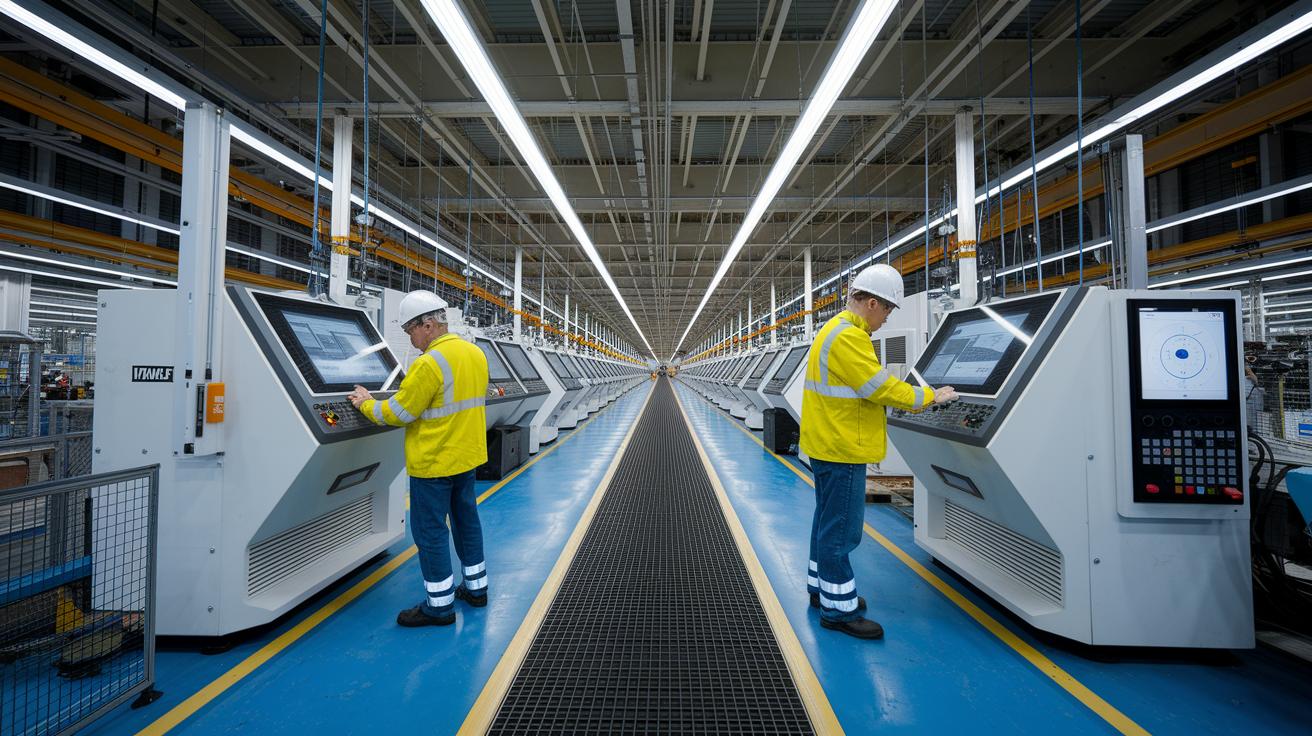
Companies can boost production by giving workers better tools and skills. They often invest in new machinery and offer short, focused training sessions. In one factory, updating equipment and training employees led to a 15% production increase in just three months.
Using modern tech like artificial intelligence and information tools helps speed up work. Automated systems take care of routine tasks and provide live data for faster decisions. For example, a delivery service used smart routing software to give drivers instant route updates, which cut delays and improved reliability.
Top companies keep track of their performance to spot weak spots. They use data to find areas where changes can make work smoother. One retailer discovered delays in its supply chain and adjusted delivery routes and schedules, which led to more efficient operations.
Many firms regularly review their internal processes to cut waste and boost output. By tweaking steps that slow progress, a tech company managed to reduce project times by 20%. These steady improvements can build a strong foundation for lasting growth.
Final Words
In the action of dissecting economic productivity meaning, we broke down the key elements of output versus input and examined labor, capital, and total factor productivity. We reviewed measurement methods, shared real-world trends, and addressed hurdles in capturing data accurately.
We also shared strategic practices to boost productivity while keeping growth, wages, and living standards in focus.
These insights offer fast, reliable guidance to help steer decisions in a dynamic economic landscape.
FAQ
What does economic productivity mean in business?
The economic productivity meaning in business refers to the ratio of outputs produced to the inputs used. It shows how efficiently a business turns resources into goods and services.
What is the definition of productivity and economic production?
The productivity definition means measuring the effectiveness of turning inputs into outputs. It explains economic production by quantifying the goods and services generated from given resources.
How is productivity measured and calculated in economics?
The measurement of productivity in economics uses output-to-input ratios such as GDP per hour or per asset. Calculation methods include ratio analysis and growth accounting to assess efficiency gains.
Can you provide an example of productivity in economics?
A productivity example in economics is examining labor productivity by comparing a firm’s output per hour worked, which helps assess how well resources are used to drive economic performance.
What are the types of productivity in economics?
Types of productivity in economics include labor productivity, which measures output per time worked; capital productivity, which assesses output per physical asset; and total factor productivity, which captures gains from innovation.
What is productivity growth in economics?
Productivity growth in economics signifies the rise in output per unit of input over time. This increase often results from improvements in technology, workforce skills, and better use of resources on a broad scale.
How can productivity be increased in economics?
Increasing productivity in economics involves adopting new technology, enhancing worker training, streamlining processes, and making wise capital investments to produce more outputs with the same or fewer inputs.