
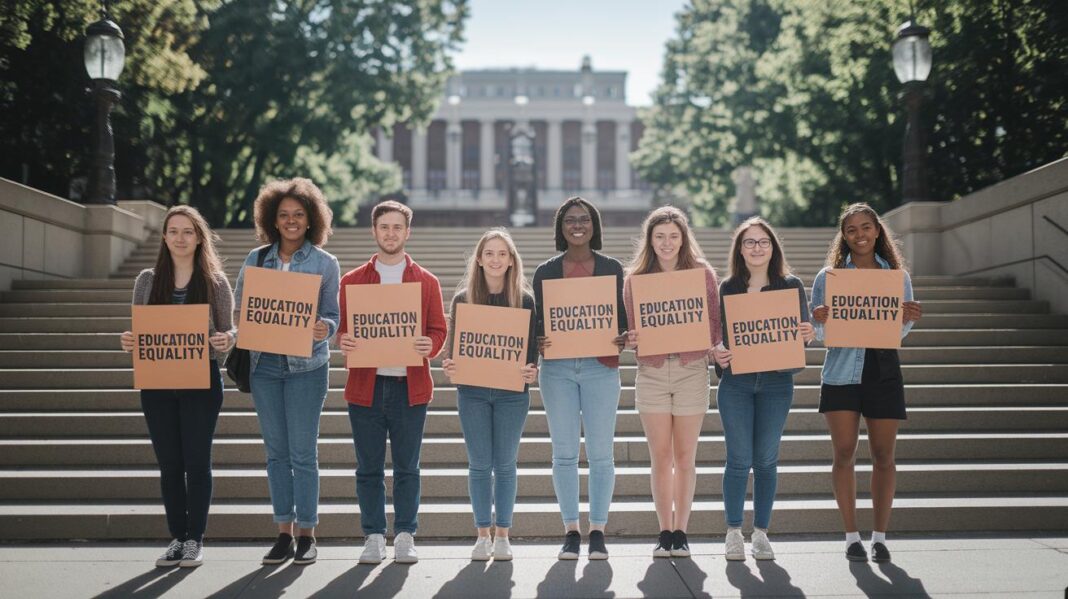
Can education level the playing field? In many classrooms, some students get more support than others. When schools value every student's background, they build fairness into the system. Social justice in education means breaking old power rules and showing that every student has unique talents beyond grades and tests. Rethinking how we teach can tear down barriers and create communities that support equal opportunity for everyone.
How Education Shapes Social Justice
Social justice education works to create fairness, equality, and inclusion in schools. It looks at how classrooms can reflect or challenge old power systems.
Many inequalities start with power imbalances that lead to unfair resource sharing and decision-making. A broken merit system, where only grades and tests matter, can make social divides worse. For example, a bright student from a different cultural background might face extra challenges if the system favors one dominant view. Standard tests may miss the many types of talents students bring to the classroom. Bias based on race, class, and other factors can hurt student success, especially when lessons ignore the rich cultures of some groups. Recognizing how race, class, gender, ability, and sexuality mix is key to fixing these gaps and making school more fair.
Using teaching methods that respect every student's background helps break down these barriers. When teachers include real community stories and honor each student's experiences, they build classrooms that are engaging and fair. This kind of learning space values every voice and lets students redefine what success means for them. Both students and teachers gain new ideas and build strong, supportive learning communities.
Critical Frameworks of Social Justice Education
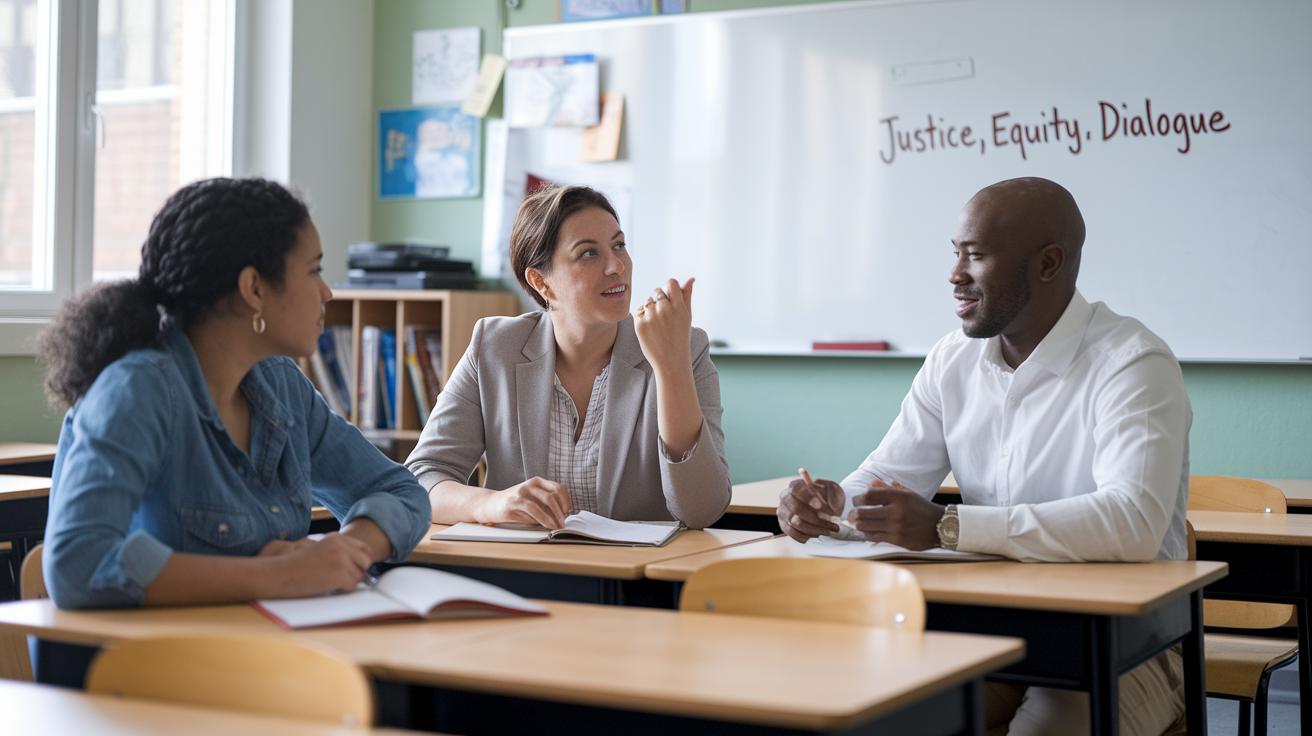
Social justice education comes from past movements like the Civil Rights and feminist movements. It takes cues from thinkers like Paulo Freire and John Dewey, who believed in learning through discussion and practical work. These ideas push back against old ways of knowing and focus on fairness. The goal is to create classrooms where every voice matters and power is shared.
Freire’s Critical Pedagogy
Freire’s method teaches dialogue and action. He encourages teachers and students to work together to look into social issues and fight unfair practices. When learning turns into action (praxis), students gain the power to question injustices and change their communities.
Multicultural Education Framework
This framework values the rich cultural experiences that students bring to class. It challenges one main story by including diverse histories and traditions. When teachers bring in many perspectives, students can connect lessons to their own lives. For example, using local cultural examples can make lessons feel more familiar.
Democratic Learning Practices
These practices hold that everyone should help make decisions in schools. Students, teachers, and community members work together to set goals and solve problems. Sharing responsibility builds trust and prevents one voice from dominating the classroom.
Culturally Relevant Teaching
Culturally relevant teaching links students' personal and cultural identities to the learning process. It views a student’s background as a strength. Teachers design lessons that honor cultural differences, making learning more engaging and meaningful.
Together, these ideas guide policy and curriculum design by challenging old power dynamics. They shape learning environments that are fair and connected to all students’ experiences.
Case Studies Demonstrating Equity in Academic Settings
Case studies show clear proof that well-designed programs can boost academic outcomes and reduce old inequities. They offer simple examples of how to mix teaching that respects different cultures with direct support for unique community needs. Real-world examples let educators and policymakers see that focused, local actions can really help students succeed.
| Case Study | Target Group | Key Outcome |
|---|---|---|
| Te Kotahitanga | Māori students | 3× achievement growth |
| Pasifika Success Plan | Pasifika learners | Improved engagement & scores |
| Refugee Support Prog. | New immigrants | Higher retention & literacy |
These programs prove that fair education is possible when they are built with students’ cultural and language needs in mind. Extra help and family involvement work with clear teaching methods to break down school barriers. The case studies show that when support is both focused and open to everyone, students do better and gaps shrink. Their success offers a clear guide for schools aiming to build fairer, more responsive learning spaces for every student.
Strategies for Inclusive Curriculum and Student Empowerment
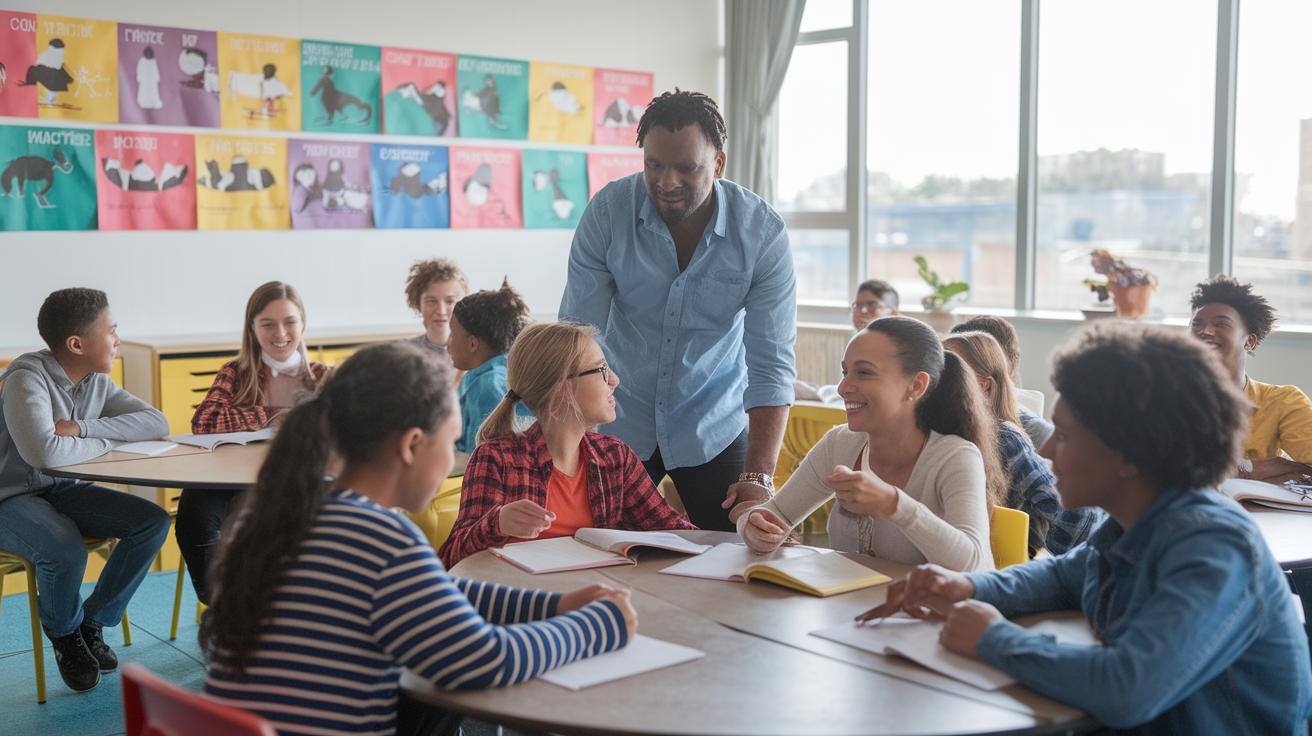
Creating a classroom where every student sees their own culture and experiences in the curriculum is key for social justice. Inclusive curriculum design helps build a learning space that respects all backgrounds and gives every student a chance to succeed. Teachers can use methods that connect to students’ cultures and offer direct support that removes barriers and stops isolation in the classroom.
- Bring students’ language and cultural experiences into lesson plans
- Use backwards design (planning lessons from the desired end results to the beginning) to keep equity in focus
- Keep checking personal biases through self-reflection
- Work with families and community members when making curriculum choices
- Allow students to share in classroom decisions through democratic processes
These methods do more than teach academic skills. They give students real chances to engage and challenge unfair systems. Backwards design makes sure that every part of a lesson or unit focuses on fairness. Tailored instruction can boost confidence and give students the tools they need to overcome challenges. Involving families and communities builds trust and strengthens the link between home and school. When students have a say in their learning, they are encouraged to speak up and advocate for themselves. Regular teacher reflection helps create a school culture where every student feels valued and can help build a fair and lively learning space.
Policy Approaches and Community Engagement in Education Equity
Fair policies and balanced lessons form the base of equal education. Programs like the Māori Education Strategy and the Pasifika Education Plan show a strong will to end old inequalities. These steps set up systems that help students learn and shift old power roles.
Schools that include everyone let students, teachers, and community members shape learning together. Citizenship lessons give students the tools to see and challenge unfair rules. This approach lets students ask questions about school policies and join in changing them. Open talks and respect help schools truly serve everyone.
Local groups also bring lasting change. When students join in policy talks, they build trust between schools, families, and neighborhood organizations. This ongoing work fuels fresh, local reforms.
Final Words
In the action, education shapes social justice by challenging entrenched inequities and rethinking traditional learning frameworks.
We reviewed key ideas such as democratic teaching methods, policy reforms, and effective case studies that empower students and communities.
This blend of classroom strategies and institutional reforms demonstrates how education and social justice together pave the way for more inclusive, fair, and impactful learning experiences. Positive change is on the horizon with thoughtful, actionable steps ahead.
FAQ
What does an education and social justice PDF contain?
An education and social justice PDF typically provides detailed documents on the link between schooling and fairness, featuring research reports, case studies, and tools to support equitable practices in education.
How do education and social justice articles frame the topic?
Education and social justice articles frame the topic by examining fairness and inclusion in schools, highlighting both systemic challenges and efforts to build a more equal learning environment.
What is the relationship between education and social justice?
The relationship between education and social justice is interactive; education can both mirror systemic imbalances and serve as a tool to address them through inclusive practices and democratic curricula.
What are common education and social justice topics?
Common topics include equity in schooling, diversity, inclusive curriculum design, analysis of systemic inequities, and community engagement aimed at creating fair academic opportunities.
How does education and social justice apply in the workplace?
Education and social justice in the workplace involve training programs and policies that foster inclusion and equal opportunity, ensuring that employees grasp and apply fairness principles in their roles.
What are examples of social justice in education?
Examples of social justice in education include culturally responsive teaching practices, programs addressing achievement gaps, and policies that support marginalized communities through targeted resources.
What are examples of social injustice in schools?
Examples of social injustice in schools include unequal resource allocation, achievement gaps among student groups, and policies that limit access to quality education for marginalized communities.
How can schools promote social justice effectively?
Schools can promote social justice effectively by incorporating culturally relevant curricula, implementing fair policies, training teachers on bias, and fostering collaborative decision-making with students and families.
What role does education play in social justice?
Education plays a role in social justice by challenging systemic inequities, nurturing democratic values, and offering fair learning opportunities that empower marginalized groups.
What are the 4 core types of social justice?
The 4 core types of social justice include distributive justice (fair resource allocation), procedural justice (fair processes), recognition justice (respect for diverse identities), and restorative justice (repairing past harms).
How can educators promote social justice?
Educators can promote social justice by using inclusive curricula, engaging in reflective practices, partnering with community groups, and creating classroom environments where every student feels respected.
What do the 4 R’s of social justice refer to?
The 4 R’s of social justice refer to recognition, redistribution, representation, and reform—principles that guide efforts to address inequality and transform systems for fairer outcomes.