

Is Climate Change Harming Our Health?
Why it matters: Rising heat and wild weather can hurt us now and later.
Higher temperatures are leading to stronger storms and more extreme weather. These events can directly cause injuries, and they also make food less nutritious, raising long-term health risks. Research shows that extreme weather has taken over 2,000,000 lives since 1970, with the most harm hitting vulnerable communities. Understanding how heatwaves and changing weather affect our health is key to protecting overall wellbeing.
Overview of Climate Change’s Impact on Human Health
Earth's temperature is rising at a record pace. Scientists link this change to human actions like burning fossil fuels that emit CO2 (carbon dioxide). This warming drives more floods, droughts, wildfires, and severe storms. Between 1970 and 2021, extreme weather events led to over 2,000,000 deaths, with more than 90% of those fatalities occurring in low- and middle-income countries. This shows how vulnerable communities bear the heaviest burden.
Global warming brings both direct and indirect risks. Heatwaves pose immediate dangers, while changes in rainfall and rising sea levels hurt crop production and lower food quality. New weather patterns also reduce crop yields and affect livestock, which in turn leads to food shortages and poorer nutrition. A report from April 3, 2023, highlighted these risks to human health.
Rising temperatures and shifting rainfall disrupt ecosystems and water supplies, stressing agriculture and food storage systems. These changes link immediate injuries from extreme weather to longer-term nutritional issues in communities.
"Earth's temperature is rising faster than ever in the last 10,000 years. This shift is changing ecosystems and human health in profound ways," a fact that underscores the urgency of addressing climate change.
Heat-Related Health Challenges in a Warming World
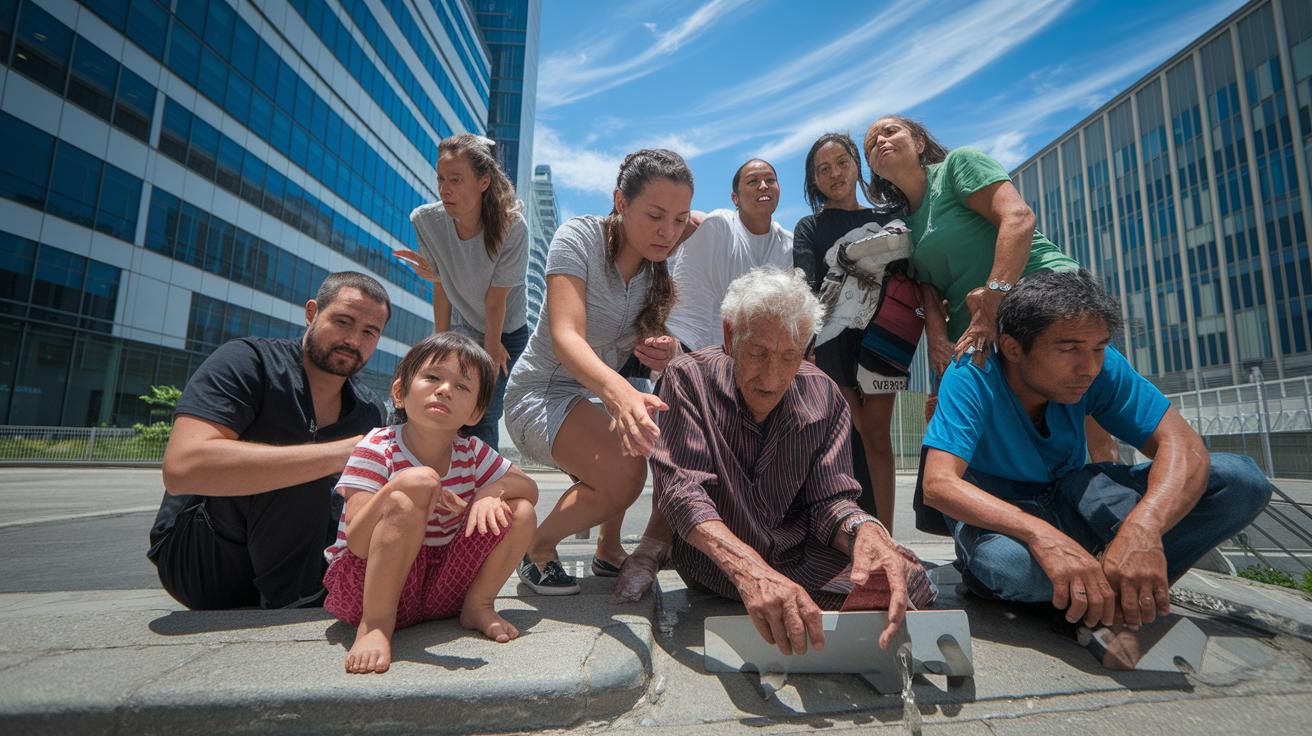
Rising temperatures create more frequent and severe heat waves. These hot spells can lead to more asthma attacks, heart attacks, and heatstroke. The body finds it hard to cool down, especially for those who already have health issues. Hospitals are seeing more people suffer from heat stress. Longer periods of high heat can make chronic conditions worse, particularly when humidity is high.
Certain groups are more at risk during hot weather. Long exposure to heat can cause immediate and lasting health problems. Medical experts stress the need for early care and preventive steps to protect those most vulnerable.
- Infants and young children
- Older adults over age 65
- Pregnant individuals
- Outdoor laborers and athletes
Respiratory and Air Quality Impacts from Climate Change
Hotter temperatures and shifting weather are making the air dirtier in many areas. Warmer days boost the formation of ground-level ozone and raise the amount of particles in the air. These pollutants can worsen conditions like asthma and chronic obstructive pulmonary disease (COPD).
People who breathe polluted air also face higher risks for lung cancer, stroke, and diabetes. They may also suffer from problems like dementia, early births, and developmental issues in children. Cities and industrial zones often have heavier smog, which puts vulnerable people in danger. Many patients with lung issues say their symptoms flare up during long heat waves, leading to more doctor visits.
Higher levels of carbon dioxide make plants produce more pollen, stretching out allergy seasons. This extra pollen can worsen seasonal allergies and trigger breathing problems for sensitive individuals. As these climate changes continue, more communities are seeing a rise in smog-related breathing illnesses. Health professionals stress the need for quick adaptation and public health measures to ease the pressure on medical systems as air quality keeps falling with a warming climate.
Spread of Infectious Diseases and Vector-Borne Illnesses
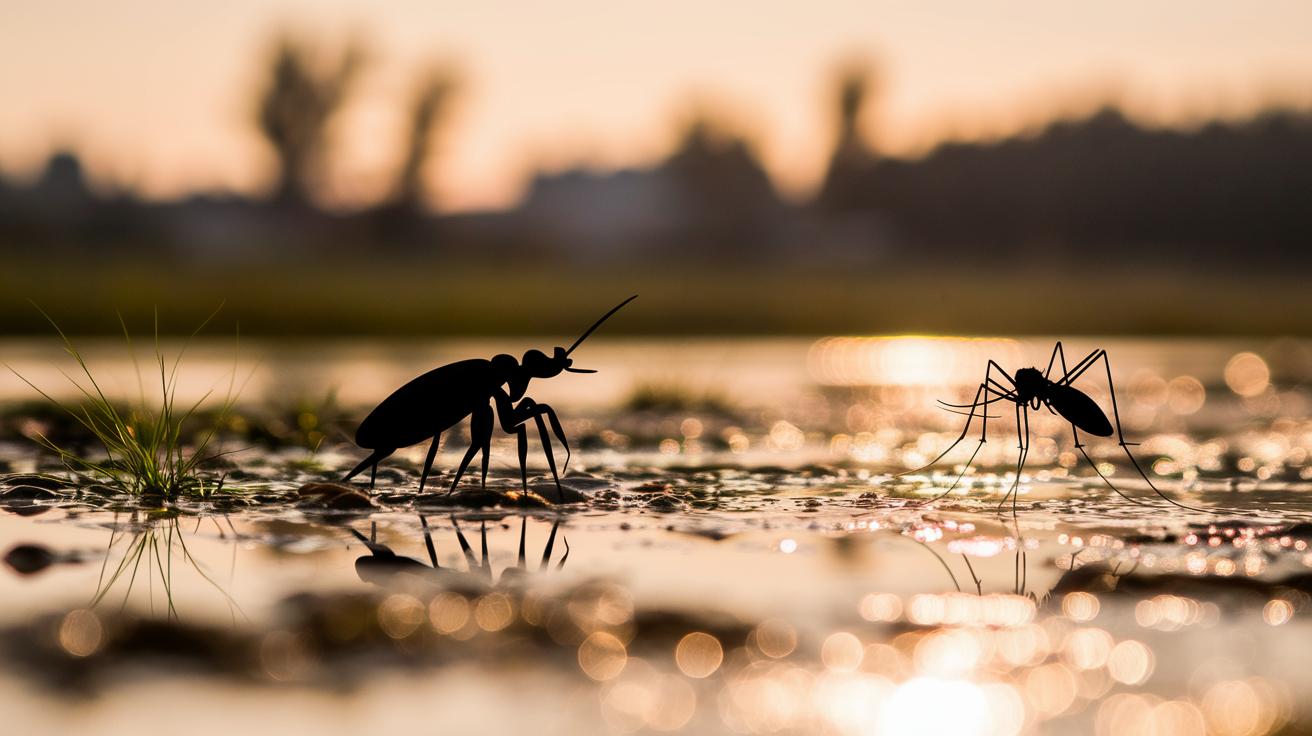
Rising temperatures change where ticks and mosquitoes live. Warmer weather lengthens their active seasons, giving them more time to spread illnesses, including Lyme disease, Rocky Mountain spotted fever, West Nile virus, and Zika virus. In many areas that once had short seasons, people now face longer periods of risk. For example, researchers in the Northeast say ticks appear earlier in the spring because warmer nights help them survive longer.
Flooding adds another risk to public health. Heavy rains linked to climate change can lead to outbreaks of waterborne infections. In regions struck by severe floods, contaminated water boosts cases of bacterial infections like those caused by E. coli. Health officials warn that frequent floods weaken water quality and make it easier for harmful bacteria to spread among vulnerable communities.
Mental Health Effects of Climate-Induced Events
Severe weather takes a toll on our minds. People who survive disasters often face post-traumatic stress and ongoing anxiety long after the event. In areas with wildfires, many stay alert and worry about another disaster happening. Sleep issues, mood shifts, and trouble sticking to daily routines are common. Research shows that big environmental changes hurt both our bodies and our relationships.
Periods of intense heat add to the strain. During heat waves, people may become more aggressive and stressed, leading to conflicts. This mood shift makes communities turn to mental health support. Local health services and officials are stepping in with quick help and plans to ease the lasting mental effects of extreme weather.
Food Security, Nutrition, and Waterborne Diseases Linked to Climate Change
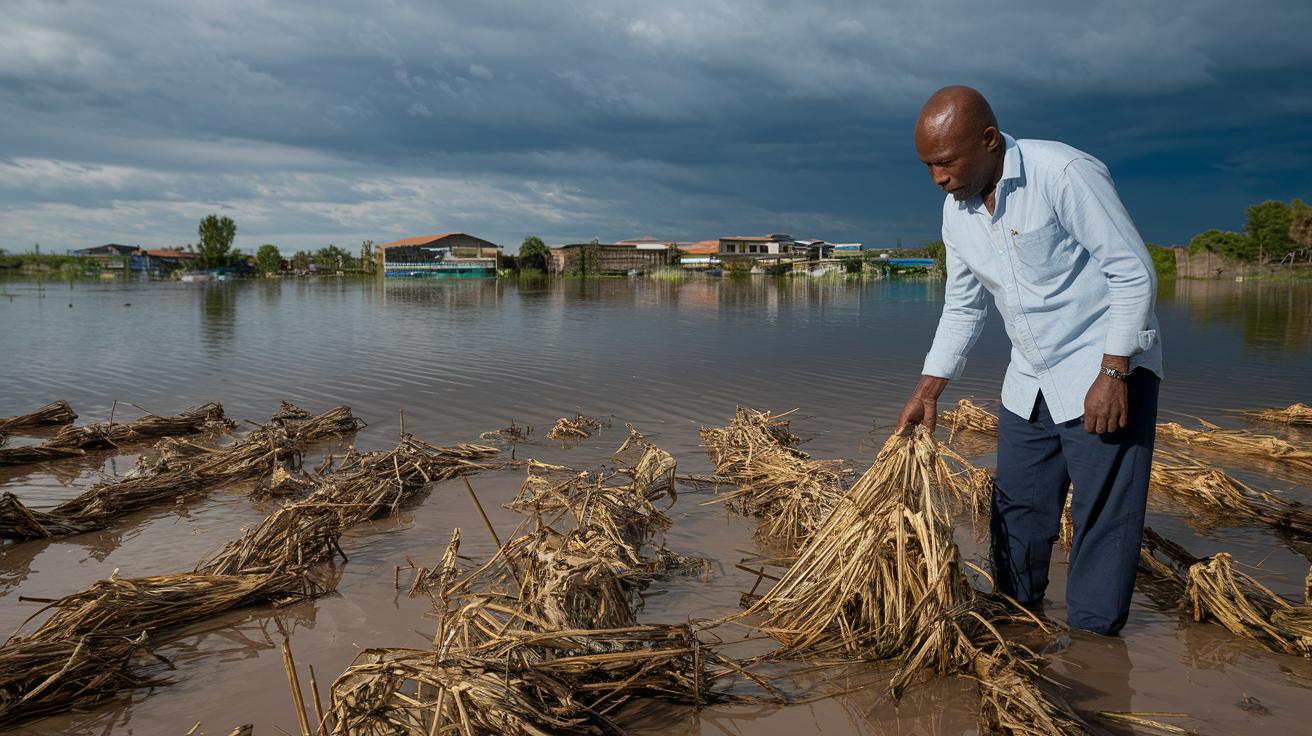
Changing weather strains food systems and water supplies, which harms public health. Rising temperatures, unpredictable rainfall, and extreme weather cut crop yields and damage livestock. This leads to fewer nutritious resources in many areas. Almost 30% of people live in dry regions, where shifting climate worsens food shortages. Heavy rains and floods can overwhelm water treatment plants. This pollution of drinking water often sparks outbreaks of bacterial illnesses such as cholera and E. coli infections. In these places, food and water issues mix, deepening nutritional deficits and raising disease risks. Communities with few resources suffer even more as malnutrition makes it harder for them to fight infections. The strain on food production and water quality creates a cycle that harms overall health. This situation calls for better farming methods and stronger water systems. Solving these connected problems needs local groups and global partners to work together to update agriculture practices and protect water supplies during extreme weather.
| Impact | Description | Affected Regions |
|---|---|---|
| Lower Crop Output | Severe weather and shifting rain reduce food production | Dry regions dependent on farming |
| Livestock Losses | Rising temperatures harm animal health and reduce output | Areas that rely on animal farming |
| Waterborne Diseases | Floods pollute water supplies, increasing illness outbreaks | Low-income and dry regions with weak infrastructure |
Mitigation and Adaptation Strategies for Health Systems
Health systems and communities are taking clear steps to handle climate change risks. Many clinics now set up emergency plans and keep ready "go bags" for fast action during a crisis. People also check air quality and pollen levels using smartphone apps. This helps them change their routines to reduce risks from the environment. On a personal side, using renewable power, riding electric transport, eating more plant-based foods, and choosing to walk or bike can cut emissions and boost health. At a broader level, programs like Solar for Health give steady solar power to clinics and hospitals in Zimbabwe, Zambia, and Malawi. These moves help build stronger systems that protect our health now and in the future.
| Strategy | Implementation | Benefit |
|---|---|---|
| Emergency Preparedness | Plan and practice clear crisis steps with ready “go bags” | Faster care and lower health risks during emergencies |
| Environmental Monitoring | Use apps for daily updates on air quality and pollen levels | Better daily choices and less pollutant exposure |
| Renewable Energy Adoption | Invest in solar projects, electric vehicles, and plant-based options | Stronger health systems and fewer greenhouse gas emissions |
Public Health Policies and Global Initiatives to Protect Well-Being
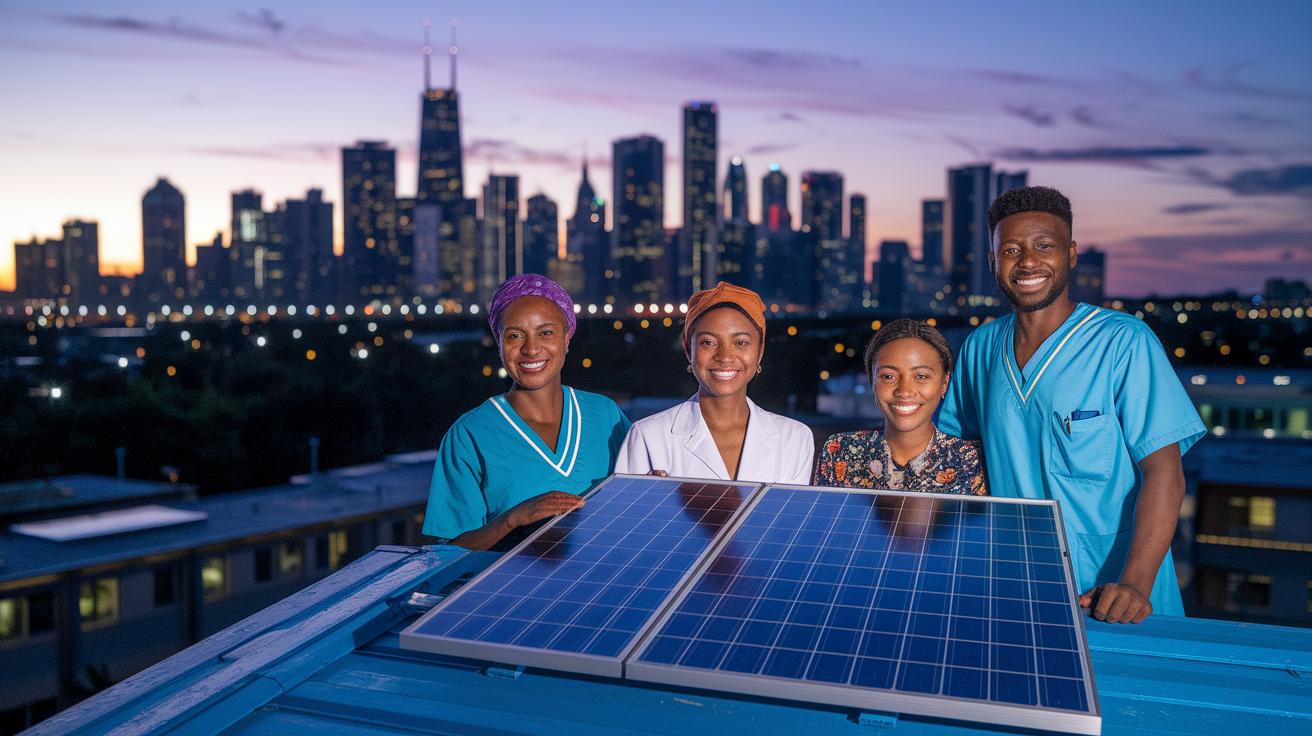
World health agencies and governments are linking climate action with public health. The World Health Organization advises nations to add health factors to their climate plans. New rules push for less fossil fuel use, fewer cuts to forests, and more eco-friendly practices to reduce weather-related health risks. Between 1970 and 2021, over 2,000,000 people died from extreme weather, mostly in lower-income areas. This harsh record has led policymakers to rethink urban planning, energy production, and land use for safer communities.
Global projects are also boosting health services in vulnerable areas. Programs like Solar for Health give rural clinics clean, steady power, helping them run during extreme events. These efforts keep essential services open when they are needed most. Officials are now working on adaptive systems that tackle climate challenges while protecting public health. They continue to seek strong measures that support both a healthy environment and healthy people.
Final Words
In the action, we saw rising temperatures, extreme weather, and shifting ecosystems challenge human well-being. The blog showcased heat issues, respiratory ailments, infectious disease expansion, mental strain, food shortages, and waterborne illnesses. It also highlighted strategies from personal actions to global public health policies. All these aspects tie back to the health impacts of climate change. The discussion offers clear insight and practical steps that can help shape better futures, keeping our communities safe and informed amidst changing conditions.
FAQ
What is the impact of climate change on human health?
The impact of climate change on human health encompasses increased heat-related illnesses, worsened air quality leading to respiratory issues, the spread of infectious diseases, and growing mental strain. Research and CDC data support these findings.
What are the 10 effects of climate change on humans?
The 10 effects of climate change on humans cover rising temperatures, frequent extreme weather, deteriorated air quality, spread of diseases, shifts in food and water security, mental health stress, and other risks that challenge overall wellbeing.
What are the six health effects of climate change?
The six health effects of climate change include heat stress, respiratory problems from polluted air, extended allergy seasons, increased exposure to vector-borne illnesses, mental health issues from disasters, and nutritional deficiencies due to food insecurity.
How can climate change affect your health?
Climate change can affect your health by increasing heat waves, worsening air pollution, expanding habitats for disease carriers, and triggering stress-related conditions. These factors collectively heighten risks for various physical and mental health issues.
What diseases are caused by climate change?
Diseases caused by climate change include vector-borne illnesses like Lyme and West Nile virus, waterborne infections such as cholera, and respiratory ailments worsened by poor air quality and higher allergen levels.