Have you ever wondered why countries sometimes risk everything to change global power? Foreign policy is more than just a set of rules. It mixes history and smart plans to protect national interests. From old alliances to new treaties at the United Nations (an international group), every choice shows lessons from the past and ideas for the future. Governments use both diplomacy and military strength, so it helps to see how history guides today’s moves. This post looks at how old strategies still shape our world today.
Understanding Foreign Policy: Definition, Scope, and Purpose
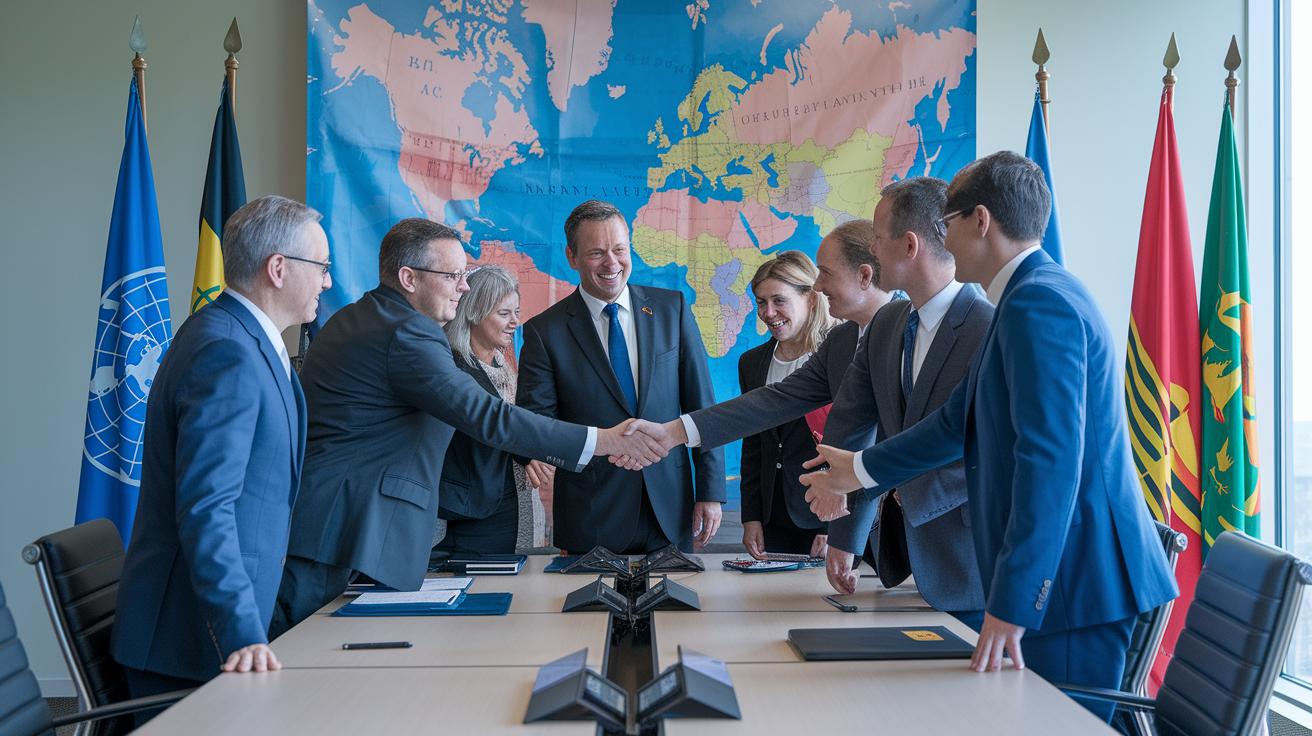
Foreign policy is how countries protect their safety, economy, and core values using tools like diplomacy, trade measures, and military power. Sometimes, nations find that talking and negotiating can bring long-lasting peace when conflict seems sure.
At its heart, foreign policy defends national interests while promoting growth and shared principles. It sets clear rules on issues like global climate efforts and economic stability. Countries may use simple treaties with one other nation or take part in larger meetings at groups such as the United Nations. Each choice can affect decisions across borders.
In short, foreign policy is a guide for reaching a nation’s strategic goals. Governments use strong tools like military alliances and economic penalties along with softer methods like public outreach. By mixing these methods, they protect their security and help build cooperation across the globe. Every move fits into a broader plan to navigate a world of constant legal, economic, and political change.
Historical Evolution of Foreign Policy: From Concert of Europe to the Multipolar 21st Century
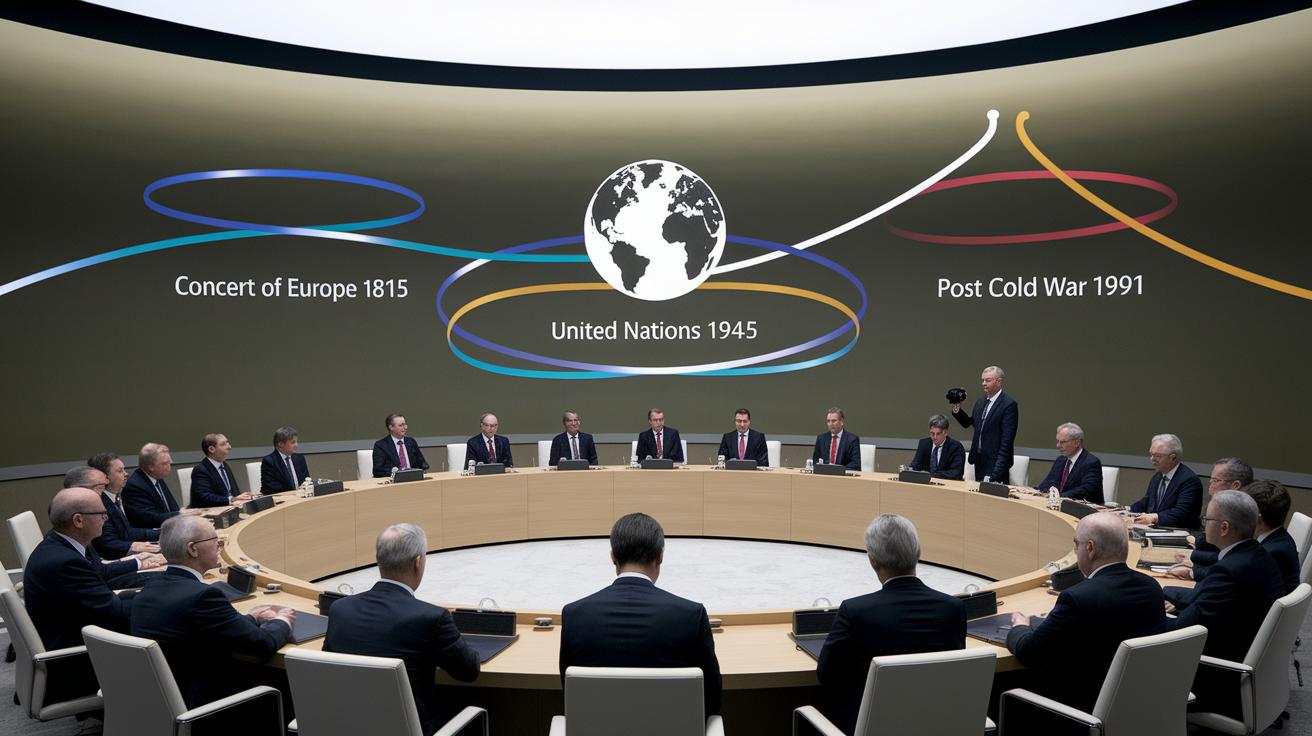
Foreign policy has changed a lot over time. In 1815, the Concert of Europe brought together a few major countries to settle disputes and keep the peace. Leaders worked together to counter problems from revolutionary changes.
After 1945, the United Nations reshaped how countries work together. Nations agreed on shared security and new ways to handle economic and political issues. During the Cold War, the world split into two clear groups led by superpowers, which set up a system of rivalry and clear divisions.
Following the end of the Cold War in 1991, the United States became the dominant power. Over time, however, power has shifted as more nations, especially China, start to challenge old ideas. Recent trends include changes in aid, trade disputes over key resources, and a growing competition in new tech fields like artificial intelligence.
These shifts show that foreign policy is always evolving. As economic, security, and tech issues change, countries must adapt to new challenges and opportunities around the globe.
Strategic Instruments in Foreign Policy Formulation
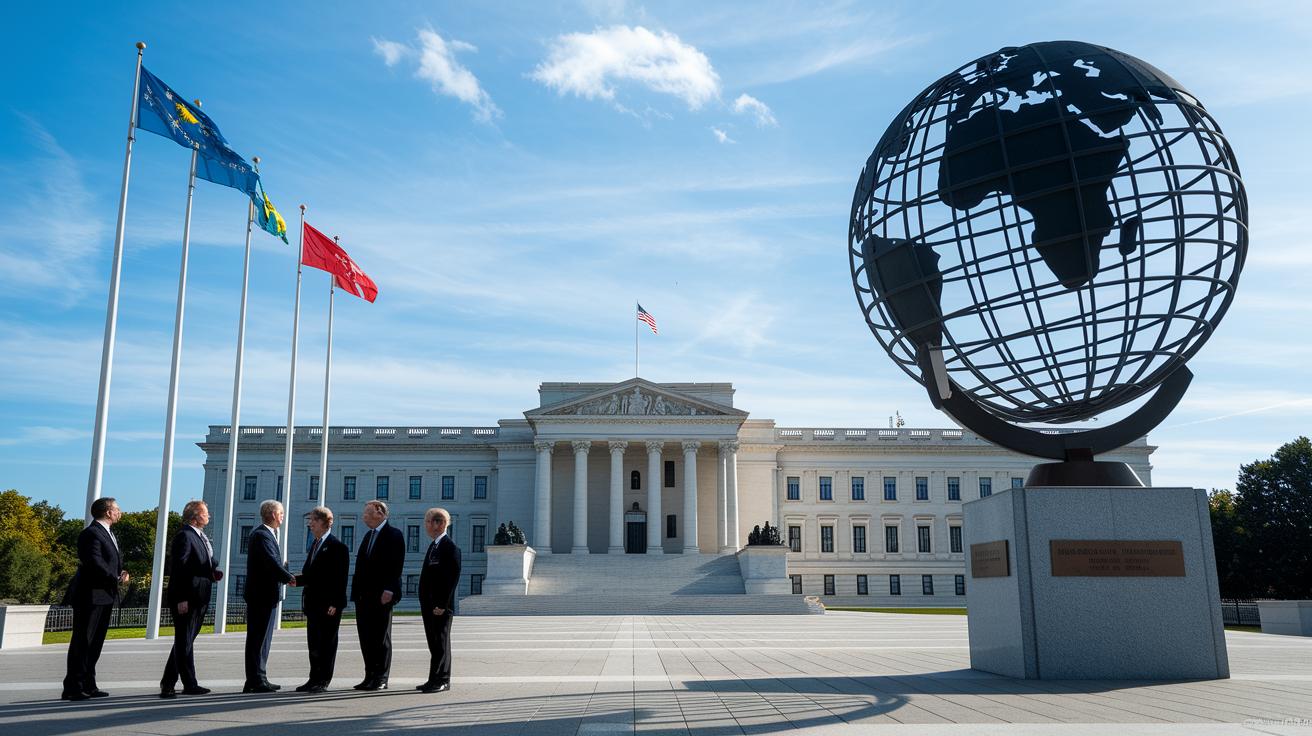
Governments shape foreign policy by mixing strong actions with clear messaging. They use hard tools like treaties and economic measures along with softer methods such as public talks to balance security with worldwide cooperation. For example, a government might use sanctions (penalties on trade or finance) while also hosting a public diplomacy event to ease tensions and set trade rules.
Different agencies work closely on these plans. Groups like the national security council and the ministry of foreign affairs coordinate efforts. Lawmakers review these actions to ensure they match the country's overall goals. Governments use routine communication and quick-response tactics to handle new global challenges.
These strategic tools not only show a nation's intent but also influence how other countries act. Through one-on-one talks, treaties, and clear public messages, countries shape outcomes beyond their borders. Some steps are direct and immediate, while others build long-term relationships that make global interactions smoother.
Key strategic instruments include:
- Bilateral Treaties
- Multilateral Agreements (such as those from the UN or WTO)
- Economic Sanctions
- Military Alliances (such as NATO or regional groups)
- Development and Humanitarian Aid
- Public Diplomacy Campaigns
- Intelligence-led Policy Planning
Each instrument works together in a balanced mix that adapts to a changing world and helps manage national interests on many fronts.
Actors Shaping Foreign Policy: States, Organizations, and Non-State Entities
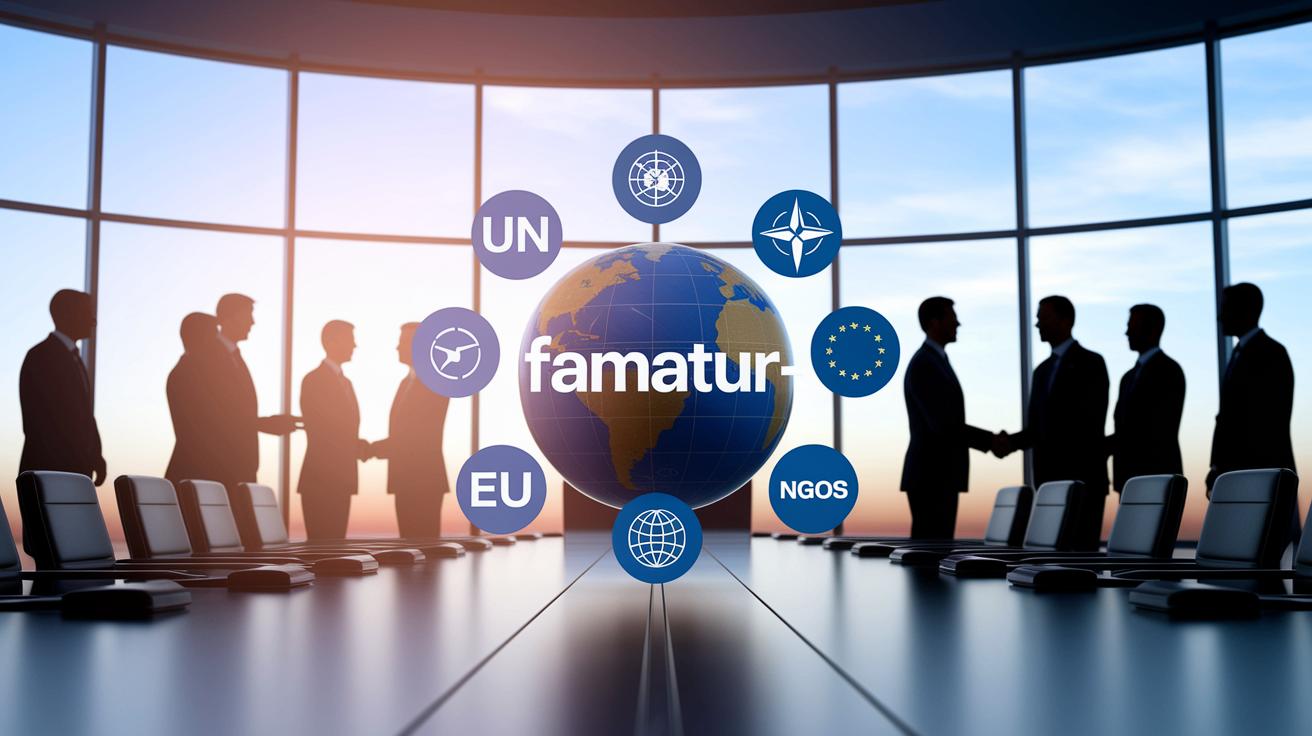
Countries stand at the heart of foreign policy. They use their power to set rules and act in their own interest. Leaders mix force with persuasion to make decisions. They rely on treaties and long-standing rules (customary international law) to guide their actions. Groups like the United Nations, NATO, and the European Union help set global agendas. They bring nations together to work on issues such as security and trade.
Non-government groups also play a key role. NGOs offer ideas on human rights and development and often work with governments on local and global problems. Big companies, known as multinational corporations, can influence policy through trade and investment. Their actions may change how countries negotiate agreements.
Statecraft depends on clear legal and diplomatic frameworks. Meetings and one-on-one talks help create new policies. Countries reach agreements based on law and old customs. When nations form alliances, they decide how much each side must give and take. This balance helps keep the world stable and supports common goals.
Together, these players build a network where power, law, and shared values meet. This network guides how nations work together to tackle common challenges and find common ground.
Foreign Policy’s Impact on Global Security and International Relations
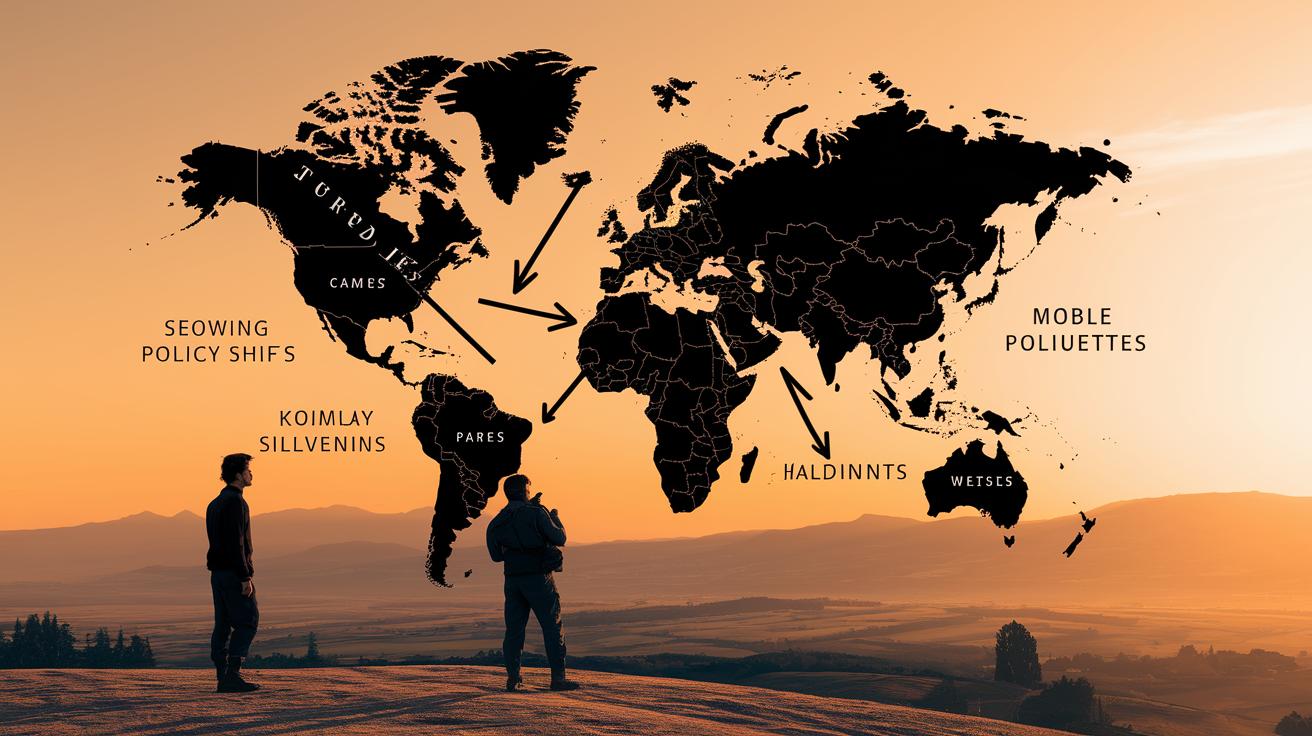
Foreign policy decisions shape global security. One country's choices can impact many others. For example, when the United States boosts its military spending, it not only sets defense plans in motion but also affects issues like climate commitments. As countries change their spending and focus, the rules for global energy and the environment change too.
Regional security also reflects these choices. In the Middle East, new alliances and proxy conflicts follow shifts in foreign policy. You see this in measures like crisis talks and joint military drills. These steps are meant to stop aggression and keep peace during risky times.
Global security relies on nations working together. For instance, the European Union approved a $105 billion loan for Ukraine. This cash support helps both security and economic stability. Nations also build alliances through joint planning and regular meetings to keep conflicts from growing.
Governments use diplomatic talks and economic deals to lower tensions and encourage peace. All these efforts shape the way countries relate and decide if the world works together or falls into conflict. Ongoing risk management, like alliance shifts and joint drills, is key to keeping an even international order.
Foreign Policy in Action: Case Studies of Key Diplomatic Engagements
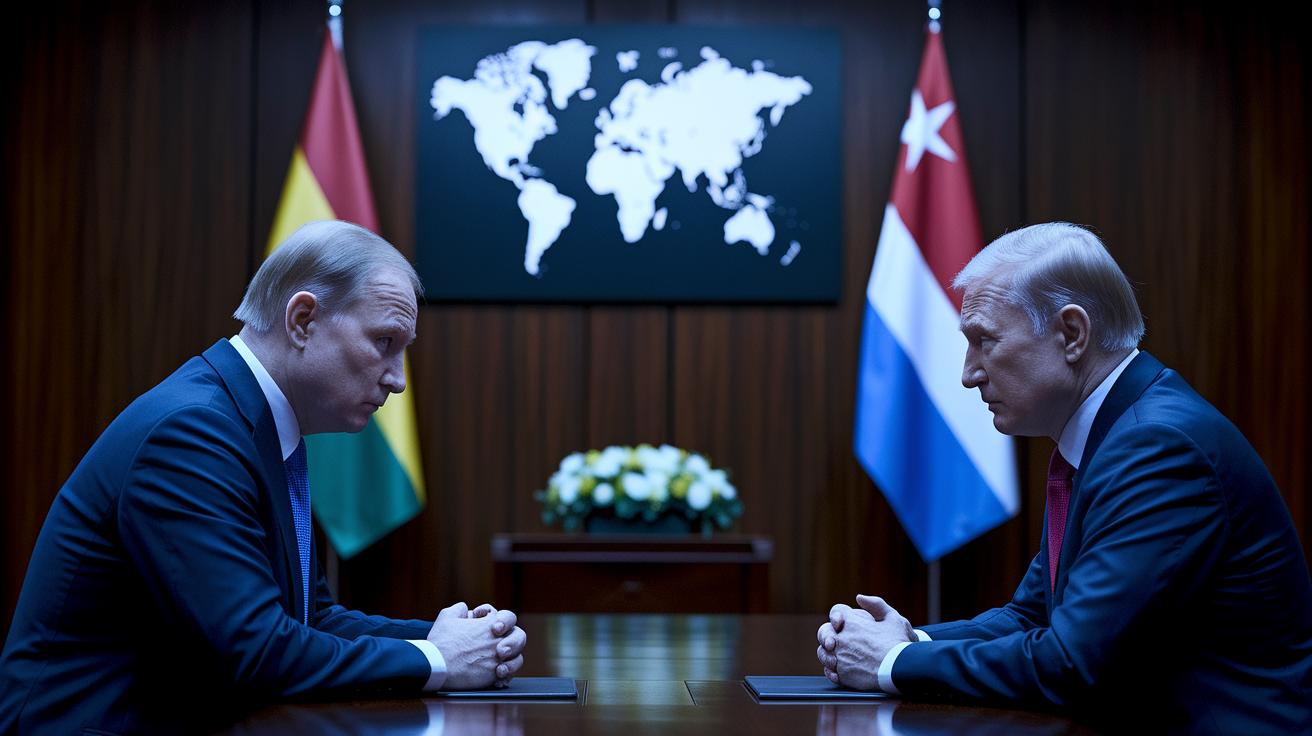
These studies show how countries use smart diplomacy to protect their interests. Key decisions in high-stakes meetings can change economies, security rules, and regional stability. For example, at a meeting in Miami on Dec. 21, 2025, the Kremlin warned that new changes to the U.S. Ukraine peace plan might extend the conflict. This example shows how one policy shift can spark heated debates among world leaders.
Another important case is the European Union approving a $105 billion loan to Ukraine. The EU wants to strengthen Ukraine’s economy during tough times. Many experts worry about the long-term risks of such large financial moves. In a similar way, the U.S. faces debate over moving funds from climate programs to defense spending, highlighting a clash between future promises and current needs.
These examples reveal how leaders weigh risks while balancing many agendas. They must think about how their decisions affect relationships with other countries and their reputation on the world stage. Even small choices in diplomatic talks can lead to big changes as alliances adjust to new challenges.
| Case Study | Actors | Key Issue | Outcome |
|---|---|---|---|
| Kremlin–EU–U.S. Ukraine talks | Kremlin, European leaders, U.S. officials | Changes to the peace plan | Increased diplomatic tension |
| EU’s $105 billion loan to Ukraine | EU bodies, Ukraine, international banks | Support for economic stability | More financial backing despite risks |
| U.S. climate vs. defense spending | U.S. government, critics, international observers | Shifting funds from climate to defense | Ongoing debates on budget priorities |
Each of these cases shows that small diplomatic moves can lead to major changes in global affairs.
Foreign Policy: Embracing History and Strategy
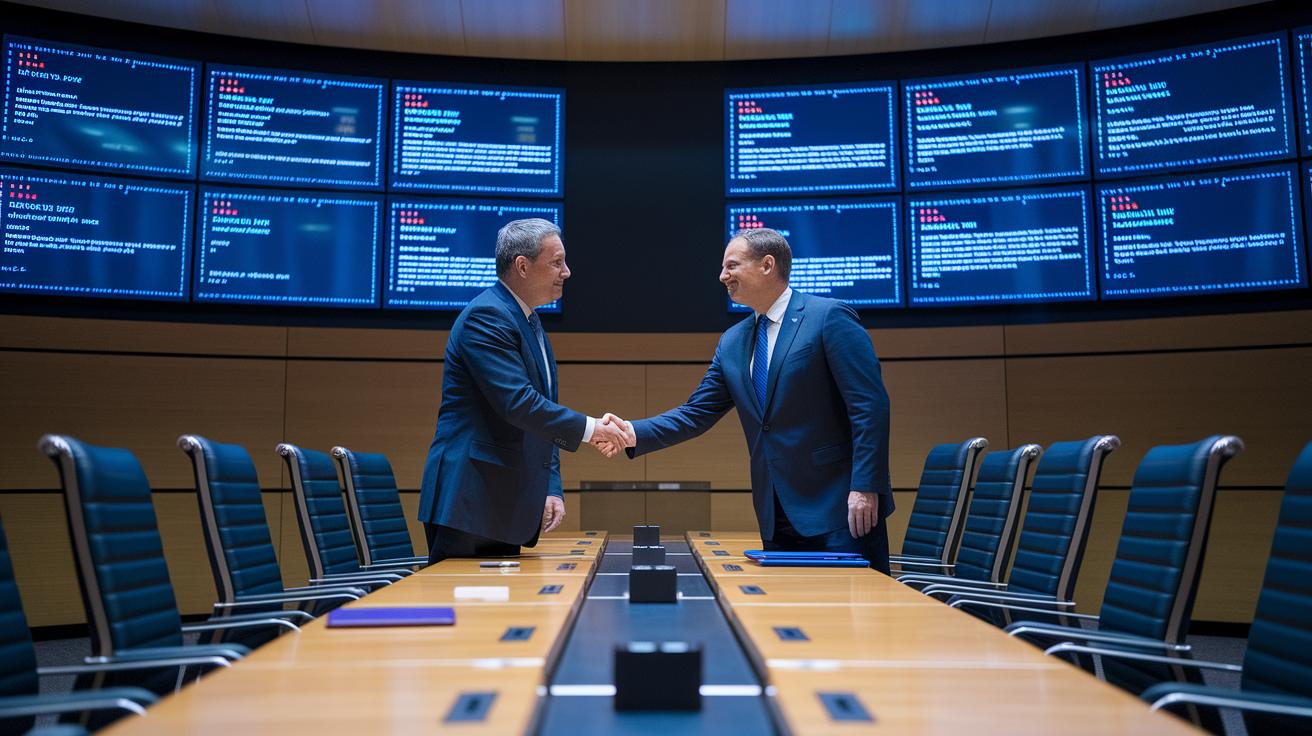
Digital diplomacy is now key to how countries interact. AI-powered negotiation tools are changing how nations make deals. These tools run fast data checks during talks, much like smart devices help us choose routes.
China recently released an arms control white paper. This move has shaken up the global arms race and pushed countries to rethink old security plans.
Countries are shifting from one-on-one climate talks to big-group chats. They now favor coalitions that deal with issues like labor standards and supply-chain ethics. This change shows a push for teamwork to protect common interests.
Experts and scholars want deep reforms to fix long-standing problems. For example, dangerous work conditions in Indonesia’s nickel industry remind us that economic change must cover social and environmental care. Many nations are now building systems to spot crises before they hit.
Nations are also having broader discussions that cross borders. Governments now link economic plans with security measures to meet a connected world's needs. This forward look helps them craft policies that keep pace with rapid change.
Many experts say that blending digital tools with group efforts and sharp planning will shape the next phase of global relations. They believe this mix can turn tough challenges into chances that benefit many nations.
Final Words
In the action, the article traced how foreign policy shapes national security, economic interests, and global values. It covered key themes such as historical shifts, strategic instruments, influential actors, and real-world case studies. The review showed that careful diplomatic moves, economic sanctions, and multilateral agreements are at play. It also detailed emerging trends powered by digital advances and AI tools. The analysis keeps you informed about international dynamics and offers clear insight into navigating shifting global challenges. Stay ready and optimistic as global affairs continue to evolve.
FAQ
What is the definition of foreign policy?
The definition of foreign policy is how a state protects its security, economic interests, and values using diplomatic, economic, and military tools.
What is an example of foreign policy?
The example of foreign policy is when a nation uses treaties, sanctions, or diplomatic negotiations to shape international relations and promote national interests.
What are the common types of foreign policy?
The common types of foreign policy include bilateral, multilateral, and unilateral approaches, with some frameworks also recognizing isolationist actions as part of a nation’s strategy.
What does Foreign Policy magazine refer to?
Foreign Policy magazine refers to a publication that covers global diplomacy, economic trends, and security issues through analysis and commentary on international affairs.
What is a Foreign Policy PDF?
A Foreign Policy PDF is a downloadable file containing reports or articles that discuss diplomatic actions, economic policies, or global trends in international relations.
What does the NYT foreign policy group cover?
The NYT foreign policy group covers analysis, news, and opinions on international diplomacy, global security, and economic issues as reported by the New York Times.
What is a Foreign Policy book?
A Foreign Policy book is a text that explores diplomatic history, strategic decision-making, and case studies on how nations manage security, prosperity, and value-based interests.
What is Foreign Policy Design?
Foreign Policy Design is the framework that nations use to craft strategies combining diplomacy, economic measures, and military tools to meet their international objectives.
What does current foreign policy mean?
Current foreign policy means the active diplomatic, economic, and defense strategies a nation uses to address global challenges and protect its interests.