
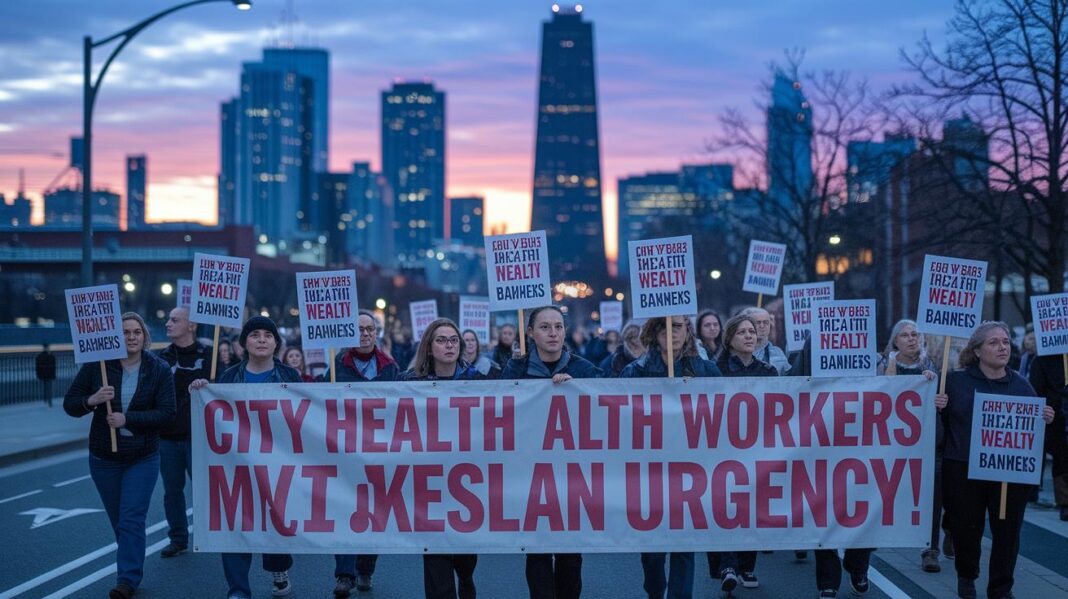
Are our communities ready for health threats? A sudden outbreak or a human error can change life in an instant. We see this during floods, wildfires, and factory errors when leaders must act fast. Small problems can overwhelm local services, and communities feel the strain. Still, these challenges have led officials to work hard to protect public health. By looking at what causes these events, we learn that fast, clear action can save lives even in the hardest times.
Understanding Public Health Crises: Definitions and Scope

Public health crises are events that risk the health and safety of many people. These emergencies can come from nature, like hurricanes and wildfires, or from human actions, such as industrial accidents or neglect. Fast-spreading illnesses (when many people get sick quickly) and man-made disasters also count. In these moments, officials use emergency plans to organize help, provide medical care, and support communities.
For example, when a sudden disease outbreak happens, health officials must quickly decide if it qualifies as an epidemic (a fast-spreading illness) to start emergency measures. Such swift decisions can shape how the community responds.
Good crisis management needs clear definitions. Authorities look at each event closely to decide its severity and then act in a structured way. A clear crisis plan helps them mobilize resources and reduce harm. Setting clear definitions leads to fast action and effective planning.
Main Catalysts of Public Health Crises
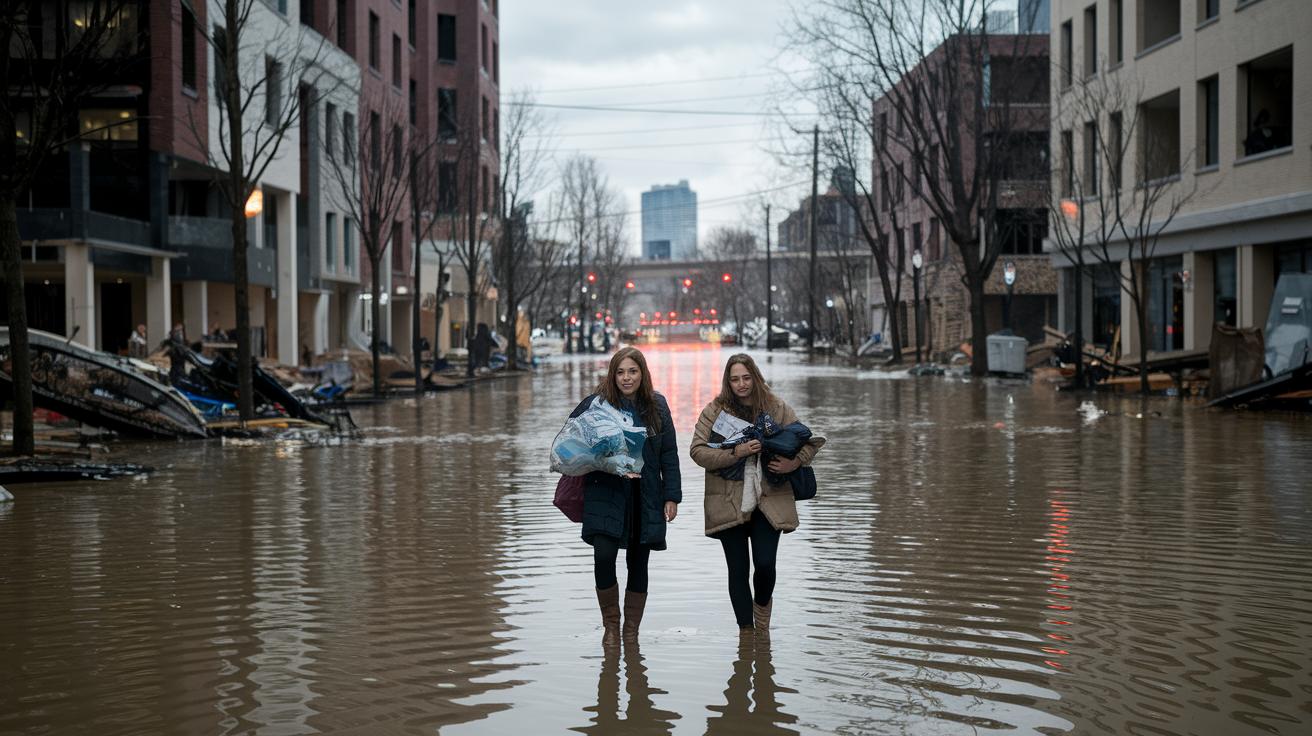
Sometimes small events grow into major health problems when basic issues are ignored. Gaps in money and housing often spark these challenges. Without steady income or safe homes, communities find it hard to get essential health care. For example, when a city with weak public services faces a natural disaster, the damage hits those in poor conditions the hardest.
Weather risks like floods and wildfires add extra stress to already troubled areas. Weak infrastructure may not protect people or offer fast help, turning simple issues into dangerous events. Factory accidents and quickly spreading diseases also put a strain on community resources, revealing risks that were once overlooked.
Racial unfairness makes these problems even tougher. When certain groups get fewer resources or face bias in response efforts, the impact is harsher. Poverty intensifies these issues because limited care and services slow recovery. Even routine emergencies can swiftly turn into crises without strong community support.
In short, a mix of economic hurdles, environmental risks, and social inequities can transform everyday issues into full-blown public health crises.
Impact of Public Health Crises on Health Systems and Communities

Public health crises quickly overload hospitals by causing sudden spikes in patient care needs. Hospitals hit their limits fast as emergencies force staff to change how they work. Facilities that usually run on a tight schedule suddenly face a rush of patients, which leads to longer wait times and not enough resources. For example, if emergency admissions jump by 25% overnight, every bed and staff member becomes essential.
Cities feel the strain even more as overcrowding pushes emergency departments to their breaking point, leaving little room for routine care. In contrast, rural areas face tough challenges with fewer health professionals, limited special care services, and longer trips to the nearest hospital.
These crises also make health differences worse. Groups with fewer resources see higher infection rates and slower recoveries because of uneven support and weak infrastructure. Mental health help becomes critical as stress and anxiety rise. Global plans to manage outbreaks must include steps to connect urban and rural areas and ensure fair access to healthcare.
- Hospitals need rapid staff reinforcements
- Mental health services need more funding
- Community strategies must ensure fairness before, during, and after crises
Frameworks and Protocols for Public Health Crisis Response
The CDC supports state, local, and territorial agencies through Public Health Emergency Preparedness agreements. These funds help build detailed management plans to guide action during health crises. For example, one agency quickly moved supplies when an outbreak hit. In a crisis, prepared teams made sure every resource went exactly where it was needed.
Government leaders, public health experts, healthcare workers, first responders, and rapid response teams work together closely. Each group has clear roles, which helps the plan work like a well-practiced relay race. This teamwork lets everyone follow updated guidelines without delay.
The protocols also cover key areas like resource sharing and surge capacity, so hospitals and clinics can handle a sudden rise in patients. Quarantine methods also play a critical role by stopping the spread of diseases early. One local health department put its quarantine measures in place within hours, which sharply cut down new exposures. These steps are reviewed often to match new challenges.
FEMA also supports this work by offering strategy models that improve team coordination. This layered approach blends federal rules with local know-how. The result is a fast, strong response that keeps our communities safe.
Case Studies of Recent Public Health Crises

Recent public health crises have shown both strong responses and room for growth. In one local case, a severe industrial accident put emergency plans to the test. Officials had practiced with joint training exercises. When the accident hit, a local agency quickly reallocated vital supplies. This fast action helped stop the situation from worsening.
Other studies show that working together across countries matters. In one instance, several nations faced a natural disaster and a disease outbreak at the same time. They worked closely and used funding from the Centers for Disease Control and Prevention (CDC). Forecasting models helped predict a rise in patients and plan where to send resources. Teams from both home and abroad practiced together so that they could act in a coordinated way during the crisis.
Global efforts also picked up lessons from the H1N1 response. Teams across borders trained in simulations and held reviews afterward. They stressed that clear communication and defined roles are key. One team member noted that joint training made it easier to understand new data and respond quickly.
These case studies highlight the benefits of planning ahead and working together. They remind us that constant learning and close cooperation can lead to a strong and effective response during emergencies.
Preventive Measures to Avert Public Health Crises
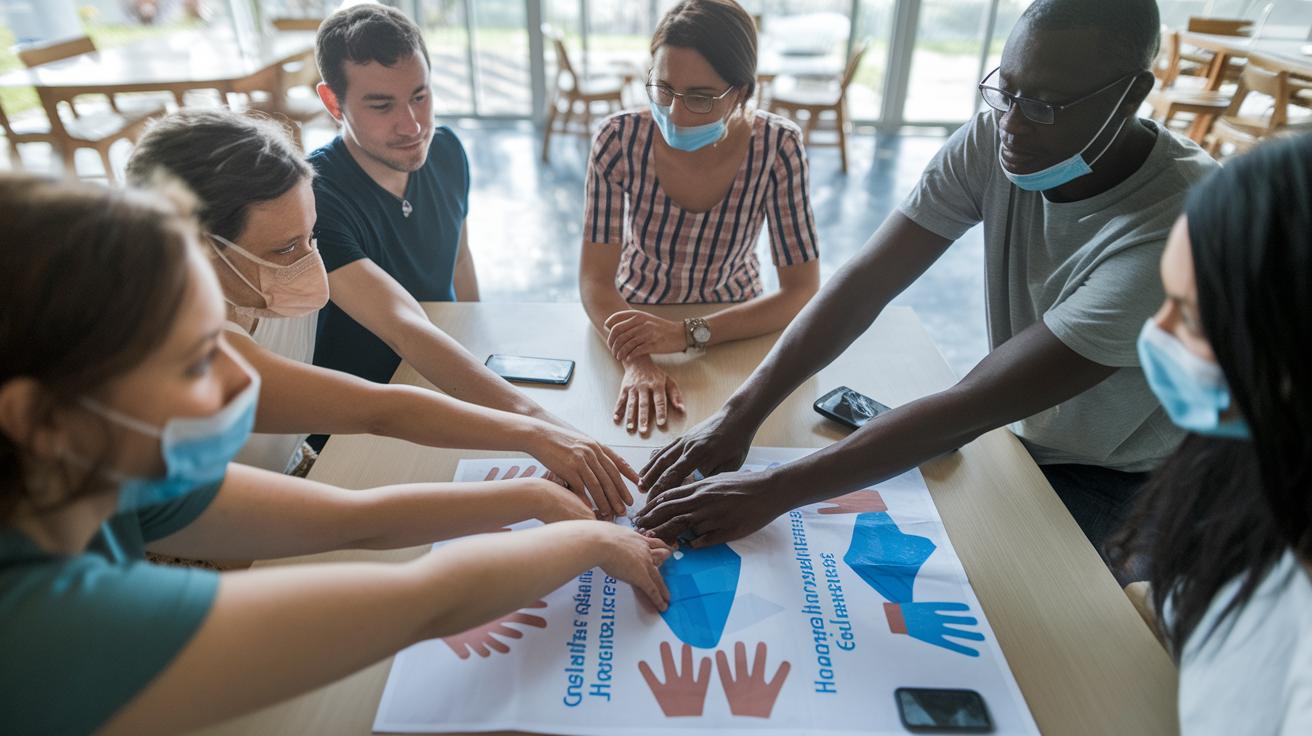
Local efforts to protect health bring people together to spot risks early. One neighborhood project held workshops that explained simple steps like washing hands and wearing masks.
Building stronger communities matters. Upgrading clinics and communication lines helps towns act fast in emergencies. In one small town, a health hub was set up for quick testing, tracing (tracking contacts), and isolation (keeping sick people apart), which slowed the spread of disease.
Plans to share help fairly ensure everyone gets support during a crisis. Programs that offer money and housing aid make sure vulnerable groups receive the care they need. For example, one city organized a system to distribute medical supplies based on each neighborhood's needs, which stopped shortages during busy times.
Community actions also include regular training drills and public information campaigns. Clear instructions from local leaders help residents understand how to keep safe and prepare for potential outbreaks.
Key elements include:
| Initiative | Description |
|---|---|
| Community engagement programs | Bring locals together to spot risks early |
| Resilience project initiatives | Improve clinics and communication for fast action |
| Equity strategy planning | Ensure fair support for all groups during crises |
| Behavior-change campaigns | Teach simple actions like proper handwashing and mask use |
| Containment planning methods | Use testing, tracing, and isolation to slow disease spread |
| Resource distribution models | Allocate supplies based on neighborhood needs |
These practical steps give communities control, lower risks, and pave the way for a quick, organized response during public health crises.
Community Engagement in Public Health Crisis Management
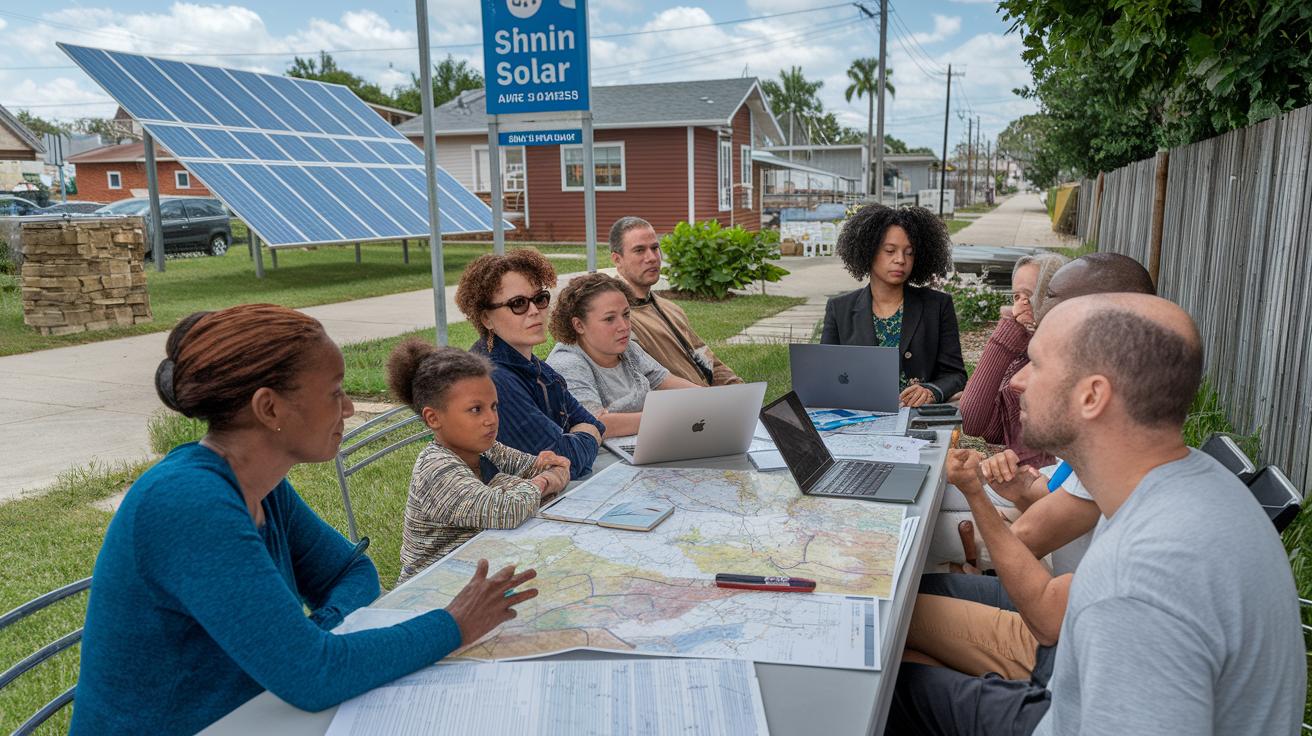
Strong community outreach is key in handling crises. Local leaders, residents, and private partners join forces to build trust and encourage follow-through on safety rules. By working together, public agencies and private groups can share services and quickly check which areas need help. In one neighborhood, local clinics and community centers teamed up to map early risk zones. In a community-based approach, mapping vulnerable households cut emergency response time by 35%.
Local efforts depend on clear talks and shared tasks. Outreach programs ensure important information reaches every home, while cooperation between public and private groups helps move resources fast. These coordinated services spot people who need help and offer on-ground support during emergencies. Getting community members involved in decisions helps renew trust, which is crucial for steady long-term readiness.
Regular town hall meetings, joint training sessions, and risk assessments create a strong feedback loop. When residents see real actions from their leaders, their trust grows. This shared effort builds strong communities that are ready to act quickly and work together during health crises.
Policy, Funding, and Future Directions for Public Health Crises

Federal agreements with the Centers for Disease Control and Prevention (CDC) and the Federal Emergency Management Agency (FEMA) shape our national plans for handling public health crises. Data guides these policy reviews, which in turn change how funds are allocated. One state health director explained that when testing numbers shot up unexpectedly, it was crucial to shift funds within hours. This quick adjustment is now a regular part of emergency response plans.
Agencies are also updating how they prepare for crises. They look closely at funding data to spot and fix gaps. For instance, a local clinic received needed emergency supplies after a detailed review of recent funding trends. A team member noted that a fast analysis turned a small pool of funds into life-saving support. These careful checks ensure that every dollar speeds up response times and reaches those who need it most.
Fair distribution of resources is a central goal of these changes. New plans include models to allocate funds with fairness and clear transparency. Preparation funding reviews help leaders see which communities require extra help. Federal partnerships bring together public health agencies, emergency services, and policy experts to build a strong, united response when a crisis strikes.
- Federal funding and preparedness studies
- Fair resource sharing models
- Data-led policy improvements
These steps, guided by solid strategic plans, promise to make future public health responses more agile, efficient, and fair.
Final Words
In the action, we reviewed the definitions and scope of health emergencies, examined catalysts that intensify these events, and explored their effects on health systems and communities. We looked at response frameworks, case studies, and preventive measures that can curb the spread of threats.
We also highlighted the role of community engagement and the importance of policy reforms. This clear insight helps shape strategic decisions to better address challenges during a public health crisis.
FAQ
Public health crisis examples
The term “public health crisis examples” refers to events like disease outbreaks, natural disasters, and industrial accidents that severely tax community health systems.
Public health crisis 2025
The phrase “public health crisis 2025” alludes to anticipated or potential future events that could stress health systems if vulnerabilities are not addressed through proactive measures.
Public health crisis in America and does the US have a healthcare crisis?
When addressing a public health crisis in America, we consider large-scale emergencies that stretch resources, while the US healthcare crisis highlights ongoing issues like access gaps and resource shortages.
Public health emergency definition CDC
The public health emergency definition by the CDC describes an event with significant health risks that requires coordinated action, rapid responses, and extensive resource mobilization.
Public health crisis synonym
A public health crisis can be synonymously described as a public health emergency, indicating a situation where community health is imperiled, demanding swift and organized interventions.
Global health emergency list
The global health emergency list includes widespread threats such as severe infectious disease outbreaks and catastrophic natural events that mobilize international health responses.
COVID-19 Public Health emergency start date
The COVID-19 public health emergency officially started in early 2020 when health authorities identified rapid virus spread that overwhelmed health systems and required immediate action.
What is the meaning of public health crisis?
The meaning of a public health crisis is a situation where community health is deeply affected by events like epidemics or disasters, necessitating urgent and coordinated public health responses.
What is the biggest public health crisis in the US?
The biggest public health crisis in the US is subject to debate but often includes major outbreaks like COVID-19, coupled with longstanding issues such as chronic disease prevalence and unequal healthcare access.