
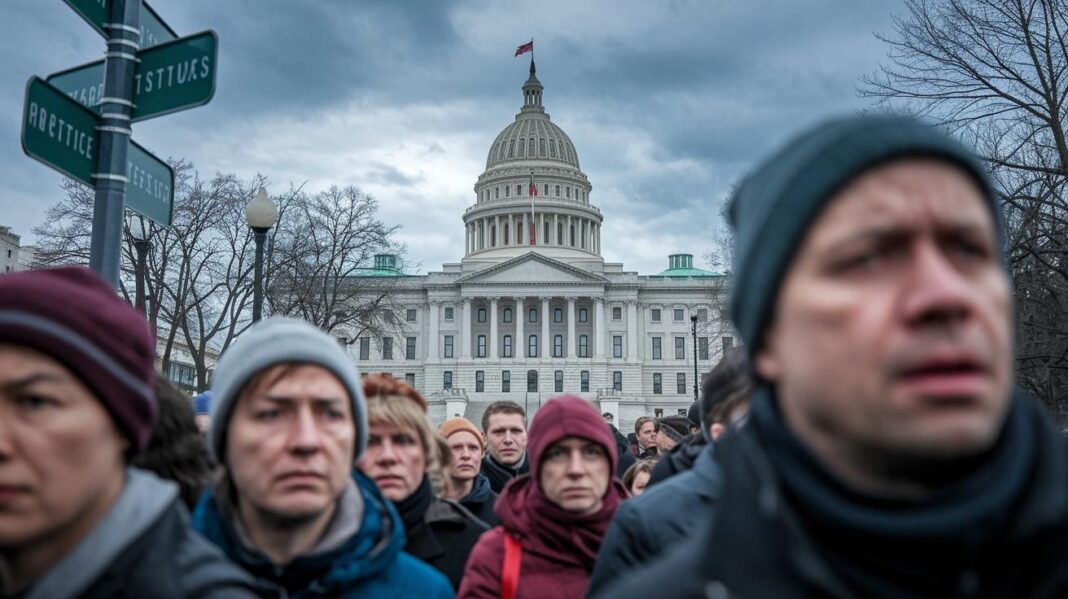
Have you ever worried about being stopped at the airport? A secret homeland security watch list is sparking debate over fairness and safety. This hidden database keeps records and fingerprints of almost 1,000,000 people with ties to terror groups. In this article, we explain how the system works, who is listed, and how it might change your travel plans. Learn how this safety measure stirs a tough debate over privacy.
Homeland Security Watch List Explained: Definition, Purpose, and Impact
The homeland security watch list is a government list managed by the FBI's Terrorist Screening Center (TSC). It stores personal details and biometric data (like fingerprints) for about 1 million people. These individuals are marked as known or suspected terrorists or are connected to them through family or associations. The criteria for being listed remain secret. Think of it like a hidden roadblock on a usual route that causes unexpected stops.
The list helps protect the nation by alerting officials to potential risks. It is used to prevent acts of terrorism and other threats to public safety. The data in the Terrorist Screening Databases is central to these efforts. Many know about government actions in public, but few see the hidden system that makes them work. For example, one frequent flyer found out they were on the list only after being stopped from boarding a flight, which shows the system’s real effect on everyday life.
People usually learn they are on the list only when they face issues like denied boarding or longer security checks. This secret process leaves little chance for notice or correction. While authorities say strict control of the list is key to national security, critics worry about how it affects innocent people. A single name on the list can cause delays and disrupt travel. Overall, the broad and hidden nature of the watch list is a major part of keeping the country safe, even though its impact on regular travel remains a subject of debate.
Historical Evolution of the Homeland Security Watch List
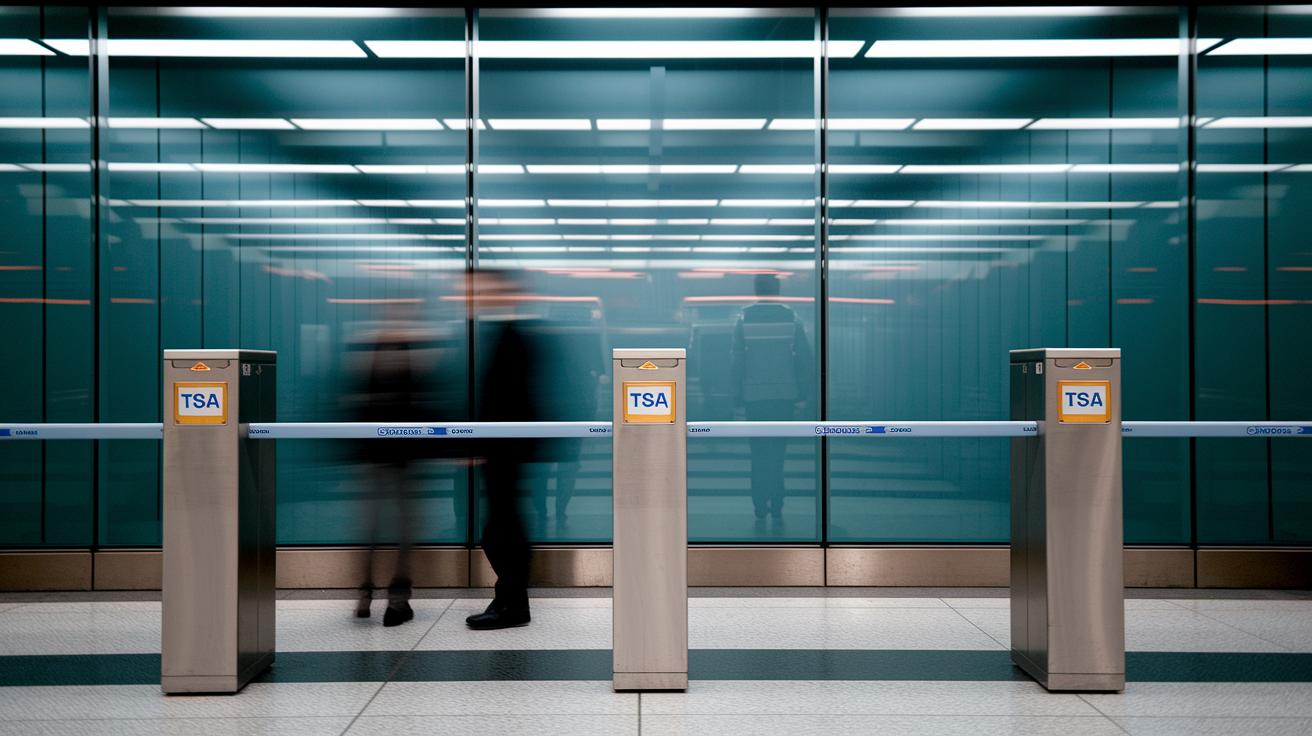
After 9/11, the government made new rules to keep America safe. In 2001, the FBI and Transportation Security Administration (TSA) started early watch lists to help stop future attacks. This was the first step in a system designed for fast threat checks and quick responses.
In 2003, the government set up the Terrorist Screening Center to combine separate watch lists into one clear system. They aimed to keep the list up to date with new dangers. In 2014, an oversight board said the system was flawed and needed a major rethink. Many raised concerns that secret rules for adding people made the process unclear.
In 2015, a Supreme Court review ruled out using citizenship challenges as a tool for enforcing these watch lists. Between 2017 and 2021, the Department of Homeland Security (DHS) made regular updates to its rules. These changes were meant to improve the system and add more clarity. This history shows the balance between keeping the nation safe and ensuring fairness.
| Year | Milestone |
|---|---|
| 2001 | FBI and TSA start watch-list programs after 9/11. |
| 2003 | Launch of the Terrorist Screening Center to merge lists. |
| 2014 | An oversight board calls for major reforms. |
| 2015 | Supreme Court stops use of citizenship challenges for the list. |
| 2017–2021 | DHS updates criteria gradually while boosting clarity. |
Homeland Security Watch List Sparks Interest
Local law enforcement, intelligence agencies, and federal partners can suggest names for the homeland security watch list. They report any suspicious actions or possible links to threats. Analysts at the Terrorist Screening Center then review these suggestions using secret information and criteria that are not shared with the public. They check travel records, biometric data (like fingerprints), and ties to groups of concern. This secret review helps protect the nation while keeping its methods hidden.
After suggestions are gathered, experts use a strict system to decide if someone should be added to the list. They follow internal quality checks that do not involve a formal court review. People who believe they were wrongly listed can ask for a review, but these fixes usually take a long time. Often, a person only learns about their status when they face travel delays or extra security screenings. Critics worry that a lack of clear rules leaves innocent people with few options to clear their names.
Officials say the system is designed to check threats quickly for national defense. Opponents, however, want clearer rules and faster review options. The decision to include a name relies on many steps. Some of the key inputs and checks are:
| Input or Check | Description |
|---|---|
| Local law enforcement referrals | Reports from police officers on the front lines |
| Intelligence agency reports | Information from intelligence groups |
| Inputs from federal partners | Data supplied by federal organizations |
| Analysis of travel records | Review of individuals’ travel histories |
| Review of biometric data | Examination of fingerprints and similar data |
| Assessment of behavioral patterns | Evaluation of reported behavior |
| Cross-referencing historical data | Comparison with past records |
| Internal quality-assurance audits | Secret internal checks to ensure proper process |
Oversight and Accountability in the Homeland Security Watch List

Oversight of the homeland security watch list includes many layers of review. Both internal teams and external bodies check the system to make sure it is accurate and respects civil rights. The Terrorist Screening Center (TSC) carries out regular internal inspections. Its methods are classified. Regular audits and data quality checks help catch mistakes and keep the list reliable while protecting sensitive methods.
Role of the Terrorist Screening Center
The TSC leads the management of the list with strict internal checks. It conducts routine reviews and hidden audit cycles to ensure the system works as planned. Although it does not share details about these checks, its efforts show a commitment to internal oversight. This process is meant to protect national security while also guarding individual rights. Some critics, however, say that limited transparency may allow errors.
Congressional and Judicial Oversight
Congressional committees and the Government Accountability Office (GAO) also review the watch list. Their hearings and formal recommendations are key to finding gaps in accountability. An independent Oversight Board report has warned of civil rights risks and pushed for more clear transparency measures. Courts add another layer of oversight with rulings that help balance security needs and civil liberties.
Implications for Individuals on the Homeland Security Watch List
People on the watch list often face major travel problems. They may be denied boarding, face extra screening, or even risk detention. This turns a normal trip into an unexpected ordeal. One traveler said, "A simple trip became an hours-long interrogation," which shows how these delays disrupt everyday plans.
Mistaken identifications can lead to false positives that slow down the appeals process. The steps to fix these errors are slow and leave people waiting too long. Without clear reasons provided for their flagging, many struggle to understand or challenge their status. This uncertainty weakens trust in the system and makes it hard to get help.
Civil-liberties groups worry about the secret methods used to compile the list. They point out that the extra checks do not protect rights or offer a clear way to fix mistakes. Innocent people may suffer serious travel disruptions because of these flaws. Often, individuals only learn they are flagged when they face delays or extra scrutiny, leaving them unsure about their legal standing and personal freedom.
Controversies and Debates Surrounding the Homeland Security Watch List

Civil Liberties Concerns
In 2023, case studies showed that the watch list affects people’s daily routines. One traveler said he went through an extra screening without warning and ended up waiting over 30 minutes without any clear reason. This account highlights concerns about personal rights. A civil rights expert noted that clear rules and better communication can ease worries and improve the process.
Transparency and Due Process Debates
Policy analysts are calling for tighter oversight. They suggest more internal reviews and detailed audits on individual cases. For instance, one review found that 25% of flagged cases faced delays during the appeal process. This finding points to the need for immediate changes. Recent proposals include clear communication steps and faster review periods, aiming to fix process flaws while building on earlier improvements.
Recent Reforms and Future Outlook for the Homeland Security Watch List
The government is working to change how the homeland security watch list works. In 2022, the Department of Homeland Security (DHS) updated the appeals process and released some public criteria to explain the list. These steps are meant to address worries about fairness and openness.
Pilot programs are trying new screening checks and data reviews to catch mistakes earlier. An oversight board has recommended that changes be reported in real time so people can quickly see updates.
Other proposals include adding options for judicial review and strengthening data checks. Officials hope these changes will help cut travel delays and reduce wrongful flags.
These reforms meet public calls for clearer oversight and better data accuracy. Leaders say the changes are part of a larger effort to update threat assessments and protect civil rights while keeping the nation safe.
Final Words
In the action, the piece explained the evolution, management, and real-life impacts of the homeland security watch list. It outlined how the watch list is formed, assessed, and overseen by various agencies. The discussion also highlighted the challenges faced by individuals flagged by the system and examined ongoing reforms. This brief recap offers a clear view into the processes, controversies, and practical effects of this federal risk compilation, leaving readers with insight and optimism for improved oversight and greater accountability in the future.
FAQ
What is the Homeland Security watch list?
The Homeland Security watch list is a federal catalog tracking known or suspected terrorists and their associates. It is managed by agencies like the FBI’s Terrorist Screening Center to bolster national security.
What happens if you are put on a watchlist?
Being on a watch list means you may face extra screenings, travel delays, or even detention at checkpoints. These measures result from security protocols designed to protect the public.
Why would my name be on a government watch list?
Your name might appear on such a list if intelligence agencies believe you have ties to suspected terrorist activities. Listings are based on classified criteria from internal reviews and law enforcement inputs.
Can you be removed from a watchlist?
Removal from the watch list is possible but involves an internal review and appeal process. Challenges to corrections are often lengthy due to the secret nature of the listing criteria.