
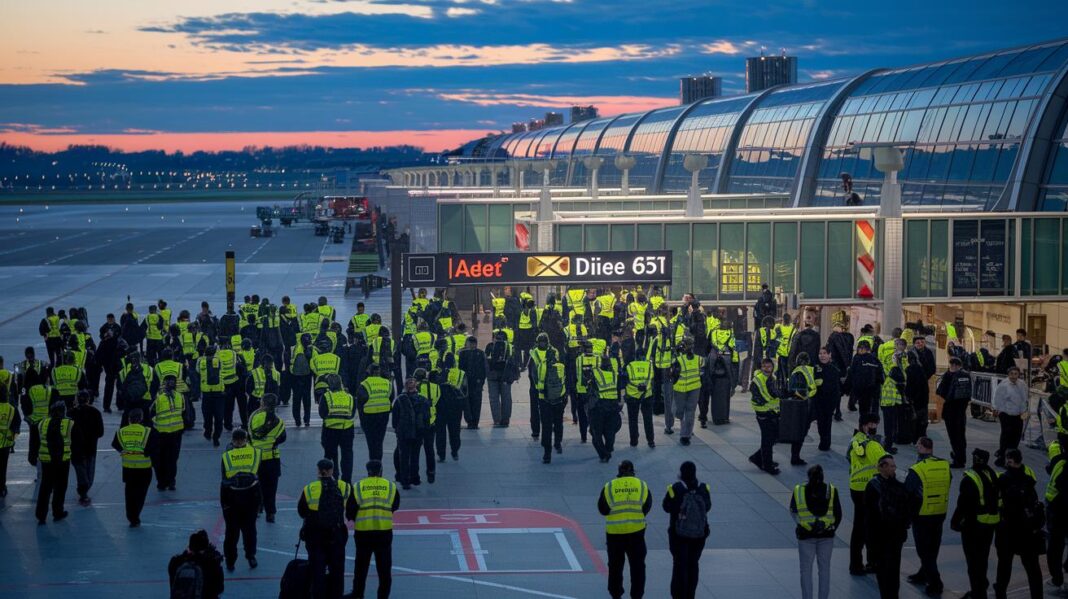
Are your travel plans at risk? With rising tensions in the Middle East, officials say to check local safety updates before heading out. The United States State Department asks travelers to read trusted news sources and local government warnings. In areas of conflict, things can change quickly, so it is important to seek expert advice and stay alert. This alert is not a travel ban but a reminder to be well-informed and ready to change your plans if needed.
Global Caution and Security Alert Explained
The US State Department has warned travelers worldwide after tensions grew between Israel and Iran. This alert asks everyone to be careful and check trusted sources for the latest news on health, weather, and safety. Conditions in conflict areas can change fast, so staying updated is key.
Experts say to watch official government updates because local safety conditions can be very different. They point out that this alert is not a travel ban but a call to assess risks one by one. Travelers should look at local news and talk to experts on the ground to get the full picture.
The alert shows why it is important to take action in uncertain times. Reading official statements and new advisories can help you change your plans, maybe picking a new route or delaying your trip if needed. Authorities say to follow local advice, be ready for changes, and stay in touch with reliable sources during these tense times.
Government Advisories Driving the Global Alert

Government agencies worldwide have urged travelers to pay close attention to safety guidelines and check local updates often. They warn that risk levels vary by region. Some local officials remain confident in their safety conditions, yet global alerts remind visitors to stay alert. These warnings come from careful monitoring of political shifts, regional conflicts, and local events.
Officials stress that safety can differ widely depending on where you go. Travelers should check local news and follow government announcements. In many regions, risk levels range from advice to "exercise increased caution" to urging travelers to "reconsider travel" altogether. This means that even if a destination feels safe locally, it might still face broader regional uncertainties.
Multiple national bodies have coordinated their alerts to highlight potential risks under the global security framework. They offer regular updates to help travelers avoid dangerous situations. The key message remains: stay tuned to real-time advisories and trusted sources before planning any trips.
Regional Risk Matrix in the Worldwide Security Alert
Advisories vary around the world. Each region faces different risks that need special focus. In the Middle East, ongoing conflicts create high danger. Europe remains cautious with some hotspots that show more risk. Parts of Asia run normally while others have specific warnings. In Africa, some countries are safe while others have active travel alerts. In the Americas, alerts stick to certain urban areas.
| Region | Advisory Level | Key Risks |
|---|---|---|
| Middle East | Elevated | Ongoing conflicts and instability |
| Europe | Caution | Political tension and isolated hotspots |
| Asia | Mixed | Normal advisories to targeted warnings |
| Africa | Varied | Country-specific issues and active warnings |
| Americas | Localized | Urban-specific threats and safety gaps |
This breakdown shows that global caution is not one-size-fits-all. Alerts range from elevated warnings in conflict zones to caution in cities with specific risks. It is important for travelers and local authorities to check the latest news and official bulletins before planning any moves. Staying informed can help you take the right precautions wherever you go.
Key Safety Recommendations Amid Worldwide Caution Alert

Travelers must act now to stay safe. The situation can change fast, so rely on trusted local sources and verified news. Experts advise checking your options because conditions may shift quickly during conflicts.
- Talk to local experts to learn about current conditions.
- Sign up for the Smart Traveler Enrollment Program (STEP) to get emergency alerts quickly.
- Get travel insurance that covers events linked to conflicts.
- Think about postponing trips if the area seems unsafe.
- Assess your own risk based on the latest advisories.
- Make sure consular and local support is reachable.
Following these steps will help you manage today's security challenges with confidence. By staying in touch with experts and taking active safety measures, you can adjust your plans quickly and keep yourself safe during these uncertain times.
Enrolling in Travel Alert and Security Monitoring Programs
Travelers facing security alerts worldwide can sign up for programs that send important safety warnings. Enrollment is free and takes about 20 minutes. With these services, you receive live updates on health, weather, and security, and you can connect with US officials abroad. They also let you register with local embassies and work with partner crisis alert apps, giving your travels an extra layer of safety.
Smart Traveler Enrollment Program (STEP)
Smart Traveler Enrollment Program (STEP) makes signing up simple. Fill out a short online form with your personal details and travel plans, and you'll start receiving free, real-time alerts on health, weather, and security. STEP connects you directly with US officials during emergencies, so you get prompt guidance when it matters most. This quick and easy process boosts your safety and keeps you informed throughout your journey.
Other International Monitoring Services
Other monitoring services add extra protection. Many local embassies send custom alerts and offer direct communication, while third-party crisis alert apps update you on changing conditions. Together with STEP, these tools form a full safety net to keep you informed about potential risks as you travel.
Assessing Personal Risk During Global Security Warnings

Travelers during global warnings must weigh their health, important tasks, and overall risks. For example, people with health issues should ask if travel is essential and make sure they have a support system. We have added these ideas to our overall safety tips.
Check your travel insurance carefully. Look at conflict coverage, emergency plans, and evacuation options. We now include detailed policy checks in our safety tips, so see the full checklist for guidance on insurance and risk evaluation.
Before you leave, check if local help or consular services are available. Stay up-to-date with travel alerts and security updates so you can adjust your plans as conditions change.
Tools and Resources for Tracking Worldwide Security Alerts
Reliable platforms now give real-time alerts on security issues around the world. Government advisory sites and embassy social media feeds are trusted sources that many travelers rely on. One traveler said they saw an alert within minutes by checking an embassy page, which shows how useful these tools can be for staying safe.
Mobile apps and push notifications deliver urgent updates straight to your device. They ensure you get immediate hazard information wherever you are. Regular alerts from trusted sources let you act fast and adjust your plans when needed. Staying connected through these channels helps you keep your travel flexible and your safety a top priority.
Final Words
In the action, the article broke down how government advisories, regional risk matrices, and personal safety tips come together during a worldwide caution security alert. It showed how travel advisories and official updates can guide decisions in shifting global conditions. The report walked through steps such as enrolling in monitoring programs and assessing individual risk using clear, actionable terms. This guide offers useful insight to help readers feel more secure and informed, turning global challenges into clear, manageable steps for safety and decision-making.
FAQ
What is a worldwide caution alert?
The worldwide caution alert signals current travel warnings from authorities such as the U.S. State Department, informing travelers about risks from conflicts and other security threats globally.
Why am I getting security alerts?
The receipt of security alerts means agencies are issuing real-time notifications about evolving health, weather, or safety threats to keep you informed and prepared.
What countries are not advised for travel?
The list comprises nations with active warnings due to conflicts, security threats, or governmental advisories, urging travelers to reconsider or postpone trips to these areas.
What are the current U.S. travel bans or warnings?
The current U.S. travel bans and warnings, including updates affecting specific countries, reflect the State Department’s latest advisories to alert citizens of elevated risks in certain regions.
Which travel advisory levels indicate higher caution?
The advisory levels, such as level 4 and level 5, indicate increasing risk, with level 4 advising extra caution and level 5 recommending that travelers reconsider their plans entirely.
Is it safe for Americans to travel abroad right now?
Safety for Americans traveling abroad depends on current advisory updates, local conditions, and risk assessments provided by government sources and international agencies.
What is the latest State Department travel advisory?
The latest State Department travel advisory urges travelers to stay updated on regional conditions as shifts in conflict and geopolitical issues can rapidly change safety levels.
How can I get updated travel alerts and warnings?
You can get updated travel alerts by subscribing to official government websites, monitoring embassy notices, and using mobile alert apps that provide real-time information on global risks.