
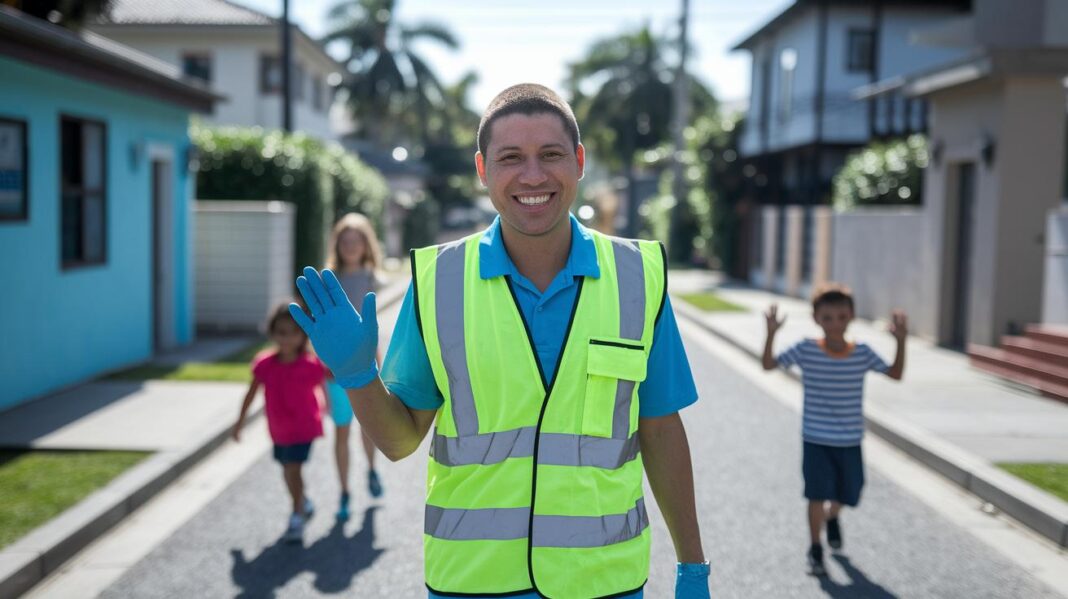
Can one person really change a community? Community health workers show us they can. They connect residents to the care they need and offer social support. They walk the same streets as their neighbors, sharing useful health tips and clear, personalized advice. They check on patients and help those with long-term illnesses, making care easy to reach for everyone. Their hands-on work improves daily health and overcomes obstacles, proving that one caring helper can brighten an entire community.
Understanding the Community Health Worker Role and Impact
Community health workers are trusted helpers who connect local residents with essential health and social services. They live in the neighborhoods they serve, which helps them build strong bonds and share important health tips right where people need them. For example, one community health worker rides her bike to visit seniors at home, showing her commitment to making care accessible.
These workers watch over patients with long-term illnesses, checking symptoms and ensuring medications are taken properly. They also teach healthy habits and guide residents to available resources. Their work includes health insurance sessions, immunization drives, and support for HIV/AIDS treatment or mental health services. In areas that lack many hospitals or clinics, community health workers are the key link to preventive checkups and help for mothers and children.
They also make it easier to connect with other health professionals by offering referrals and following up on patient needs. Their close work in the community helps tailor health services to local cultures. This direct approach cuts down barriers and improves health results, making these workers vital advocates in underserved areas.
Community Health Worker Brightens Community Lives

Community health workers do more than provide basic care, they try new methods that make a real impact. For example, one worker helped a diabetic patient during a 40-minute session at a community center. The patient learned to adjust when to take medicine and started a healthier diet. This personal story shows the clear benefits of their work.
A recent pilot project saw a 25% rise in how well patients followed their medicine routines after receiving home visits. This result proves that combining regular checkups with personal care works well. Health workers even use mobile technology (a handy tool on cell phones) to track patient symptoms, catching issues before they turn serious.
Their key duties include:
- Running health education sessions.
- Completing regular preventive checkups.
- Watching for signs of ongoing illnesses.
- Referring patients to needed medical and social services.
- Helping patients keep up with their medications.
- Using digital tools to monitor progress.
Training, Certification, and Education Paths for Community Health Workers
Community health worker training and certification can change a lot depending on where you live. Some jobs need only a high school diploma while others may need up to two years of study after high school. Local health departments and employers design training programs to meet local needs. Many programs use accredited community care courses and skills-based training. One program might focus on working directly with patients, while another may focus on teaching ethics and exam preparation.
To become certified, you first need to show your credentials and sign up for the community health worker exam. Many exams require you to follow strict ethical guidelines and pay fees set by the certifiers. Keeping a letter of good standing is key. Workers must not only study for their first exam; they also update their knowledge when ethics guidelines change.
Recertification is also very important. Most programs require continuing education credits along with refresher sessions and periodic exams. This helps workers keep up with the latest health trends and best practices, while also learning how to handle local community challenges. Training programs can be offered by employers or local health departments. By combining standard certification with local know-how, these programs aim to improve patient education and health outcomes.
| State | Required Education | Typical Certification Program |
|---|---|---|
| California | High school diploma | 12-week county course |
| Texas | None required | Employer-led training |
| New York | 1 year post-secondary | Community college certificate |
| Florida | High school + 40 hr CE | Online competency exam |
Community Health Worker Brightens Community Lives

Community health workers have many job options and chances to advance. They earn a median salary of $38,180, and more jobs are needed as people demand better care. They work in hospitals, clinics, nonprofits, government agencies, and telehealth programs. Their tasks range from entry-level outreach to managing complex health programs.
Many start in outreach and patient education. As they gain experience, they handle tasks like managing chronic illnesses or running programs focused on mothers and children. These roles let them connect people with important services in their neighborhoods. Their work builds community ties and improves health outcomes, inspiring others to join the field.
Advancing in the field brings real rewards. Workers aiming for leadership or specialist roles can get extra certifications and training from local employers and health departments. Learning new skills in areas such as HIV/AIDS support or remote public health work opens up more responsibilities and better pay. This ongoing training strengthens both their careers and the broader community health system.
Key advancement strategies include:
- Get advanced certification in specialized care.
- Join training programs run by local health agencies.
- Move into supervisory or training roles.
- Focus on maternal-child health or HIV/AIDS.
- Build skills in remote and telehealth services.
- Keep learning to update skills.
Flexible work options also brighten community lives. Some community health workers have full-time jobs, while others work part-time, allowing them to meet local needs effectively.
Measuring the Impact and Future Trends of Community Health Worker Programs
Research has shown that community health worker programs lower hospital readmissions and improve chronic disease control. One study found that patients in these programs made fewer trips to the emergency room, which points to better overall health. For example, in one pilot study, hospital readmissions dropped by 20% after patients received regular check-ups.
Community health workers often face challenges like unclear roles, uneven training, and limited funding. These issues can slow down program success. However, new tools are helping change that. Mobile apps and telehealth services now let workers reach patients in faraway areas. Digital tools also let them update patient records instantly, turning data into steps for better care.
Policy changes are now on the way to support these programs in the long run. Research in community care is steering efforts toward steadier funding. This trend is set to boost support for these programs and help make them a central part of public health.
New trends and policy plans are expected to make community health worker programs stronger. This progress should help these programs provide even better care in the next ten years.
Supporting Community Health Workers: Best Practices and Resources

Ongoing training is vital for community health workers. Local health departments, professional groups, and online workshops offer courses that build key skills. These sessions cover topics from talking with patients to managing data correctly. One worker said, "After attending an online workshop, I felt more confident in addressing challenging community needs." This shows how these courses make a big difference.
Internships and volunteer work give workers real-life practice. By working in local settings, they see first-hand the health challenges their communities face. Mentoring and networking events also help. Experienced professionals share tips and practical lessons that boost career growth.
Actionable resources for community health workers include:
- Mentoring programs by local health groups.
- Internships at community clinics or nonprofits.
- Volunteer projects that provide hands-on community experience.
- Continuing education workshops from public health departments.
- Networking events for building peer connections.
- Quality improvement courses focused on team performance.
Quality improvement tools let managers check program success and client outcomes. These tools set clear targets and measure progress so that every community health worker gets the support needed to grow their skills and make a lasting difference.
Final Words
In the action, this post outlined the community health worker role, daily tasks, and how they serve as a bridge to better healthcare. It highlighted hands-on responsibilities like preventive screenings and patient education, as well as the various paths for training and certification that lead to promising career opportunities. The article also touched on emerging trends and resources that support these professionals. With a clear focus on practical guidance, the work presents community health worker efforts as key to building healthier communities.
FAQ
What is a community health worker?
The community health worker is a professional who links residents with health and social services, helping improve local care and access to necessary resources.
What is the community health worker job description?
The community health worker job description outlines tasks such as delivering health education, conducting screenings, and referring clients to medical or social services.
What salary can community health workers earn and what is the highest pay?
The community health worker salary has a median around $38,180, with higher earnings possible for those with advanced certifications, experience, or specialized roles.
Where can I find community health worker jobs near me?
The phrase “community health worker near me” refers to job openings in local clinics, nonprofit organizations, government agencies, and telehealth programs that focus on community support.
How can I become a community health worker in Michigan?
The path to becoming a CHW in Michigan includes enrolling in state-approved training programs, completing certification requirements, and gaining practical experience through community-based work.
Is obtaining a community health worker certification worth it?
The CHW certification is worth it as it verifies your skills, improves employment prospects, and can lead to advanced roles and better pay in community outreach and health advocacy.
What education is needed for a community health worker degree?
The community health worker degree varies by region and employer, ranging from a high school diploma to post-secondary courses that support the knowledge and skills needed in community health work.
How do I find community health worker opportunities in LA County?
The term “Community Health Worker LA County” identifies local job listings and training programs in the region, connecting candidates with agencies dedicated to public health and community services.
Are there community health worker resources in Spanish?
The mention of community health worker resources in Spanish indicates that bilingual services and educational materials are available to support Spanish-speaking populations in community health initiatives.