

China's booming economy might seem too good to be true. New forecasts show growth between 4.8% and 5.0% in 2025, with even faster gains expected next year. Global trade and smart advances in manufacturing have boosted market confidence and set the stage for further growth. But the main test is to balance strong exports with more local spending for lasting progress. This post explores how solid policies and targeted support are paving the way for a bright future.
China Economic Outlook: Key Forecasts and Growth Drivers
Global agencies now expect China's GDP to grow between 4.8% and 5.0% in 2025. Revised numbers point to even faster growth in 2026. Beijing's better economic plans and strong support policies come at a time when exports are doing well. Recent data show that rising exports have boosted market confidence in hard times, hinting at a promising future.
China's upcoming 15th Five-Year Plan focuses on advanced manufacturing. Government makers plan to upgrade production techniques to support exports and boost local spending. They believe this two-fold approach will change the overall economy. Key factors include:
- Export strength: Solid global trade is driving growth.
- Advanced manufacturing: Investments in new technology and methods set the stage for future gains.
- Domestic spending: Improved social programs aim to lift consumer purchases.
To keep moving forward, China must balance these factors well. While strong exports can lift short-term performance, lasting progress depends on boosting local demand and long-term stability. Focused reforms and targeted support for consumers will be key to sustaining a strong growth path.
China Economic Outlook: GDP Trends and Performance Review
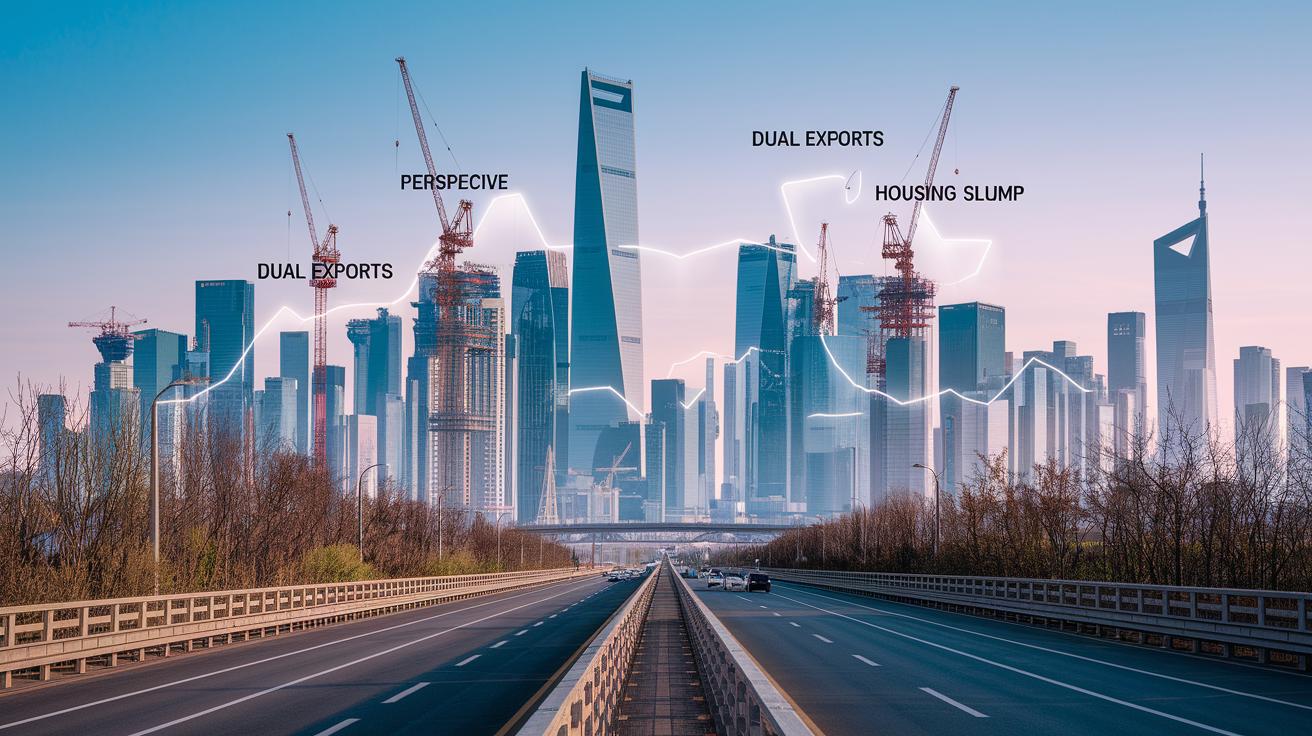
China's economy has shown mixed signals over the past five years. From 2019 to 2021, strong exports and high new-home sales boosted growth. Since 2021, the property market has fallen sharply with investment dropping about 20% each year. At the same time, manufacturing spending has turned negative. This split between strong external trade and weak domestic spending points to deep economic imbalances that need careful policy fixes.
| Year | GDP Growth Rate |
|---|---|
| 2021 | 5.5% |
| 2022 | 5.0% |
| 2023 | 4.9% |
| 2024 | 4.8% |
| 2025 | 4.8% |
The signals from the real estate sector are clear. The sharp drop in property investment warns construction and related industries to be cautious. Meanwhile, the decline in manufacturing shows challenges in keeping production strong. This mismatch between export-driven growth and internal weaknesses calls for balanced policy measures. Economic planners must work together to boost domestic demand while keeping exports strong. This dual approach is key to achieving steady, long-term growth and a resilient economy.
China Economic Outlook: Impact of Fiscal and Monetary Policies
Beijing sets GDP targets to direct fiscal policies instead of just predicting economic trends. These targets guide government actions to keep growth steady and send clear signals to investors and businesses. Officials use these numbers to shape public investments and resource allocation. They treat the GDP forecast as a plan that supports long-term development and helps manage unexpected market shifts.
Recent policy moves show a shift toward high-quality growth. This means boosting real demand and productivity rather than relying on heavy borrowing for construction projects. Monetary policy now focuses on stricter lending practices and a controlled flow of credit. This approach is designed to support true economic growth while lowering the risks of unstable financial methods. The emphasis on credit quality reinforces a more gradual and balanced economic boost.
Officials plan to go beyond just managing fiscal numbers and credit limits. Expanding social welfare and using targeted stimulus are key to resolving problems in the property and manufacturing sectors. Investments in social programs and infrastructure can encourage local spending and steady domestic demand. These reforms may also lessen dependence on unpredictable export markets and help secure growth over time. Decision makers are prepared to adjust strategies quickly to meet both immediate challenges and long-term goals.
China Economic Outlook: Global Trade Dynamics and Export Outlook
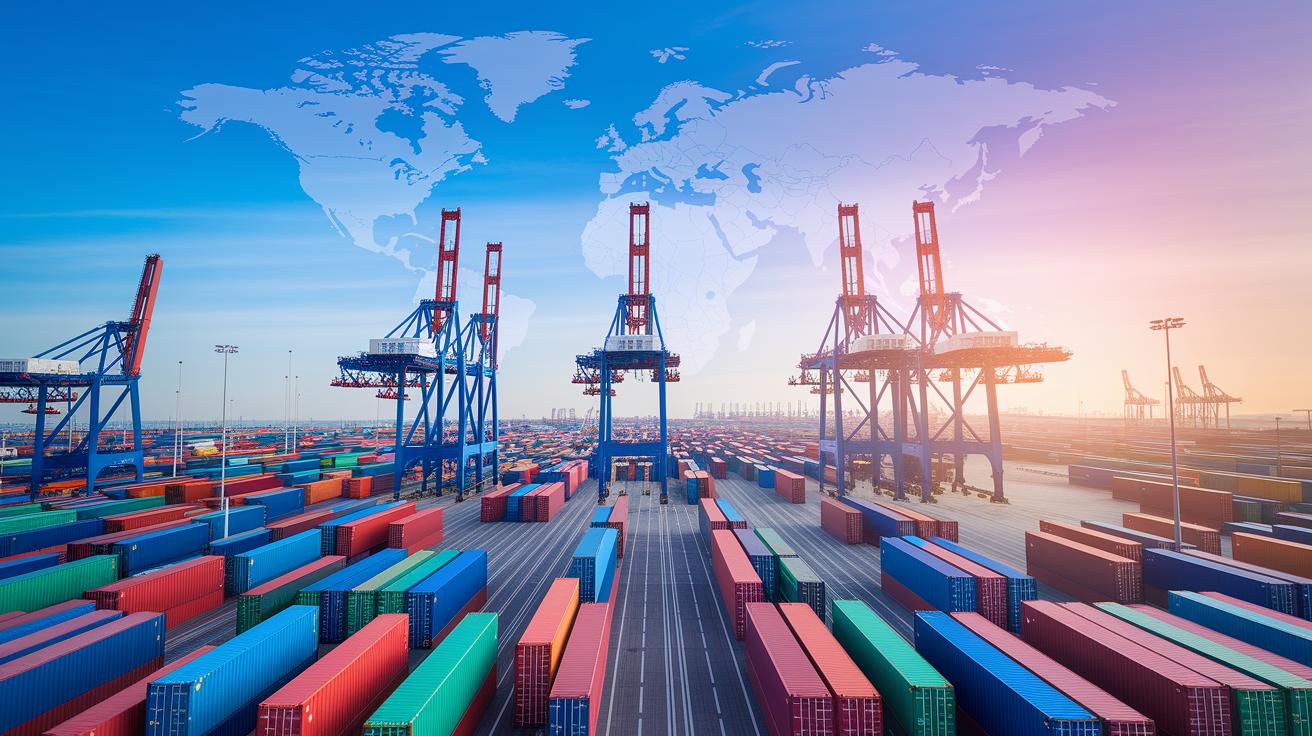
China's export numbers are strong, and forecasts have been raised as a result. Low prices and smart investments in advanced manufacturing have helped China's global trade role. Current trends show that exports will keep supporting growth. Even during uncertain times, export orders continued to rise, signaling a steady path.
Trade around the world is normalizing, but this brings risks. Countries are changing trade policies and adding strict rules, which may pressure China's export sector. New tariffs or trade barriers could make supply chains more complex. These changes might force policy makers to rethink strategies that rely mainly on international markets.
Moderate import figures highlight the need for balanced trade policies. A diverse import base can help cushion against sudden market shifts. Changing trade rules to boost local consumption and improve social programs is seen as essential. These steps can help keep both exports and imports stable over time.
China Economic Outlook: Sectoral Shifts and Long-Term Prospects
China is focusing on high-tech manufacturing under its 15th Five-Year Plan. Leaders are boosting technology by funding research and development and by updating production methods. In many tech companies, automated systems, much like those in advanced car factories, are being used to improve production. These steps are intended to enhance productivity and move China up the value chain.
Domestic spending faces challenges too. To support it, officials are expanding social welfare programs and introducing measures to restore consumer confidence. They are planning to encourage local spending with subsidies and reforms that help consumer finance. Picture a local shop offering a short-term discount to boost customer trust. These initiatives aim to raise everyday spending.
The investment environment is shifting as well. Sectors like renewable energy and tech-driven services are set to receive more funds. Reforms are being adjusted to divert investments from traditional heavy industry toward sustainable ventures. These decisions are made by comparing forecast data from consumption, investment, and net exports.
Looking forward, emerging fields such as electric vehicles and digital innovations offer great potential. Officials continue to fine-tune fiscal and monetary policies to control risks and support market growth. This approach helps guide which industries may lead and shape China’s economy over the next decade. Analysts believe these policy changes will ease market swings and create a stable foundation for long-term growth, boosting investor confidence and paving the way for evolution across the country's industries.
Final Words
In the action, we tracked rising GDP forecasts, solid export figures, and policy shifts shaping growth.
We broke down advanced manufacturing plans and domestic demand initiatives outlined in the 15th Five-Year Plan.
The discussion highlighted global trade shifts and needed fiscal and monetary adjustments.
Each piece contributes to a broader picture of the china economic outlook, offering real insight and guidance.
The analysis leaves us with clear takeaways and a positive view as progress continues to build confidence.