
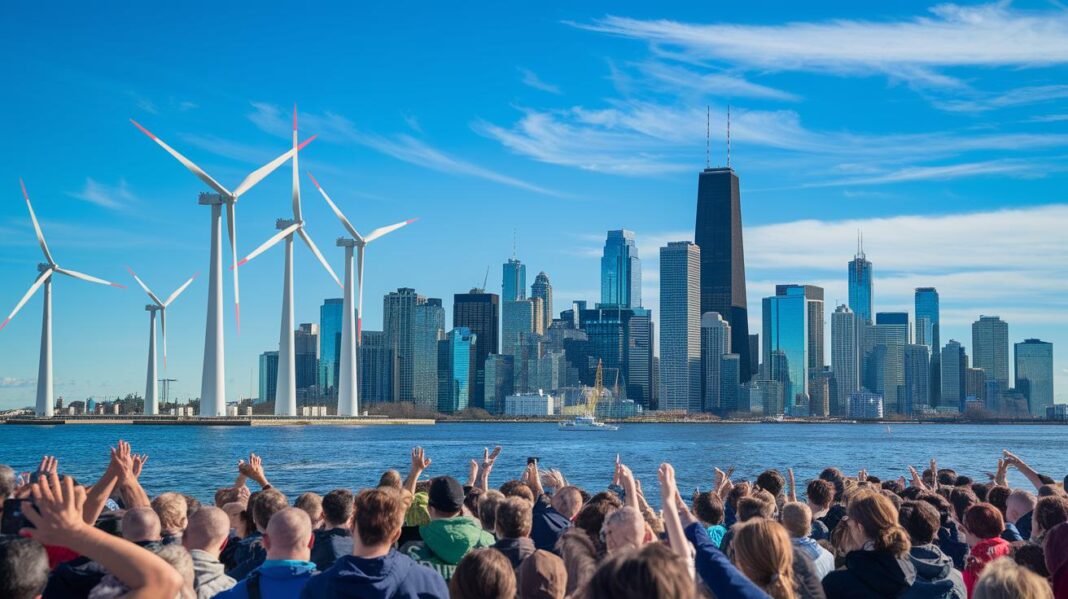
Our daily choices shape our world. Fossil fuels lead to high carbon levels and messy weather changes. But clean energy and smarter habits can help us build a safer future. This post breaks down the causes of the climate crisis, explains its impacts, and shows how working together can guide our planet toward stability. We are at a turning point, and now is the time to act for a better tomorrow.
Climate Crisis Explained: Comprehensive Overview of Causes, Impacts, and Actions
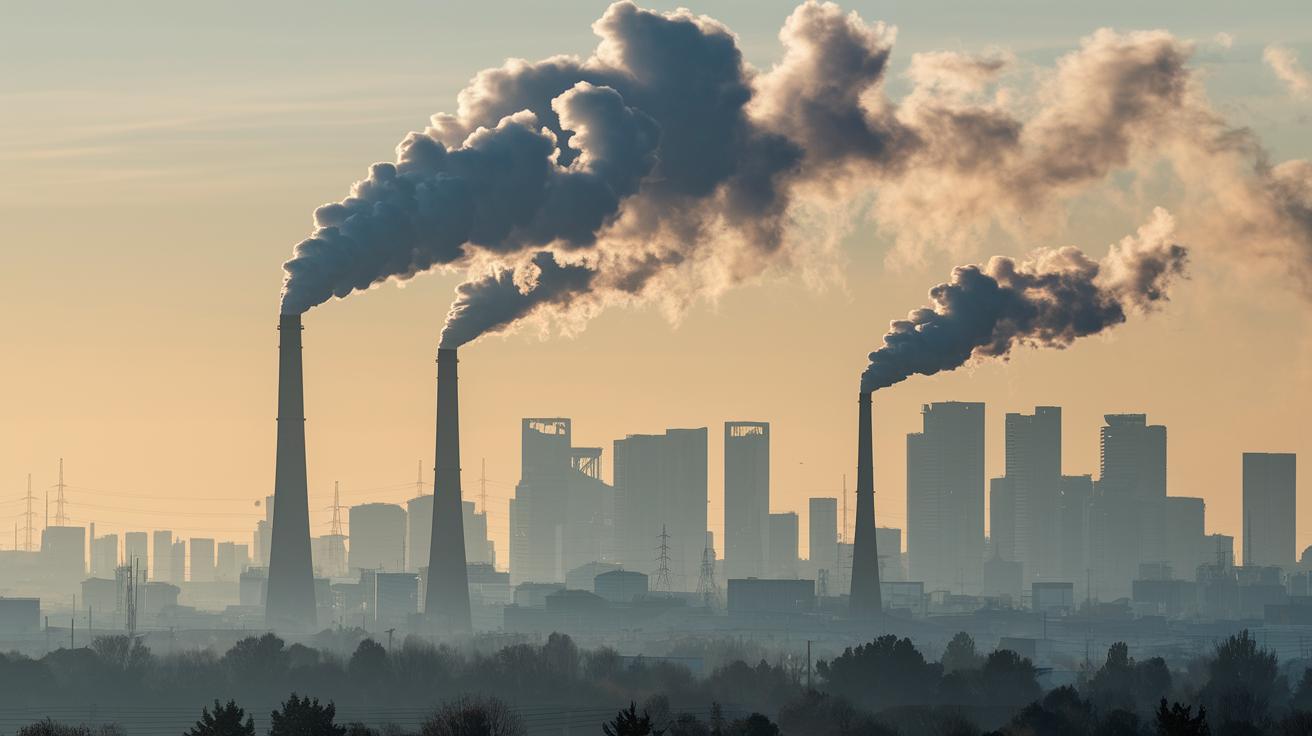
The climate crisis points to harmful changes in our environment caused by rising carbon pollution. This term covers broad shifts like changing weather, rising sea levels, and disruptions to ecosystems. Global warming, which focuses on the steady rise in temperatures, is just one facet of this bigger picture.
Scientists agree that human actions drive these changes. We burn fossil fuels, coal, oil, and natural gas, to power our factories, cars, and homes. This process releases a lot of carbon dioxide that traps heat in the atmosphere. Daily activities, from energy production to commuting, add to the problem and push our planet's temperature higher.
We need to act fast to tackle these issues. Governments can pass new laws and form international agreements, while shifting to renewable energy cuts our reliance on fossil fuels. At the same time, improving energy use, planting trees, and reducing our personal carbon footprint all help. By mixing smart technology, firm rules, and personal choices, we can move toward a cleaner, more stable future. Every step we take now builds a safer tomorrow, making quick and decisive action our best hope for lasting change.
Scientific Drivers of the Climate Crisis
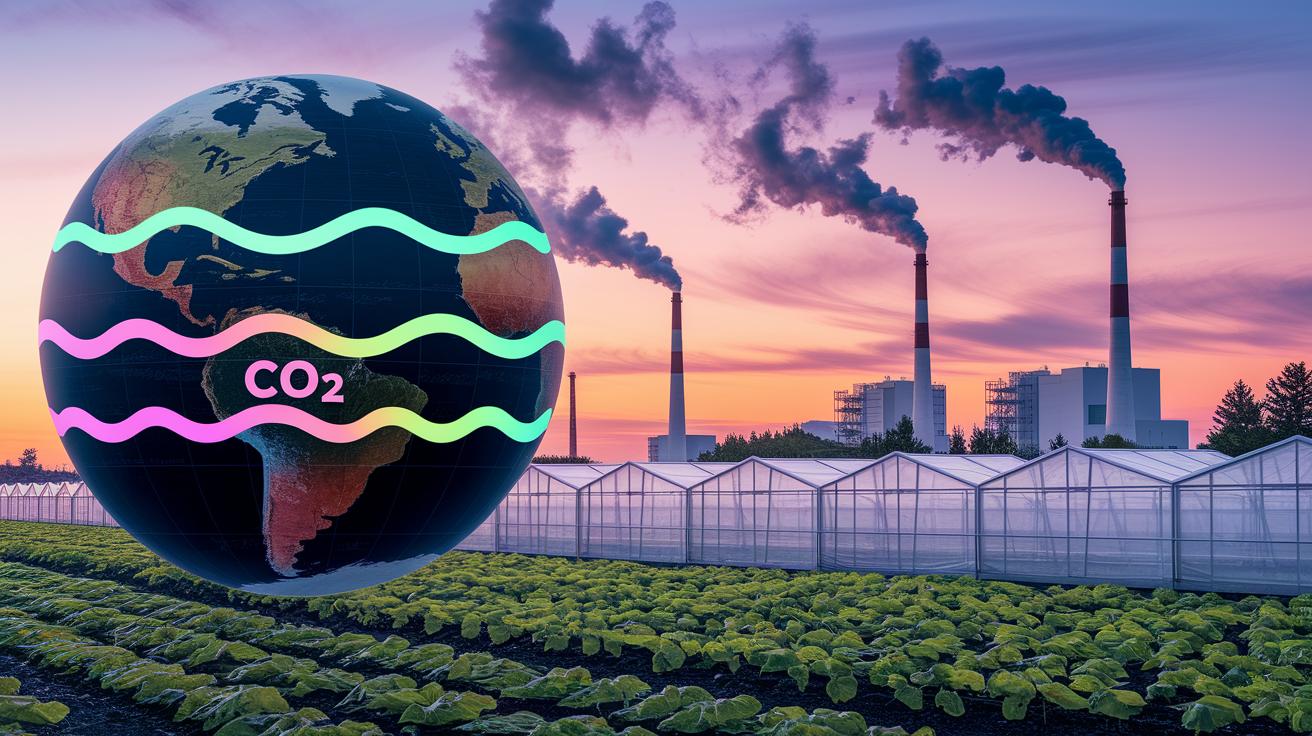
Greenhouse gases trap Earth's heat and warm our climate. Burning fossil fuels sends a large amount of carbon dioxide into the air. Other human activities add extra warming agents to the mix.
The main greenhouse gases are:
- CO2 (from fossil fuels)
- CH4 (from agriculture and landfills)
- N2O (from fertilizers)
- Fluorinated gases (from industrial processes)
- Water vapor (which boosts warming through feedback)
Global data shows that the planet's average temperature has steadily increased over the past century. Records indicate a rise of about 1°C since 1900. In polar regions, faster ice melt adds to rising sea levels. Research from computer models and field studies confirms that melting ice reduces the Earth's ability to reflect sunlight while adding more water to vulnerable coastal areas.
This strong evidence shows that human emissions, mostly from burning fossil fuels, are changing global temperature trends and speeding up ice loss in the polar regions.
Impacts and Risks of the Climate Crisis
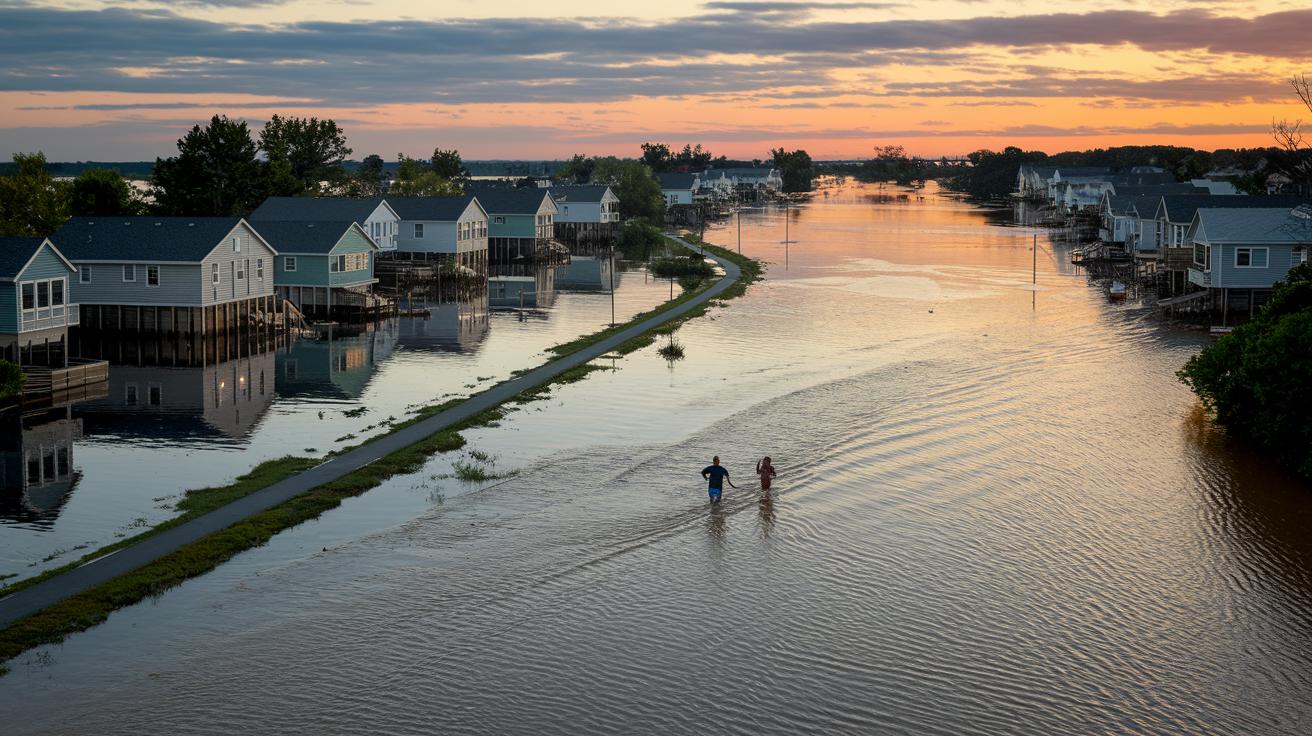
Rising temperatures make ice melt faster and cause sea levels to rise. Coastal areas now face more flooding and erosion as water moves further inland. Many communities deal with flooding that disrupts daily life and harms local economies. Roads, bridges, and other key structures are at risk, endangering lives and livelihoods. Coastal regions must update their planning and take extra steps to protect themselves.
Scientists warn that ongoing damage to natural habitats could lead to ecosystem collapse. When nature loses its balance, many plant and animal species suffer, and the complex network that supports life can break down. This loss harms important services such as pollination, water cleaning, and climate control. It is clear that stronger conservation and better management practices are needed to keep our environment healthy and resilient.
Extreme weather events are a rising challenge across the globe. Heatwaves are more intense, storms are stronger, and wildfires occur more frequently. These changes tax emergency services and public health systems. Vulnerable populations face greater risks, and communities must build new ways to adapt to these tougher conditions.
| Impact Type | Description | Example Region |
|---|---|---|
| Sea Level Rise | Higher water levels cause flooding and erosion | Coastal cities |
| Ecosystem Collapse | Damaged habitats lead to loss of species and weakened environments | Tropical rainforests |
| Heatwaves | Long spells of heat affect health and productivity | Urban areas |
| Storms | Stronger, more frequent storms cause widespread damage | Island communities |
Policy and Global Responses to the Climate Crisis
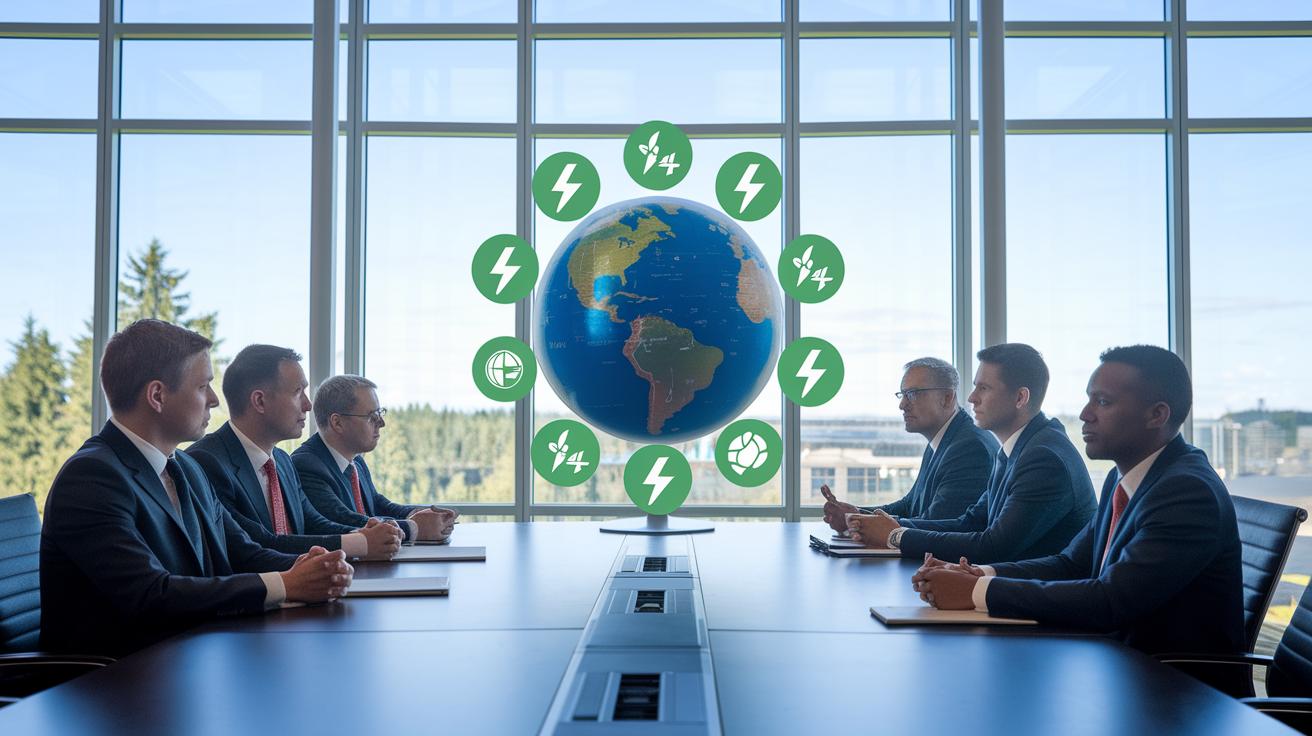
Major global deals like the Paris Agreement have stirred debates on cutting emissions. Countries and international groups are now setting firm goals and shifting funds away from fossil fuels. They aim to put money toward a fair switch to clean energy, pushed by growing climate concerns. With stronger scientific evidence piling up, talks continue to match each country's plans with global targets. Nations are updating their energy policies to meet urgent climate needs.
At home, governments are announcing new plans to reduce emissions, though enforcing these rules remains tough. Lawmakers are watching corporate results closely while trying to balance economic growth with climate care. Past actions by major polluters slowed real change, but new steps show promise in tougher oversight. Even with challenges ahead, the push for wider emission cuts has sparked talks about clear rules and fair penalties to drive real change.
Mitigation Strategies for the Climate Crisis
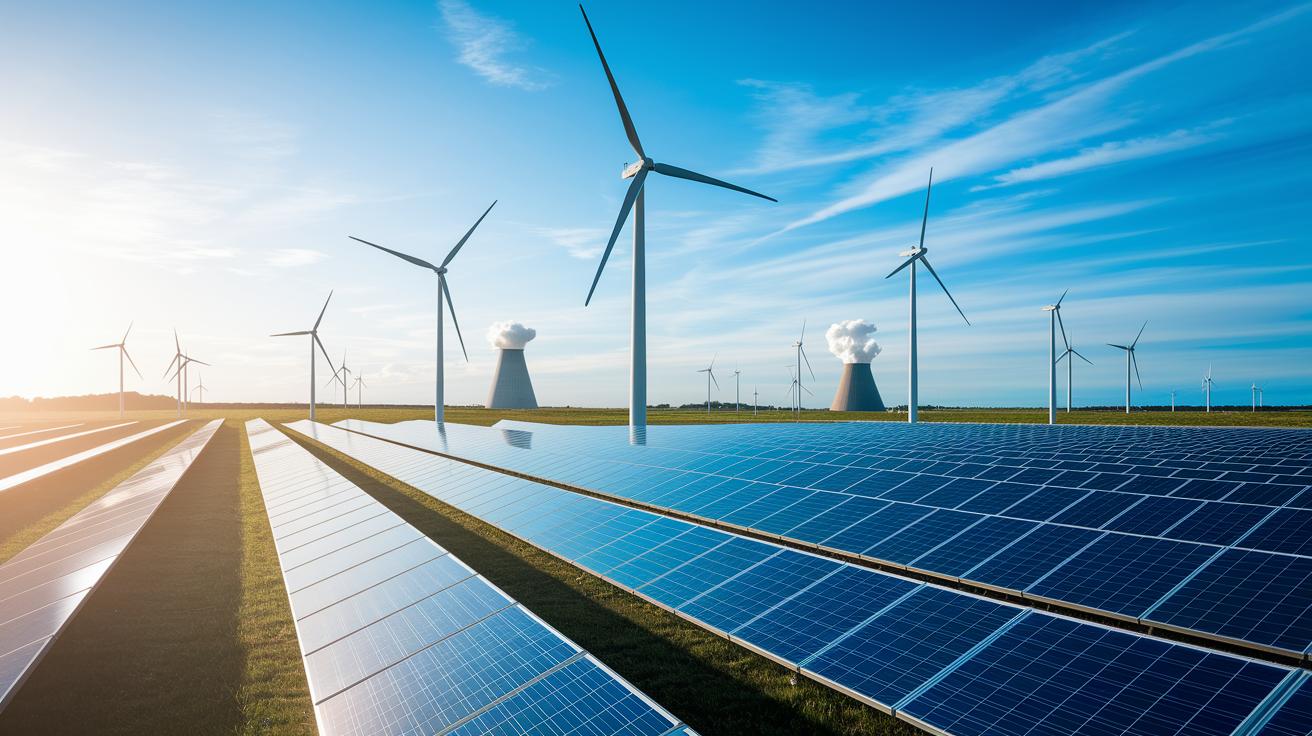
Investing in clean energy is changing how we power our world. Wind turbines, solar panels, and geothermal plants now replace older systems. New technology is making energy storage and grid management stronger. Better batteries let us save extra solar power for later. This means we need less fossil fuel and can lower emissions.
Putting a price on carbon is a key way to push for cleaner business practices. Governments and companies use carbon pricing and emissions trading to show the real cost of pollution. This approach gives firms a financial reason to cut their emissions and helps track both business and personal carbon footprints. Watching these numbers over time lets companies adjust their habits and stay responsible.
Plans to end coal use and limit oil and gas are vital for a true clean-energy shift. Many programs focus on closing coal power plants slowly while investing more in renewable energy. This change means updating old systems and retraining workers, keeping the economy stable while guiding communities toward greener habits. With these steps, nations can move closer to a future with lower emissions and cleaner air.
Adaptation and Resilience Facing the Climate Crisis
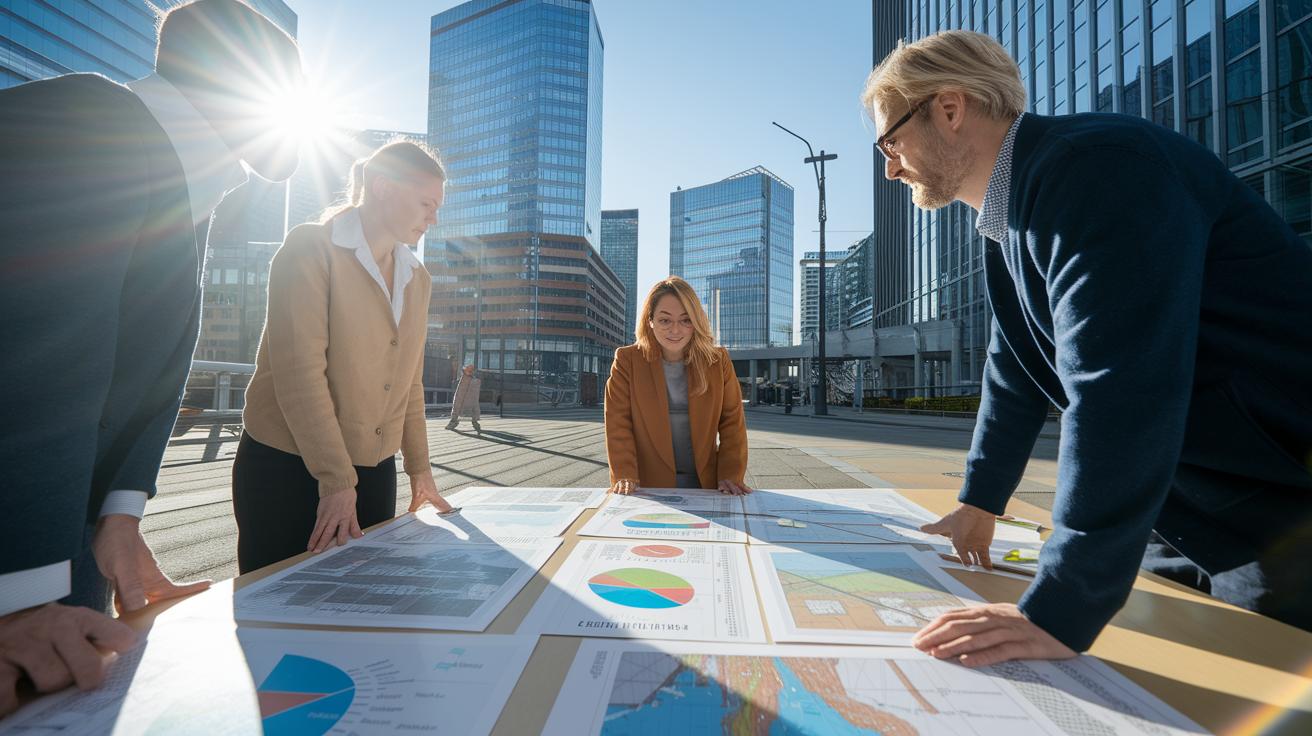
Local communities and governments are planning for a changing climate. They use simple tests and risk studies to find weak spots in roads, bridges, and other systems. Officials are working to upgrade water supplies, power lines, and transit routes so they can handle bad weather. They meet regularly to review dangers like floods, heat, and storms. These updates include new building rules and better early warning systems. Even checking flood barriers before a storm shows how quick tests can save lives.
Cities are also boosting disaster plans and toughness projects. They are changing parks and streets with more green spaces to cool areas and manage rainwater. Emergency plans now list clear escape routes and safe spots. Training helps first responders work fast during crises. Local groups fix old houses and make alert systems stronger. This teamwork helps cities keep people safe and keeps key services running when nature gets rough.
Social Movements and Advocacy in the Climate Crisis
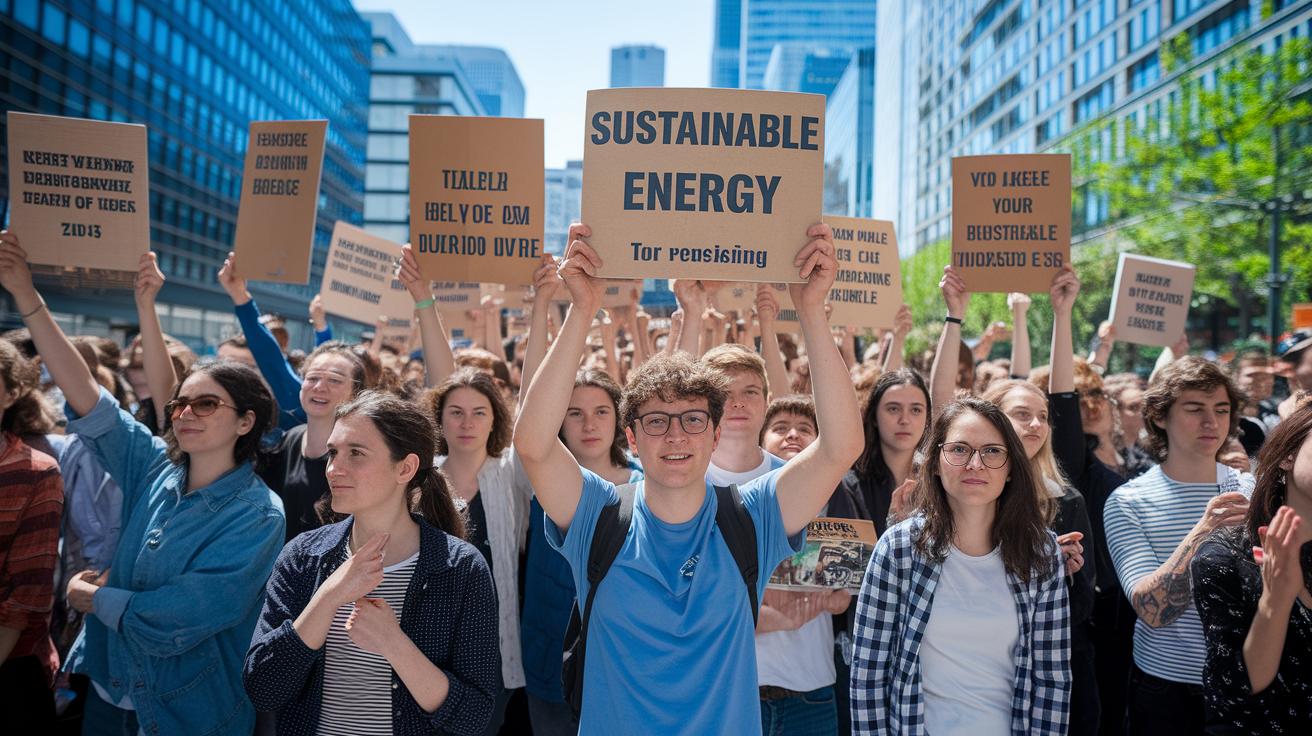
Global protests and youth-led demonstrations are urging governments and companies to act on climate change now. Young leaders work with long-time groups to call for tougher rules on emissions and more use of renewable energy. College students and local organizers have brought climate justice into policy talks. They use creative tactics, social media, and local events to stress the need for quick action and clear accountability.
In both cities and rural areas, public campaigns help people learn about climate science and policy issues. Local leaders hold workshops and meetings to show how carbon emissions affect our lives. Grassroots groups build networks that offer easy steps to reduce each person's impact. All these efforts blend activism with education, empowering communities to drive change at home.
Final Words
In the action, the blog outlined key elements of the climate crisis. It clarified differences between global warming and climate change, examined human-driven fossil fuel emissions, and highlighted scientific findings like rising temperatures and polar ice melt. It also covered risks to ecosystems, policy responses, and mitigation efforts.
These insights show that combined steps from policymakers and communities can curb rising risks. Staying informed helps navigate market shifts and global policy changes. Collective action brings hope as we tackle the climate crisis together.
FAQ
What is the current climate crisis?
The current climate crisis means rapidly changing weather, rising sea levels, and increasing disaster risks driven mainly by human activities like burning fossil fuels that disrupt natural systems.
Why is 2030 the point of no return?
The idea behind 2030 indicates that if emissions are not drastically cut by then, climate damage may become irreversible, making recovery and adaptation significantly harder.
What do you mean by climate crisis?
The term climate crisis refers to severe environmental changes, including extreme weather and rising temperatures, primarily driven by human actions that harm ecosystems and disrupt lives.
What are the three major causes of the climate crisis?
The three major causes include carbon pollution from fossil fuel combustion, deforestation that reduces natural carbon absorption, and industrial emissions from various manufacturing processes.
What are some examples of the climate crisis?
Examples of the climate crisis include frequent heatwaves, more intense storms, rapid polar ice melt, coastal flooding, and wildfires that damage ecosystems and communities.
How do mitigation strategies address the climate crisis?
Mitigation strategies combat the crisis by increasing renewable energy use, boosting energy efficiency, implementing carbon pricing, and phasing out fossil fuels to reduce harmful greenhouse gas emissions.
How can society adapt to the climate crisis?
Societies adapt by upgrading infrastructure, improving disaster preparedness, conducting risk assessments, and developing urban resilience plans to protect communities from extreme weather and related impacts.