
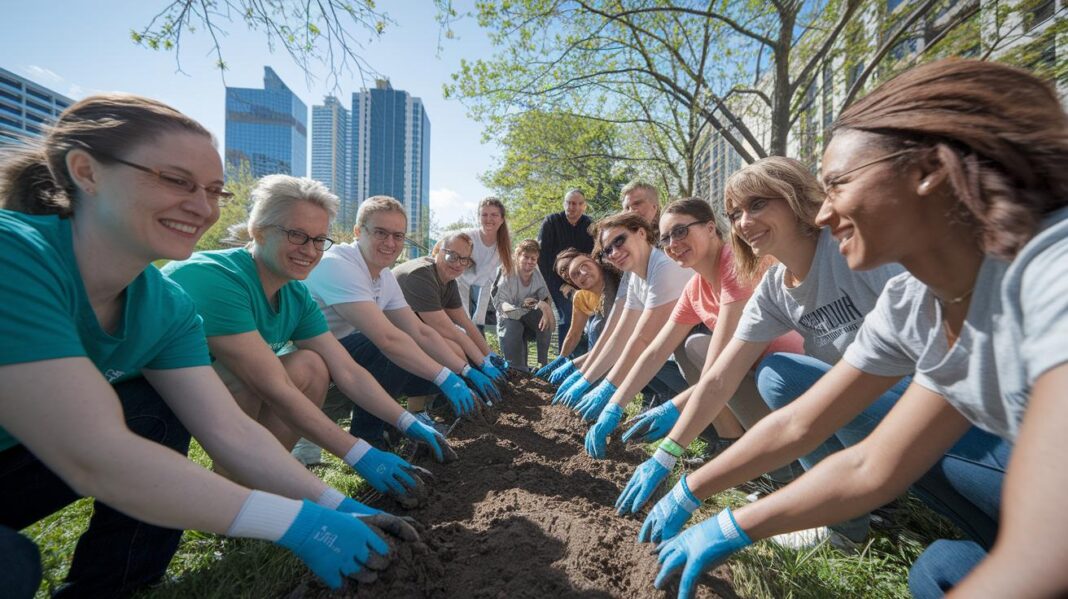
Local Health Programs Save Lives
Local health programs help protect our communities. These initiatives offer important services like vaccines, nutrition classes, and mobile clinics. They teach healthy habits and improve access to care.
This work lowers infection rates and brings people together around shared health goals. In short, local programs build community strength for a safer, healthier future for everyone.
How Public Health Initiatives Improve Community Health Outcomes
Public health programs are government efforts that boost community well-being by teaching health basics, preventing diseases, and making treatment easier to get. They use methods like mass vaccination events, health workshops, mobile clinics, projects for safe air and water, and digital care services. All these steps help slow disease spread, promote good habits, and support people in tough times.
These programs cover many health needs and strengthen communities. They show how solid planning, clear messages, and strong partnerships lead to better care. Organized initiatives can lower infection rates, manage long-term illnesses, and get more people the help they need.
- Vaccination drives: These events use smart supply chains to distribute vaccines. They earn community trust with local outreach and messages that respect cultural differences.
- Nutrition education programs: These lessons explain healthy eating and balanced meals to help cut chronic illnesses. Local classes and school events spread tips on making good food choices.
- Mobile clinical units: These units bring care straight to neighborhoods, especially in areas with few resources. They offer basic health checks, preventive care, and follow-up treatments.
- Environmental health projects: These efforts work to keep air safe, water clean, and homes free from harmful chemicals. They monitor local issues and promote pollution-reducing practices.
- Telehealth platforms: Digital healthcare services help connect patients with doctors, even in remote or busy areas. They reduce the need to travel by using technology for consultations.
Data shows these programs work well by lowering infection rates, managing chronic diseases better, and improving access to care. With careful planning and community input, public health initiatives build healthier lives for everyone.
Nationwide Public Health Initiatives: Strategies and Outcomes

Governments are tackling health challenges by running large, coordinated campaigns. These efforts blend mass communication with community partnerships and smart planning. They include big vaccination events, nutrition classes, programs to boost exercise, calls for emergency readiness, and projects that expand telehealth. All these work together to improve health in communities across the nation.
Officials mix big wellness campaigns with strong media efforts and focused programs in nutrition and exercise. This approach helps them reach millions of people. They also set clear targets to measure progress and tweak plans when needed.
| Campaign Name | Strategy Type | Impact Metric |
|---|---|---|
| National Immunization Drive | Mass communication and community partnerships | Increased immunization rates |
| Healthy Eating Initiative | Nutrition awareness campaigns | Better dietary habits |
| Fitness Promotion Campaign | Physical activity efforts through youth leagues and public parks | Up to 15% rise in exercise participation |
| Telehealth Access Expansion | Digital outreach and telehealth services | Improved rural healthcare access |
These national programs target key areas like disease prevention, better nutrition, and more exercise. Their results show clear progress and build a stronger health system that can handle future challenges and the needs of local communities.
Community-Level Innovations in Public Health Initiatives
Local health assessments mix data from clinics, surveys, and community talks. They pinpoint key issues like many cases of chronic illness or local environmental risks. This clear data helps decide where to put resources and how to plan programs. In one county, survey findings led to efforts to improve water quality and air safety. This process lets officials create fixes that match local needs and boost public health overall.
Mobile clinics and telehealth services bring essential care to both busy cities and remote rural areas. These programs offer primary care, health screenings, and follow-up visits without long journeys. In one local effort, a mobile unit provided free check-ups, which cut down visits to emergency rooms. This timely care has helped improve lives in under-served parts of the community.
Programs that discourage substance abuse work early with schools and community centers. Local support groups and school programs join to lessen stigma and give counseling when needed. One local program mixed workshops with peer mentoring and saw a drop in teen substance misuse. These efforts make neighborhoods safer and boost community involvement in fighting addiction.
Mental health support programs provide counseling, public education, and group therapy to lift emotional well-being. With nearly one in five adults facing mental health issues, these campaigns aim to reduce stigma and promote early help. A community case study showed a local center hosting free mental health workshops and peer-led talks, which strengthened emotional resilience. These initiatives help people get support and build tighter, connected communities.
Immunization Initiatives and Disease Containment in Public Health
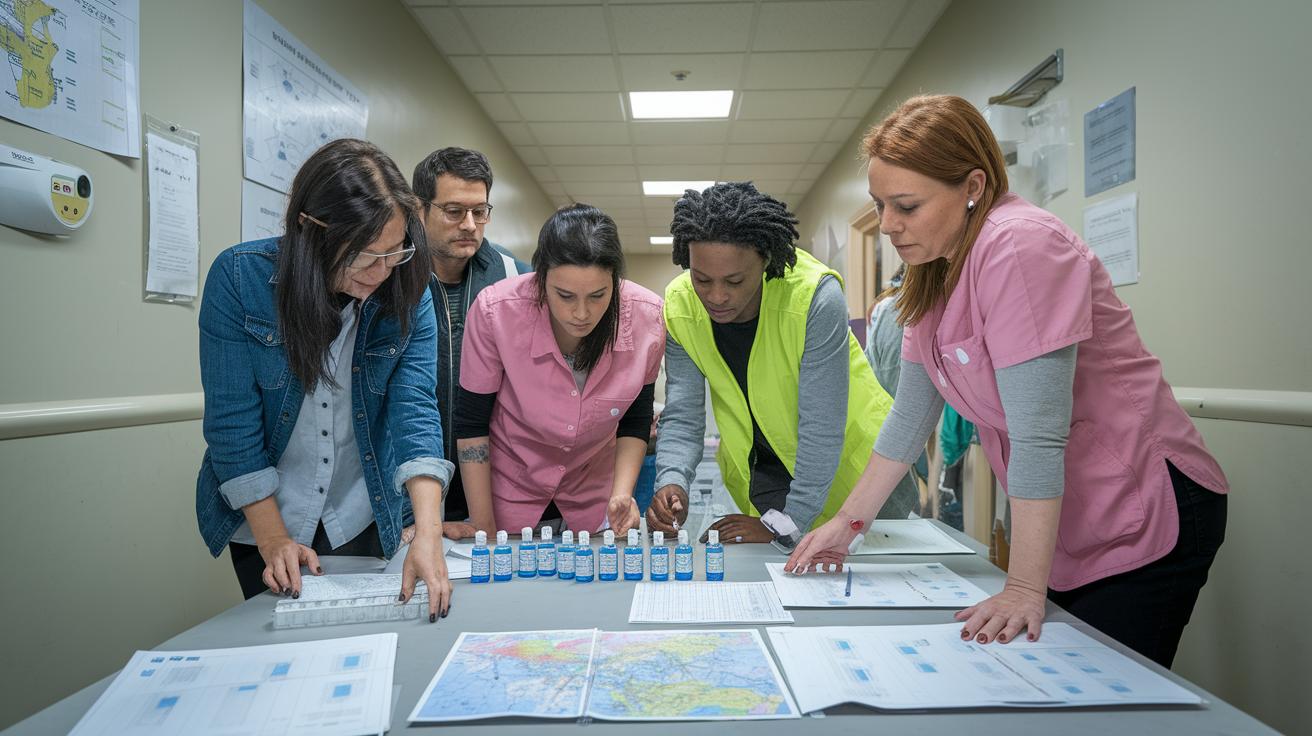
Immunization Campaign Planning
A solid vaccine campaign starts with clear plans and strong local ties. Teams manage supplies carefully so vaccines reach every clinic. Local agencies and leaders work together to share clear, accurate health advice that fits community customs. This method not only speeds up delivery but also makes vaccines available to everyone.
Rapid Response Outbreak Containment
Stopping an outbreak means finding cases fast and acting right away. Real-time data helps track infections, and teams set quarantine rules to keep the virus down. Officials share updates quickly to keep everyone informed during busy times. Quick, targeted actions help fight both current and new health risks.
Data tracking, smart planning, and clear public messages are key to fighting outbreaks and boosting vaccinations. Even with strong supply chains and community work, delays and mix-ups can occur. Fixing these issues means we must keep improving our systems and talking openly with the public to protect community health.
Data-Driven and Infrastructure-Focused Public Health Initiatives
Epidemiological data is the base of strong public health work. Officials rely on real-time community data and research to spot new issues and act where help is most needed. For example, local agencies have tracked infection trends and adjusted their outreach plans. This careful data collection turns numbers into clear actions that improve community care.
Tools like health dashboards, predictive models (tools that use current data to guess future trends), and needs assessments form the backbone of smart planning. These tools help leaders see trends and plan for future needs so they can use resources wisely. One local group used a dashboard to find care gaps quickly and respond to rising health problems.
Funding models secure the buildings and computer systems needed for public health. Government grants and partnerships between public and private groups have paid for projects such as new clinics, updated labs, and linked IT systems. This funding supports urgent upgrades and builds a long-term plan to improve community care.
Integrated system operations bring hospitals, local health departments, and community clinics into one team. This teamwork cuts down on duplicate services and makes sure every group works toward the same goals. Sharing resources and information leads to faster fixes and a more efficient public health response, which strengthens community resilience and overall health.
Public Health Initiatives That Inspire Community Strength
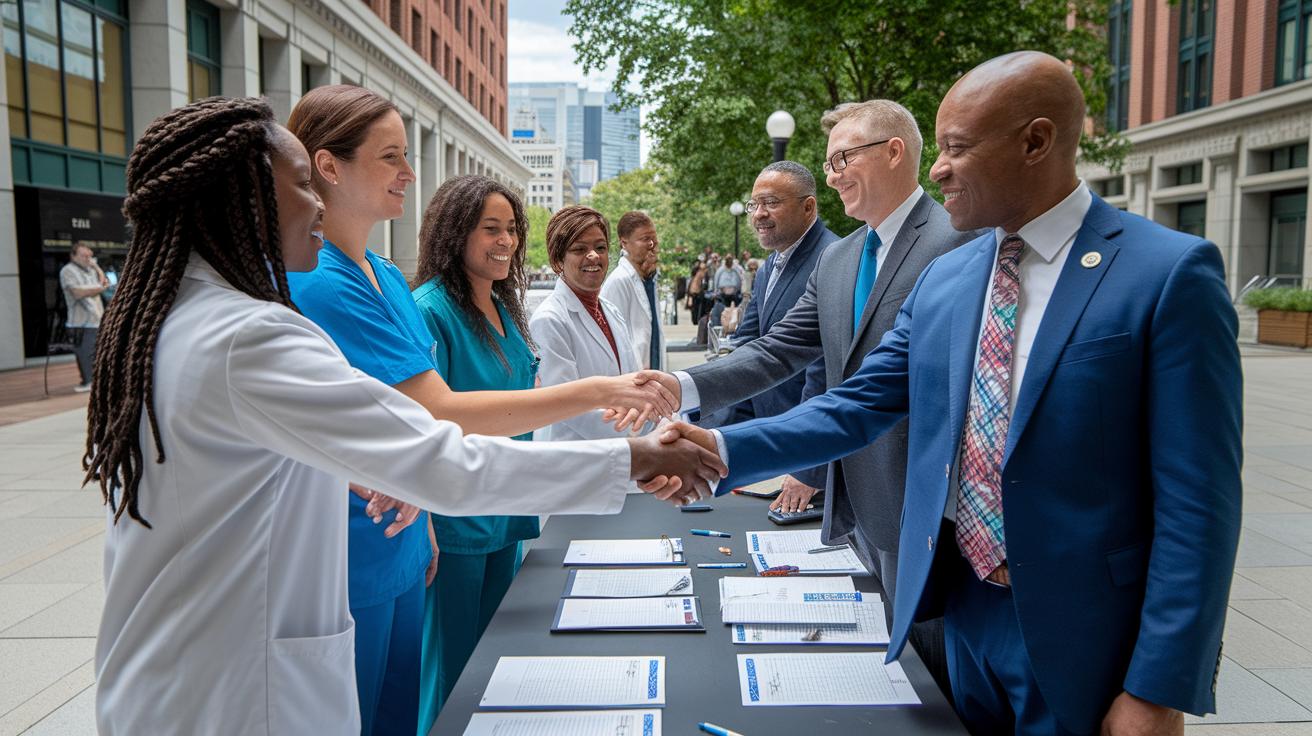
Healthcare providers, government agencies, and nonprofits are teaming up to make community health stronger. They cut down on repeating services and make sure resources are used wisely. This teamwork helps local groups respond fast to new health problems.
Cross-Sector Collaboration Models
Meetings, community groups, and formal agreements set the stage for good teamwork. These tools open clear paths for conversation and decision-making. They also help groups adjust quickly based on real community data and the health issues people face each day.
Sustainable Solution Funding
Grant programs and proven care methods give local projects a financial boost. This funding lets communities try new ideas based on research before expanding them to solve bigger health challenges.
Networks that bring together many partners will shape health efforts in the future. By sharing skills and resources, these partnerships are expected to improve policies and help communities get stronger as they face new health issues.
Final Words
In the action, this piece reviewed how public health initiatives drive better community outcomes. It outlined vaccination drives, nutrition programs, mobile clinics, environmental projects, and digital innovation platforms.
Each effort has lowered infection rates and improved care access. The discussion shows how coordinated planning and clear messaging lead to measurable health gains. The future looks bright for communities as these initiatives continue to create positive change.